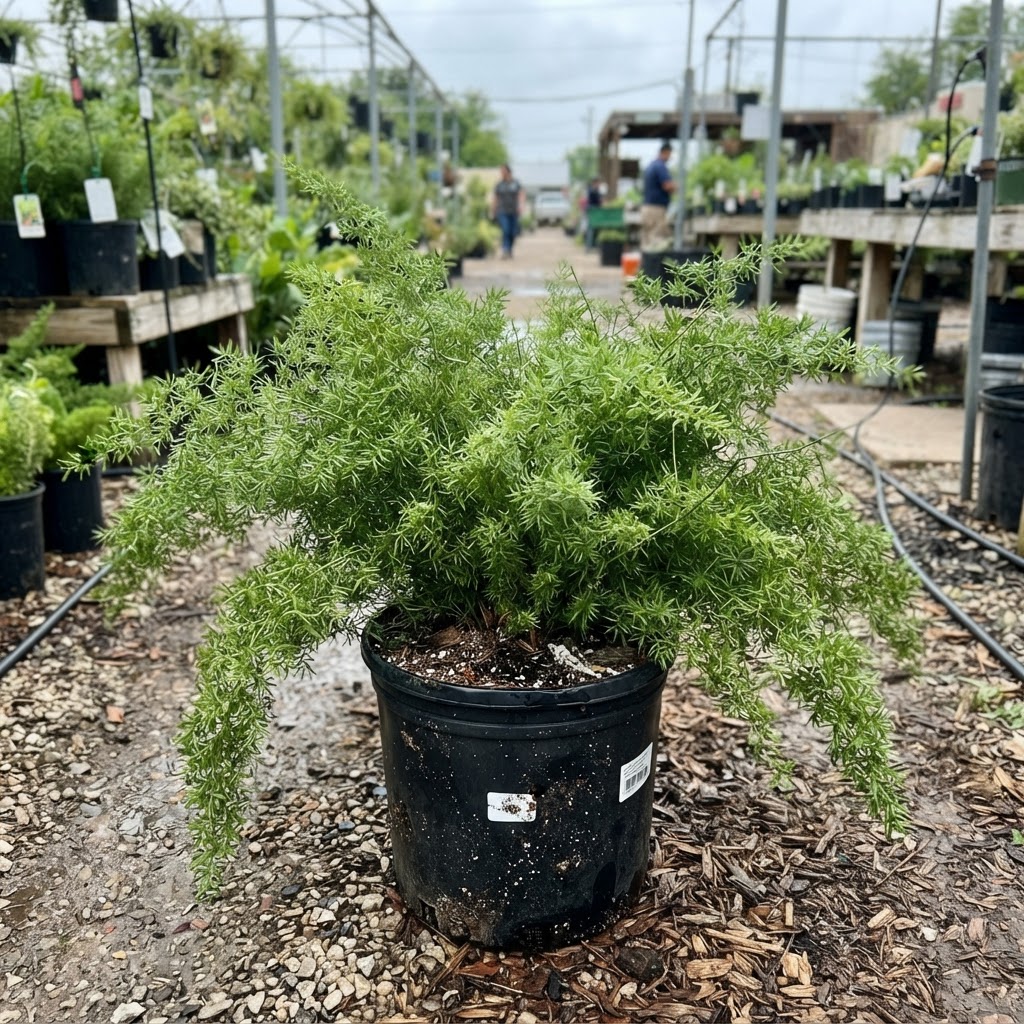
Best Deer-Resistant Plants for North Texas Yards
If you live near greenbelts, creeks, or undeveloped land anywhere in the Dallas–Fort Worth suburbs, you already know the frustration of watching deer strip a newly planted shrub overnight. No plant is 100% deer-proof — a hungry enough deer will try almost anything — but some North Texas plants are reliably low on their menu thanks to texture, scent, or toxicity. Here's what to plant instead.
Why Deer Avoid Certain Plants
Deer tend to avoid plants with strong fragrance (like Texas sage and salvia), fuzzy or leathery foliage, thorny or prickly textures (like yucca and agave), and plants that are mildly toxic to them. Soft, tender new growth — especially on roses, hostas, and fruit trees — is what draws deer in, so those are the plants to protect or avoid in high-pressure areas.
Best Deer-Resistant Choices for DFW Yards
Junipers, hollies, boxwood, loropetalum, and ornamental grasses are all reliable performers in North Texas neighborhoods with regular deer traffic. For color, Texas sage (cenizo), salvia, and lantana are both deer-resistant and drought-tolerant — a rare combination that thrives in our summer heat with minimal watering.
What to Do If Deer Pressure Is Severe
In neighborhoods with heavy deer traffic, even resistant plants may get sampled when food is scarce (especially late winter). Cluster your most vulnerable plants closer to the house, use temporary fencing or repellent spray while new plantings establish, and choose larger container sizes so plants can better recover from browsing.
Recommended Plants
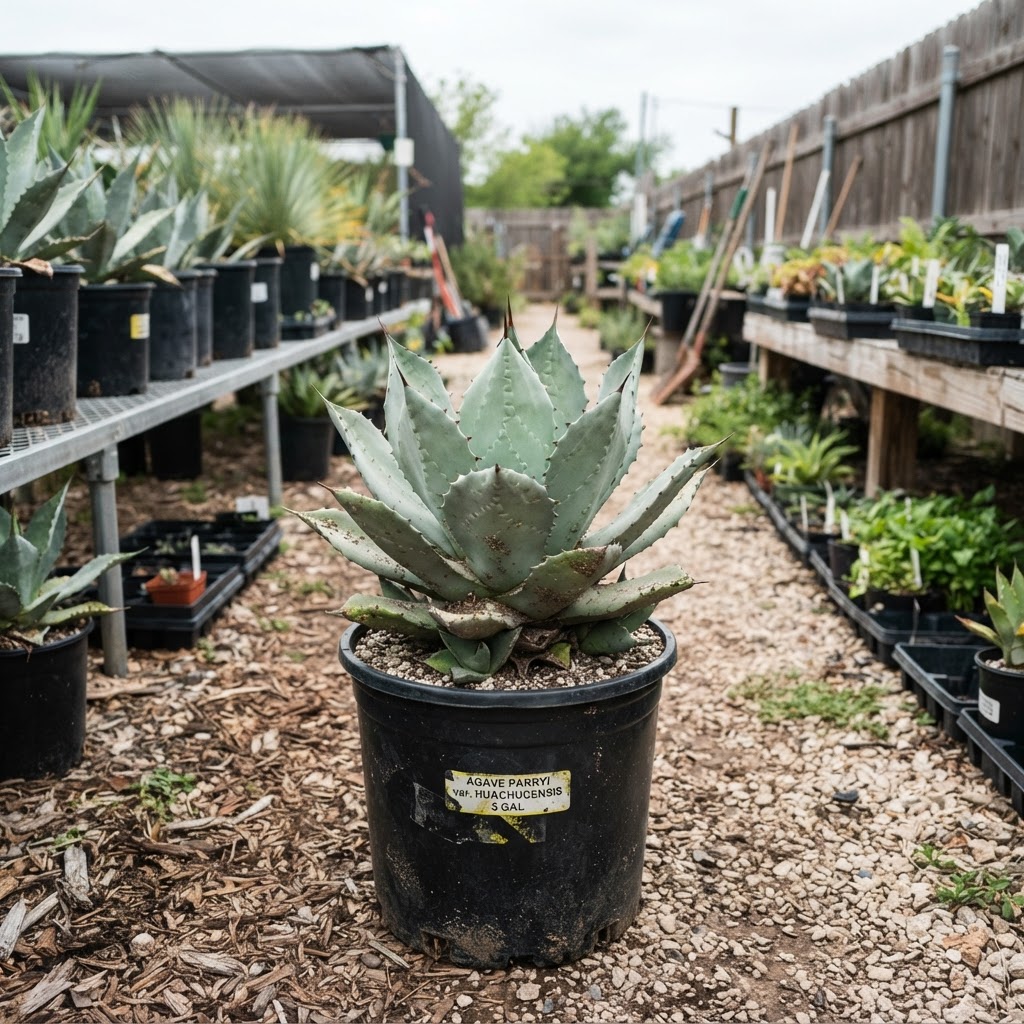
Agave parryi var huachucensis (8a)
$32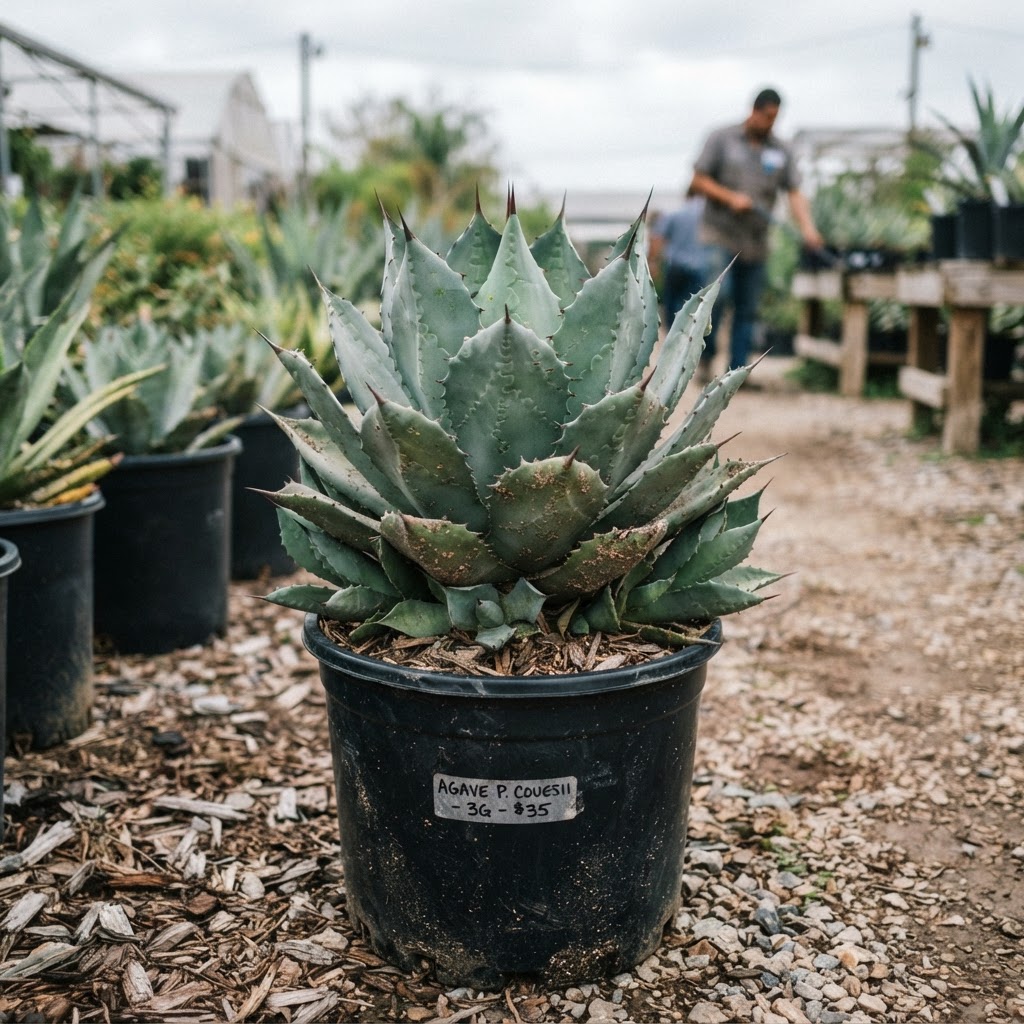
Agave parryi var. couesii
$32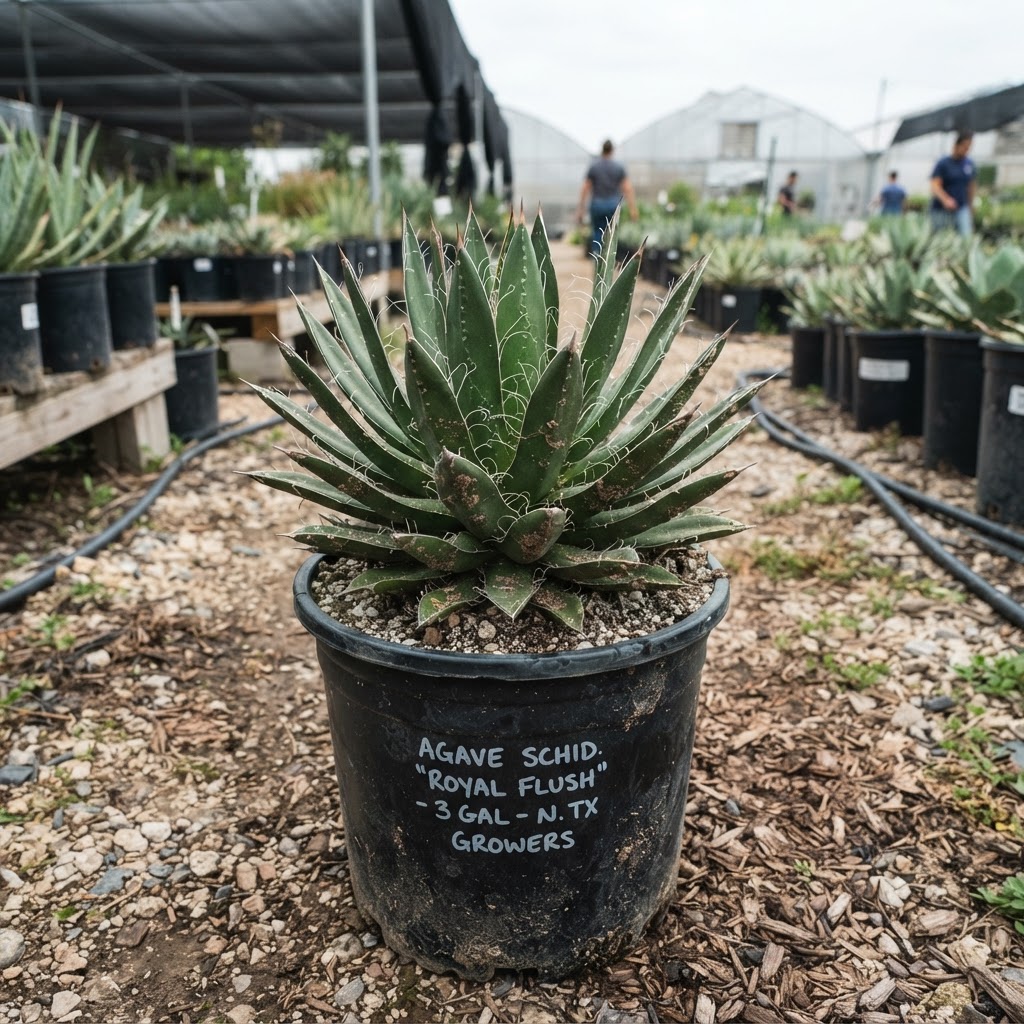
Agave schidigera 'Royal Flush'
$46.22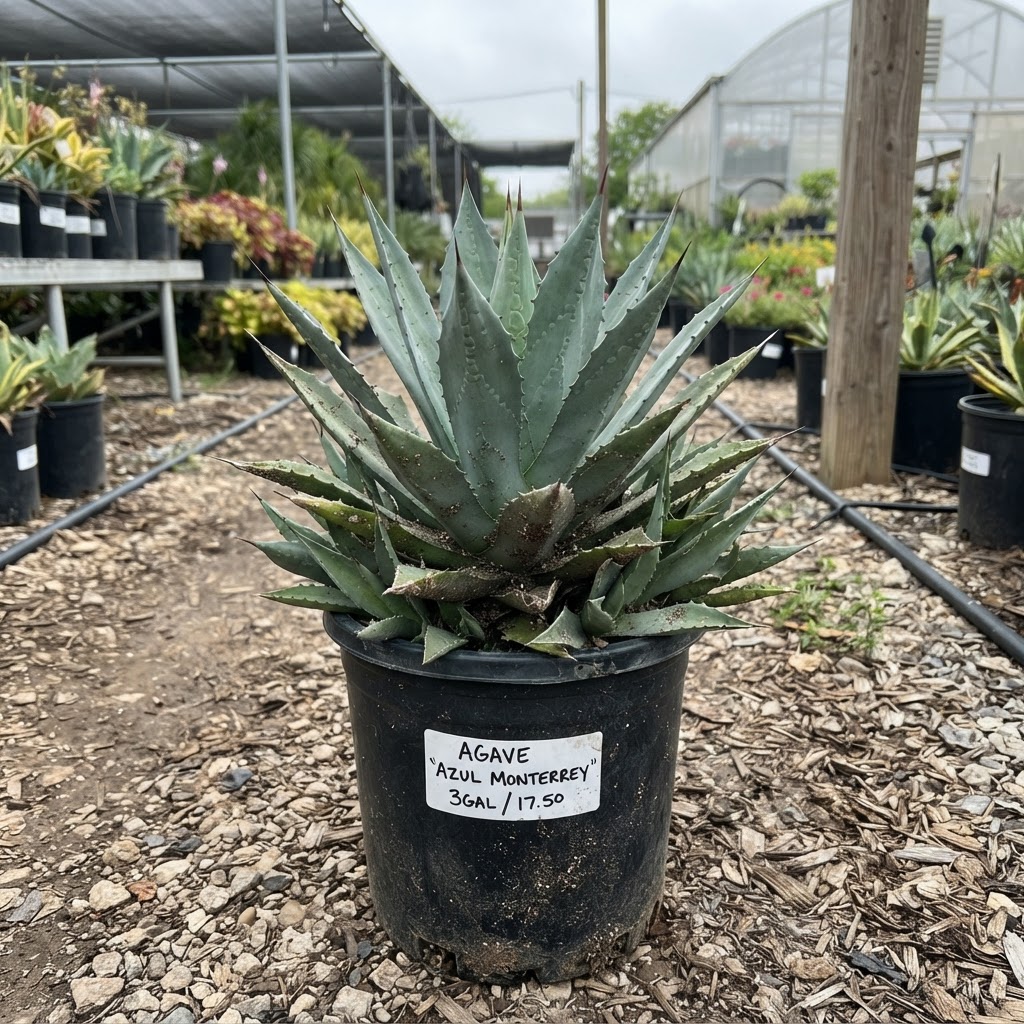
Agave sp. 'Azul Monterrey'
$35.56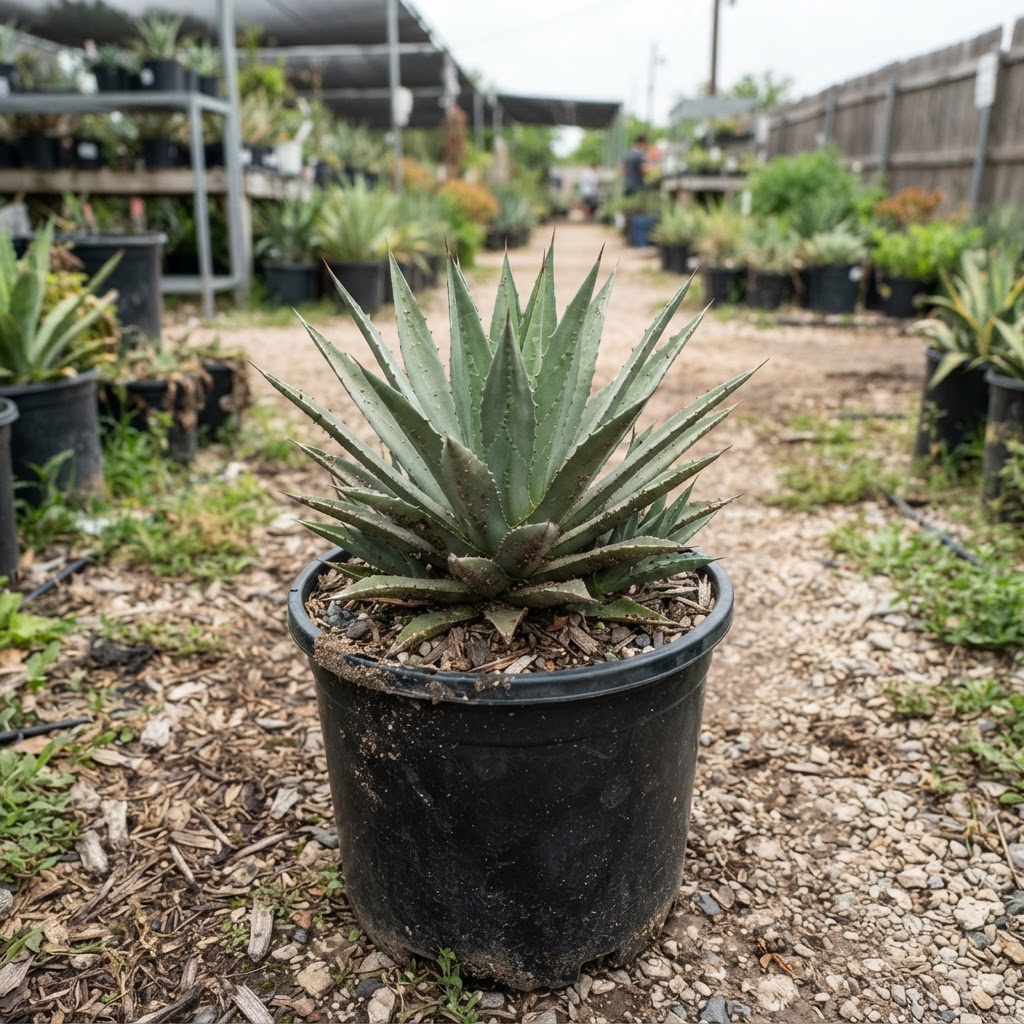
Agave striata subsp. falcata
$32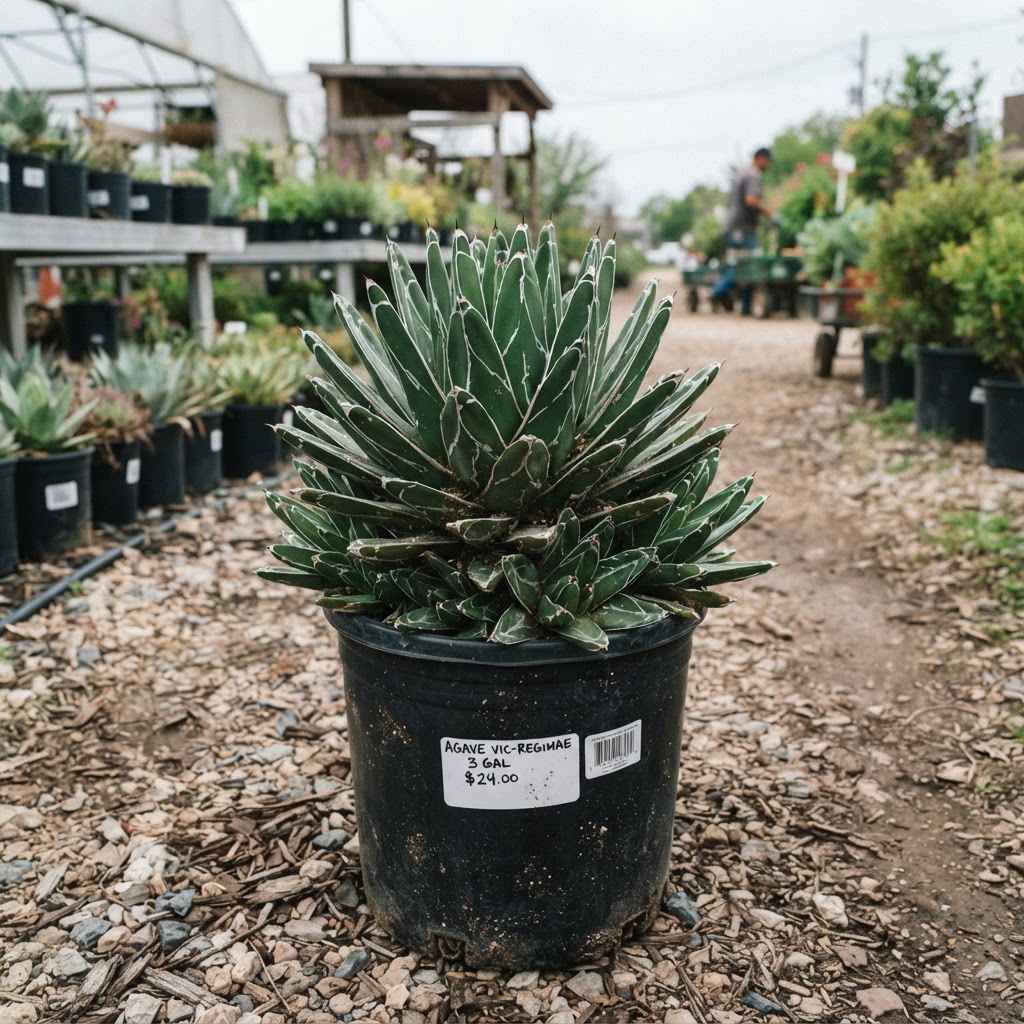
Agave victoriae-reginae
$46.22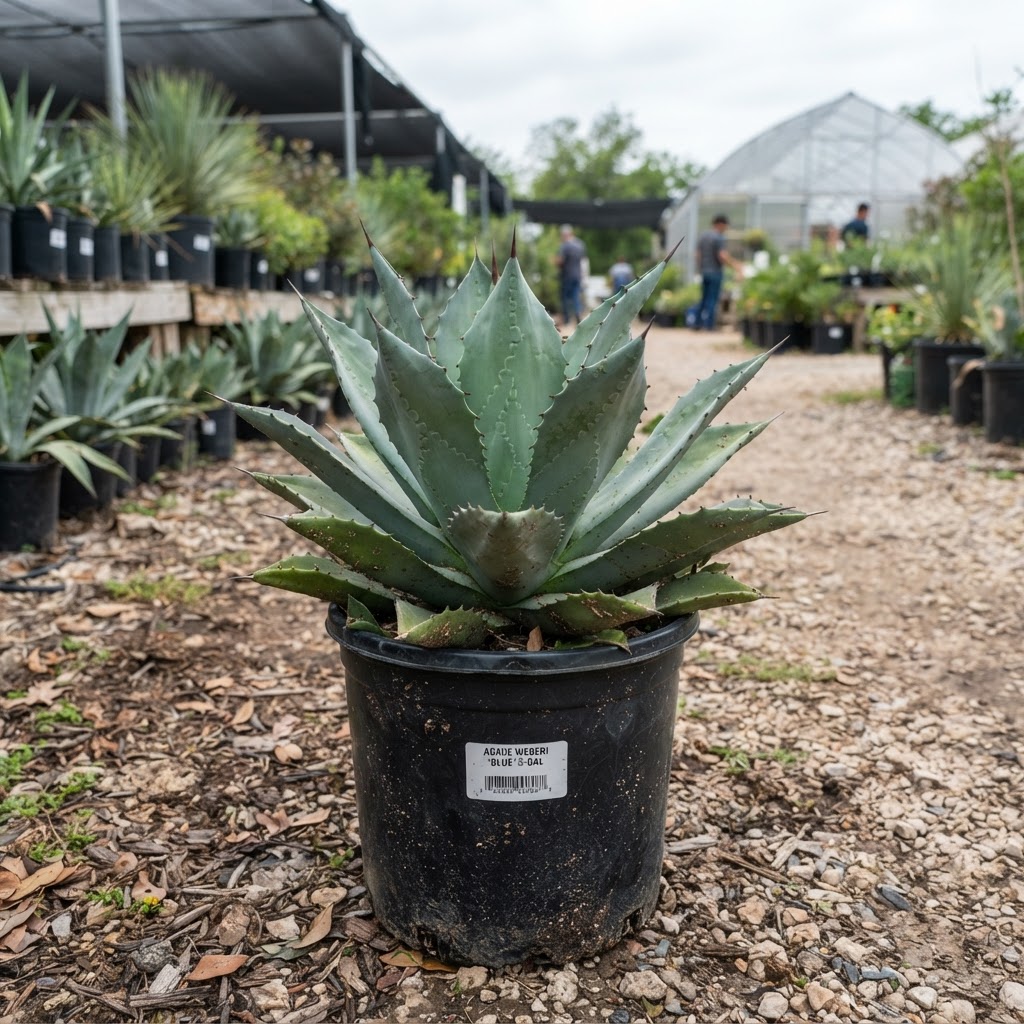
Agave weberi 'Blue'
$35.56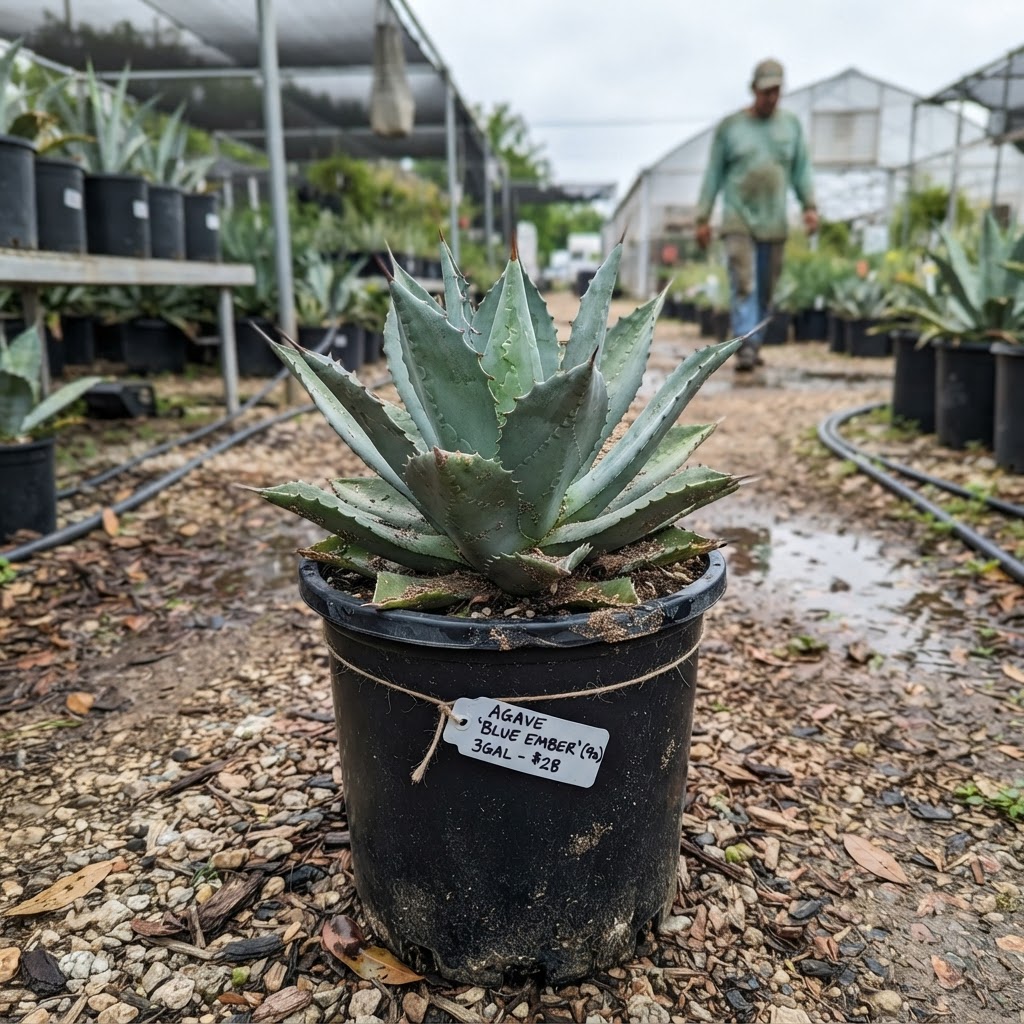
Agave x 'Blue Ember' (9a)
$35.56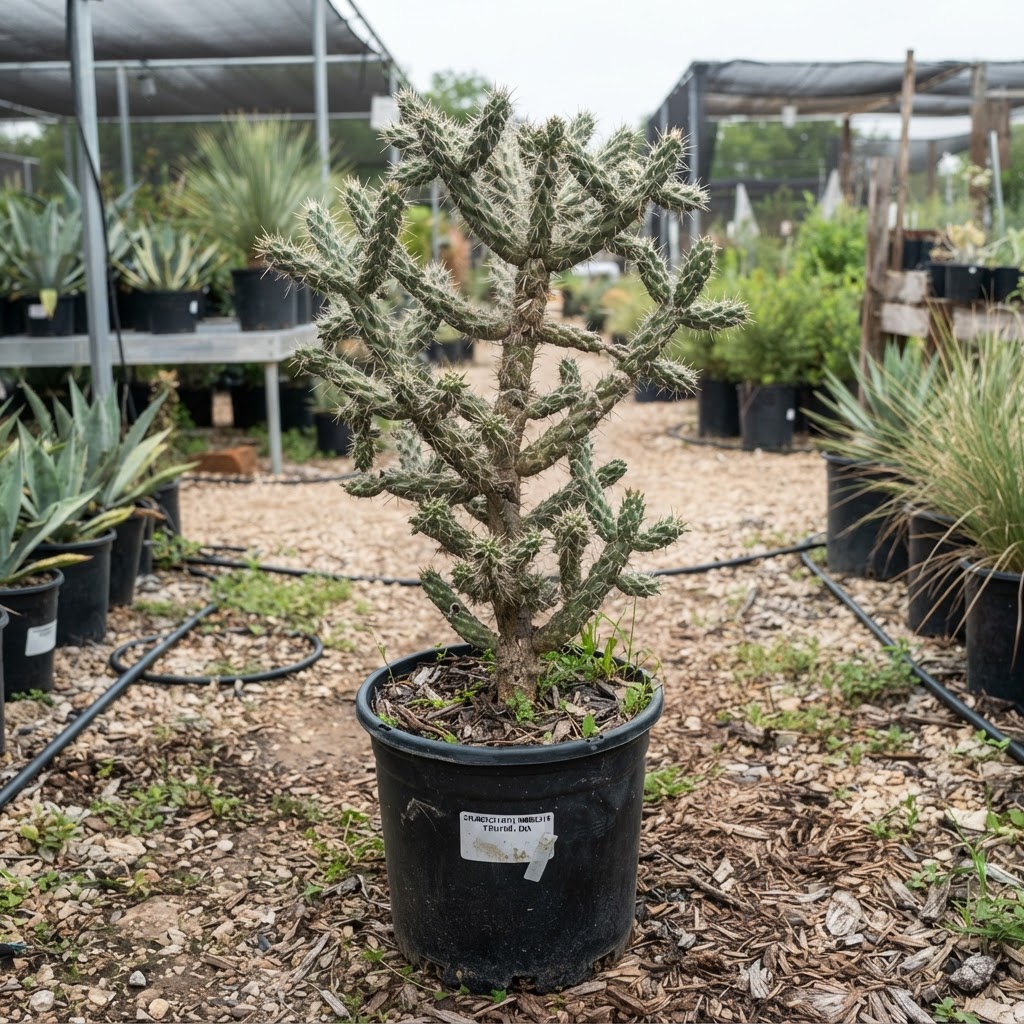
Cylindropuntia imbricata "Cholla" (6)
$25.77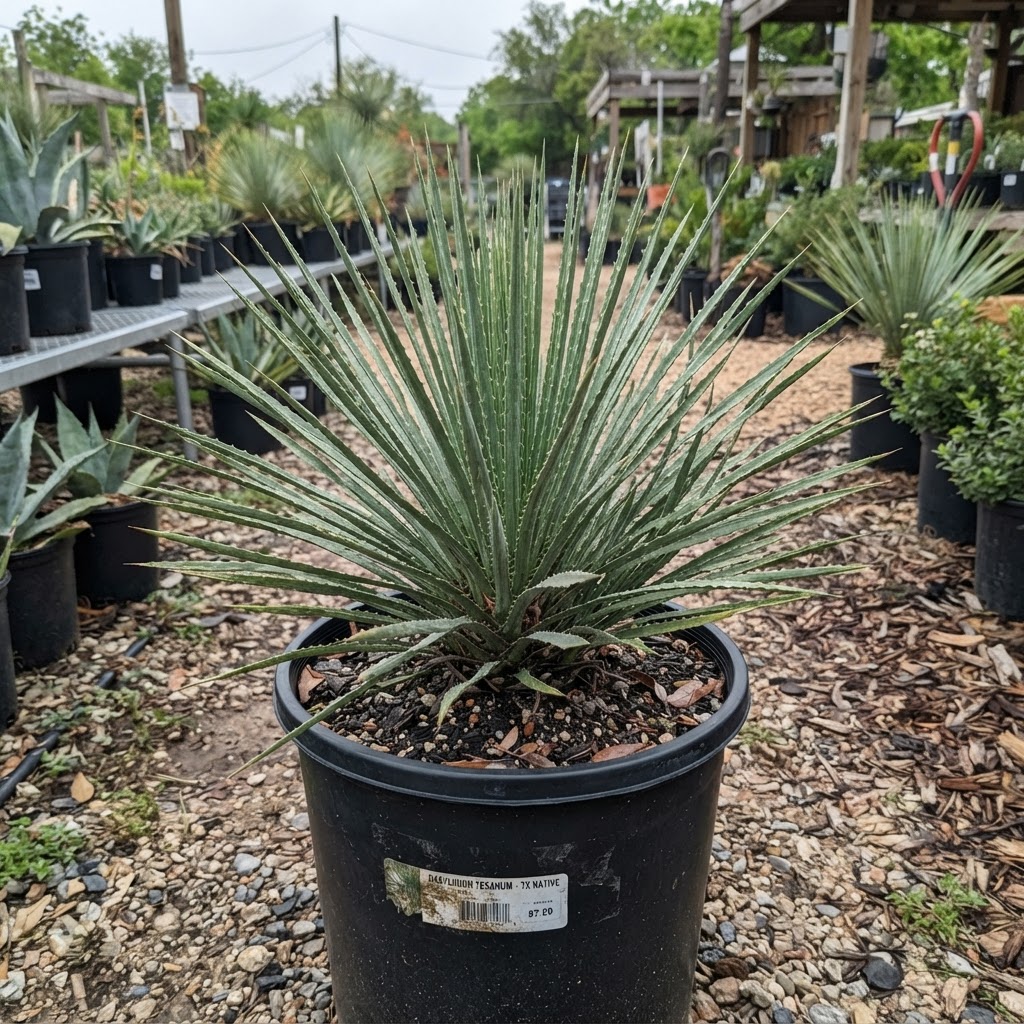
Dasylirion texanum (7a)
$32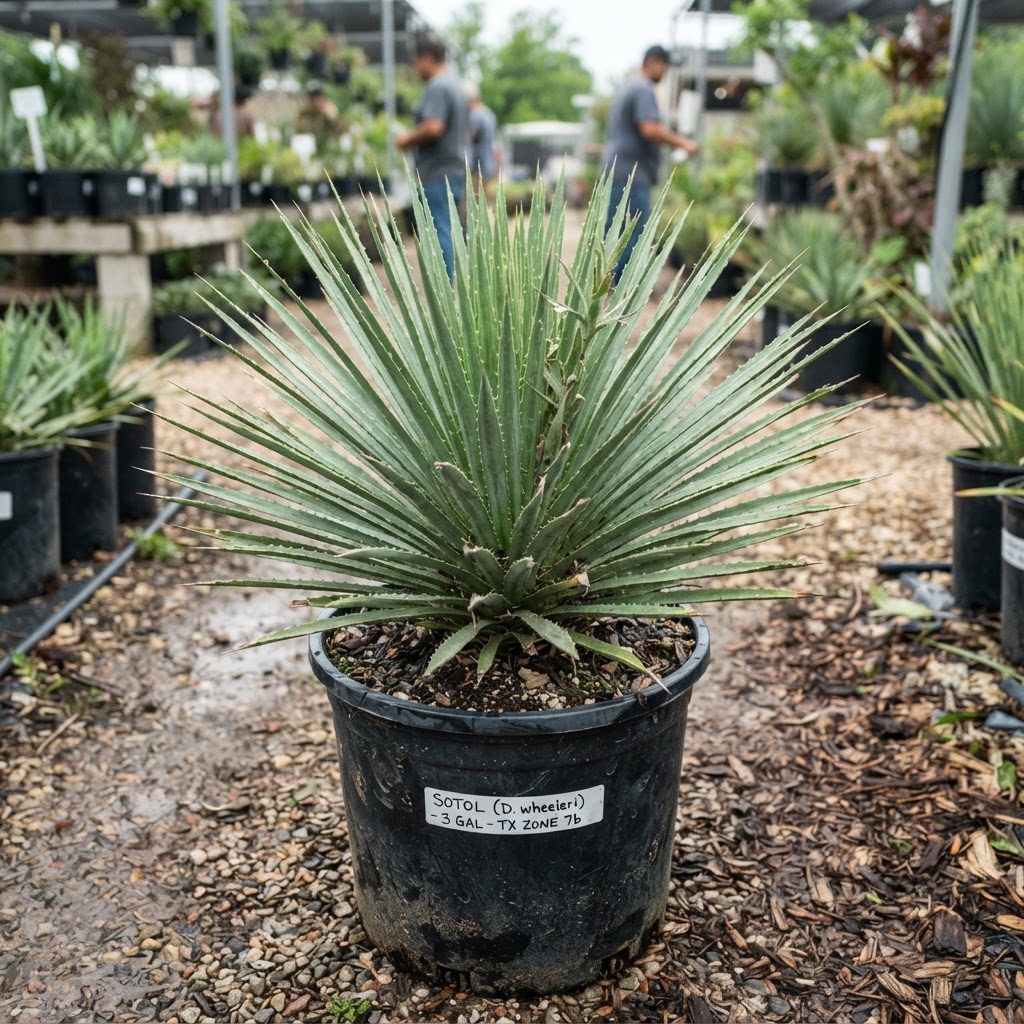
Dasylirion wheeleri (7b)
$32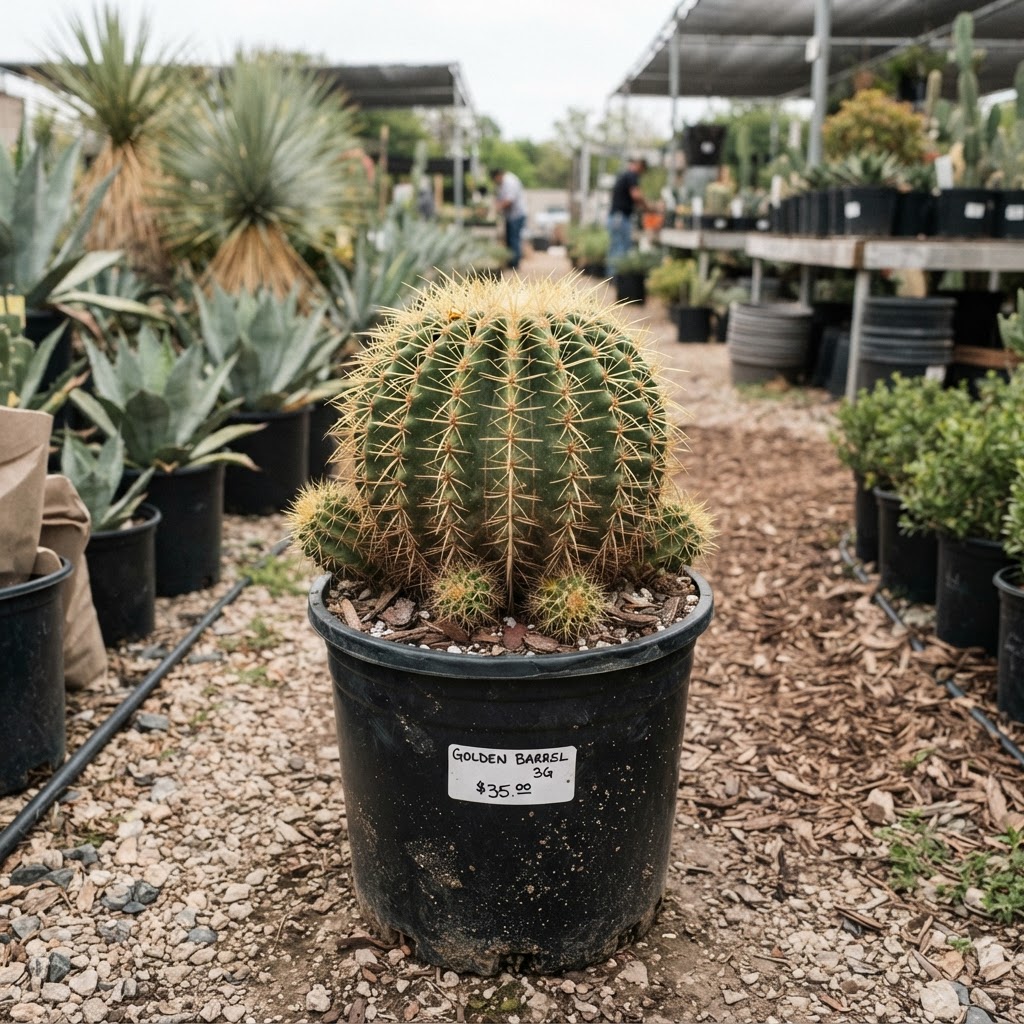
Echinocactus grusonii 'Gld Barrel' (9)
$29.33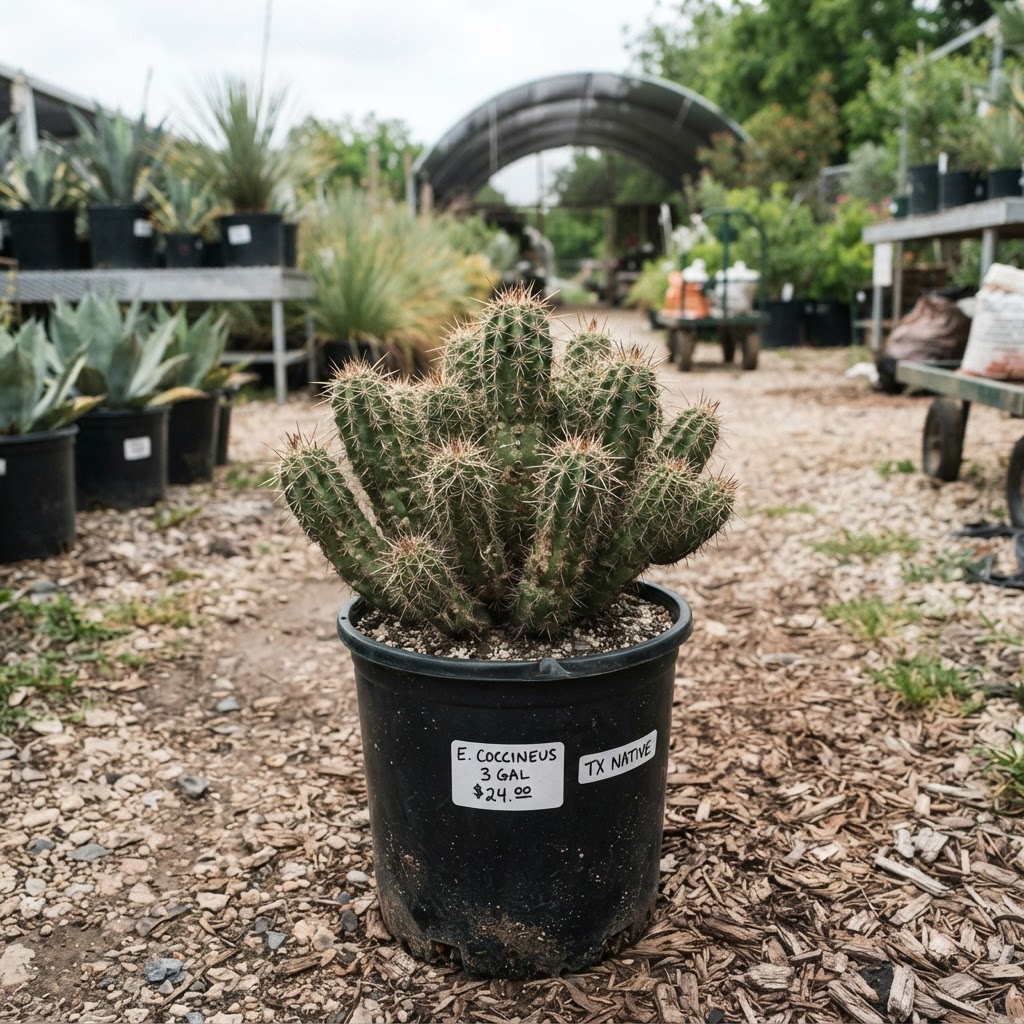
Echinocereus coccineus (4)
$35.56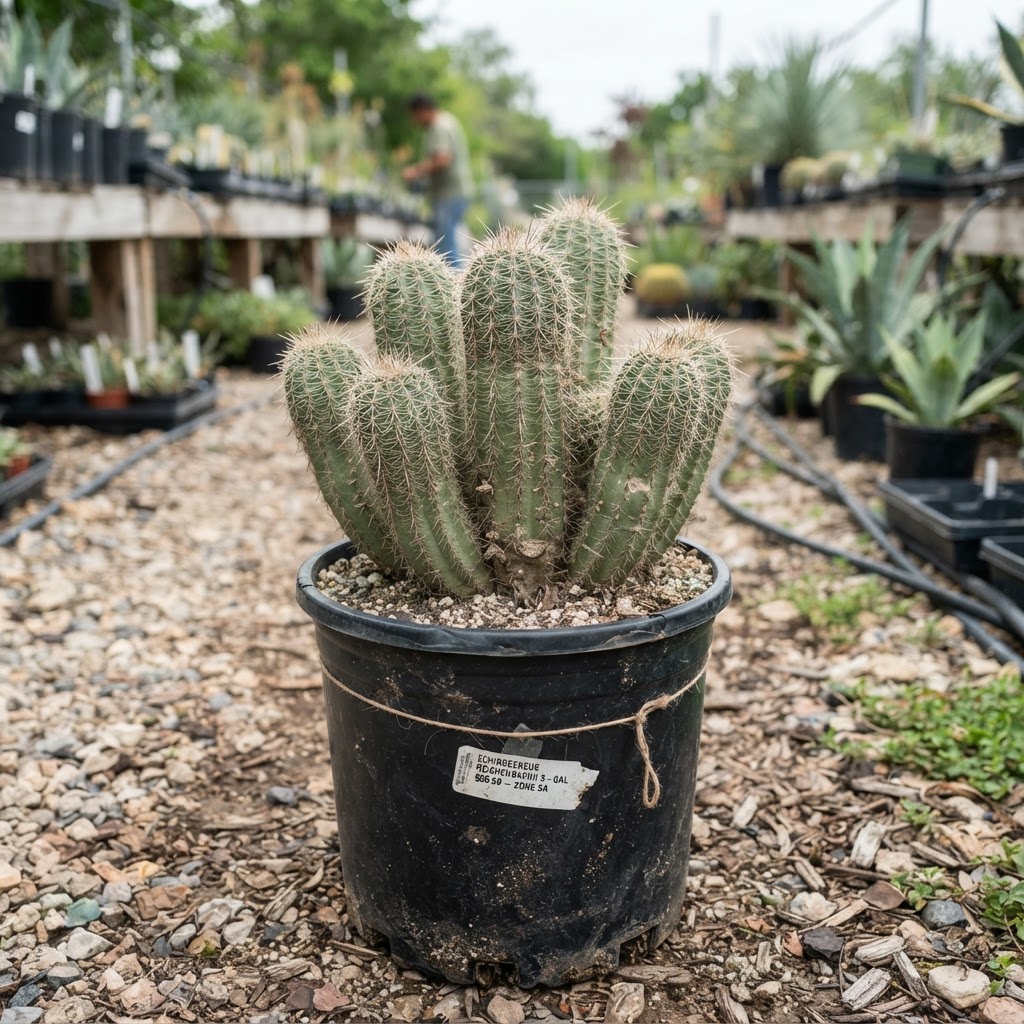
Echinocereus reichenbachii (5a)
$35.56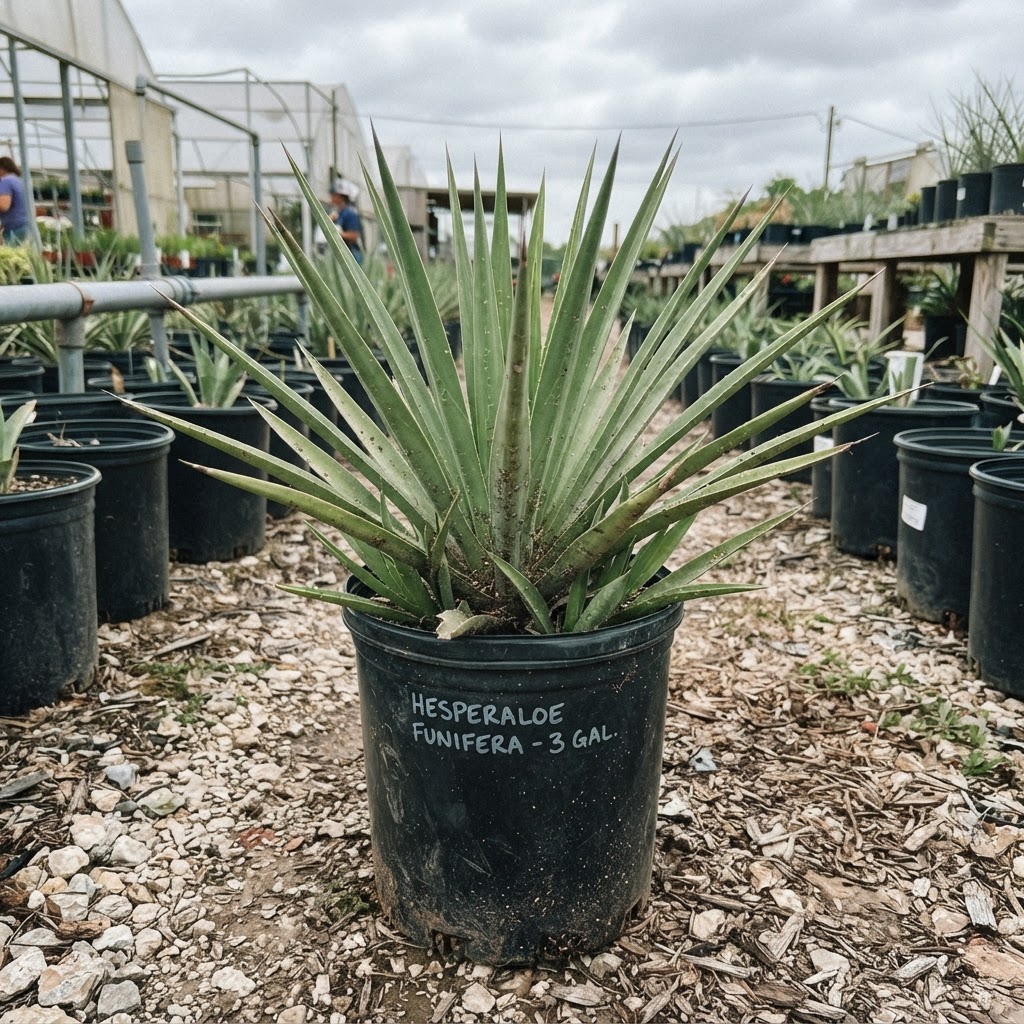
Hesperaloe funifera (6)
$25.77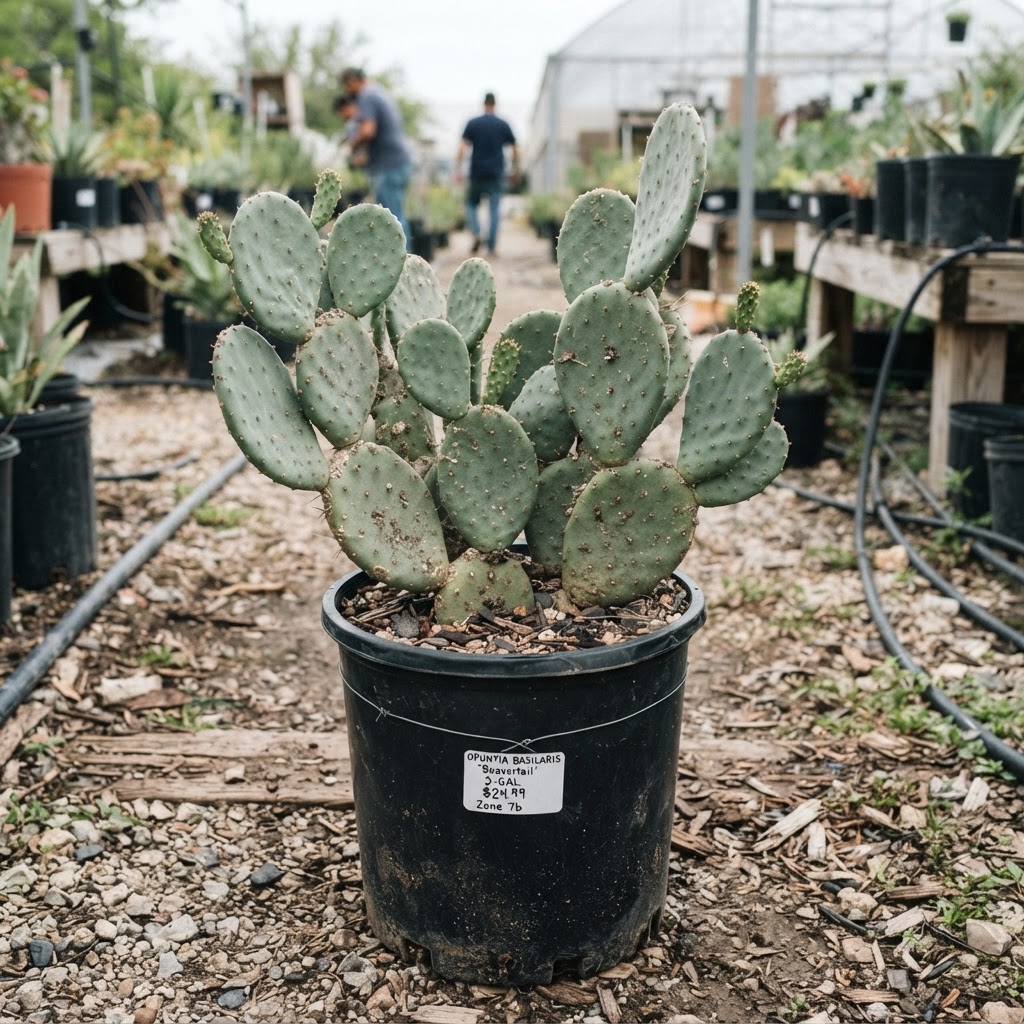
Opuntia basilaris 'Beavertail Pricklypear'(7b)
$25.77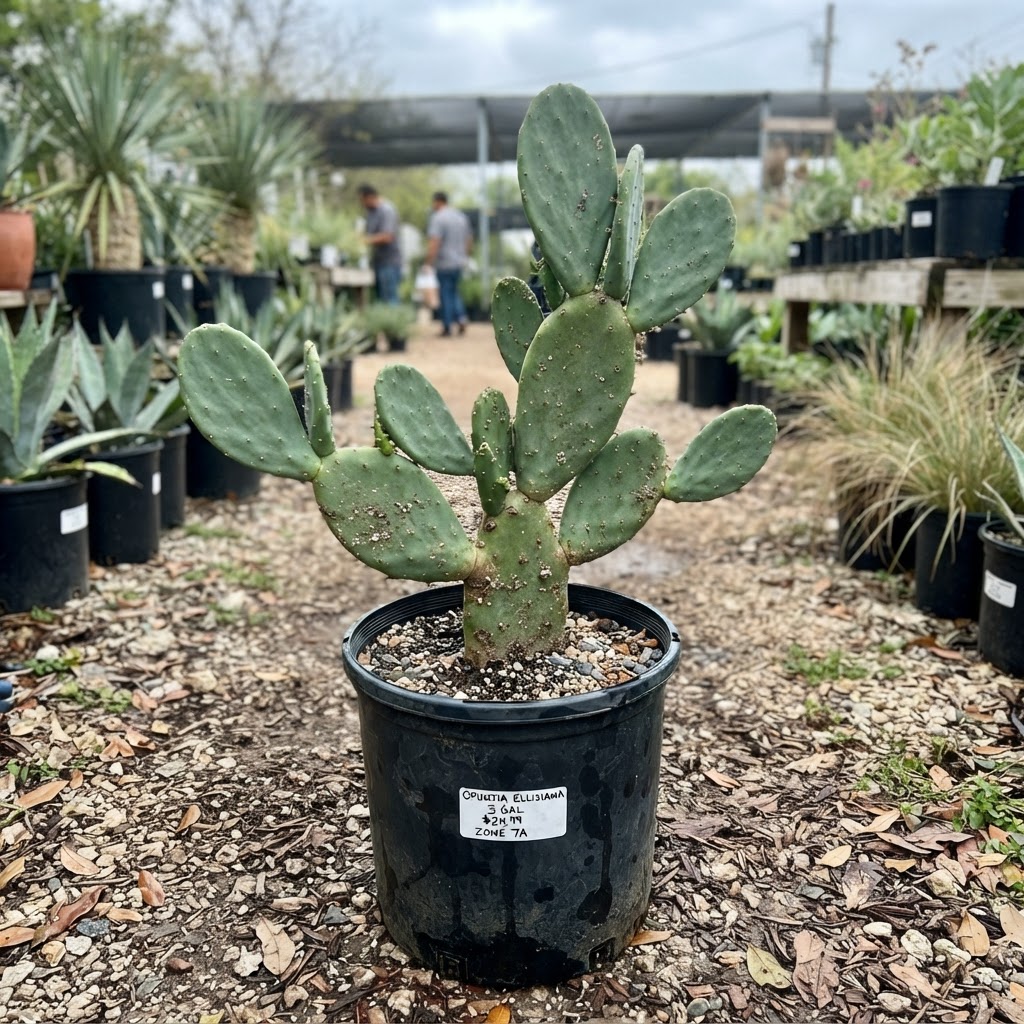
Opuntia c.'Ellisiana' {spineless}(7a)
$20.89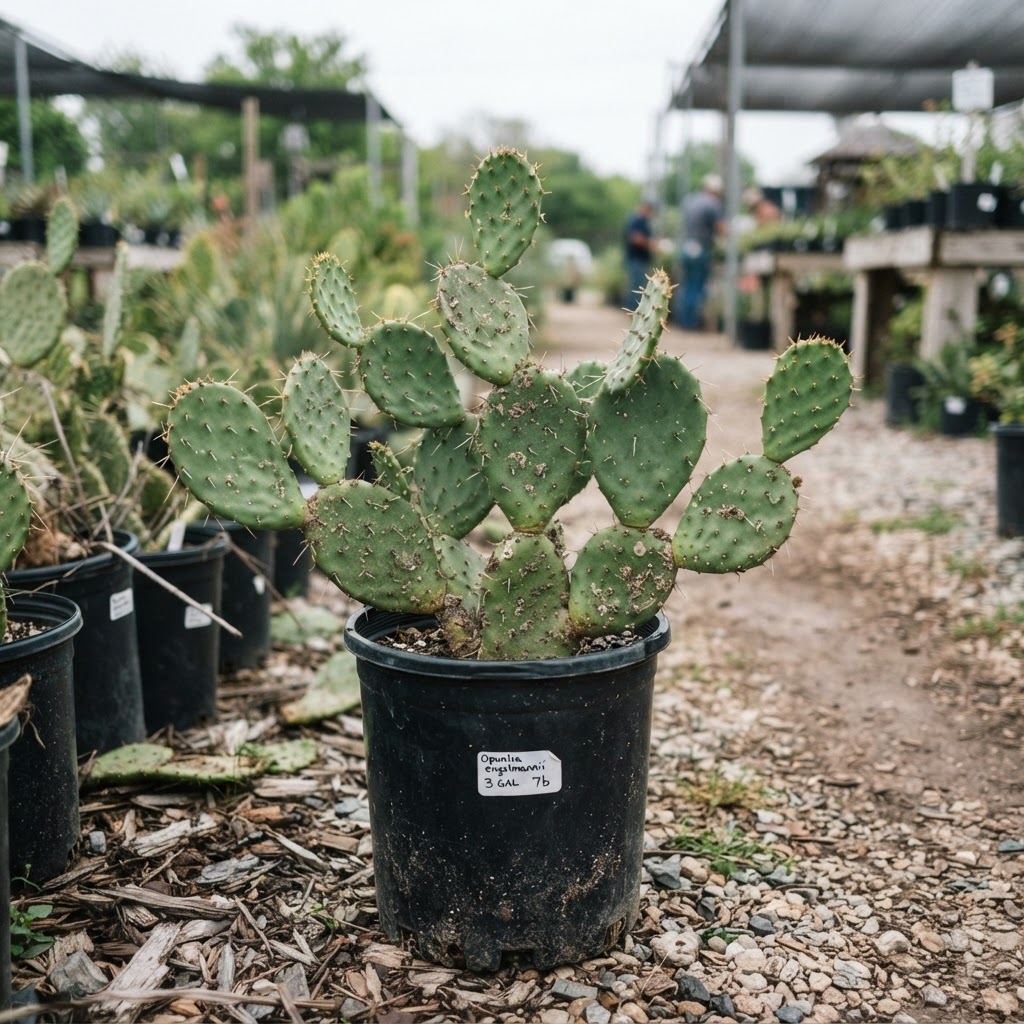
Opuntia engelmannii (7b)
$22.22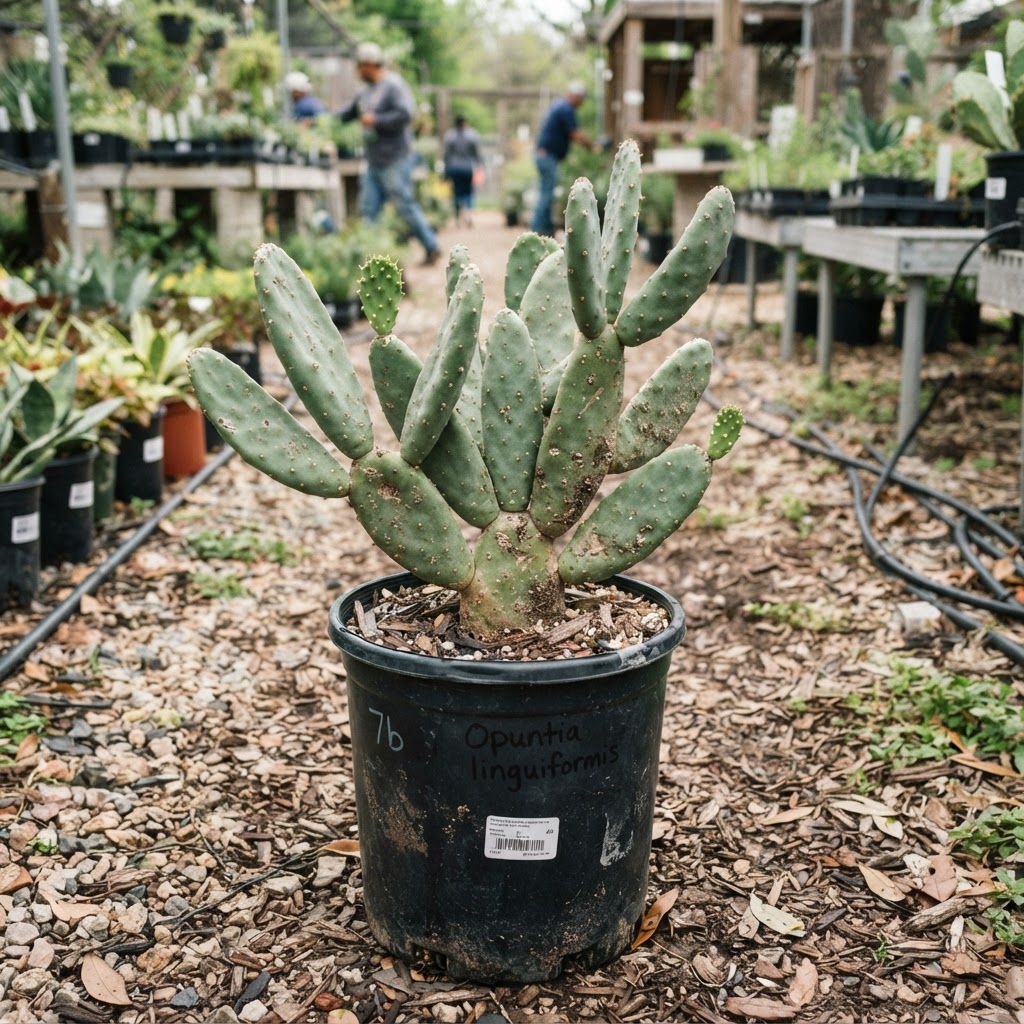
Opuntia engelmannii var linguiformis (7b)
$24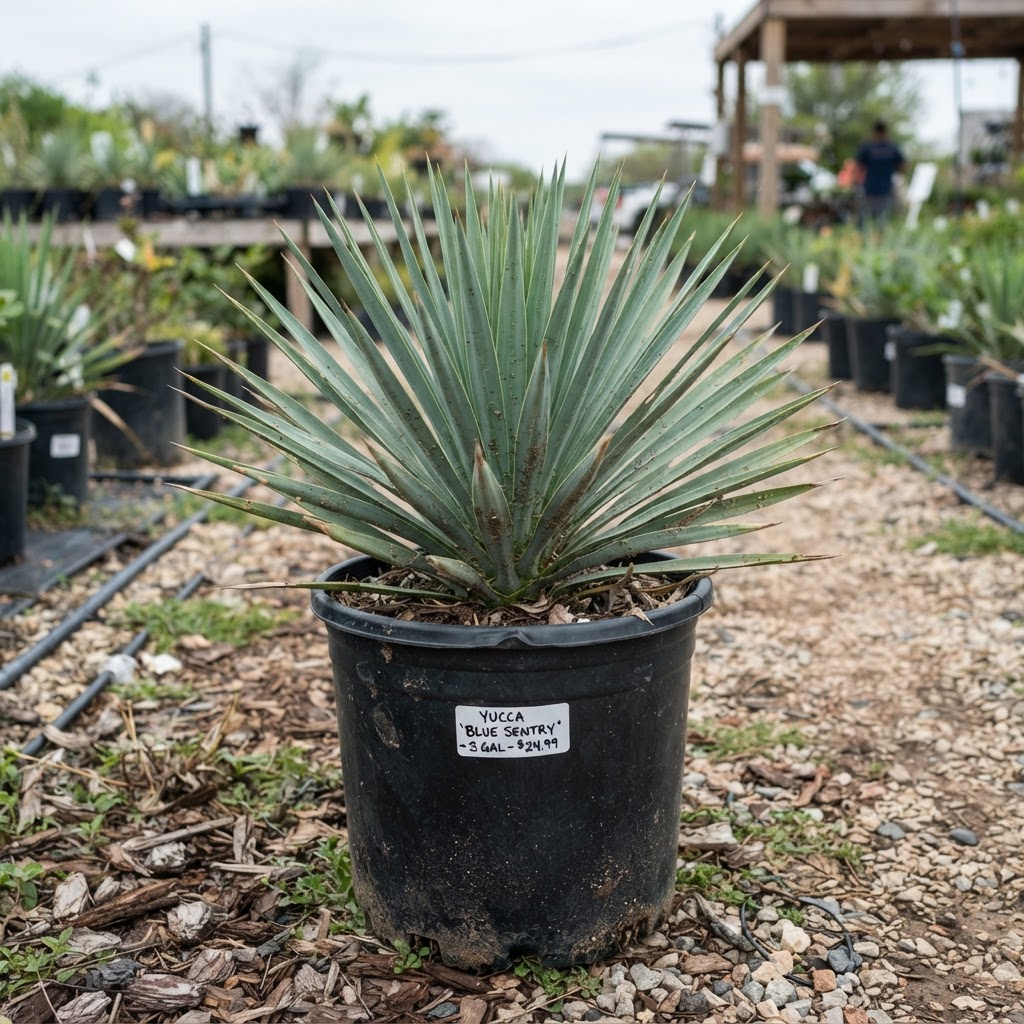
Yucca 'Blue Sentry'
$27.56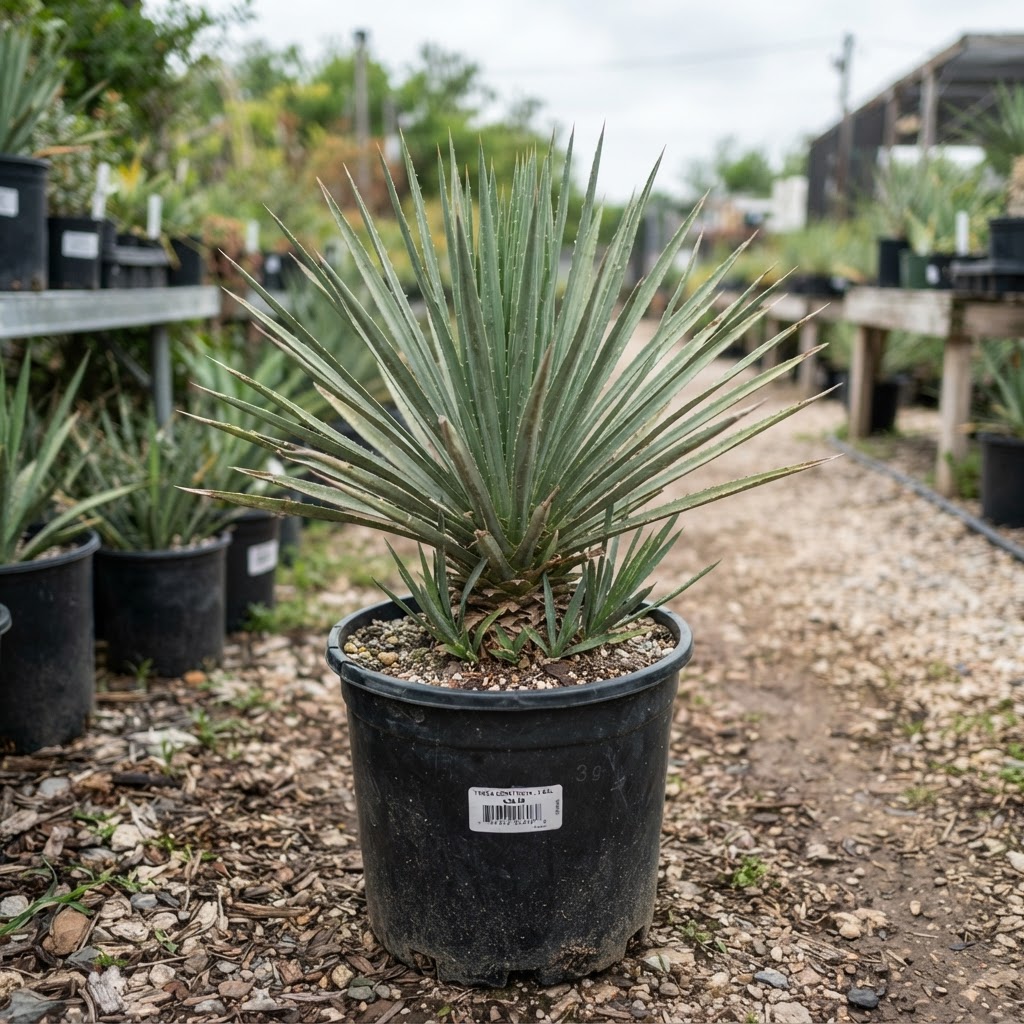
Yucca constricta
$25.77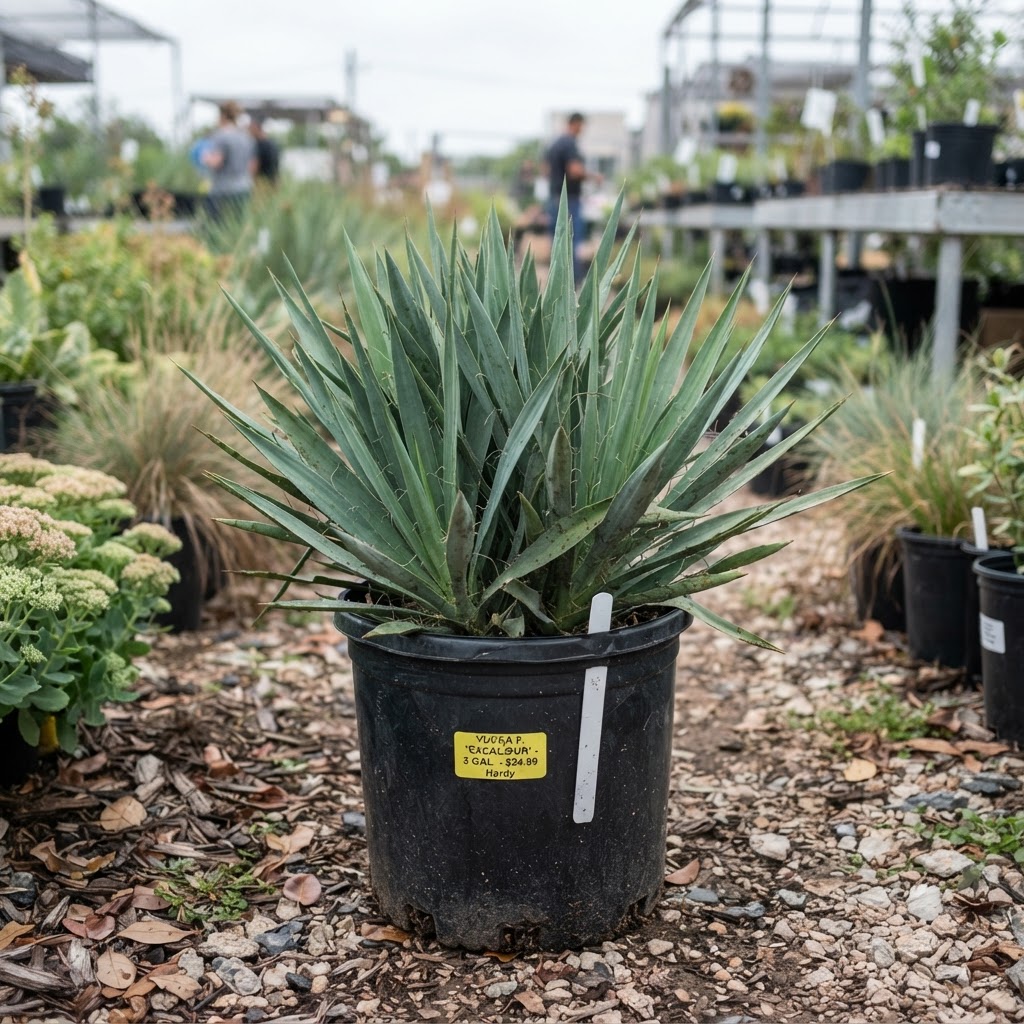
Yucca f. 'Excalibur' (4)
$27.56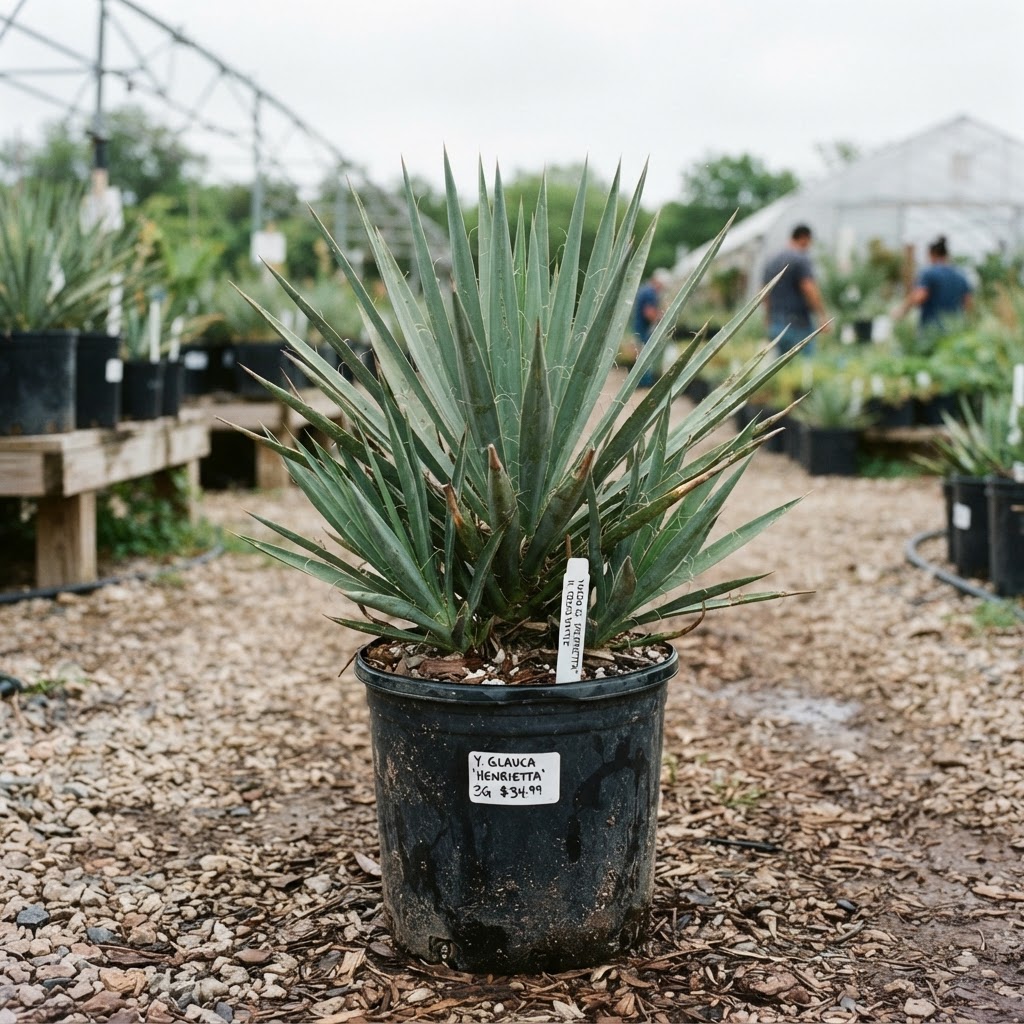
Yucca glauca 'Henrietta'
$25.77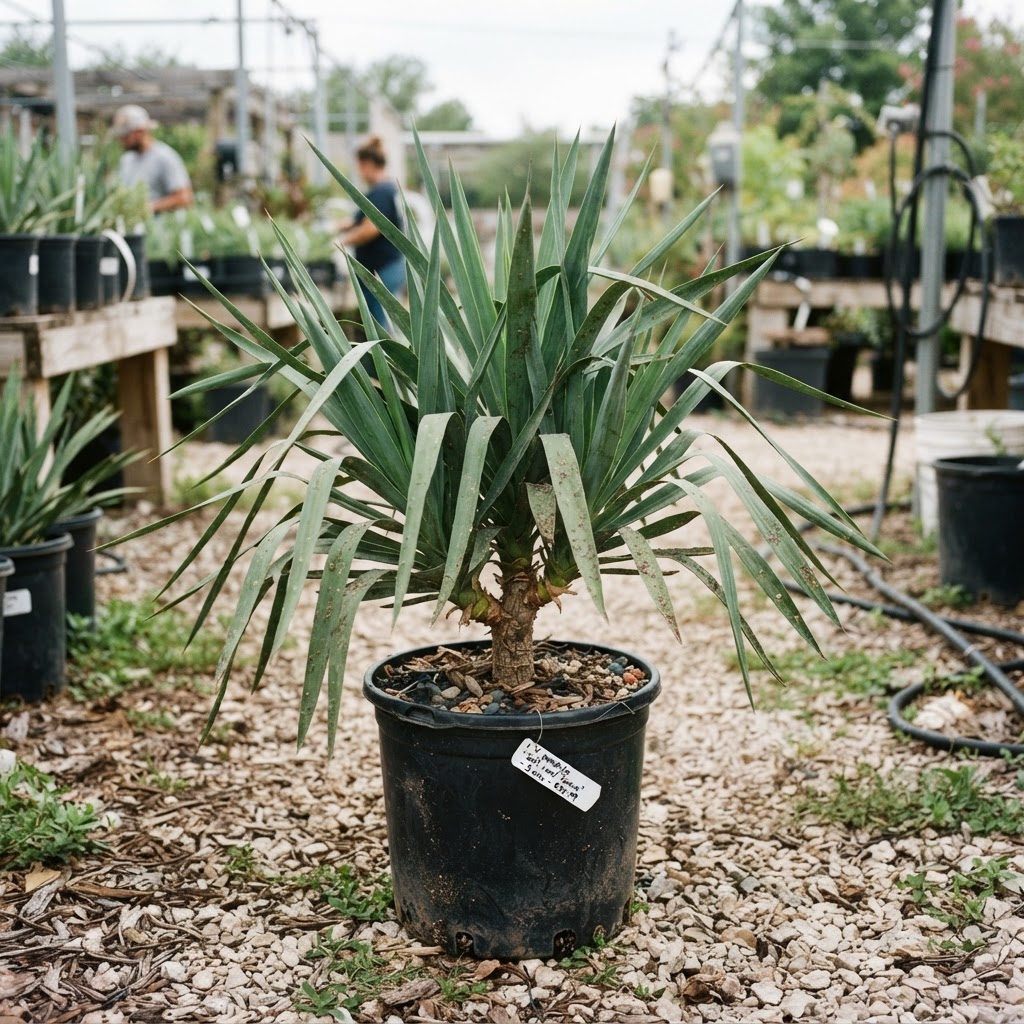
Yucca pendula "Soft Leaf Yucca"
$27.56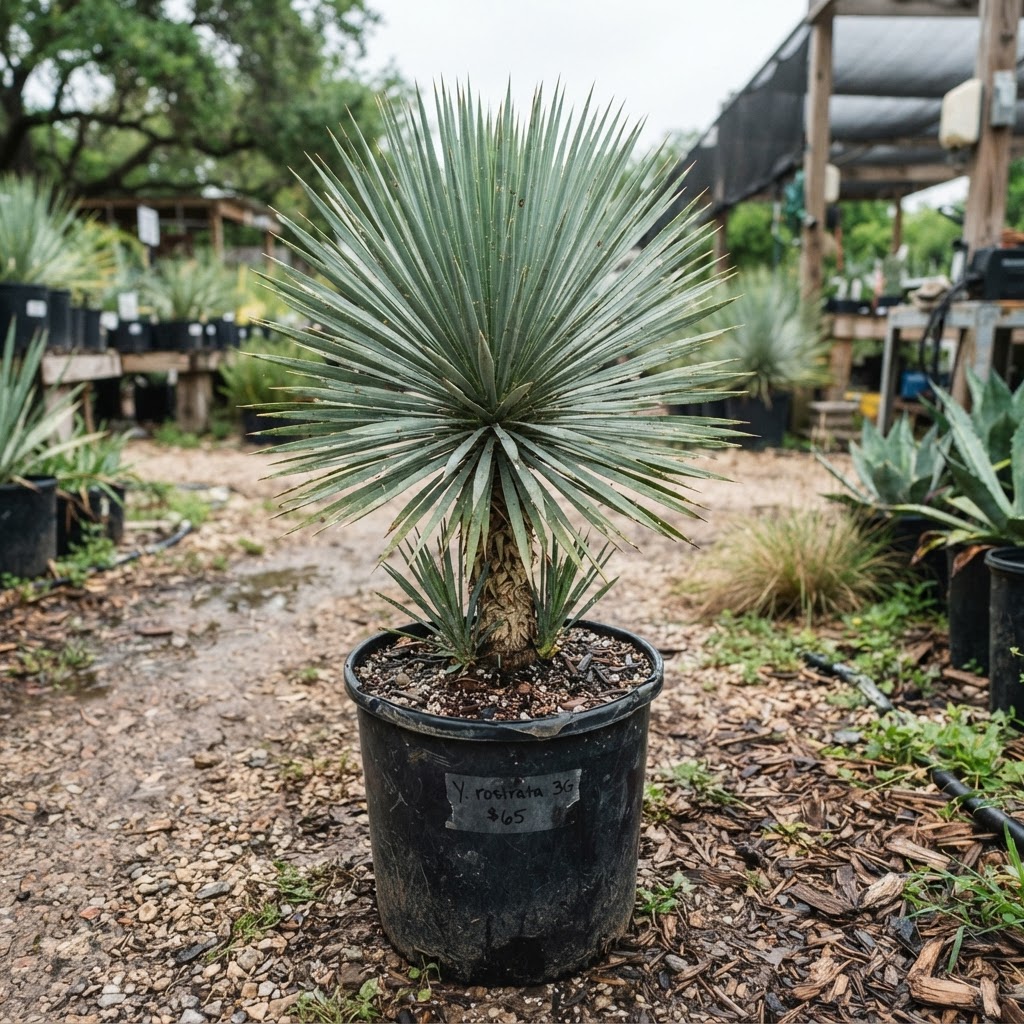
Yucca rostrata (7a)
$27.56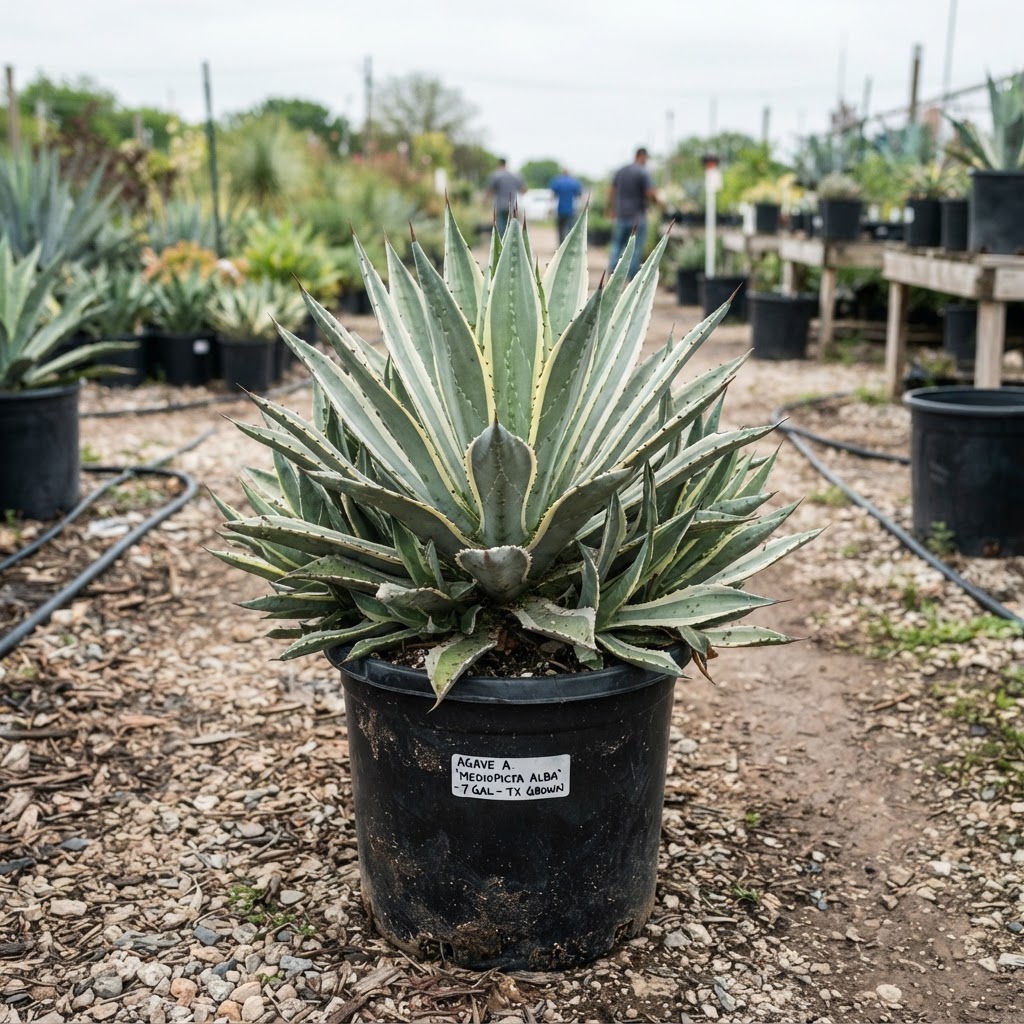
Agave a. 'Mediopicta Alba'
$90.63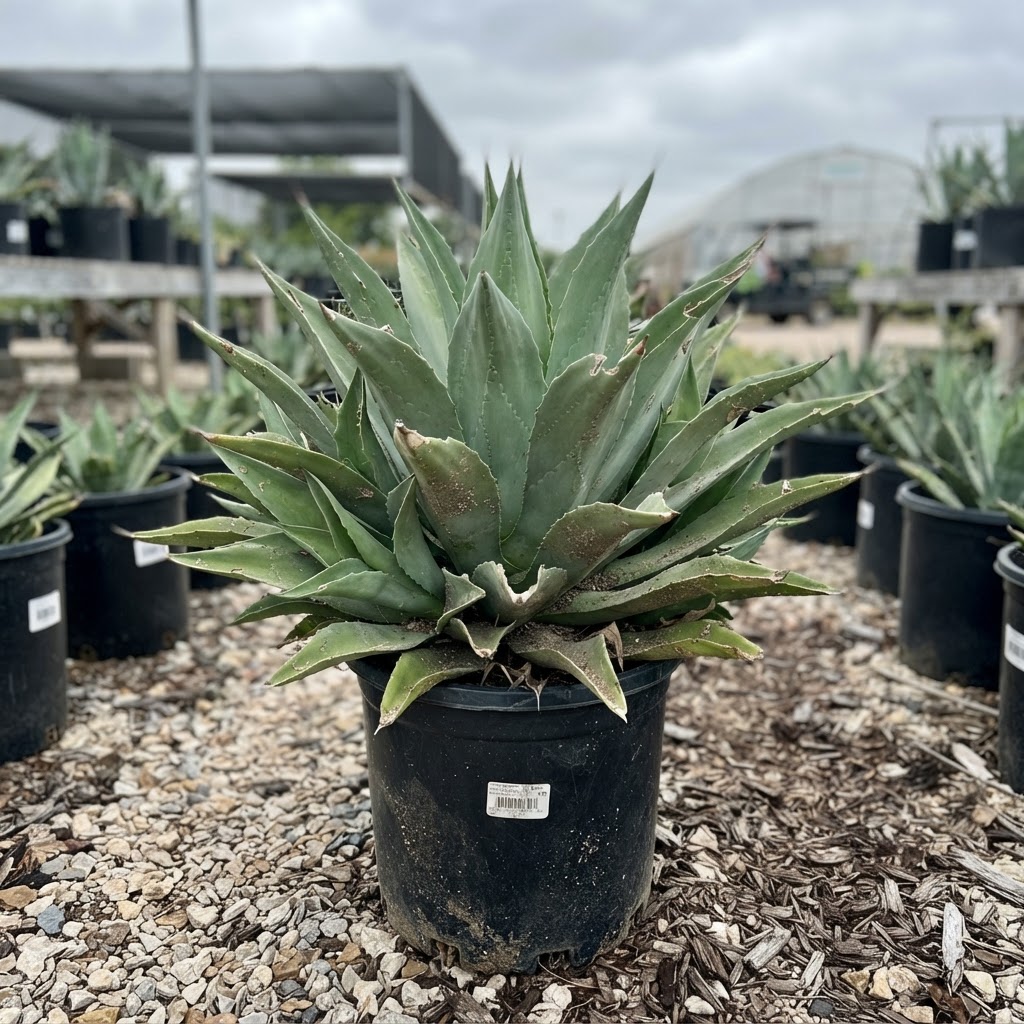
Agave americana subsp. protoamericana
$90.63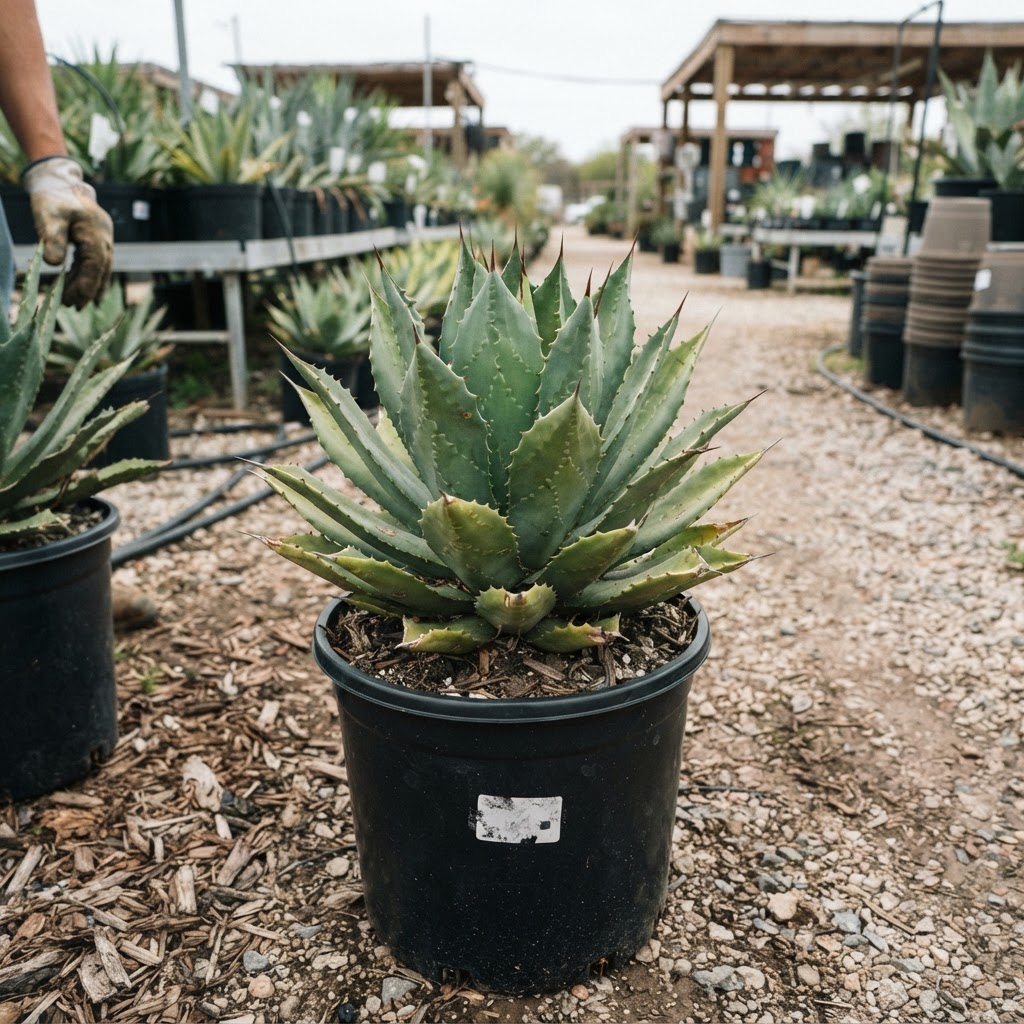
Agave chrysantha
$90.63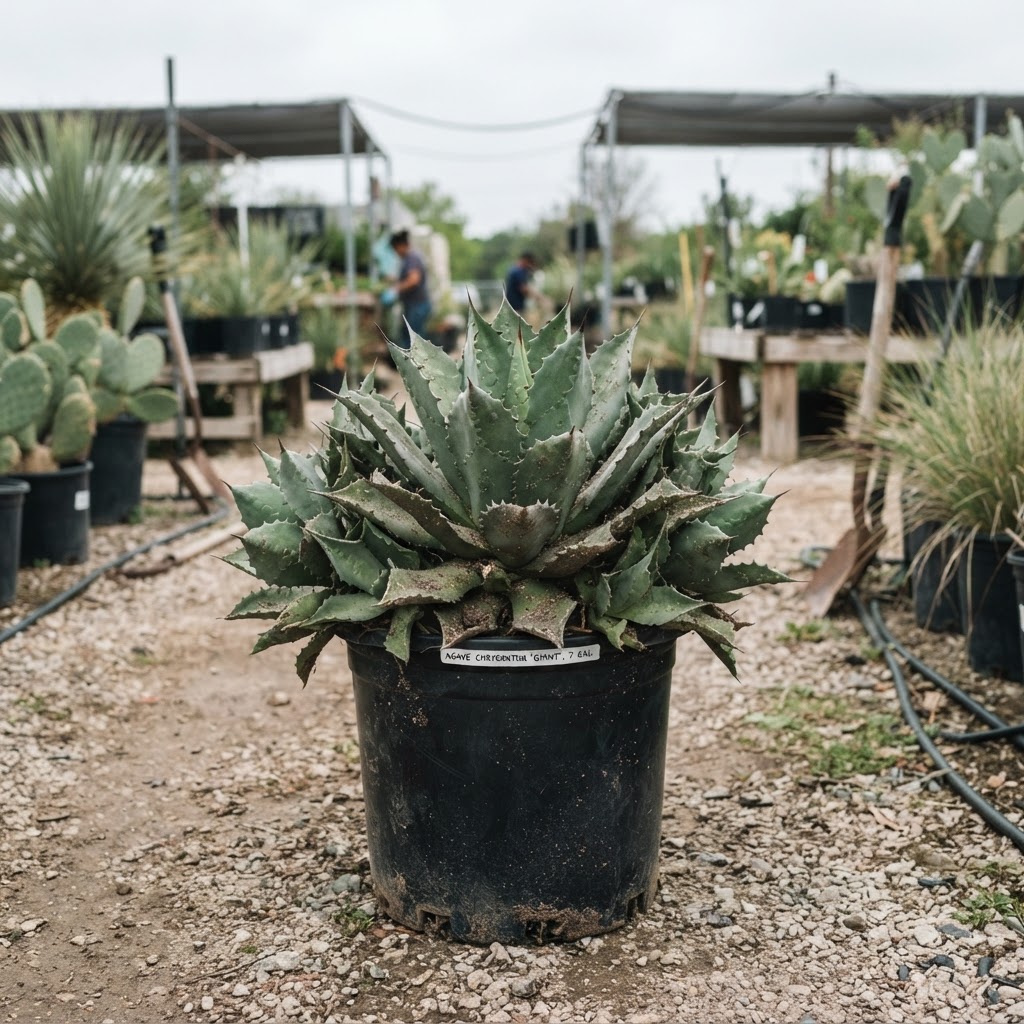
Agave chrysantha 'Giant'
$90.63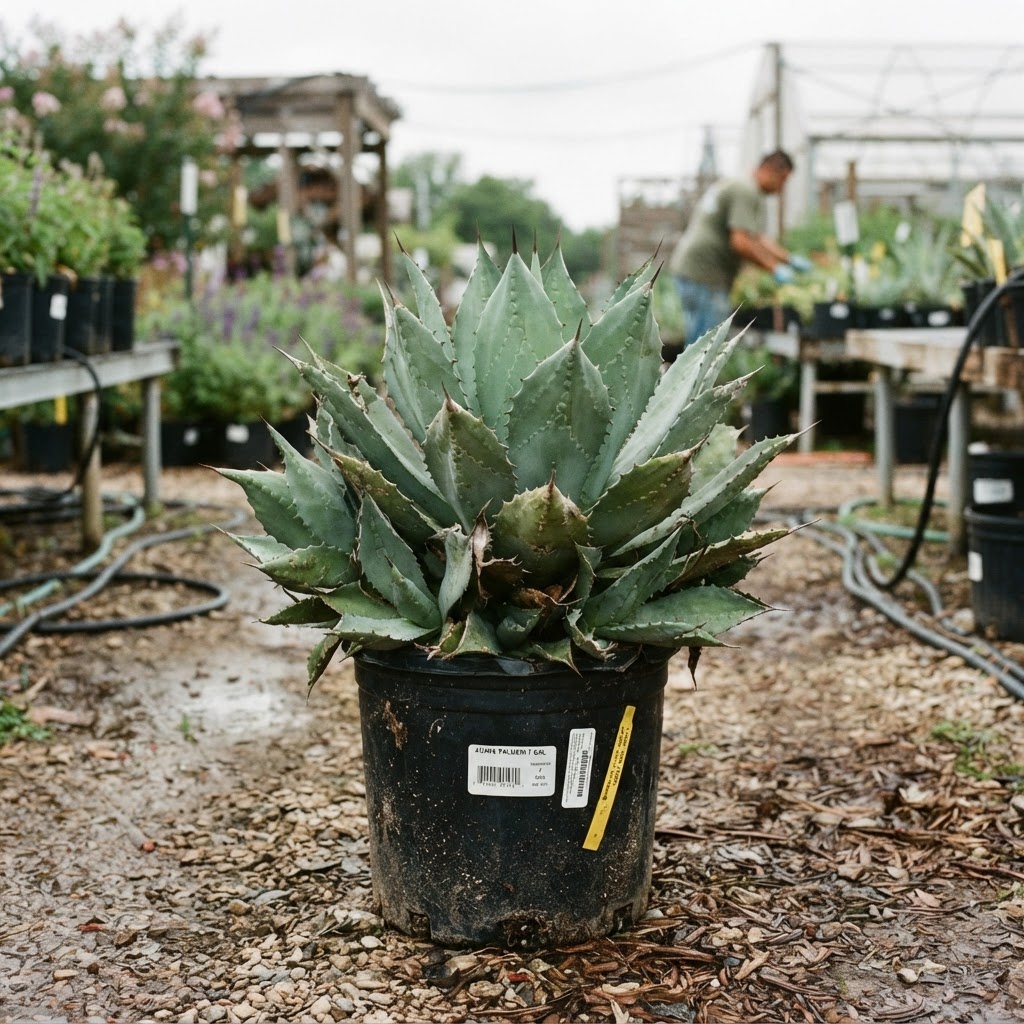
Agave palmeri (8a)
$90.63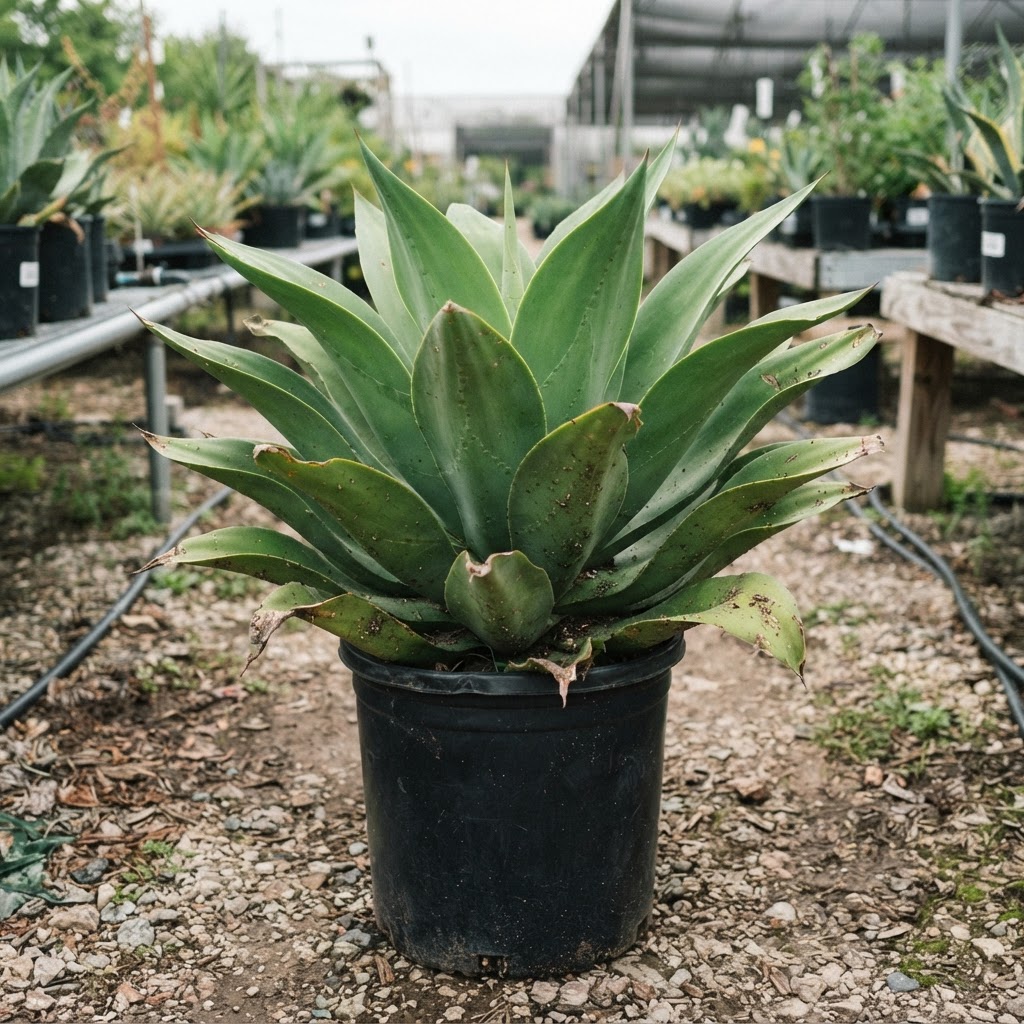
Agave salmiana 'Green Giant' (8a)
$81.56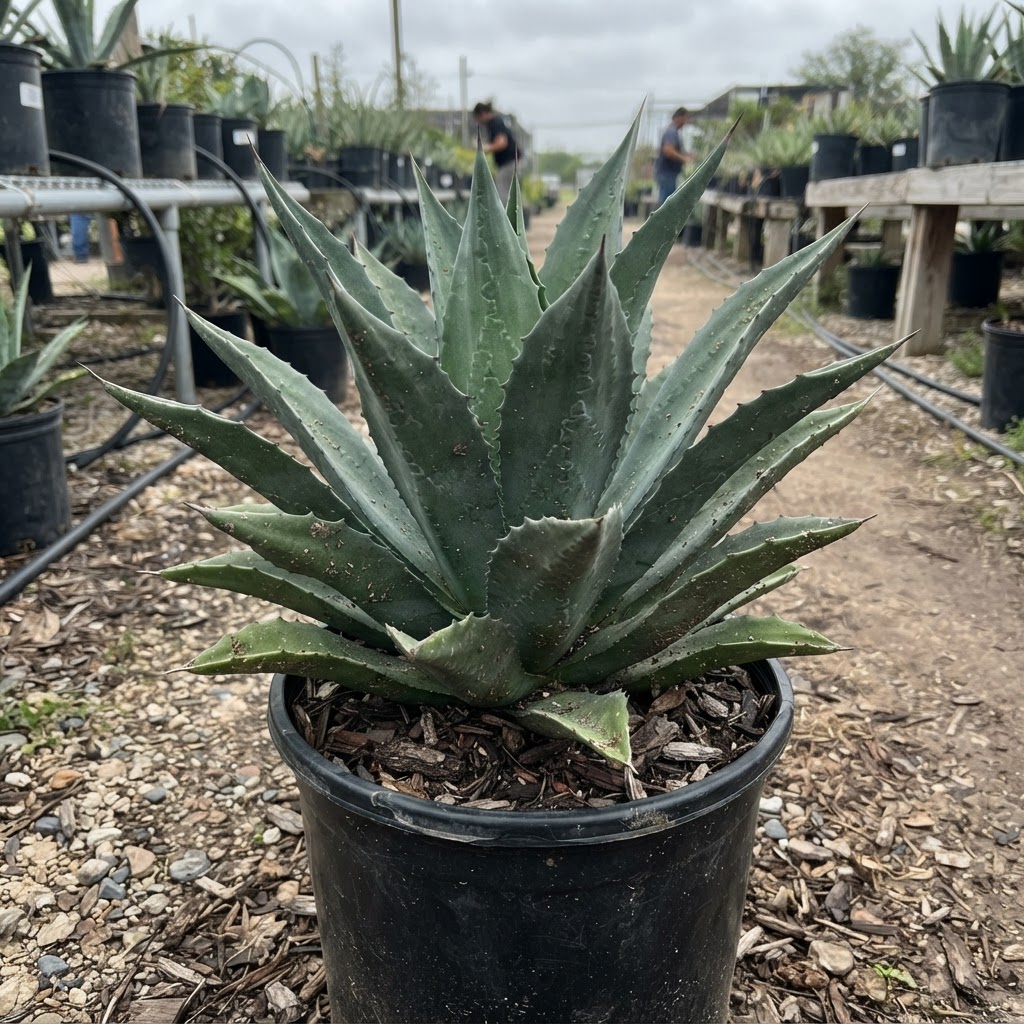
Agave scabra (8a)
$90.63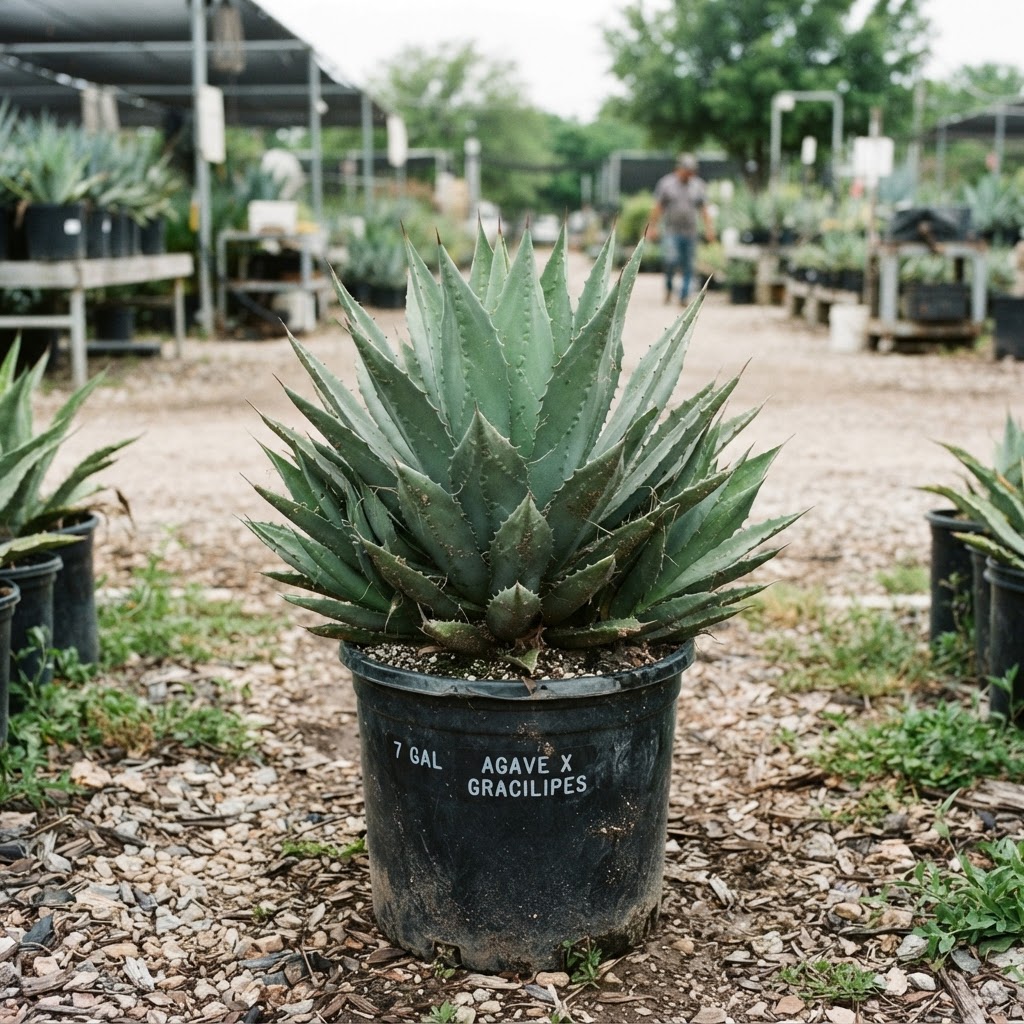
Agave x. gracilipes
$90.63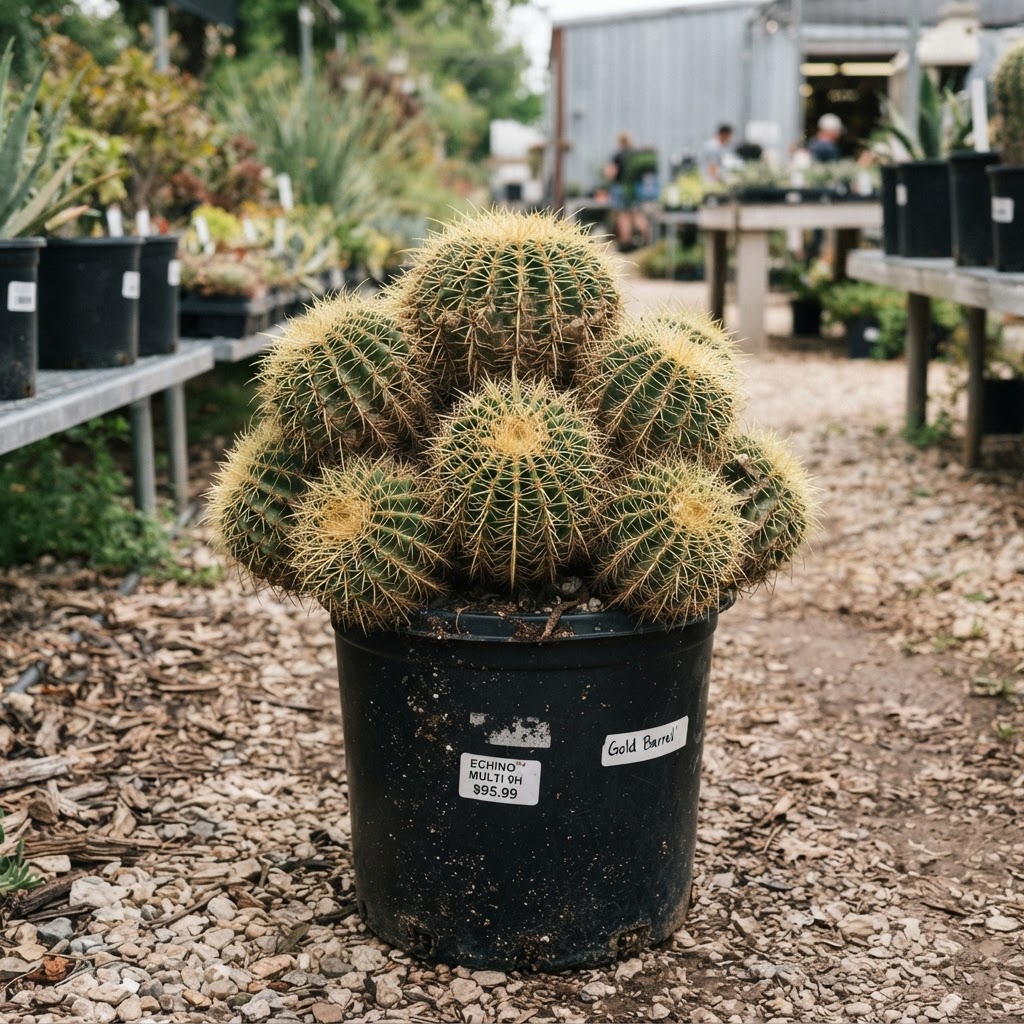
Echinocactus g. 'Gld Barrel' (9) Multi Head
$100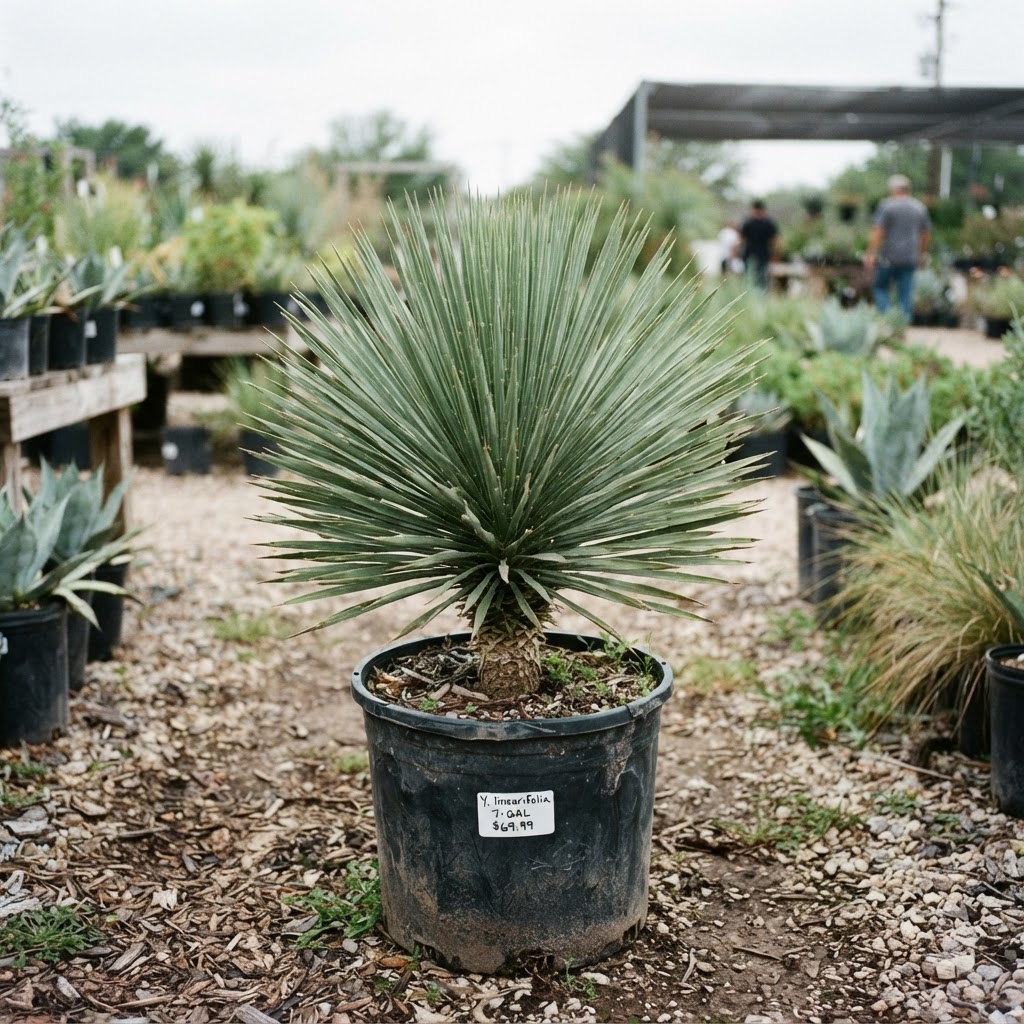
Yucca linearifolia (7)
$90.63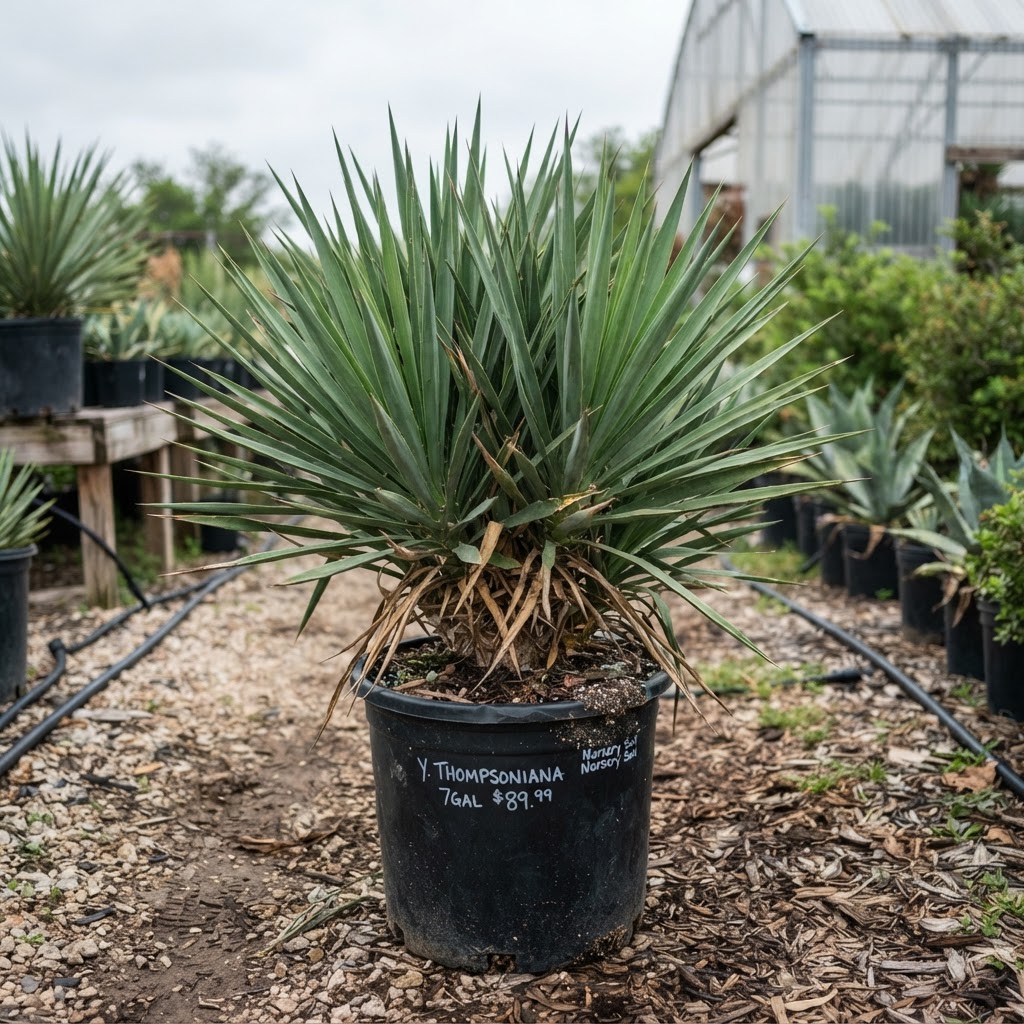
Yucca thompsoniana
$90.63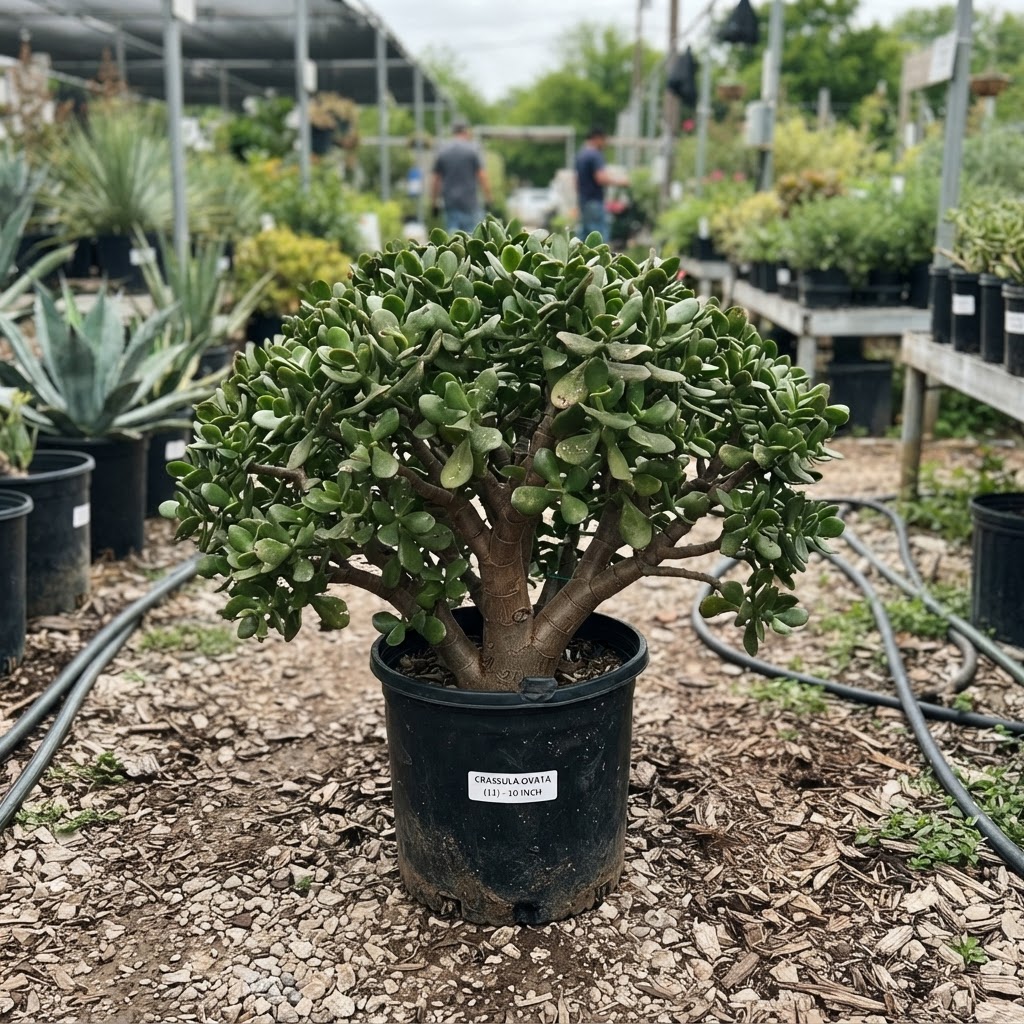
Crassula ovata (11)
$27.56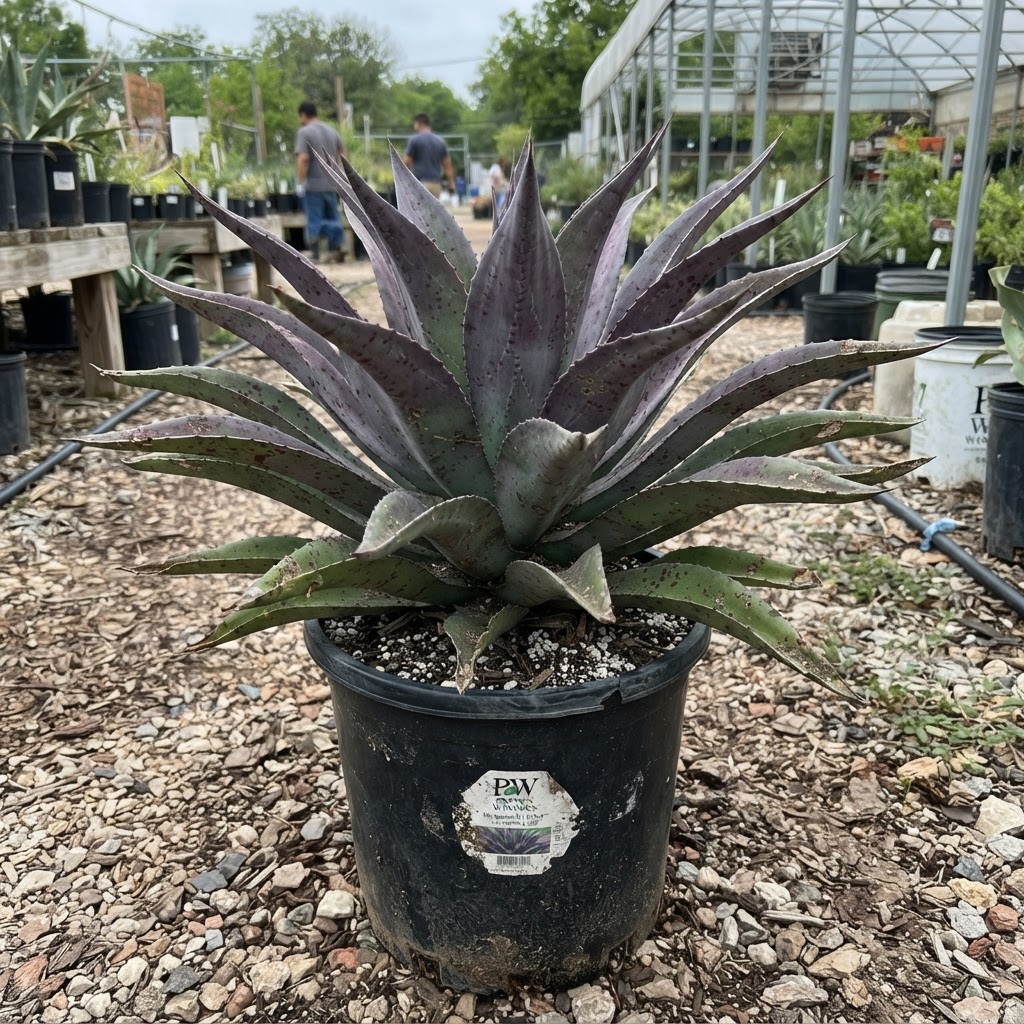
Mangave Art & Sol™ 'Lavender Lady' PW
$24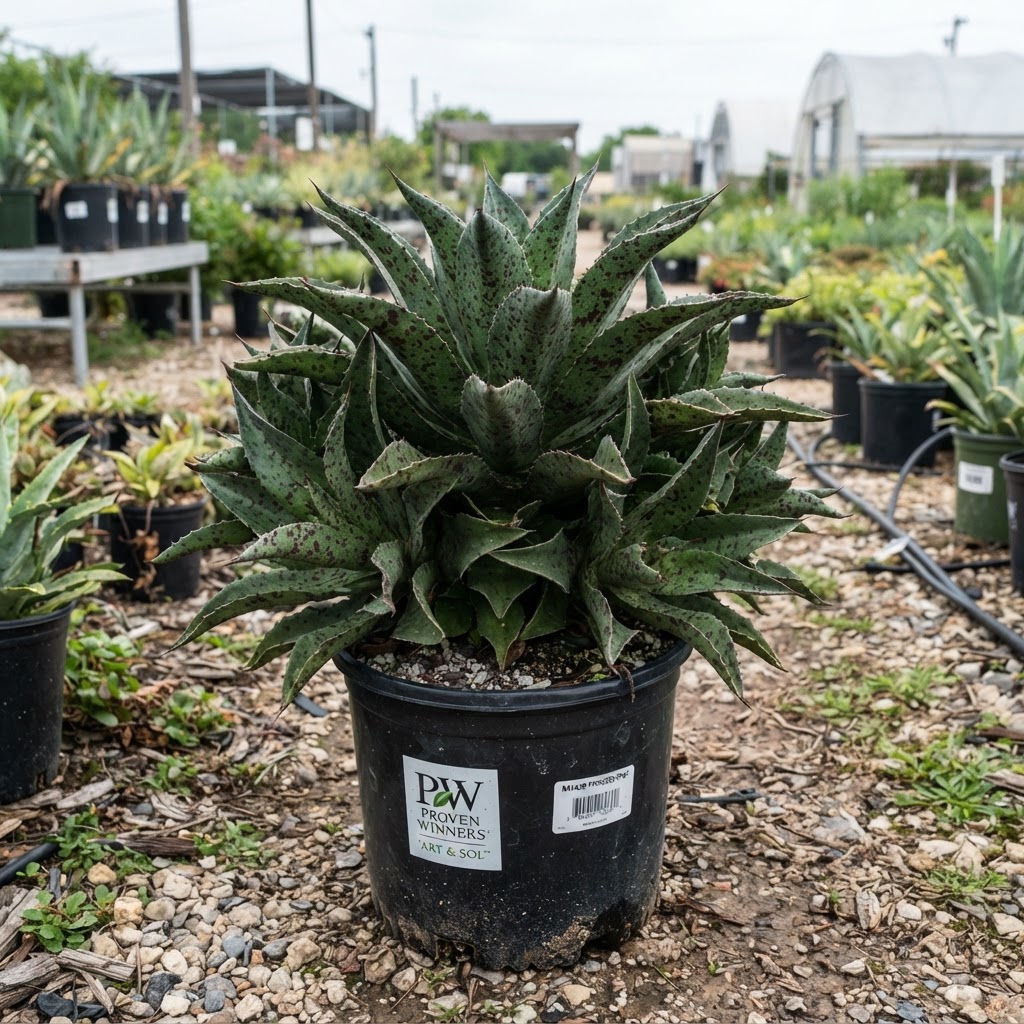
Mangave Art & Sol™ 'Navajo Princess' PW
$24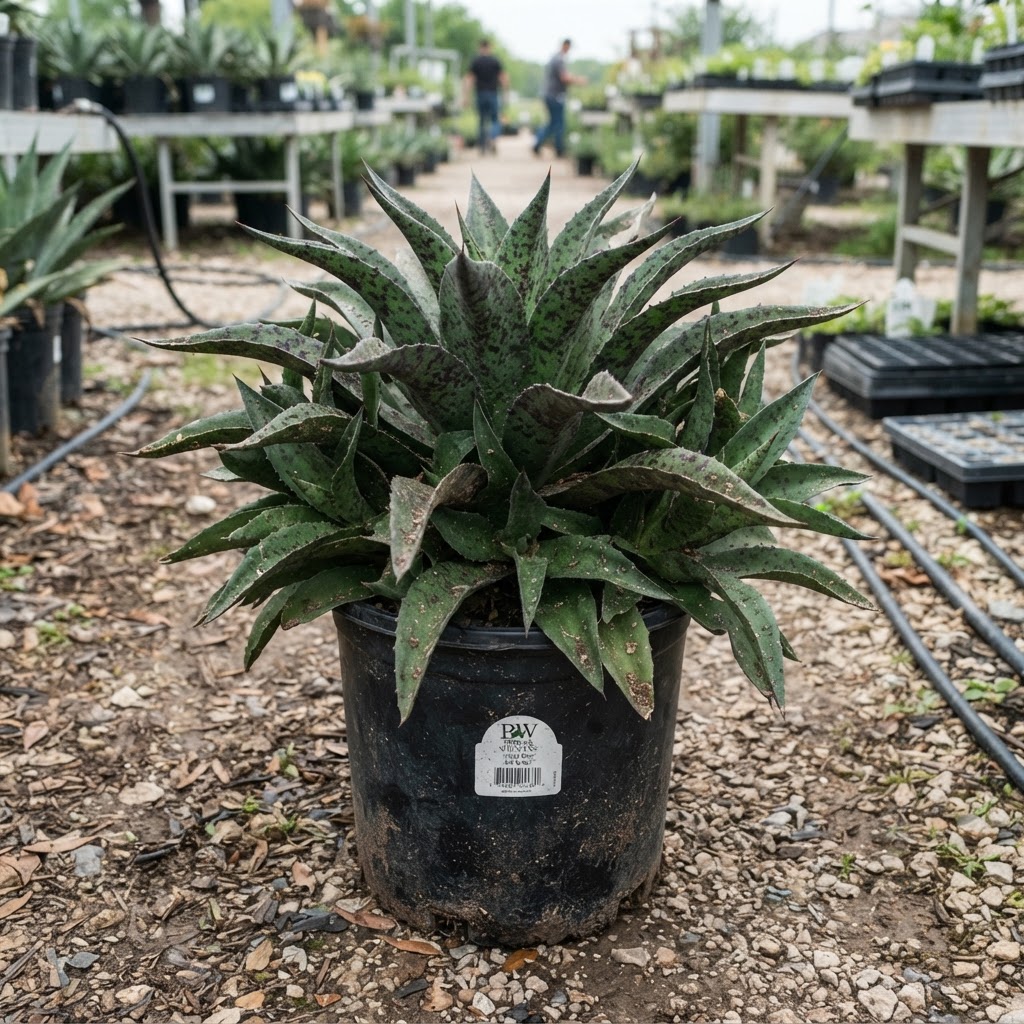
Mangave Art & Sol™ 'Night Owl' PW
$24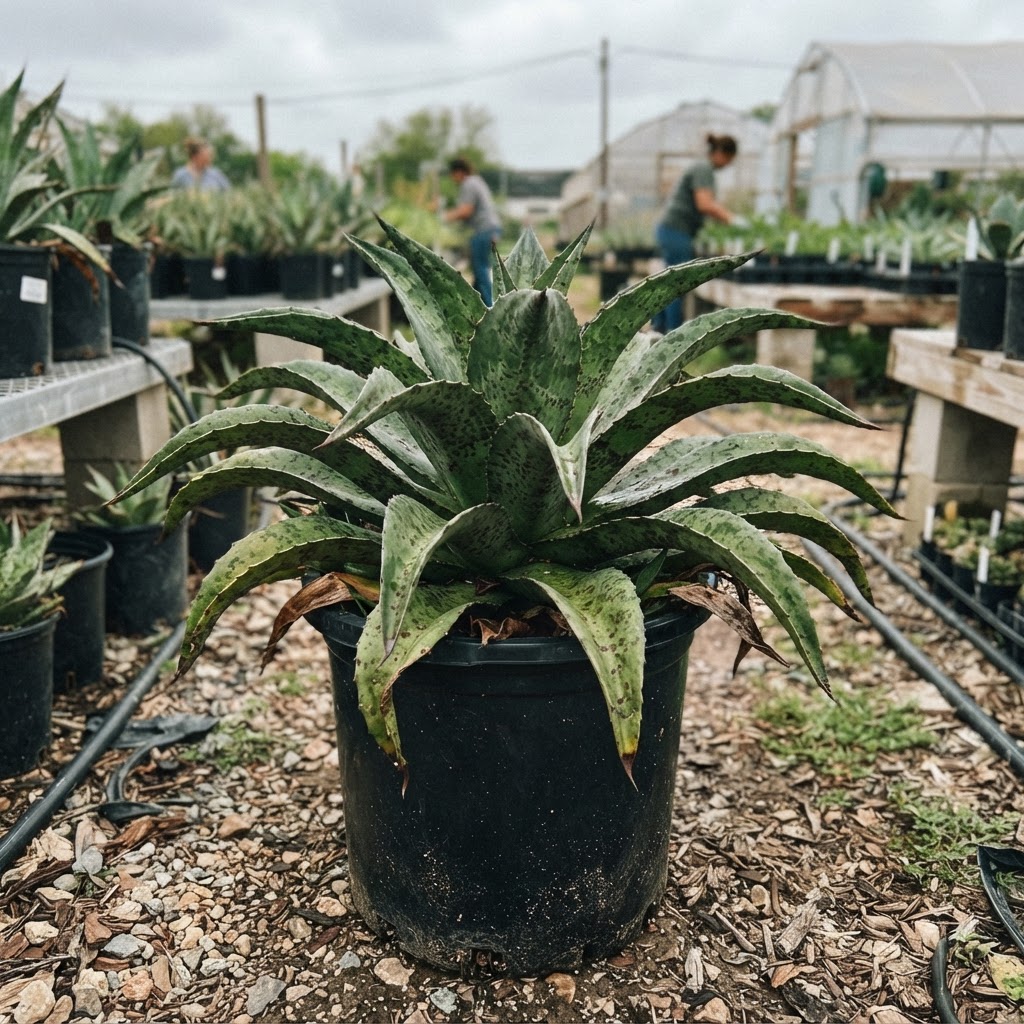
Mangave Mad About Mangave® 'Aztec King' (9)
$24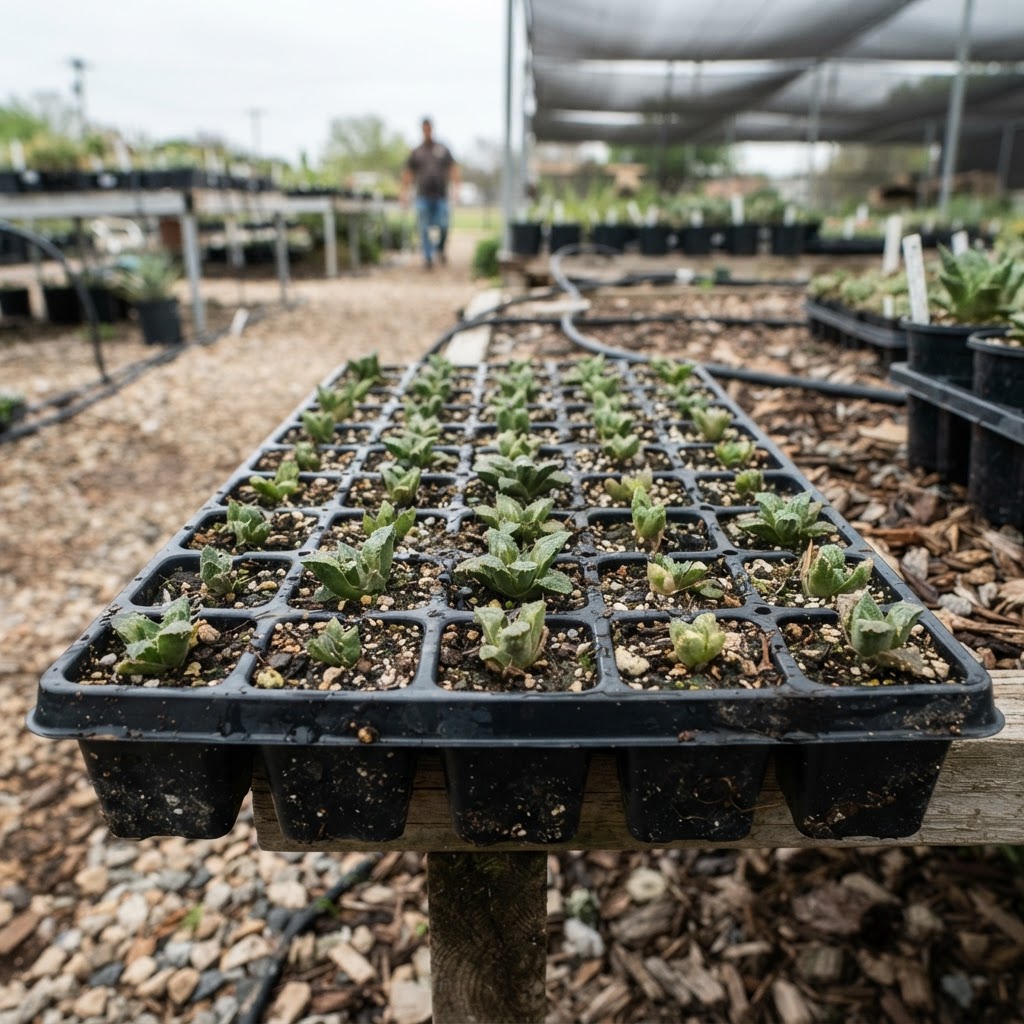
Haworthia 'Savanna'
$39.33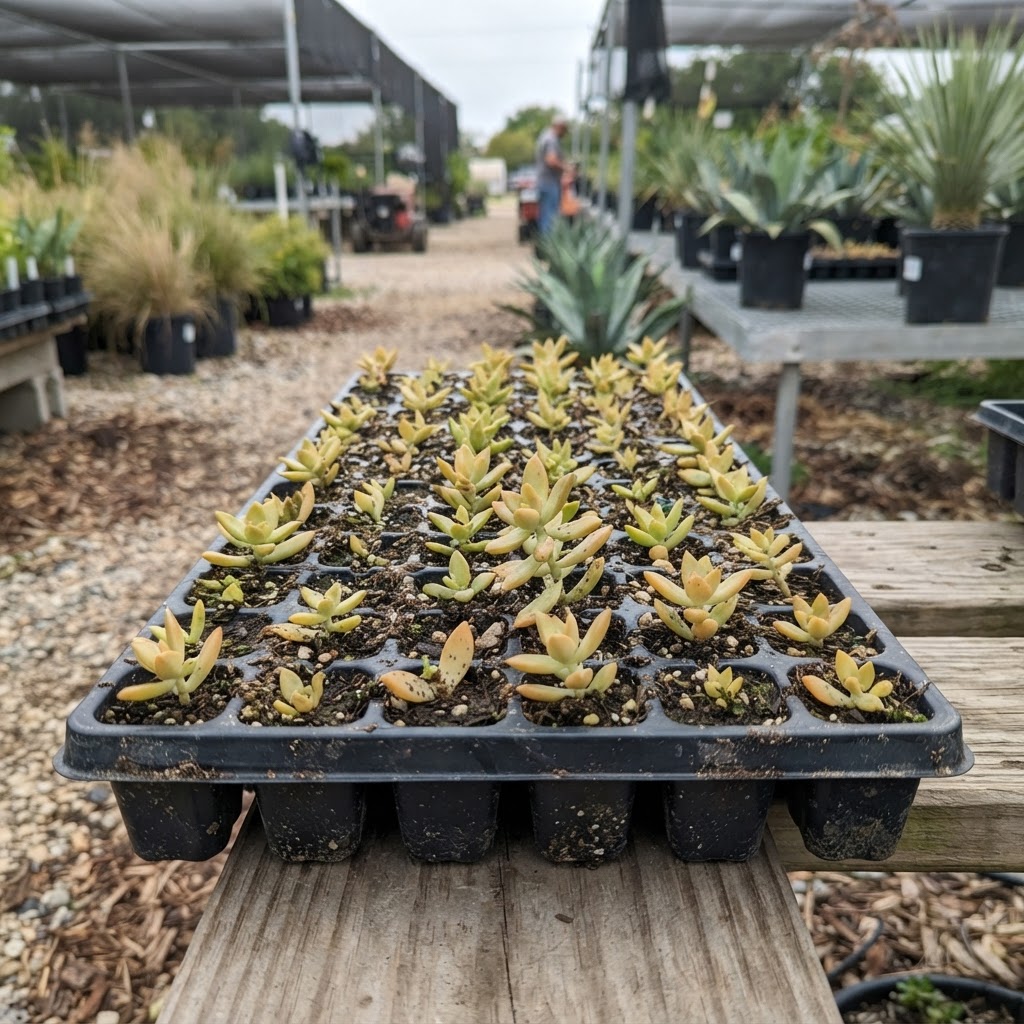
Sedum nussbaumerianum (9b)
$39.33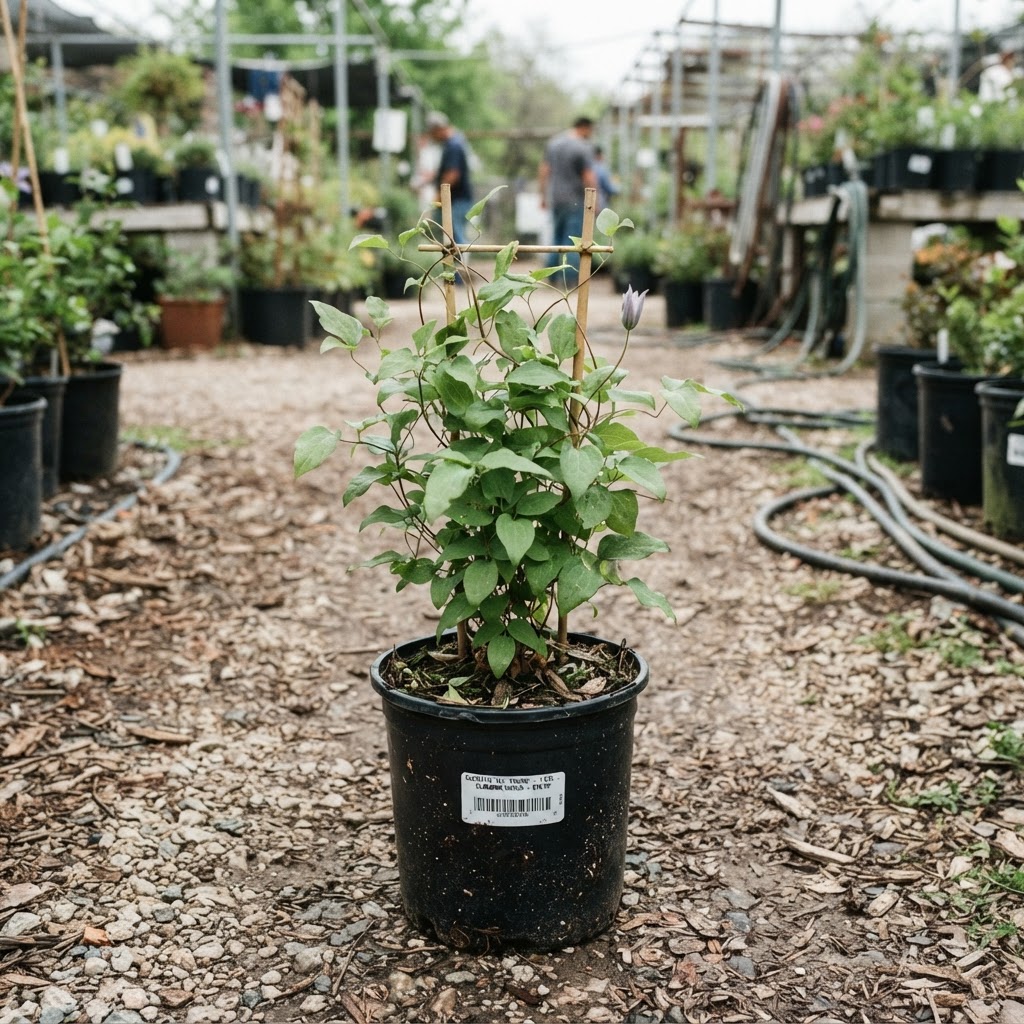
Clematis 'HF Young'
$16.96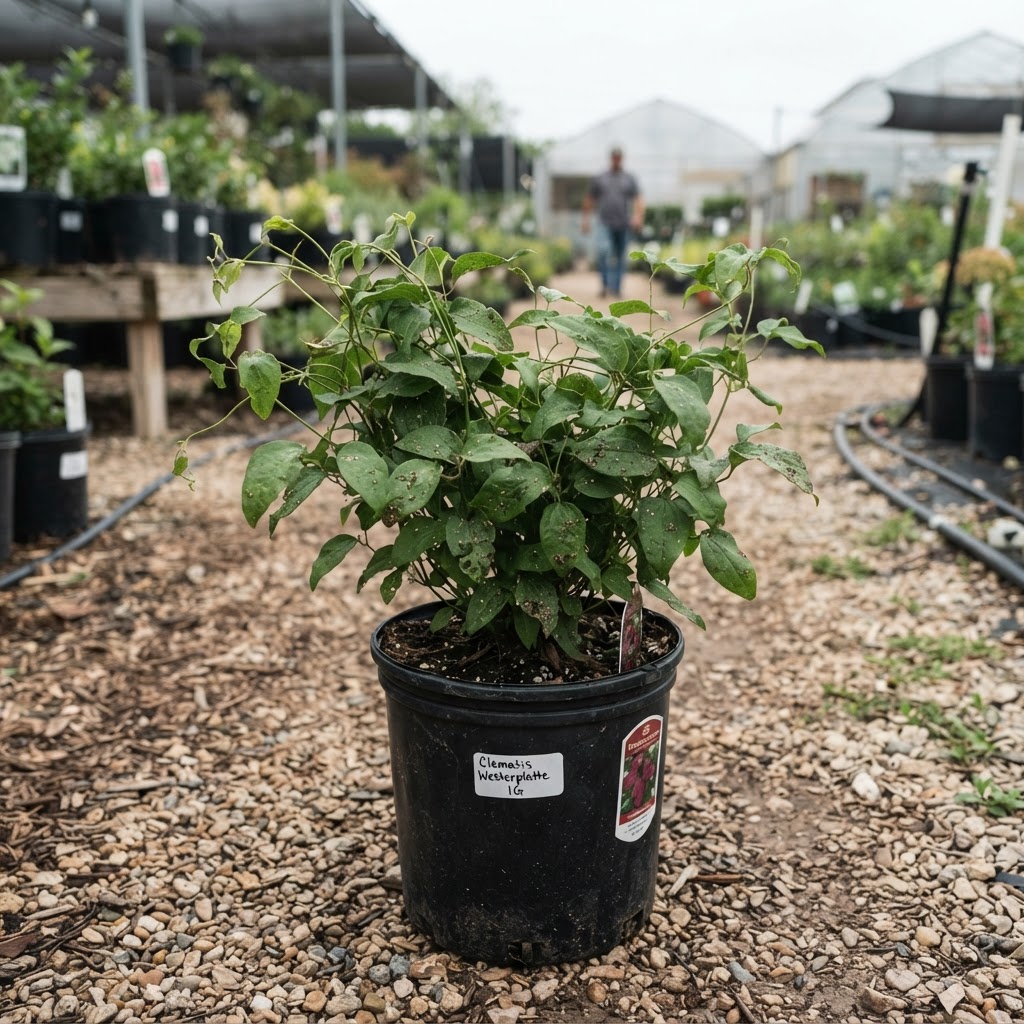
Clematis 'Westerplatte'
$16.96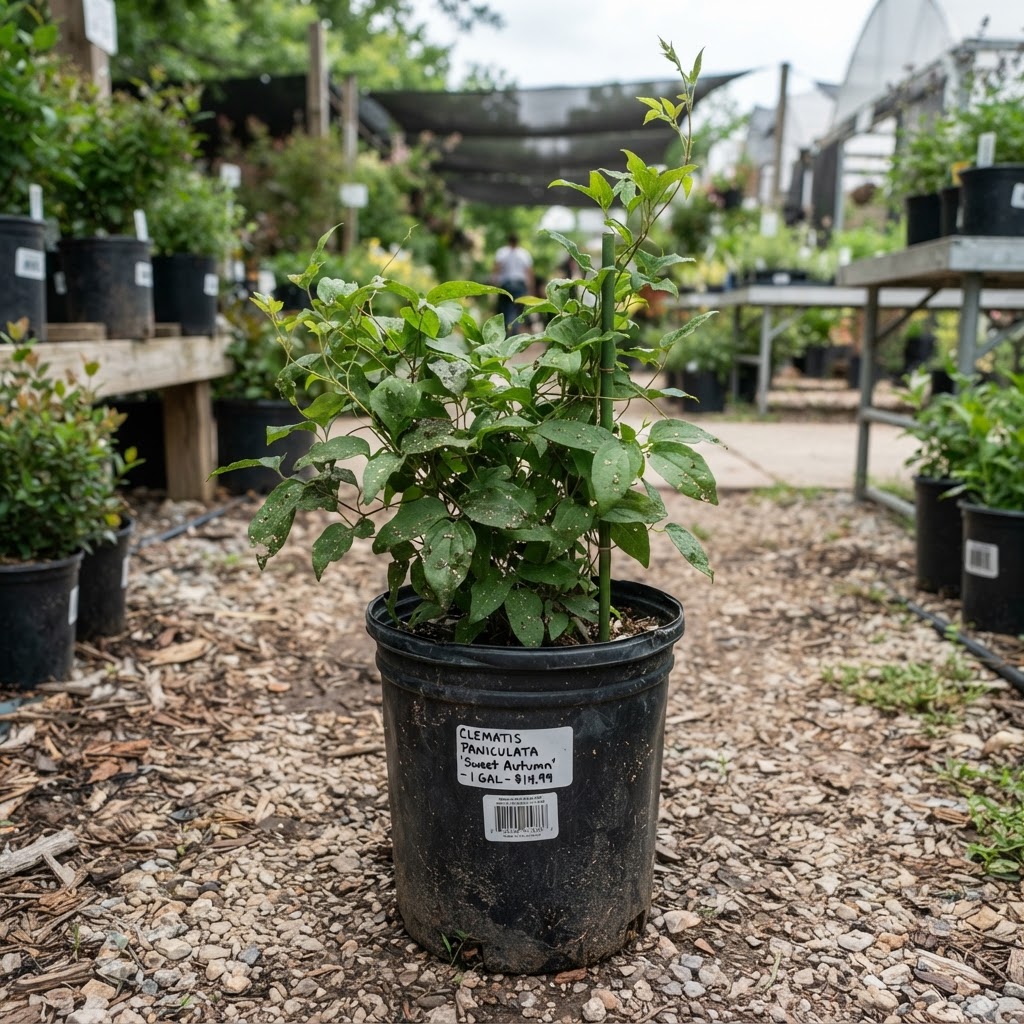
Clematis paniculata 'Sweet Autumn'
$16.96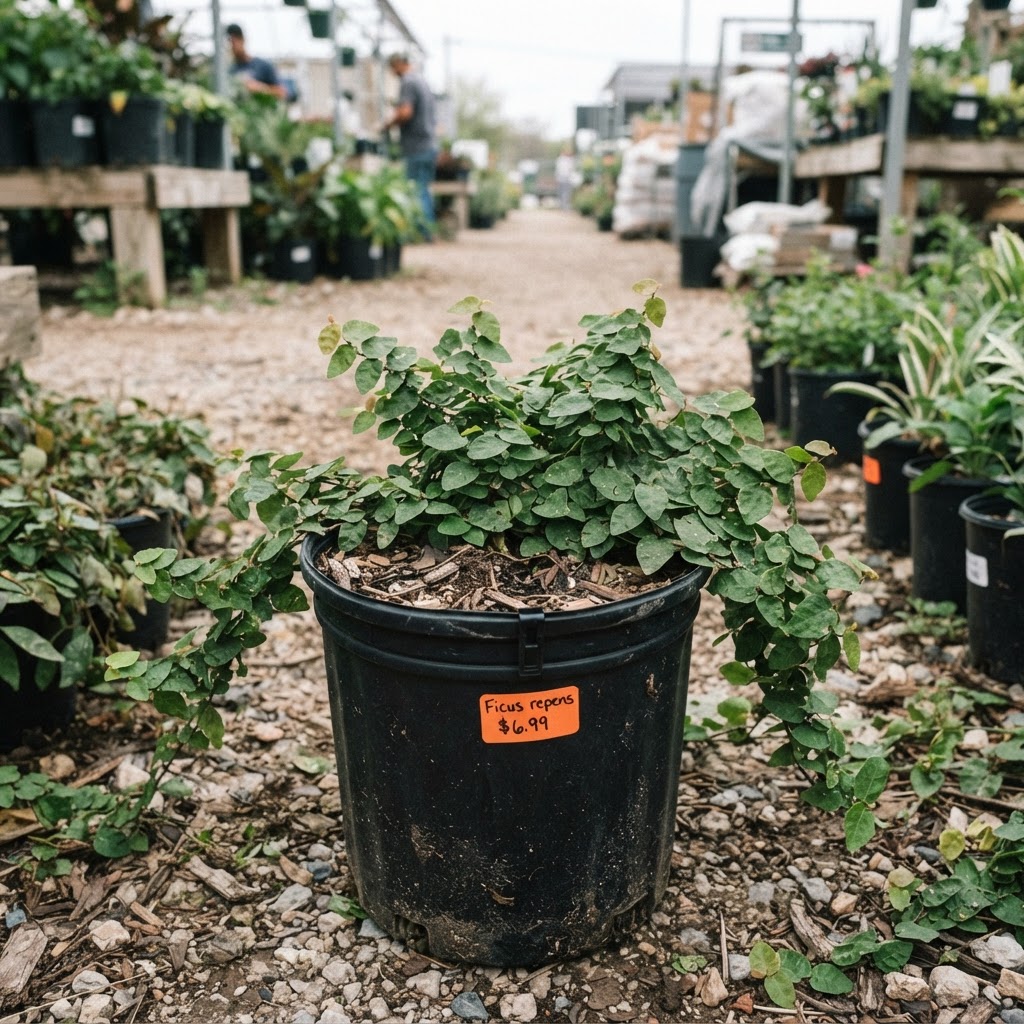
Ficus repens
$12.51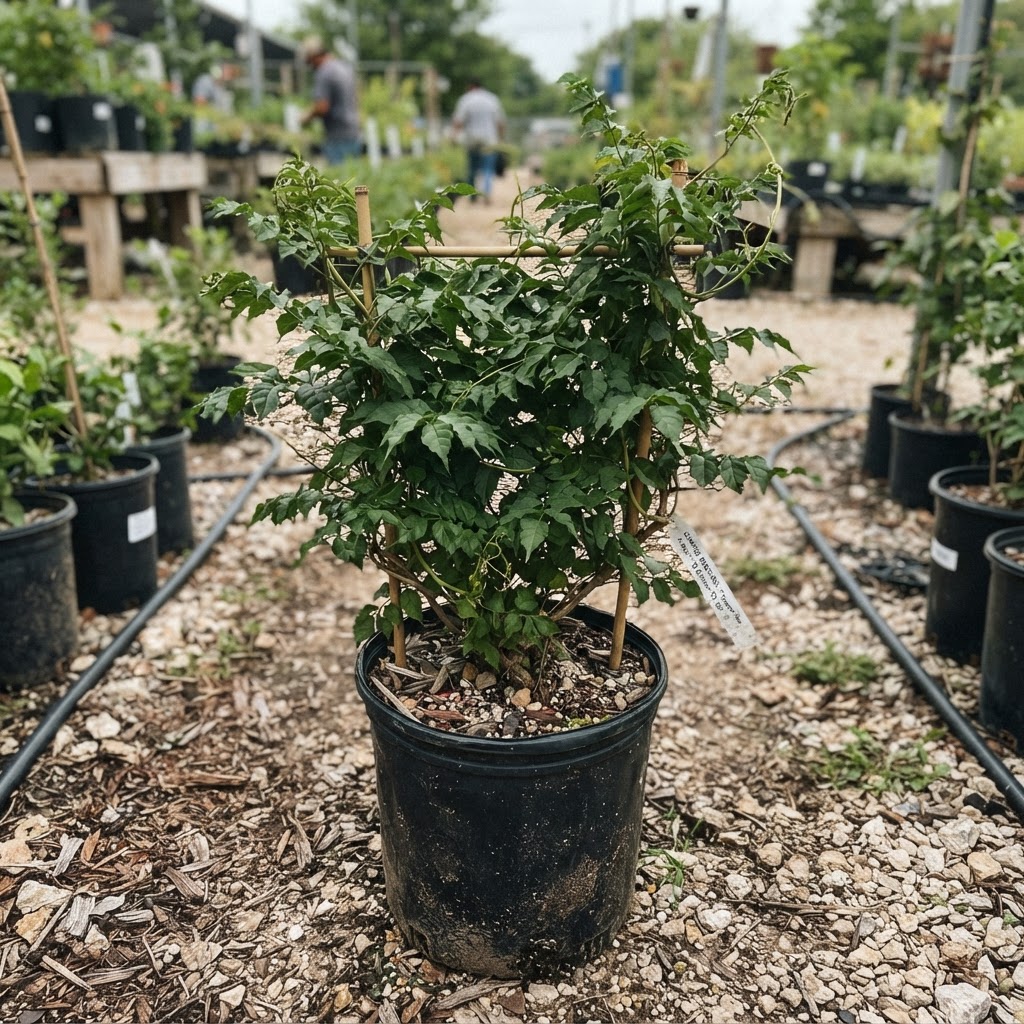
Campsis radicans
$29.33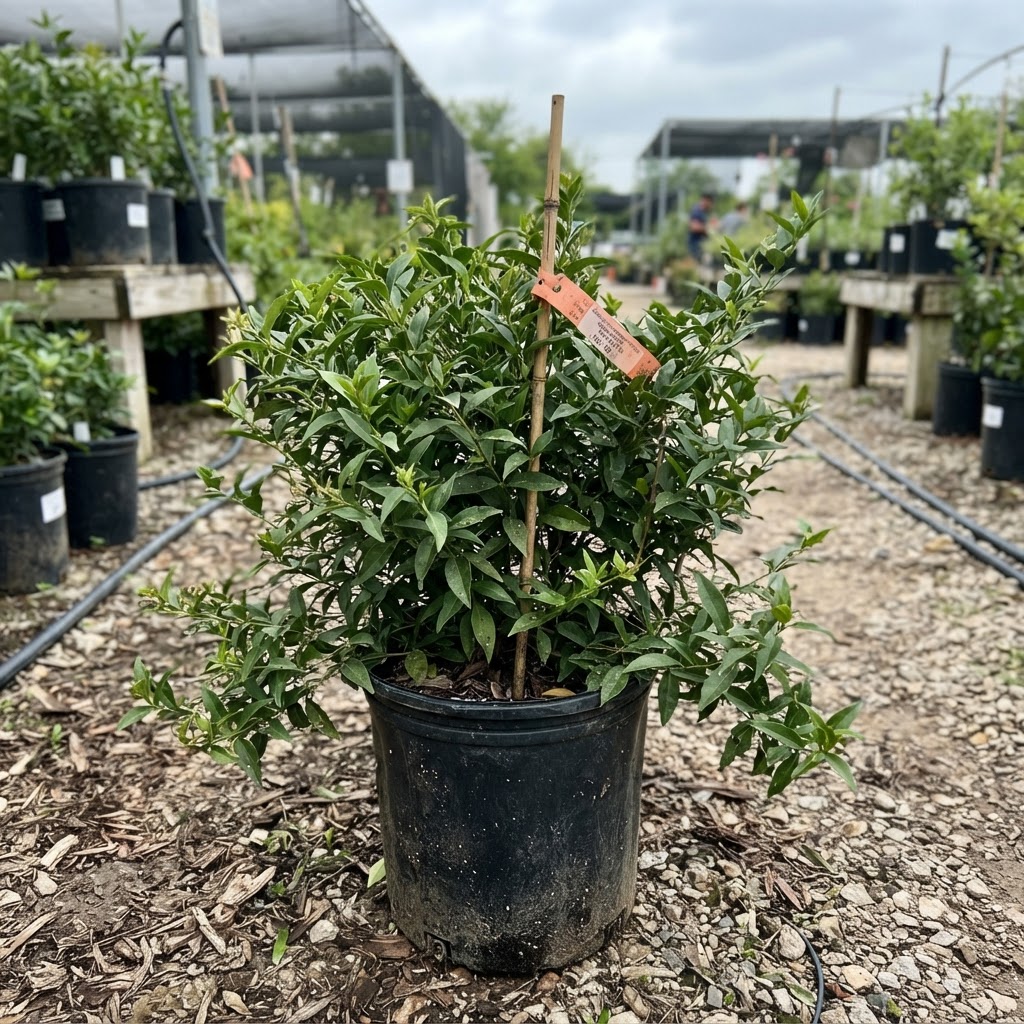
Gelsemium sempervirens 'Margarita'
$29.33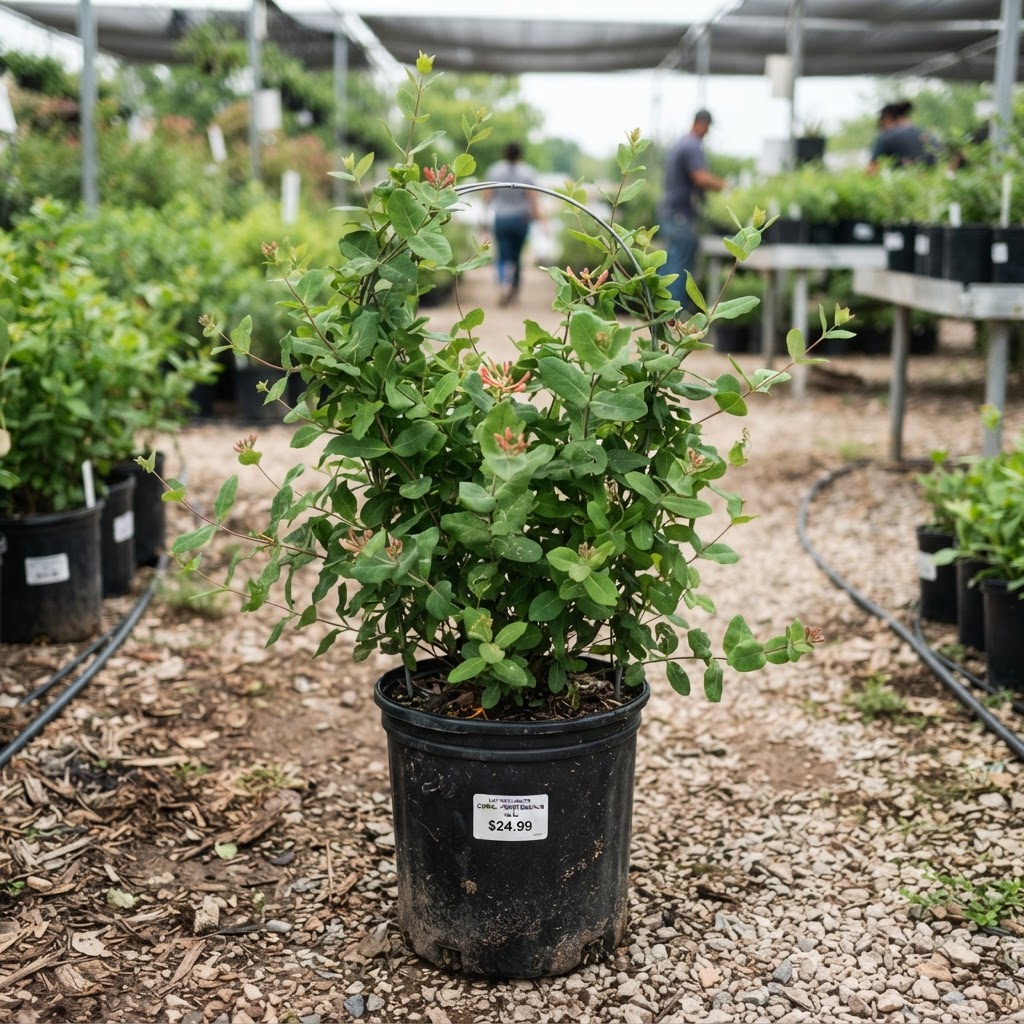
Lonicera sempervirens "Coral Honeysuckle"
$27.56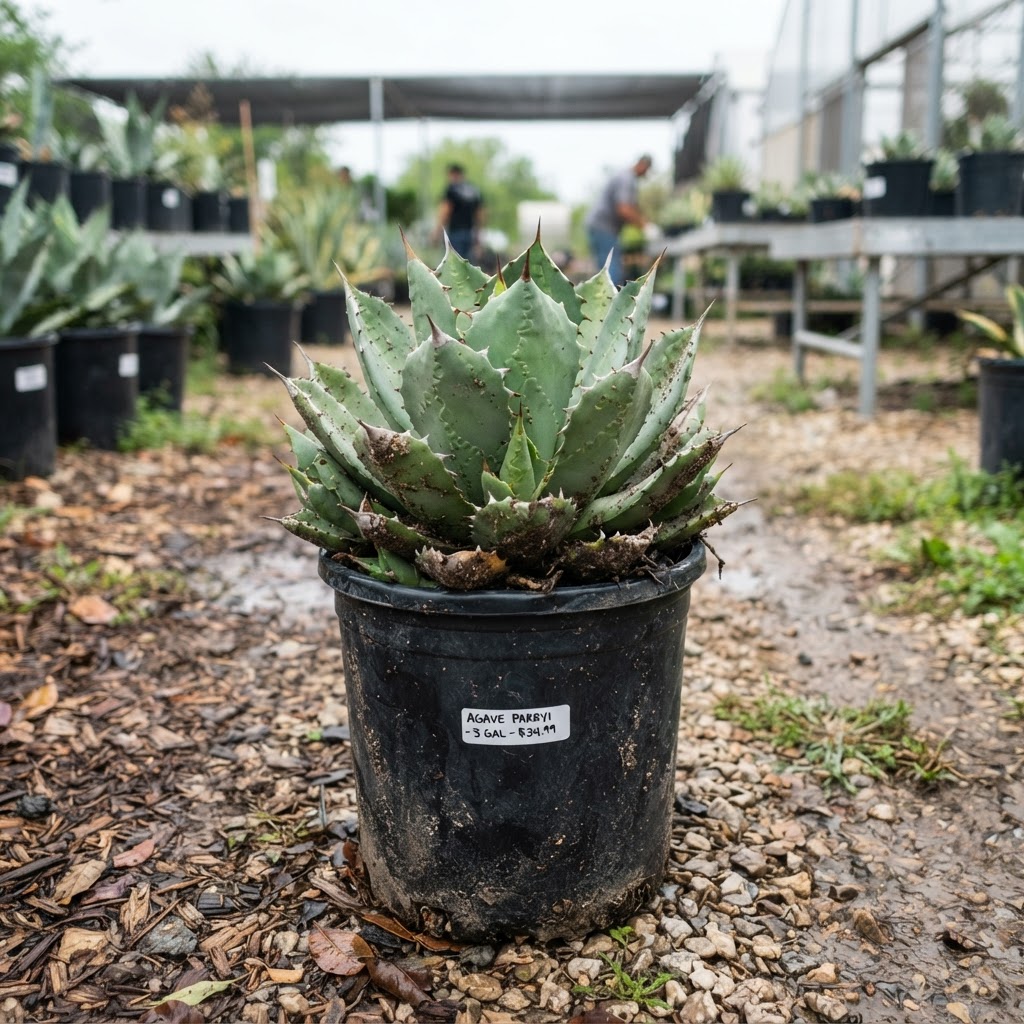
Agave parryi (7b)
$32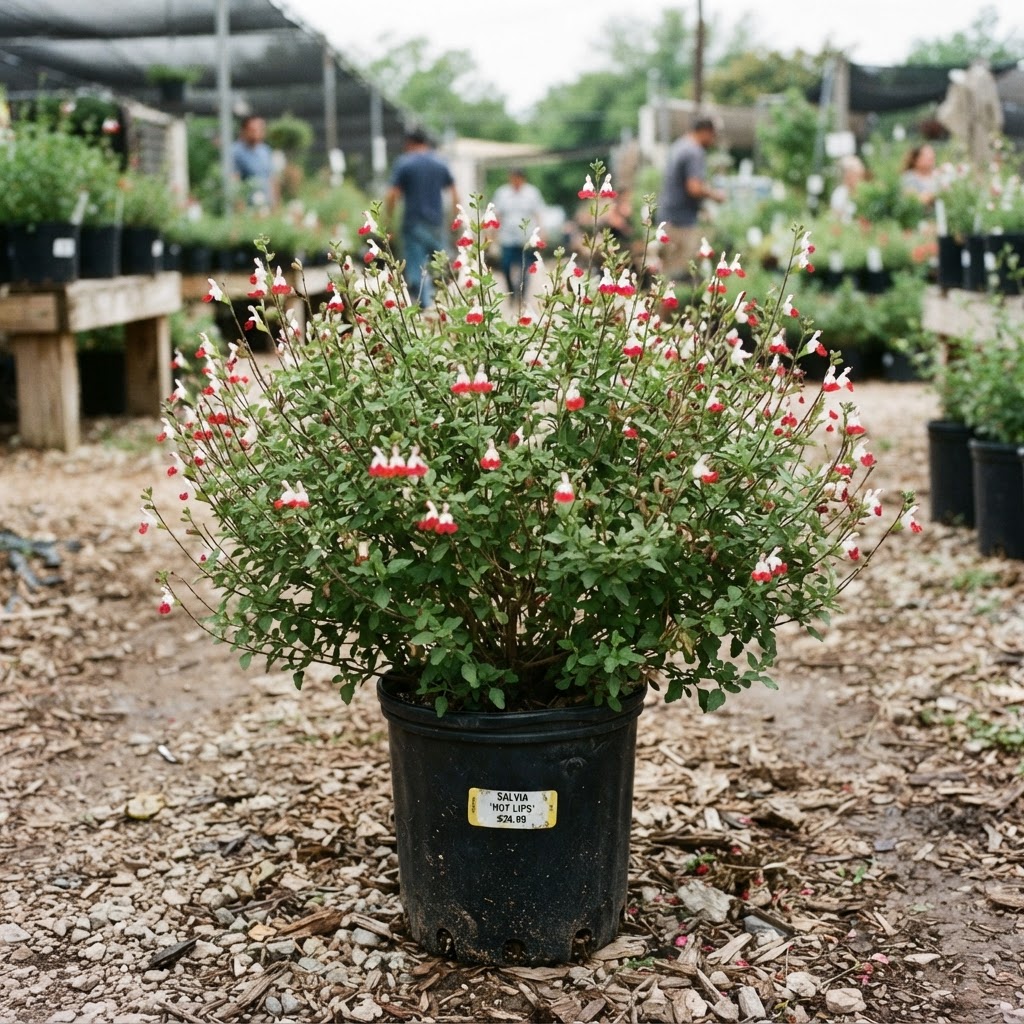
Salvia m. 'Hot Lips'
$20.89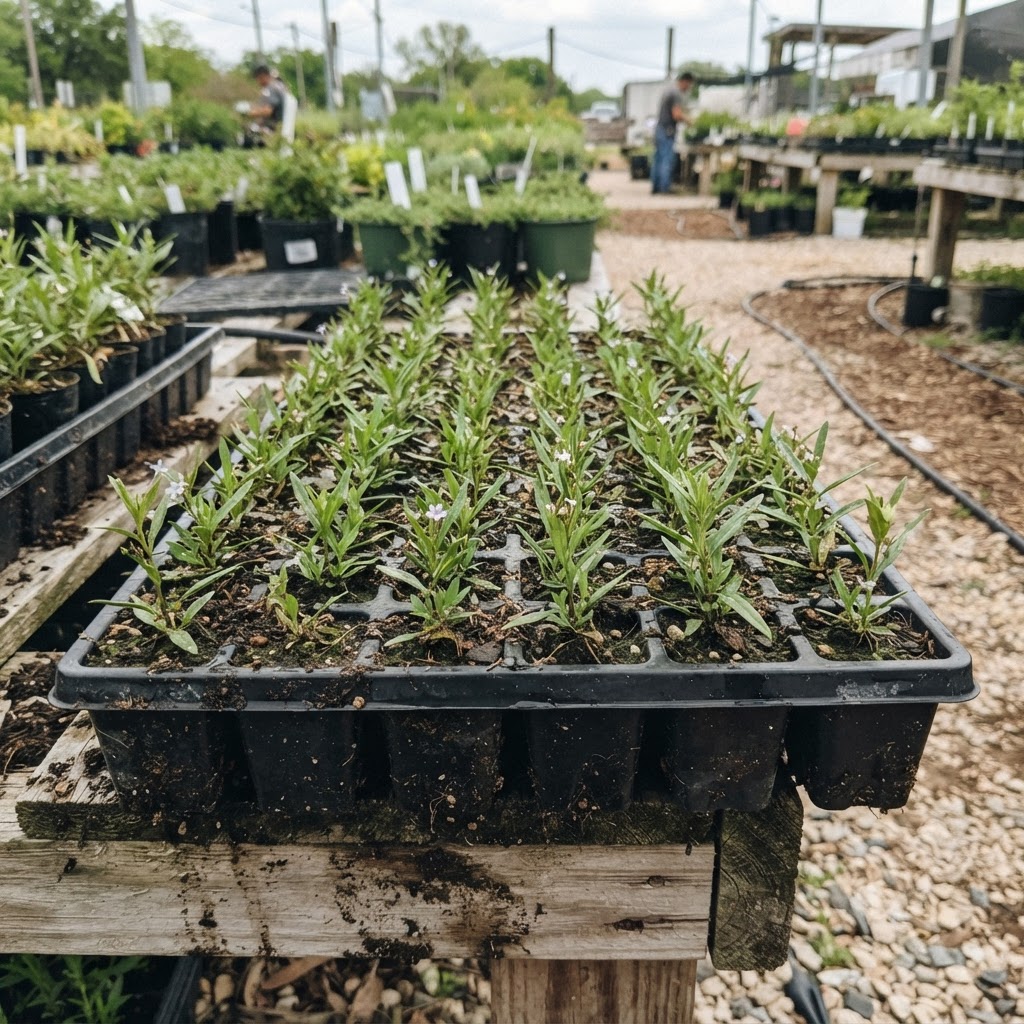
Dyschoriste linearis 'Thin Leaf' "Snake Herb"
$35.73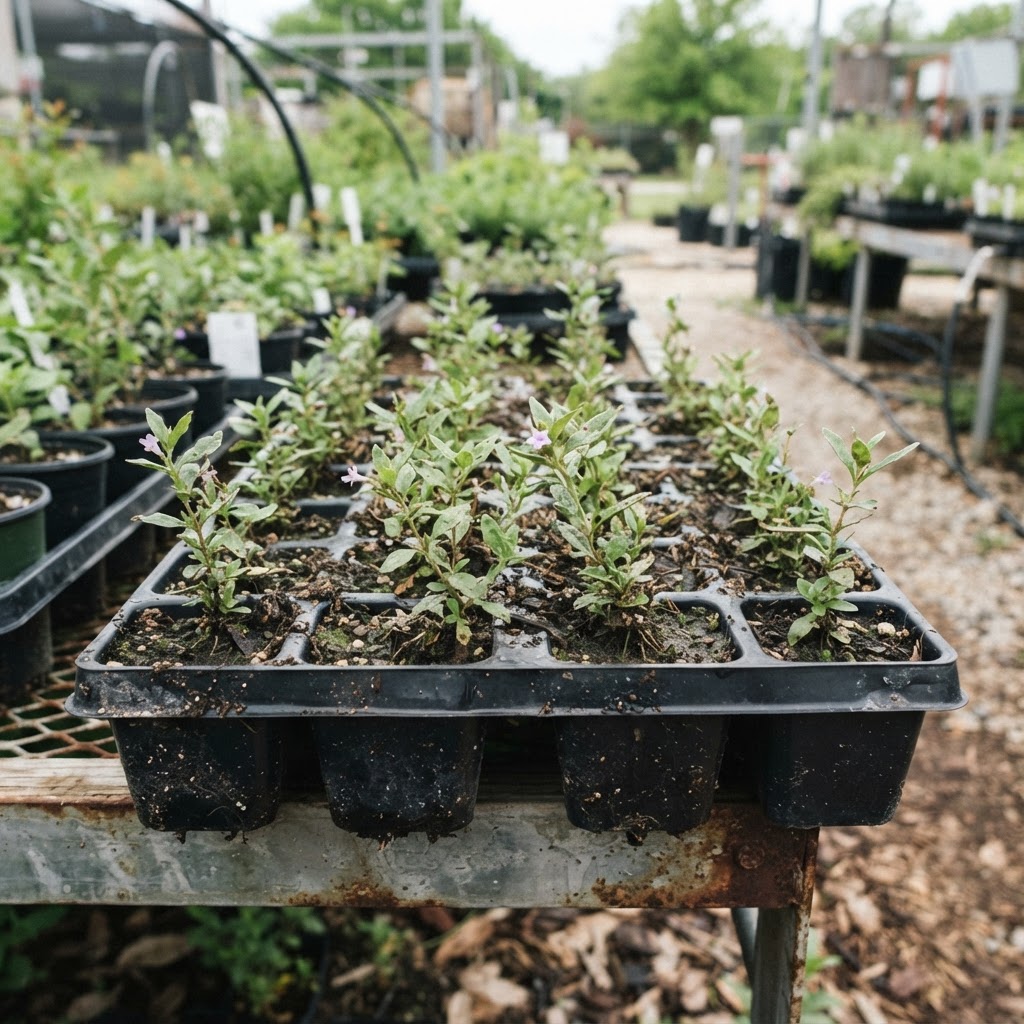
Dyschoriste linearis 'Wide Leaf' "Snake Herb"
$35.73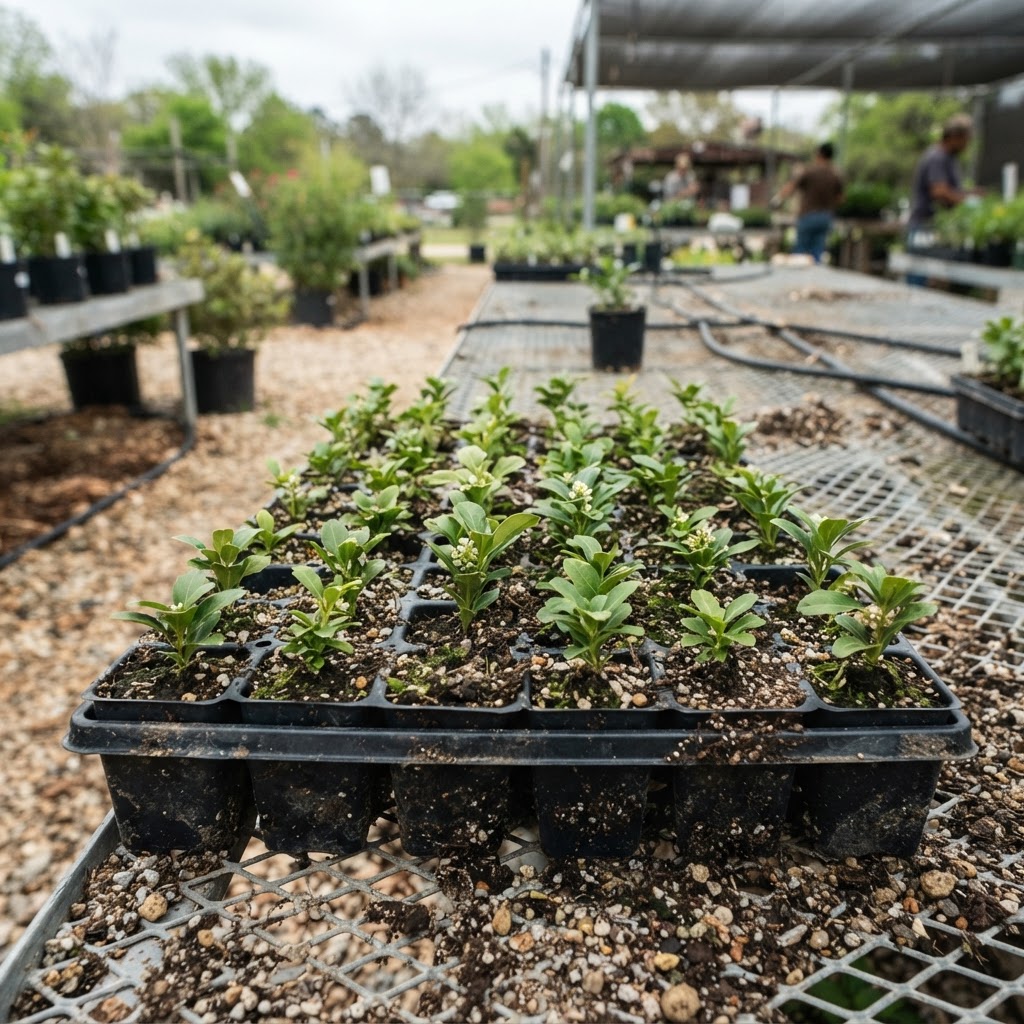
Pachysandra terminalis 'Green Sheen'
$39.33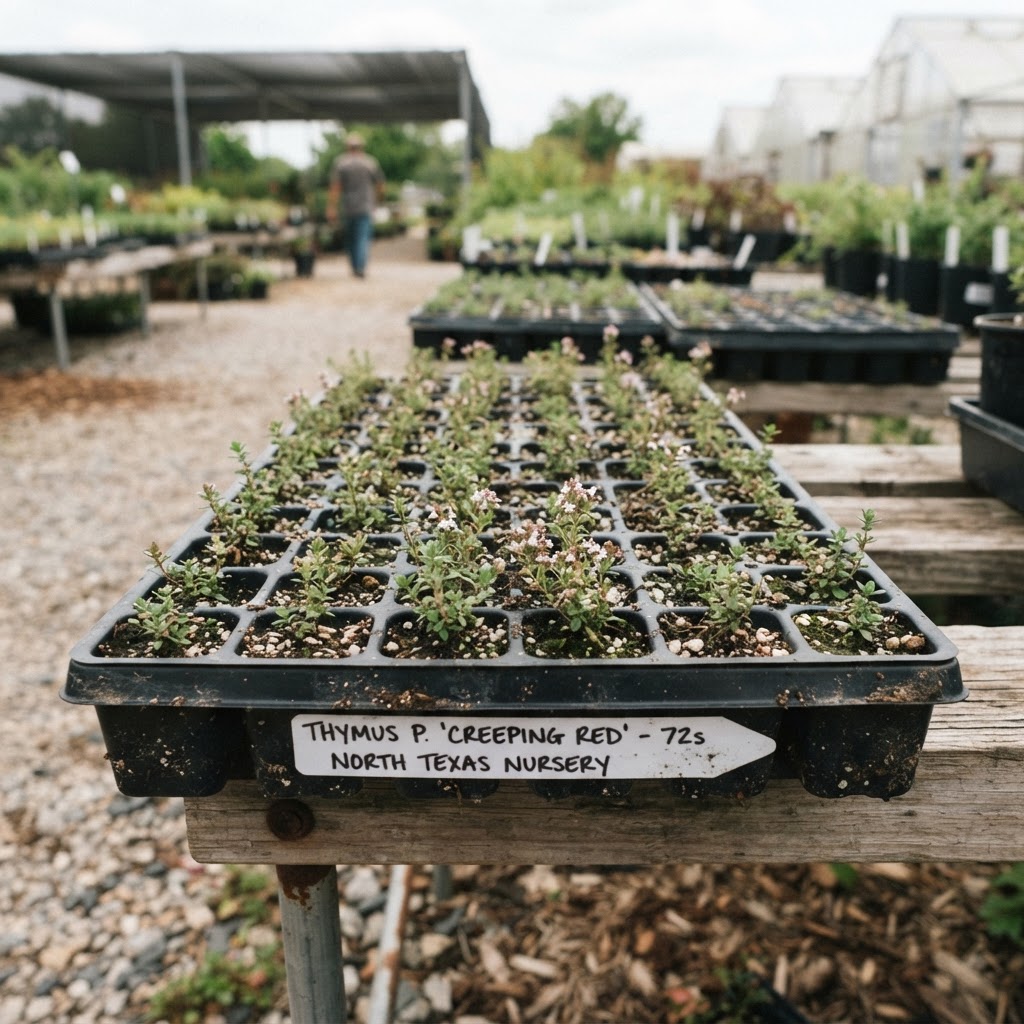
Thymus praecox 'Creeping Red'
$32.14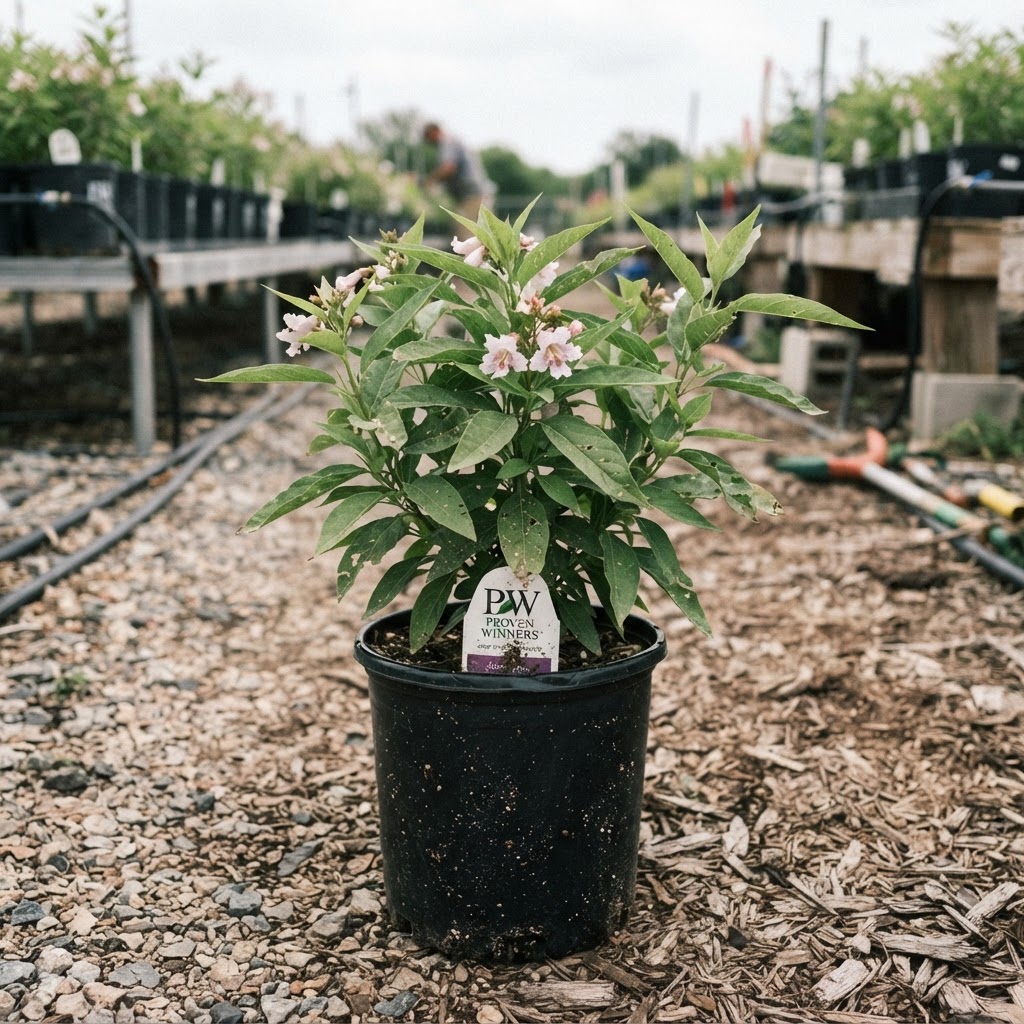
Chitalpa 'El Nino' PW®
$27.56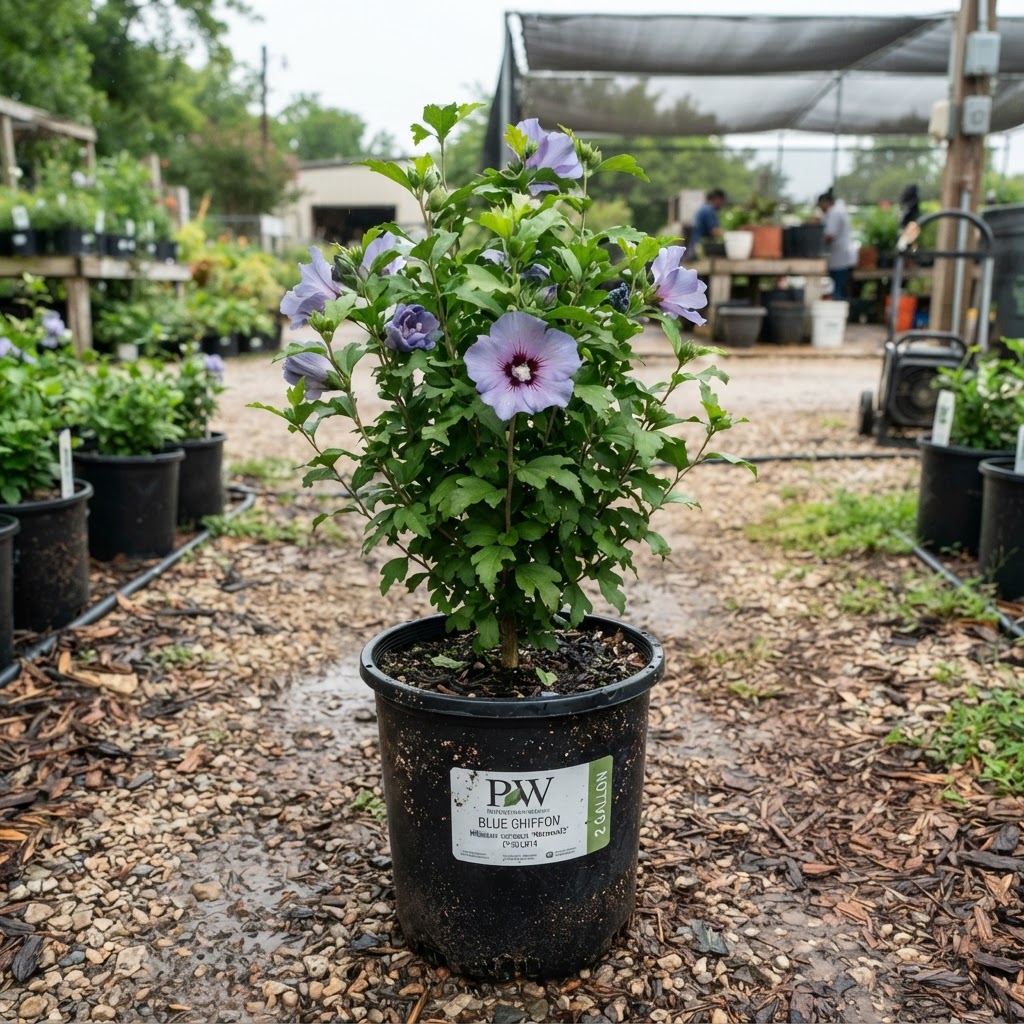
Hibiscus s. Blue Chiffon® PW® "Rose of Sharon"
$27.56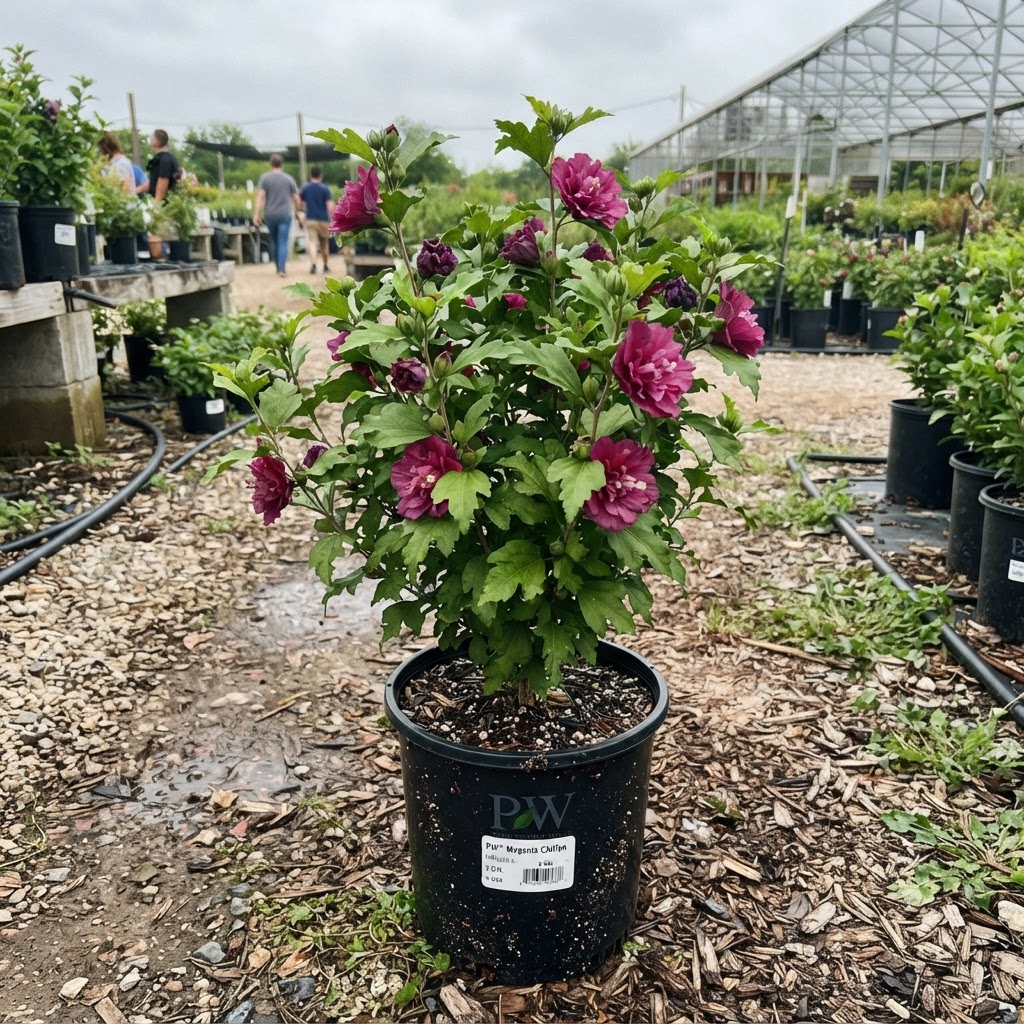
Hibiscus s. Magenta Chiffon PW® "Rose of Sharon"
$27.56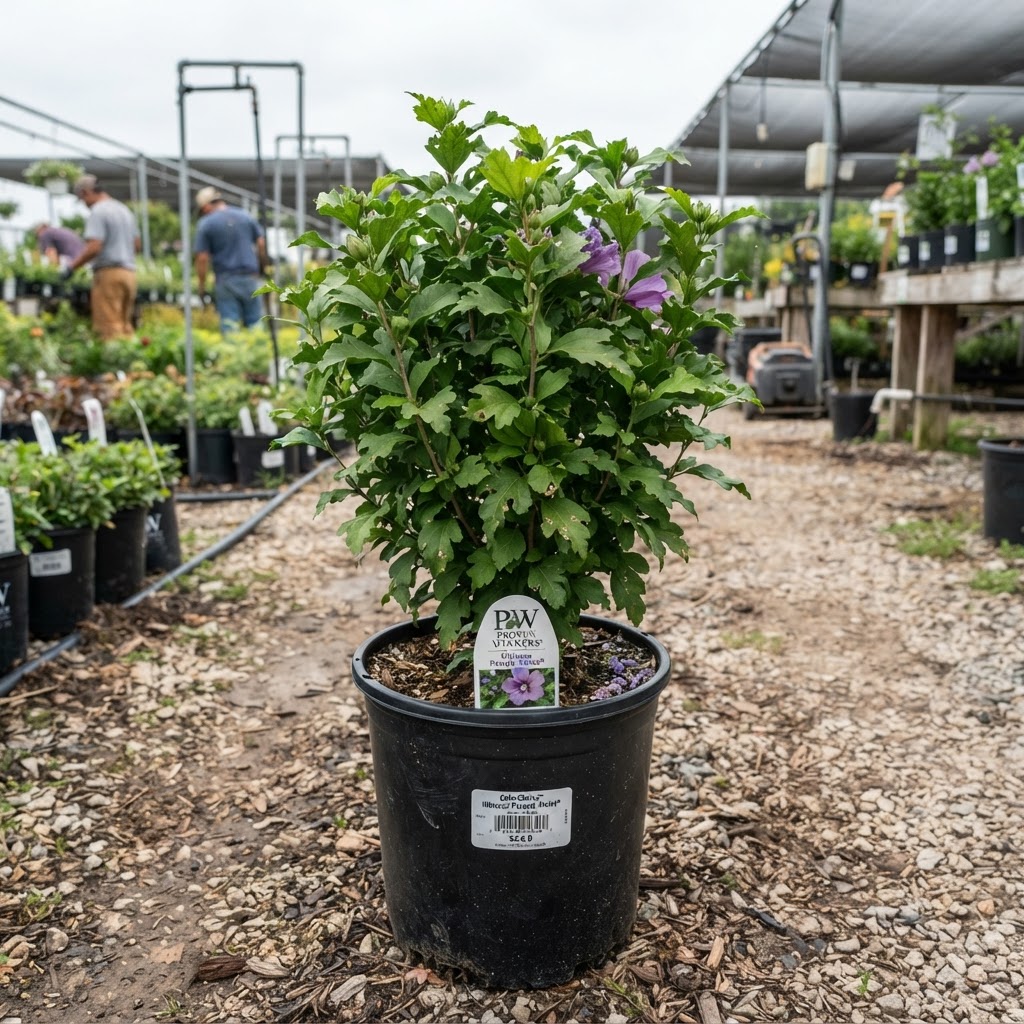
Hibiscus s. Paraplu Violet® PW® "Rose of Sharon"
$27.56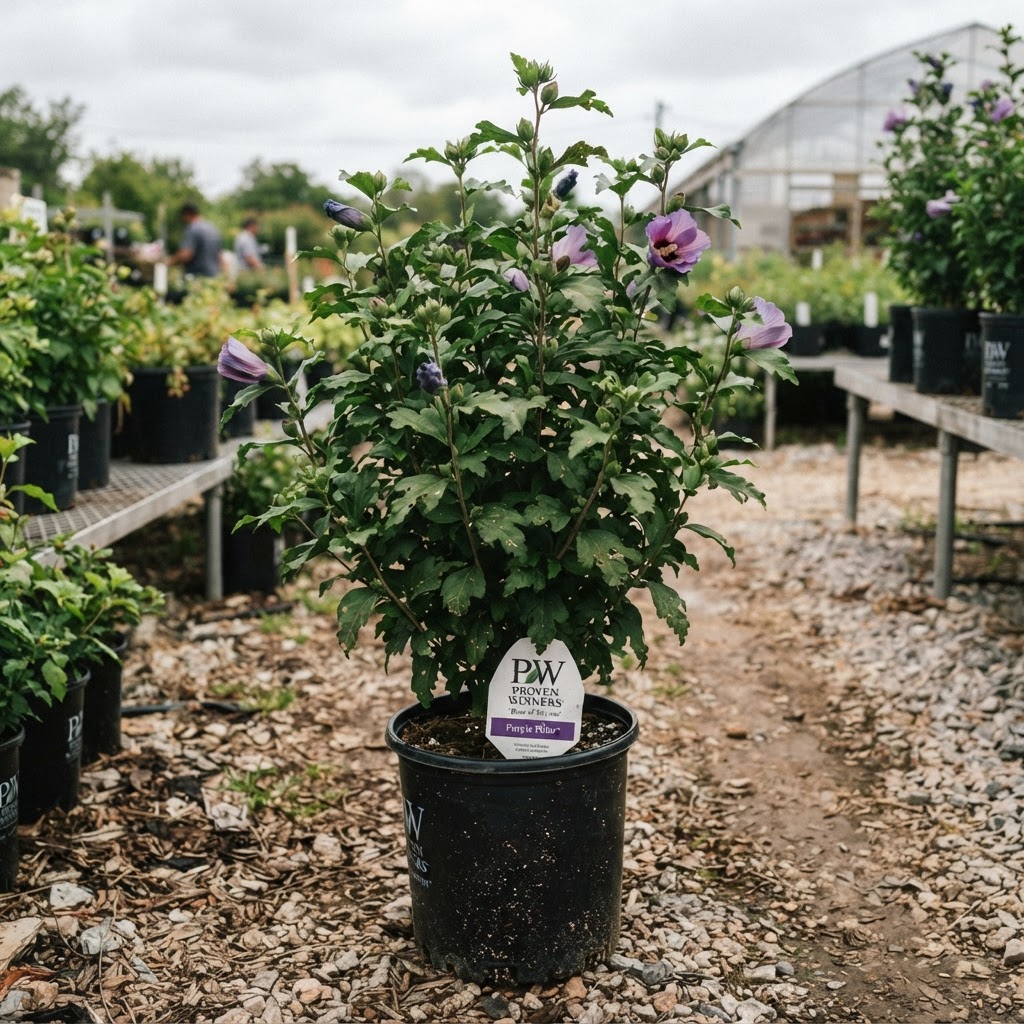
Hibiscus s. Purple Pillar® PW® "Rose of Sharon"
$27.56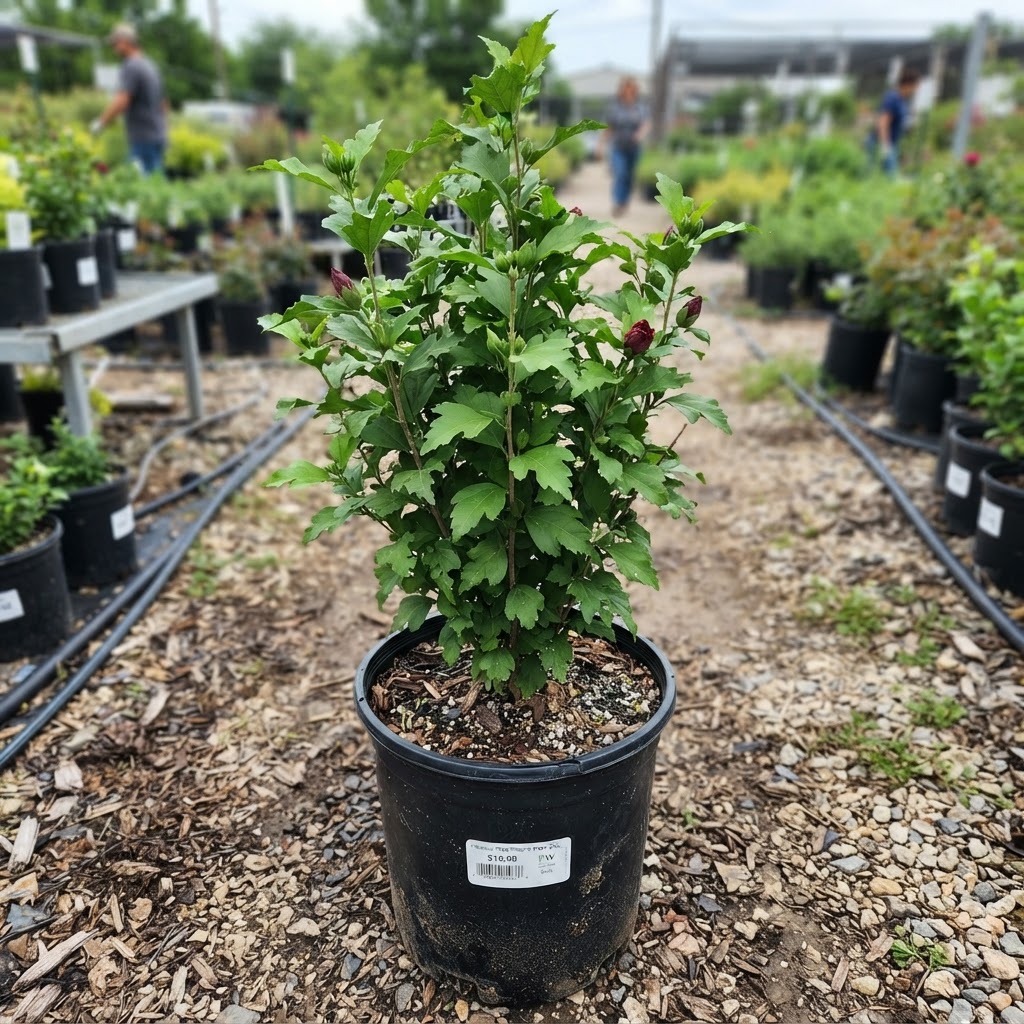
Hibiscus s. Red Pillar® PW® "Rose of Sharon"
$27.56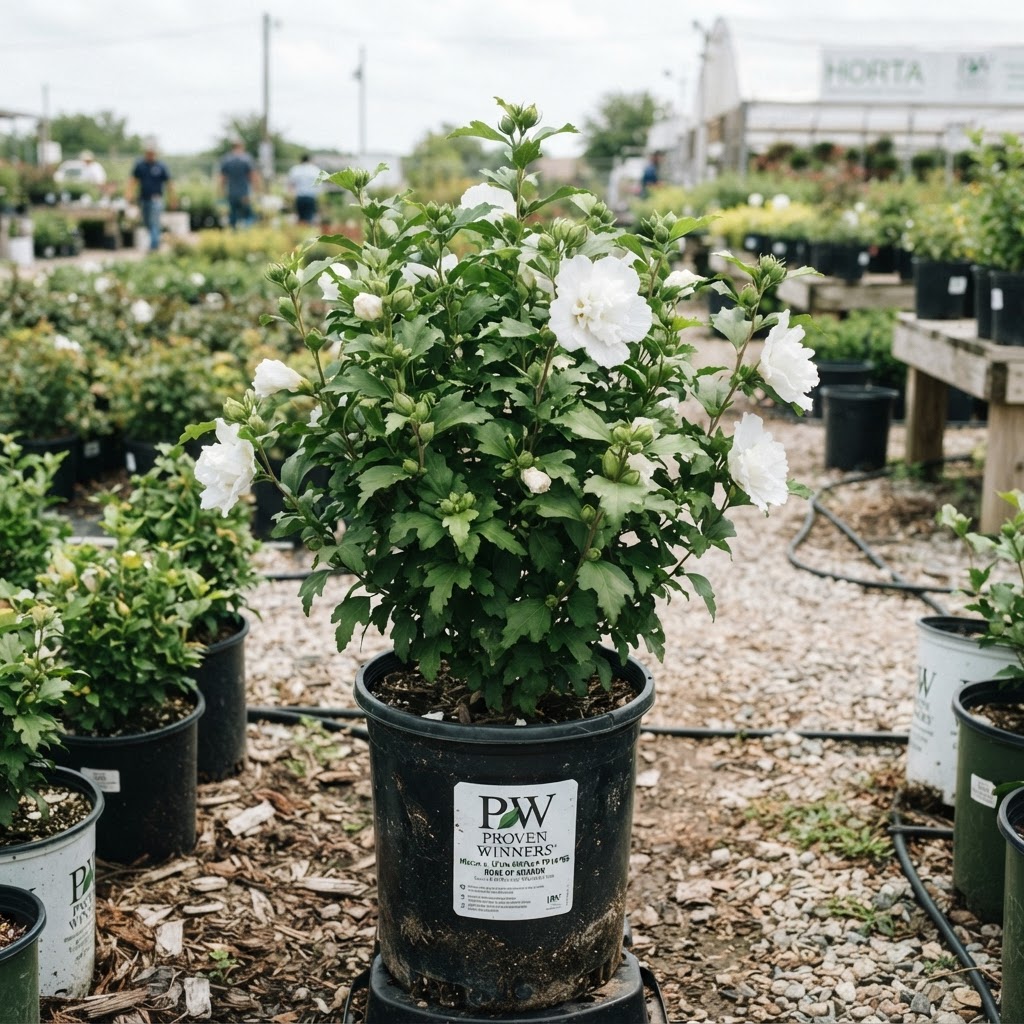
Hibiscus s. White Chiffon® PW® "Rose of Sharon"
$27.56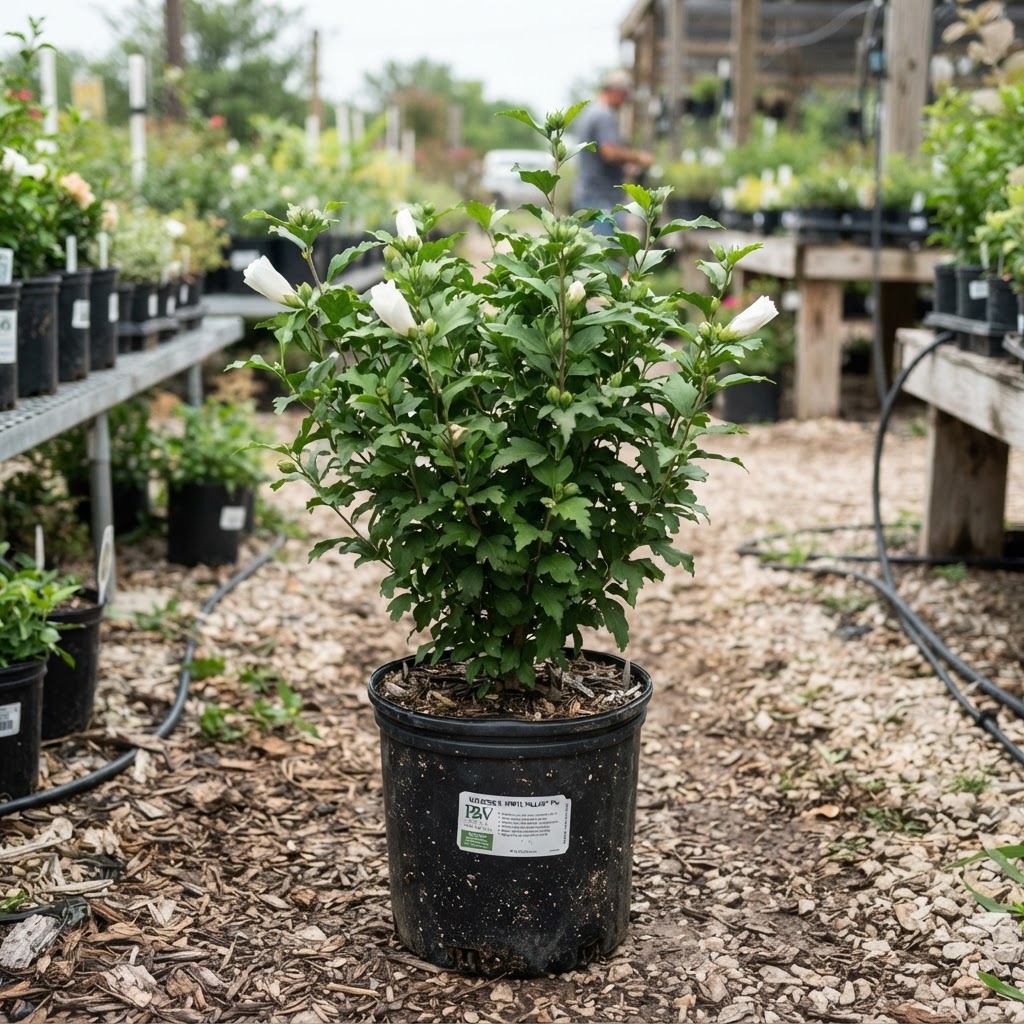
Hibiscus s. White Pillar® PW® "Rose of Sharon"
$29.33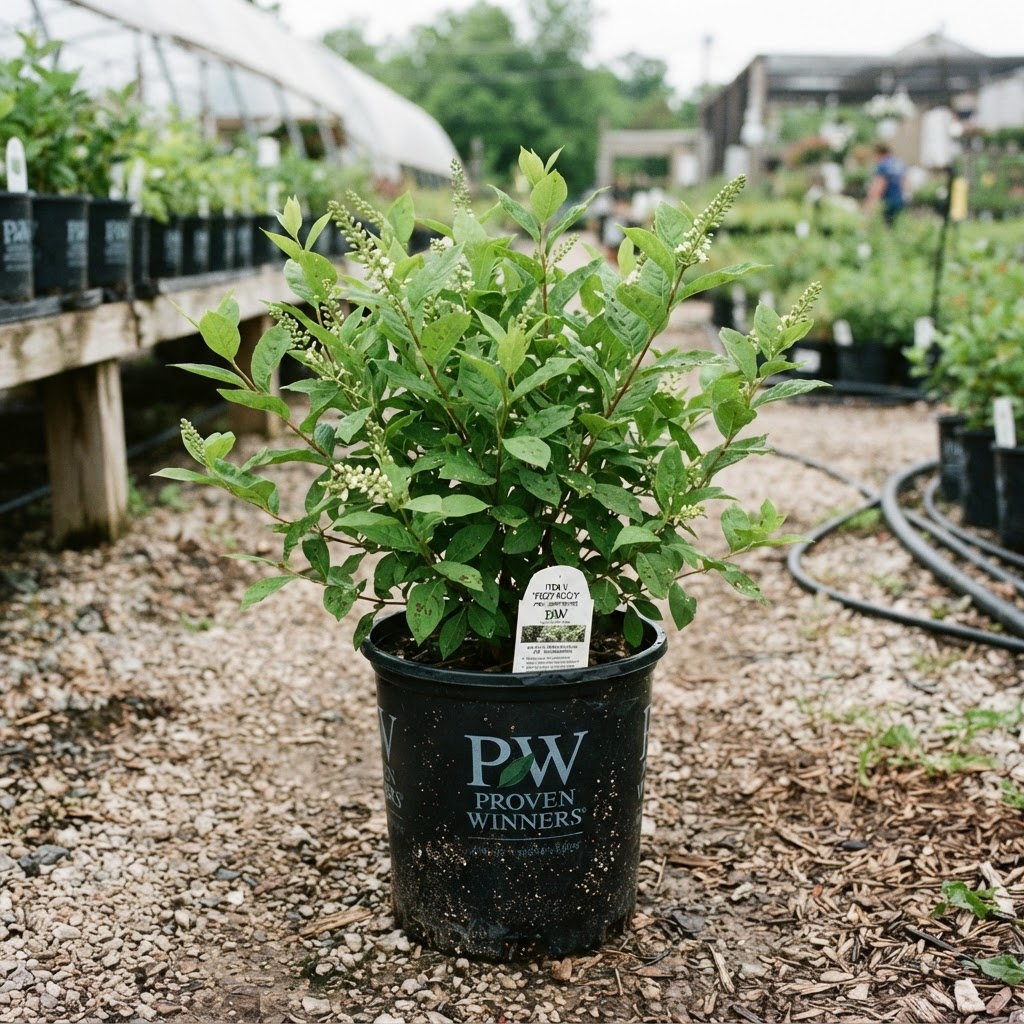
Itea v. 'Fizzy Mizzy' PW®
$27.56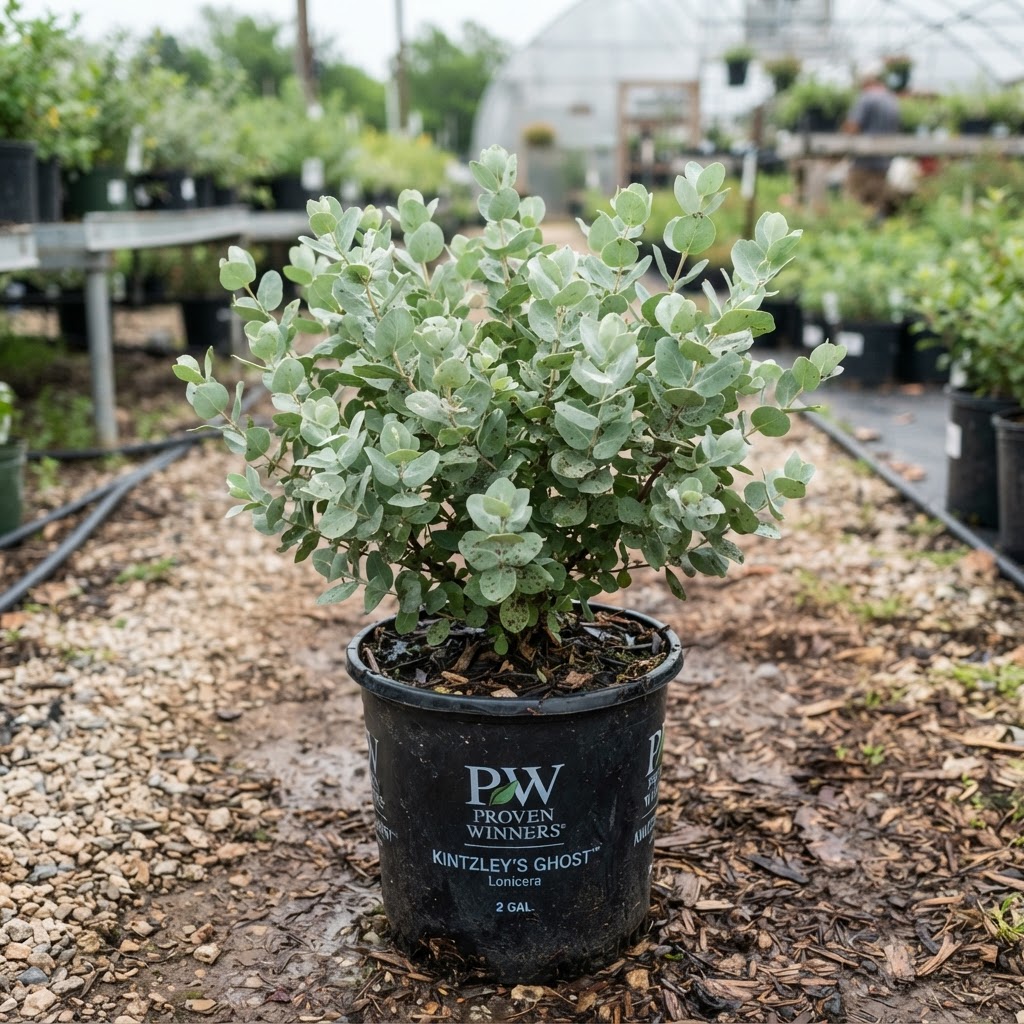
Lonicera 'Kintzley's Ghost' PW®
$35.56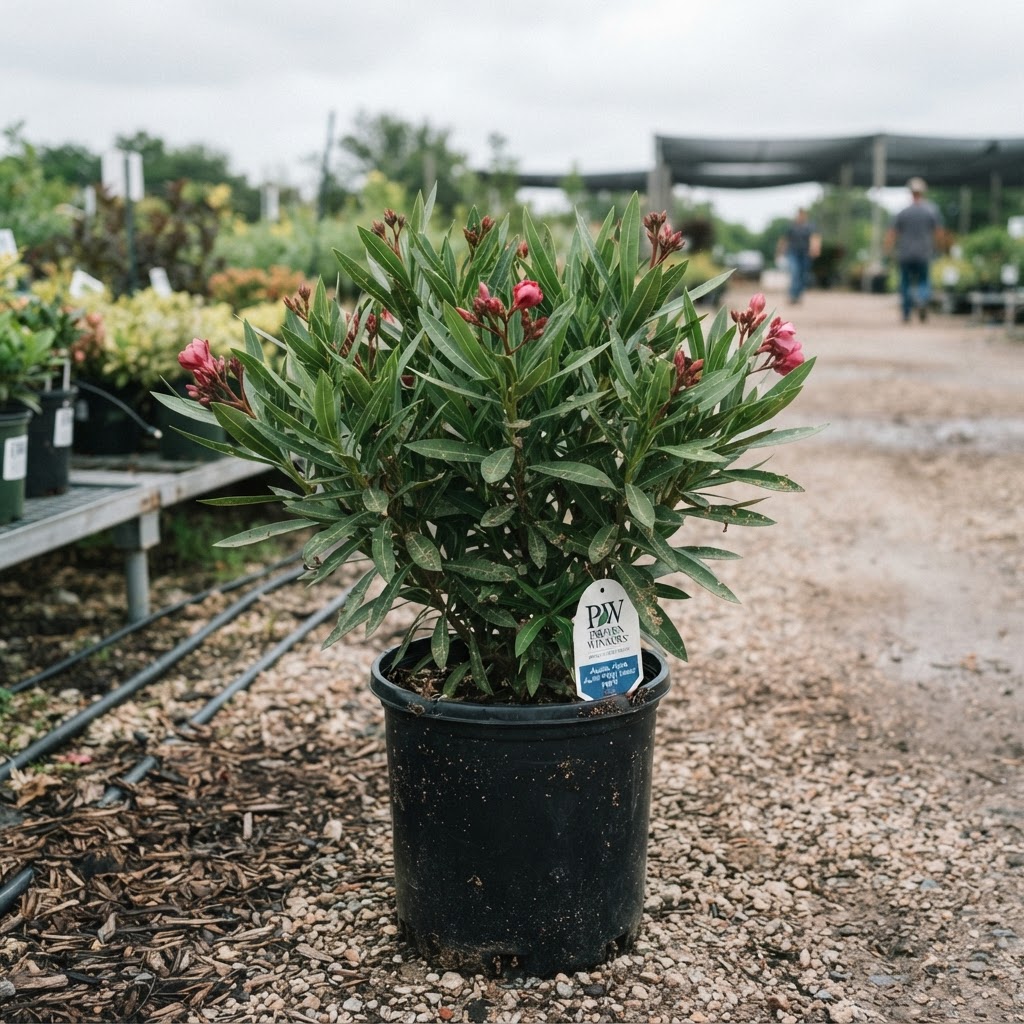
Nerium 'Austin Pretty Limits' PW®
$27.56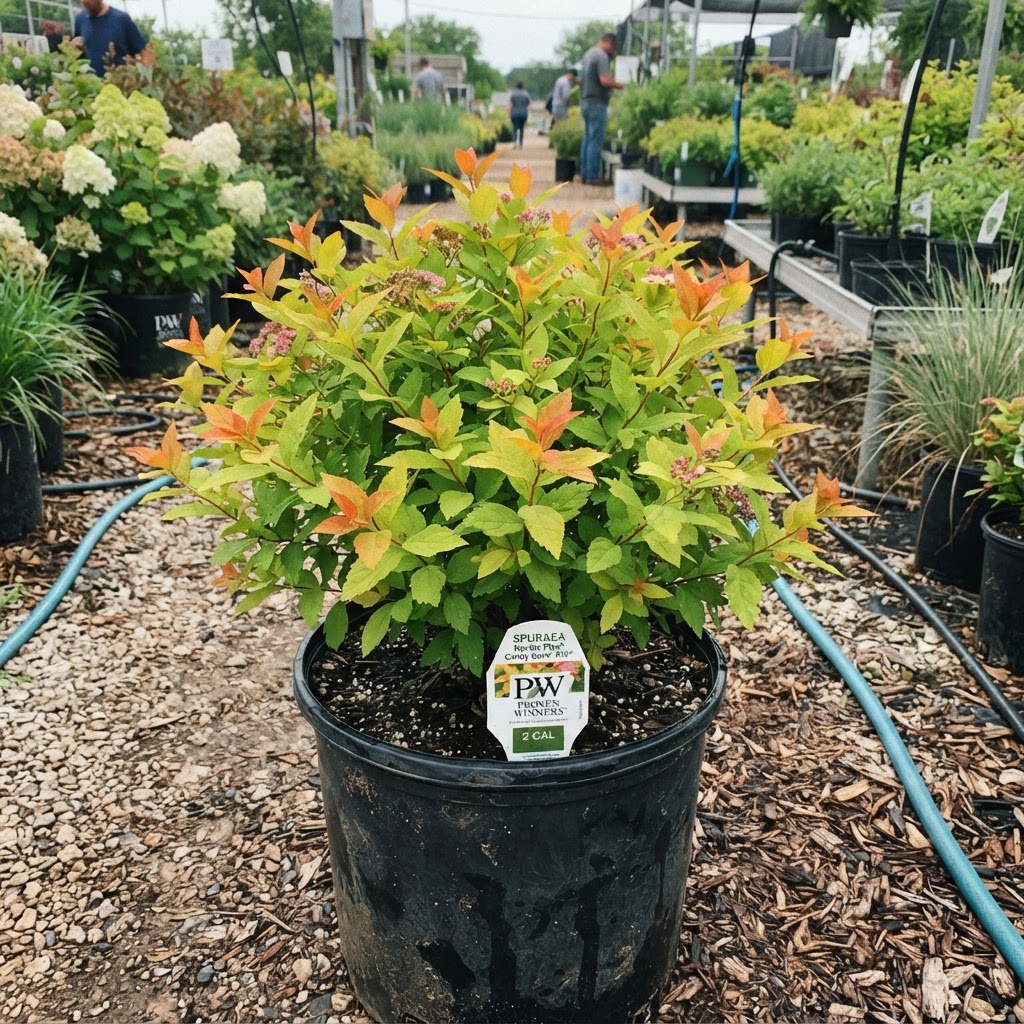
Spiraea j. Double Play® Candy Corn® PW®
$27.56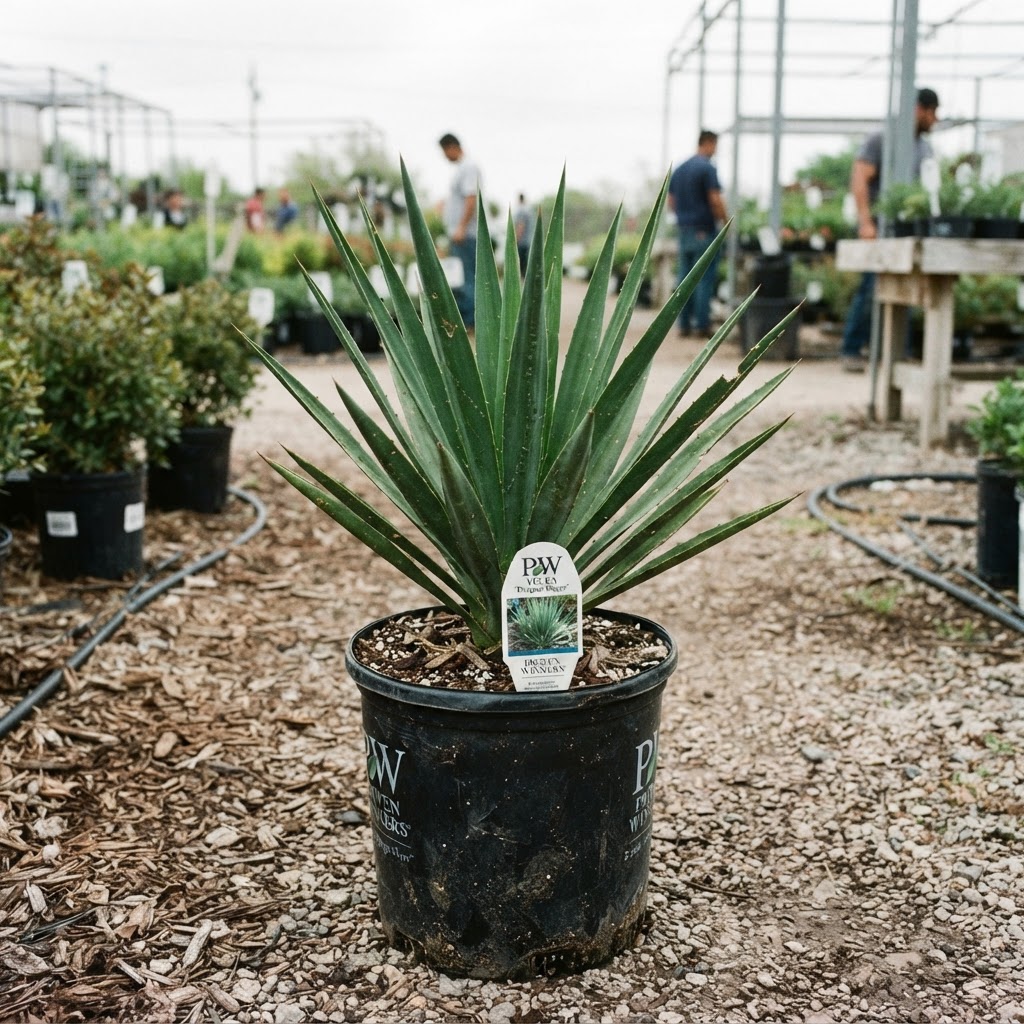
Yucca 'Dragon Slayer' PW®
$27.56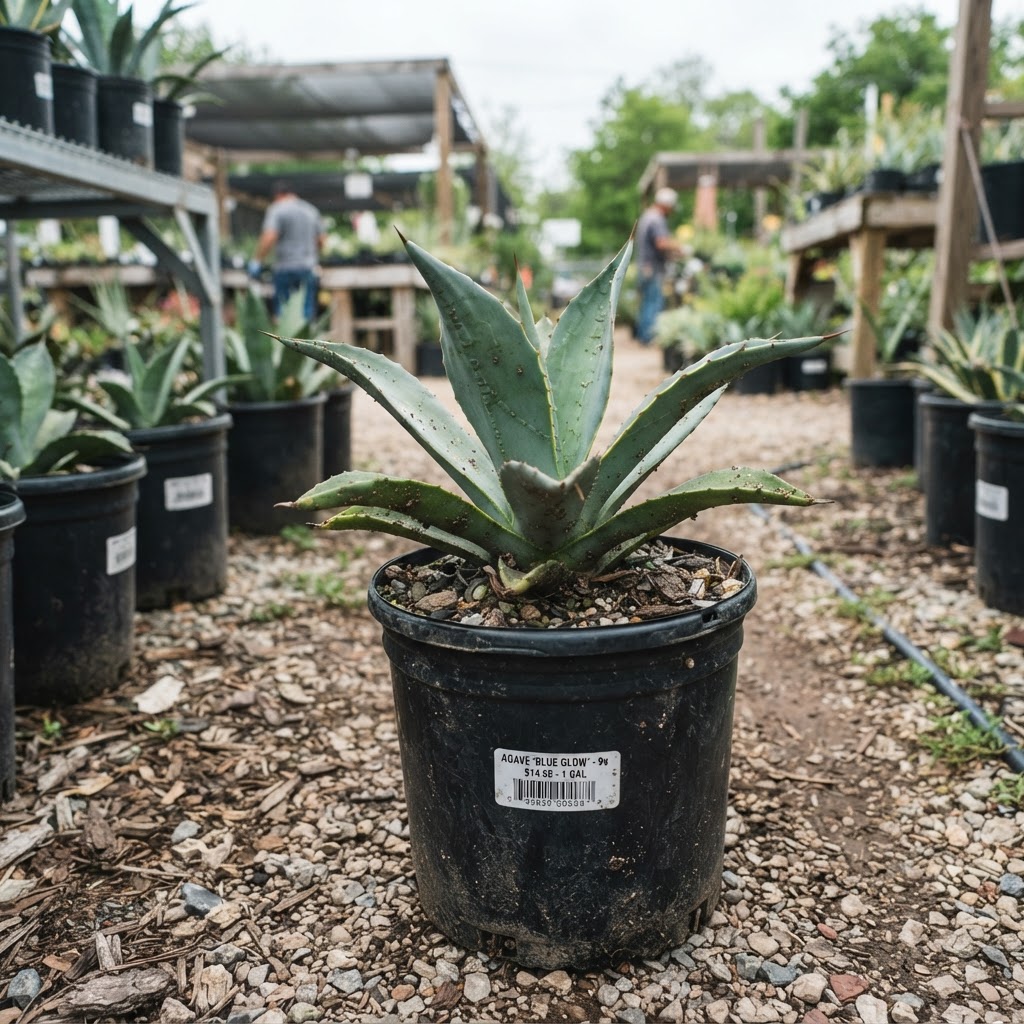
Agave 'Blue Glow' (9a)
$14.28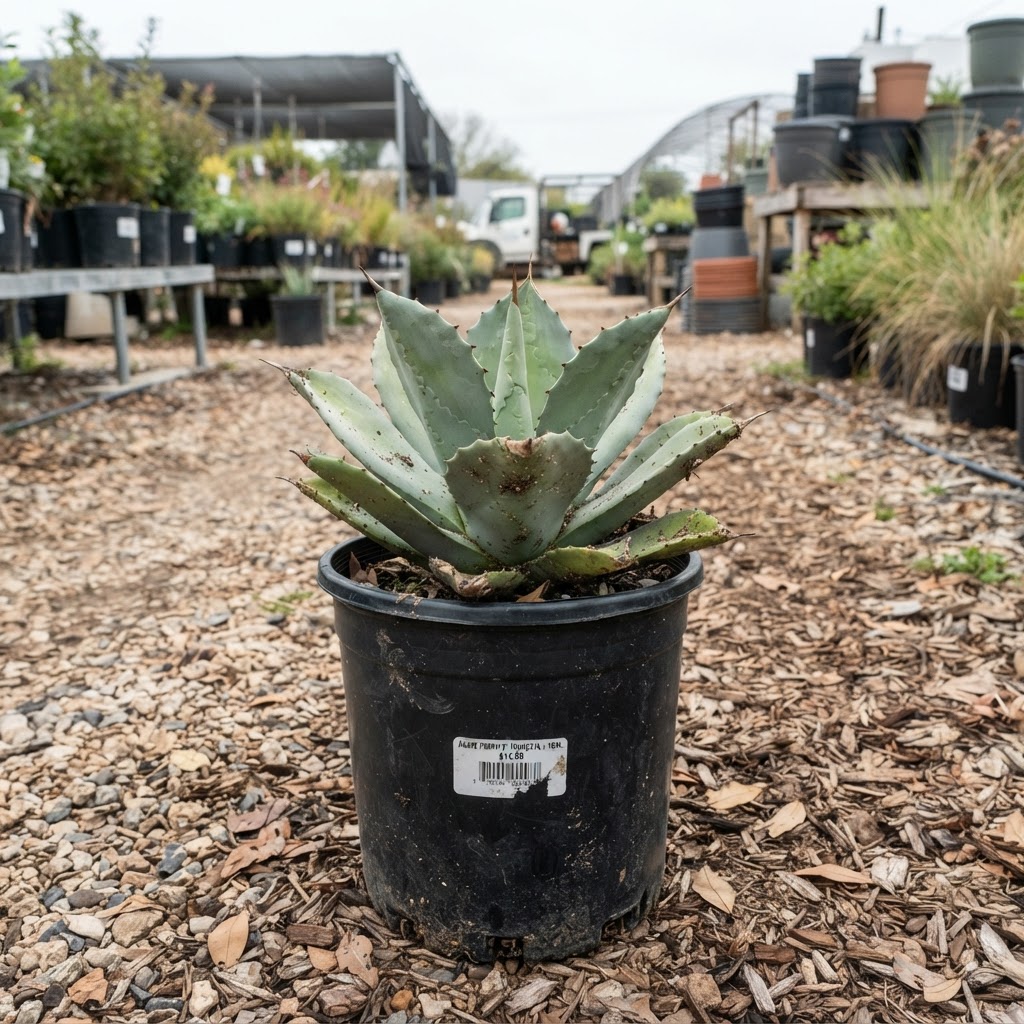
Agave parryi v. truncata (8a)
$14.28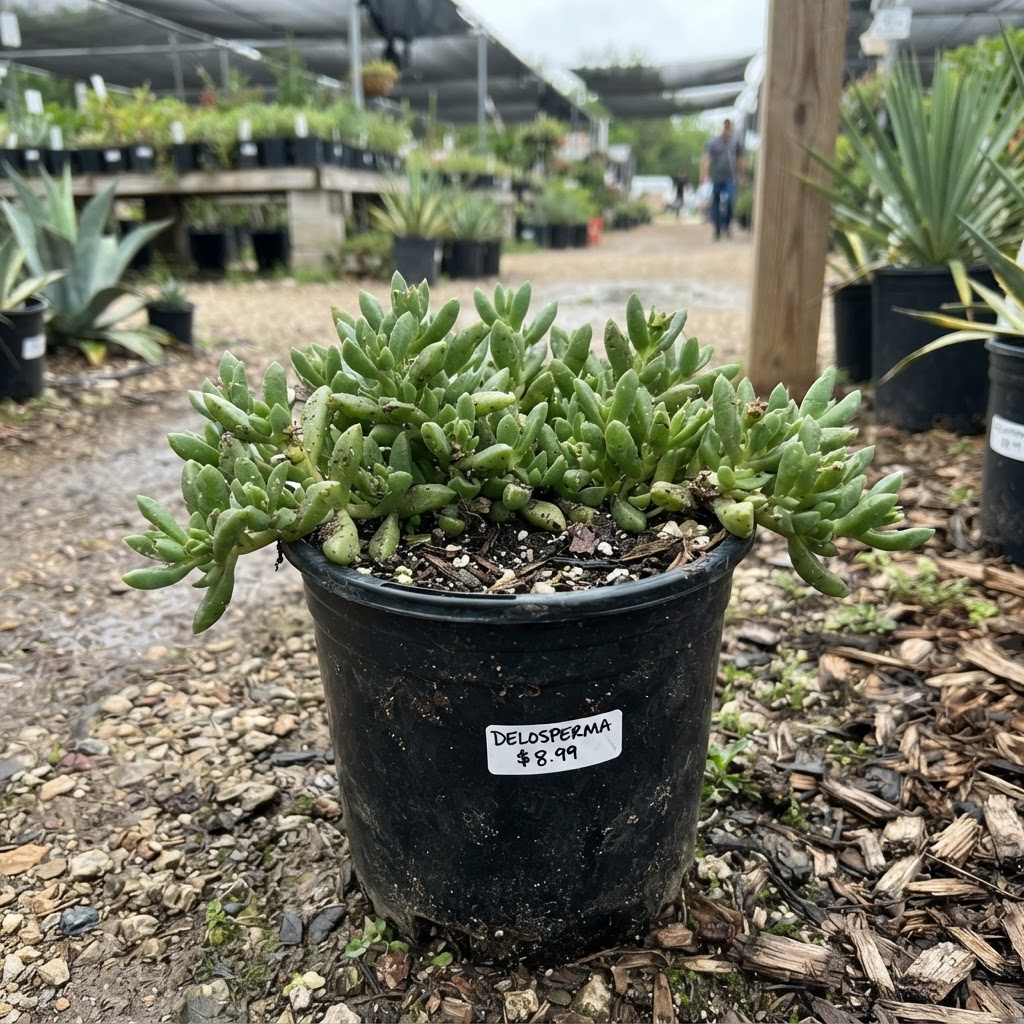
Delosperma cooperii (5b)
$6.89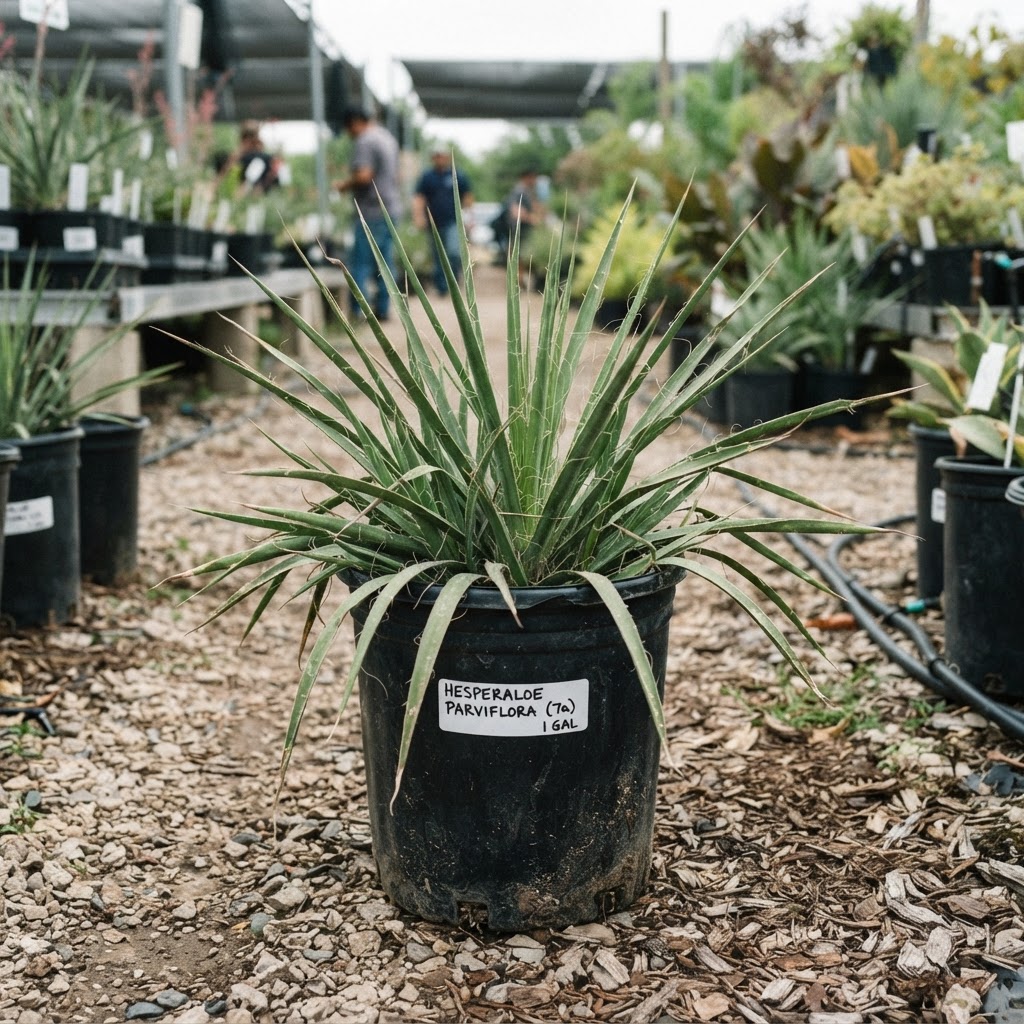
Hesperaloe parviflora (7a)
$9.81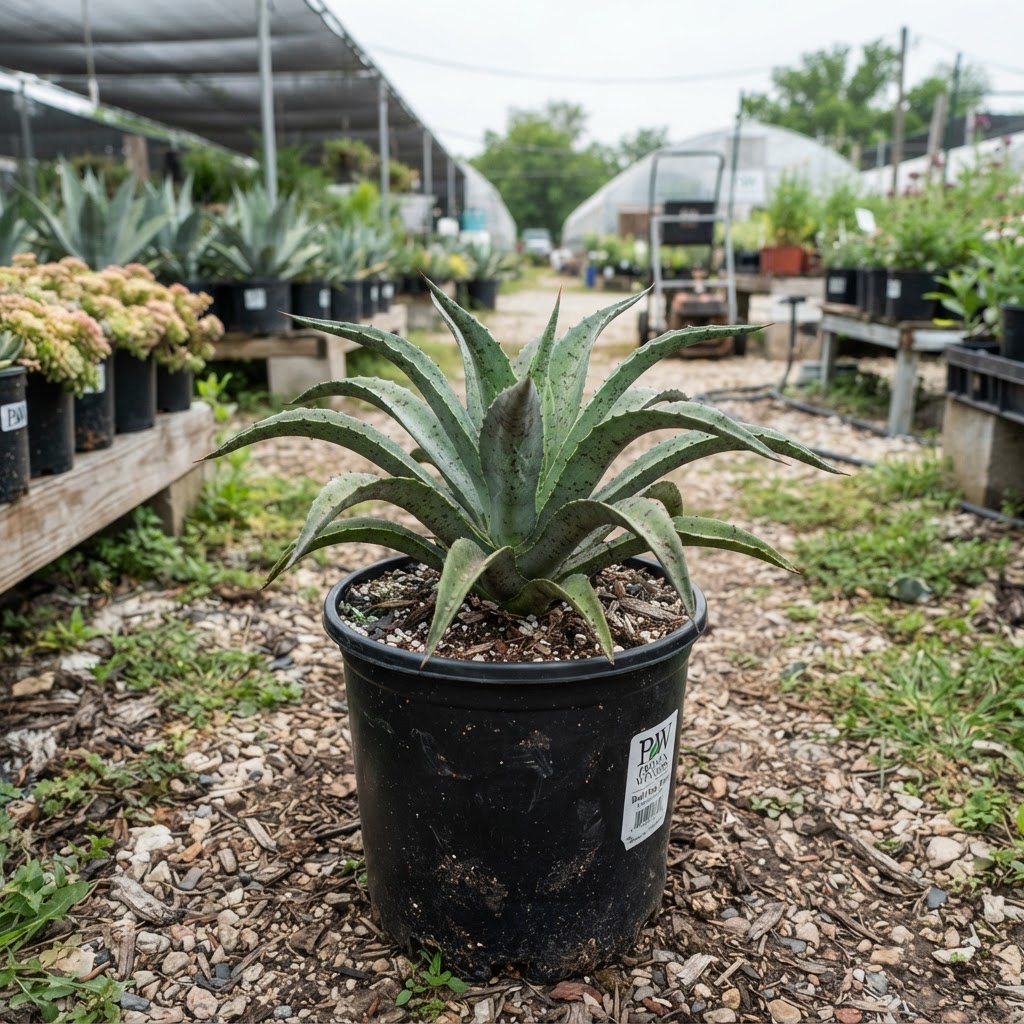
Mangave Art & Sol™ 'Bad Hair Day' PW
$12.51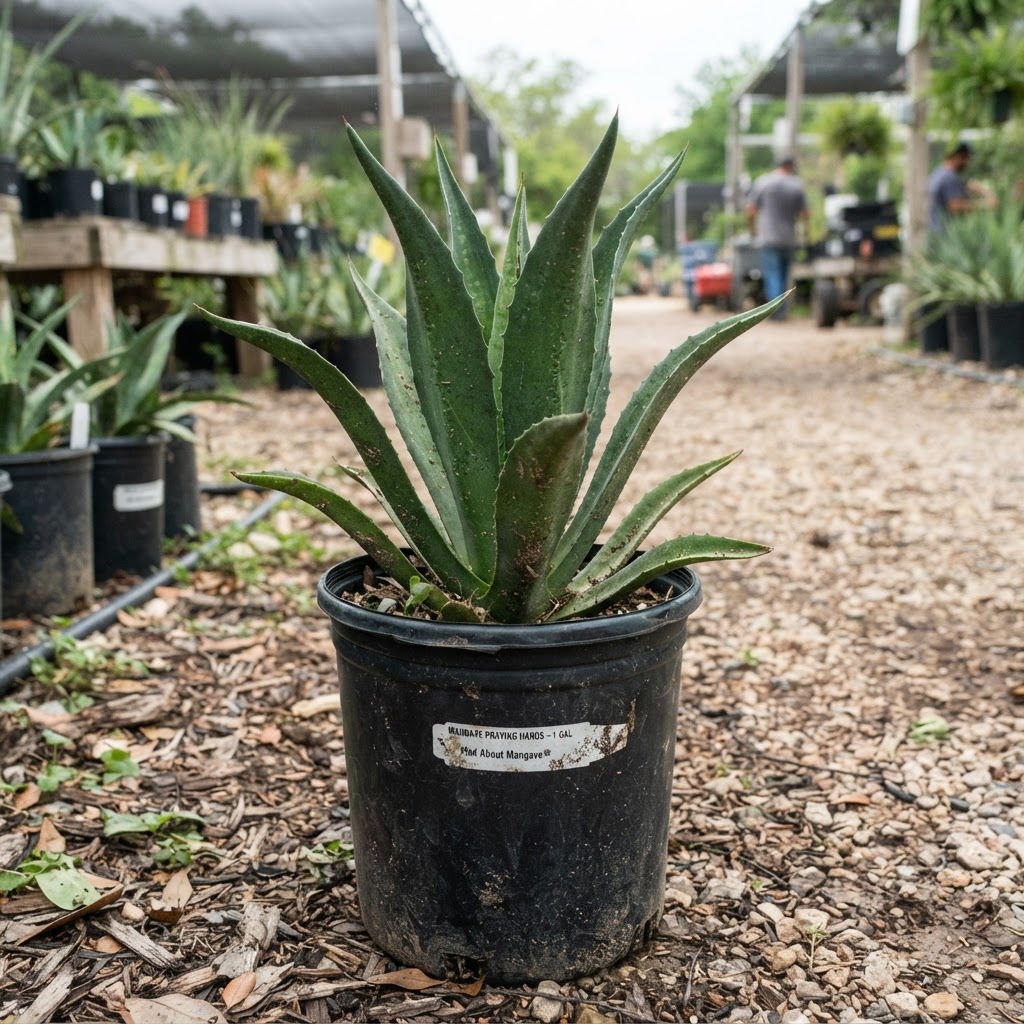
Mangave Mad About Mangave® 'Praying Hands'
$12.51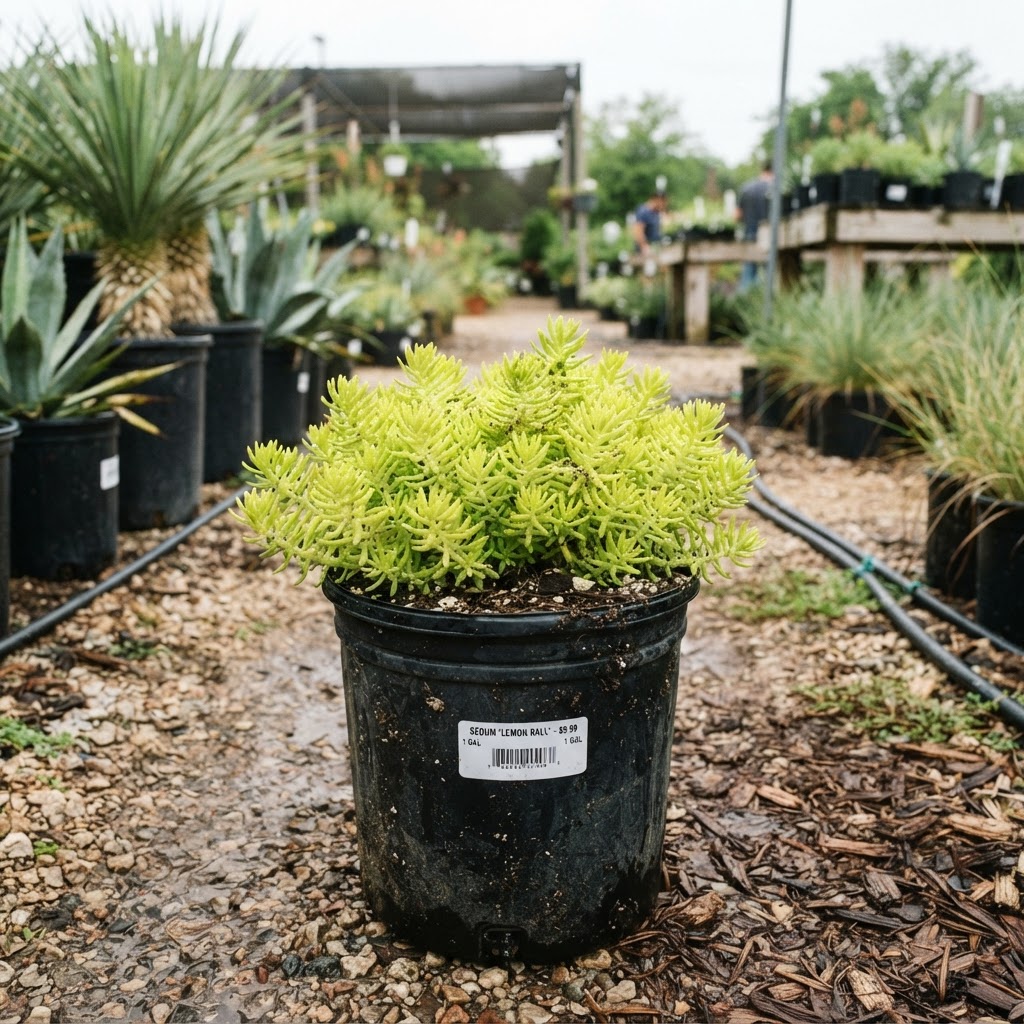
Sedum m. 'Lemon Ball' (7a)
$6.89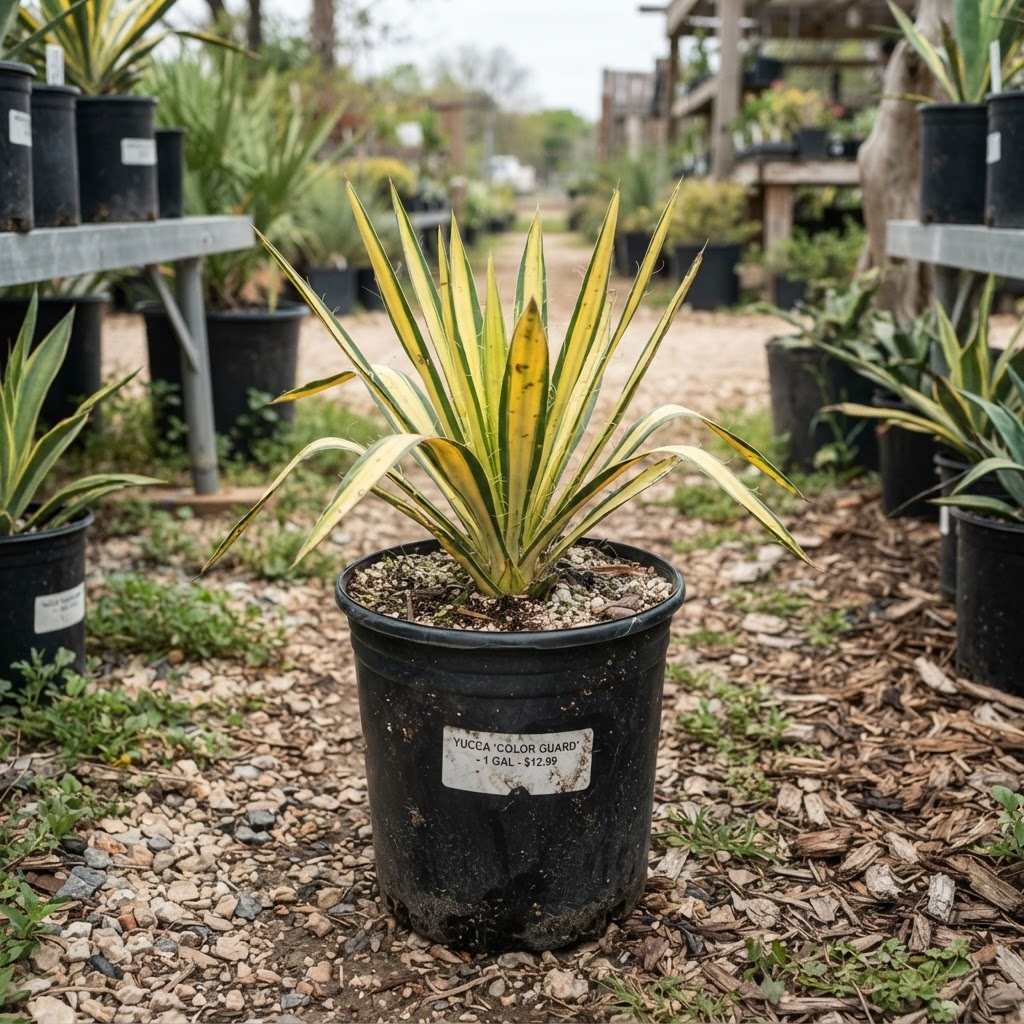
Yucca f. 'Color Guard' (4)
$12.51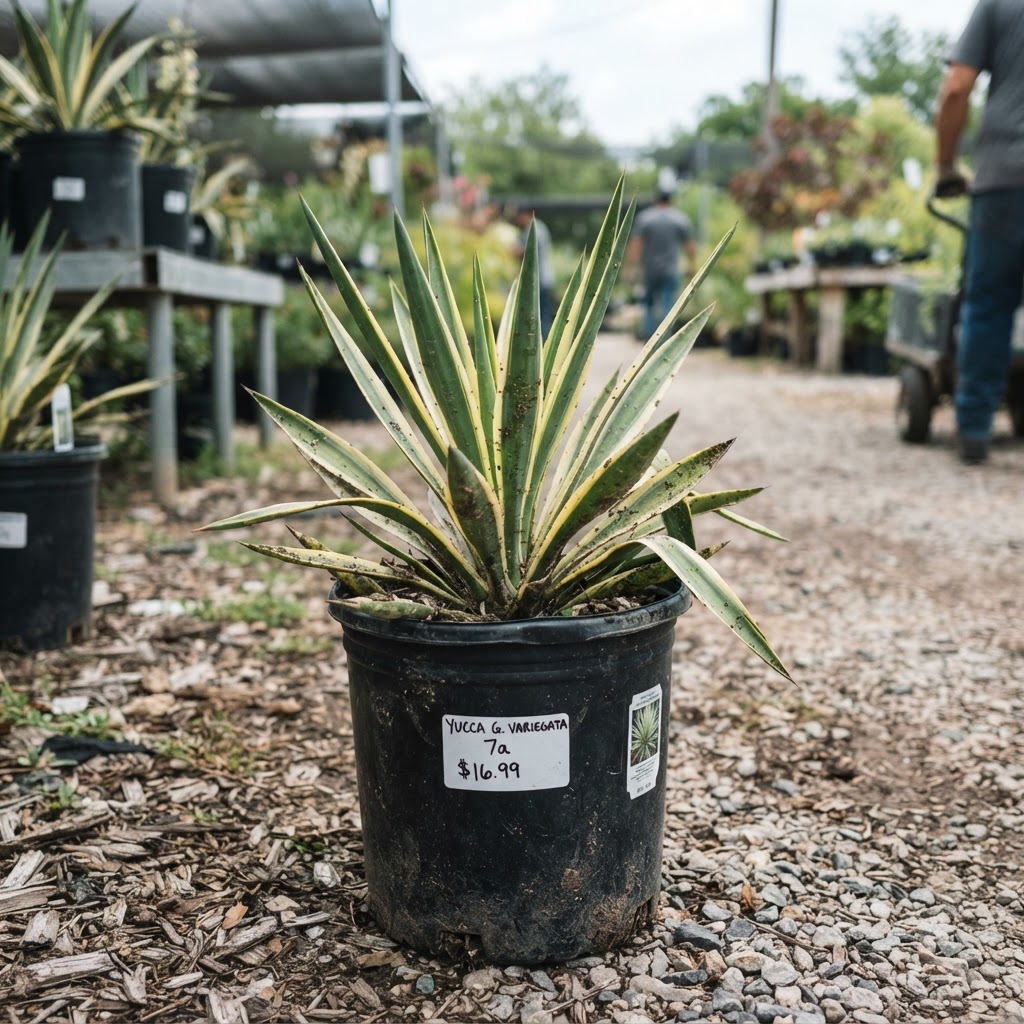
Yucca g. 'Variegata' (7a)
$12.51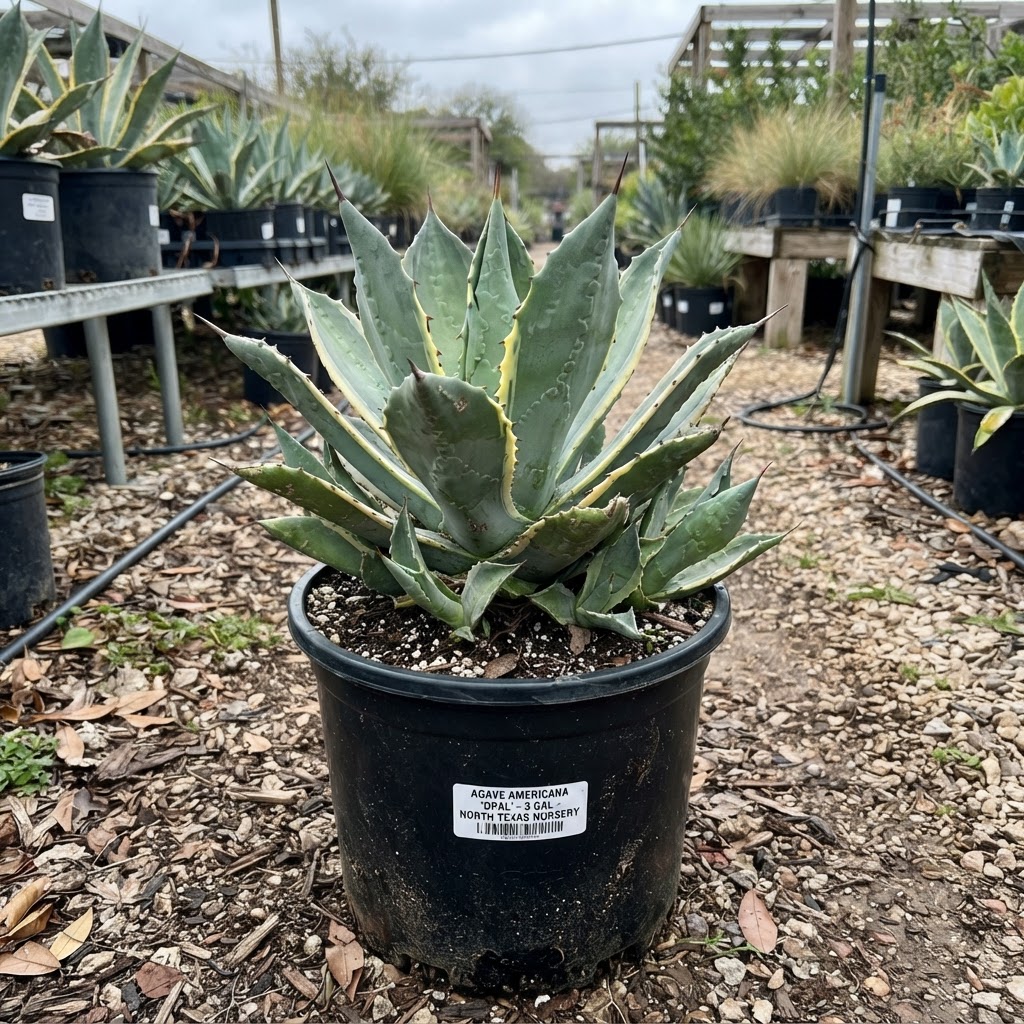
Agave americana 'Opal'
$33.77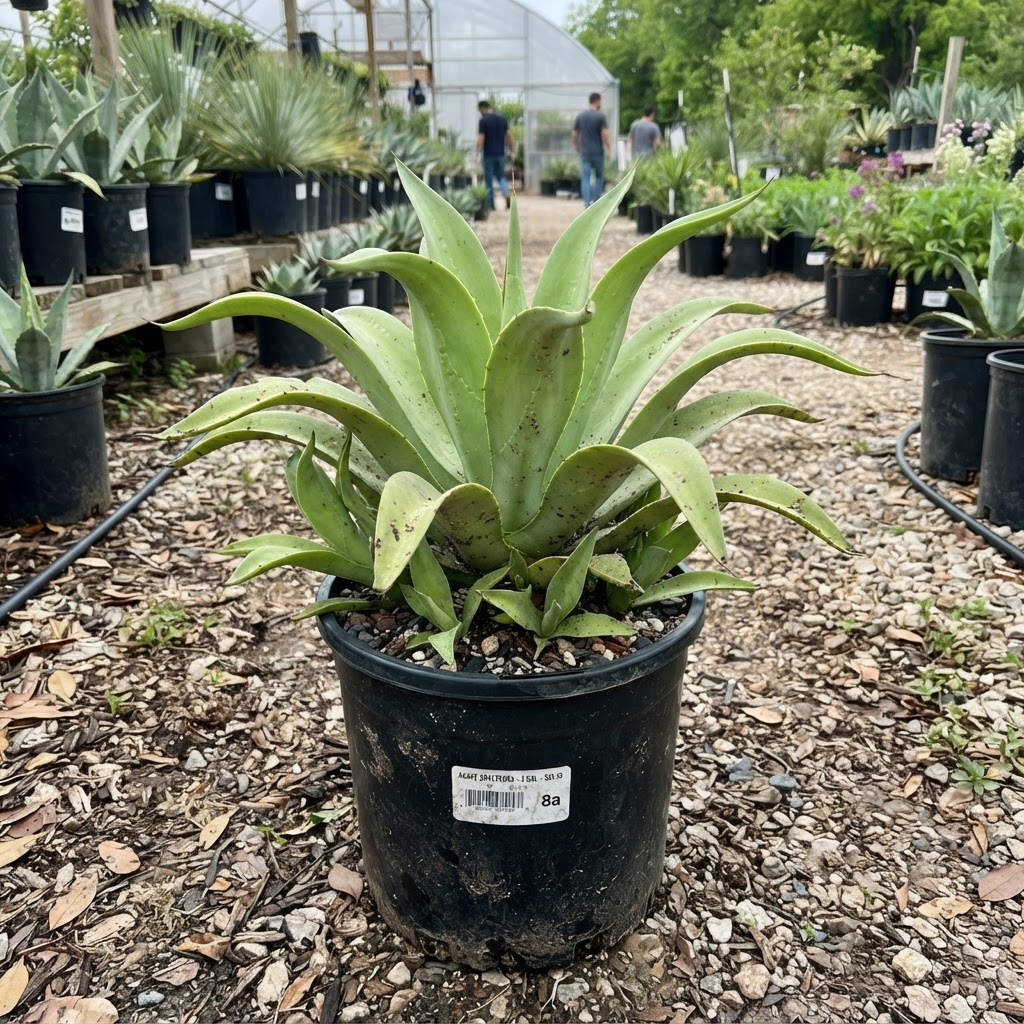
Agave bracteosa (8a)
$35.56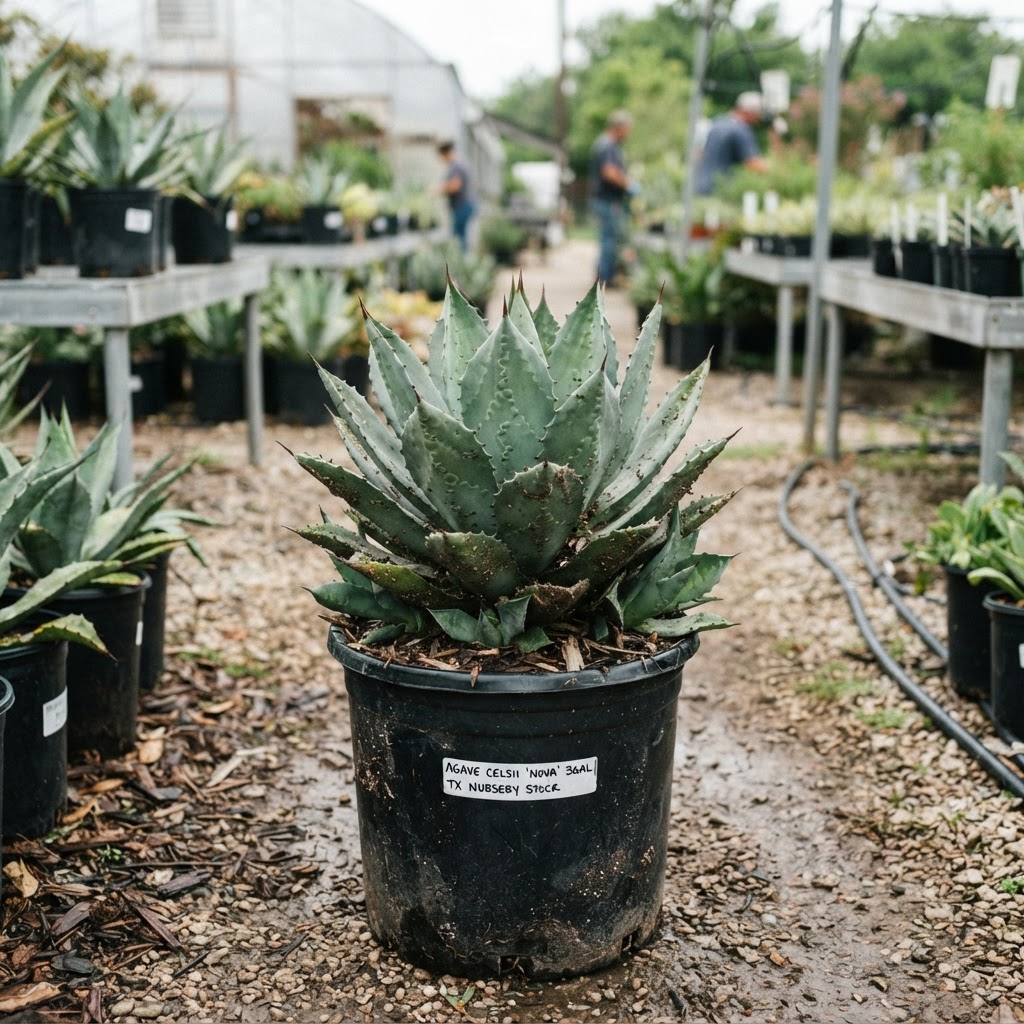
Agave celsii 'Nova' (9)
$35.56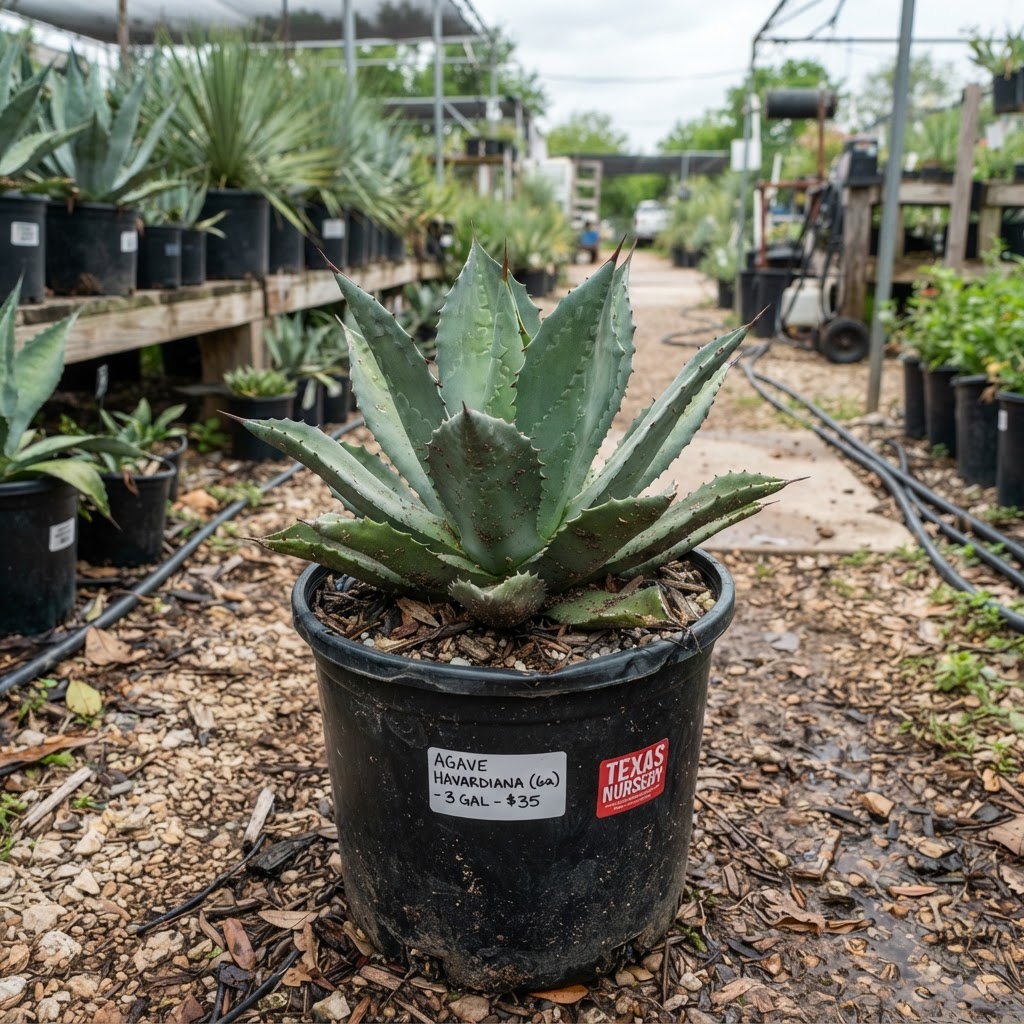
Agave havardiana (6a)
$35.56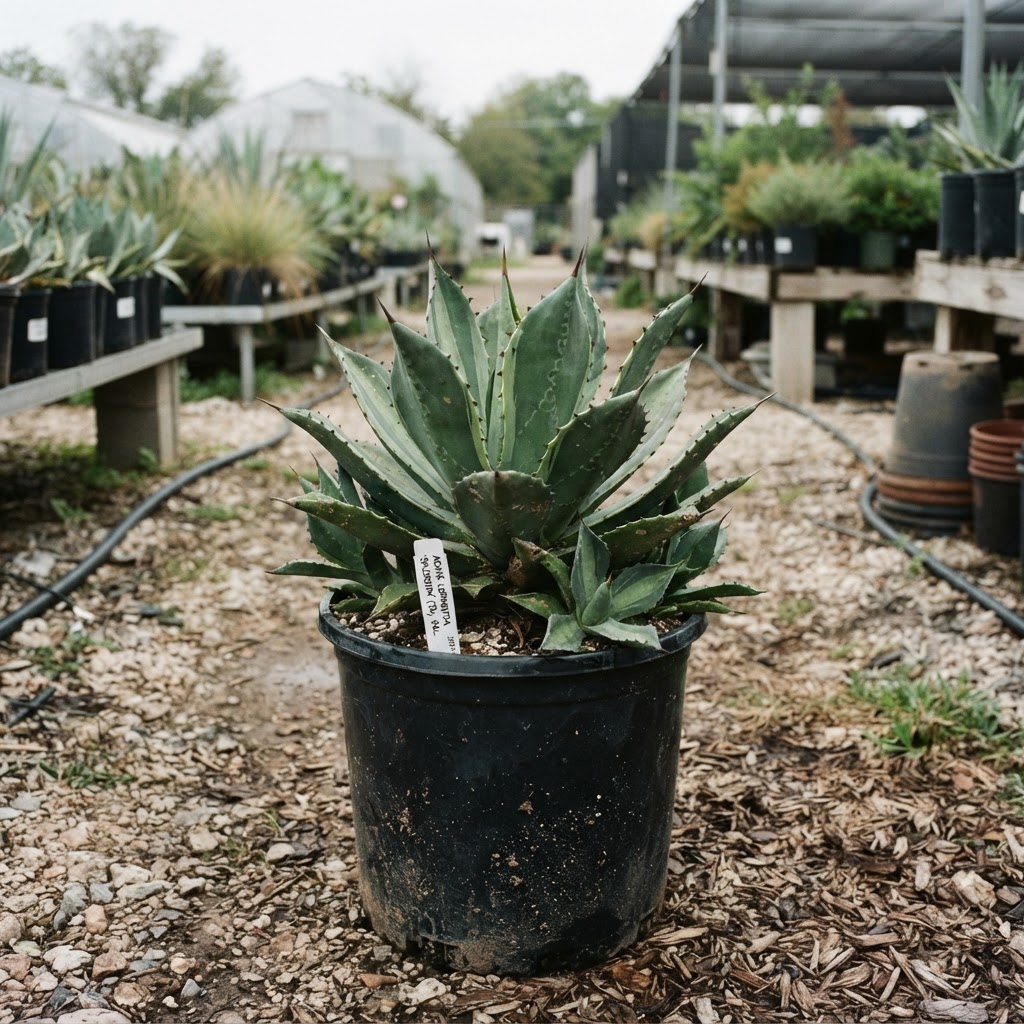
Agave lophantha 'Splendida' (7b)
$35.56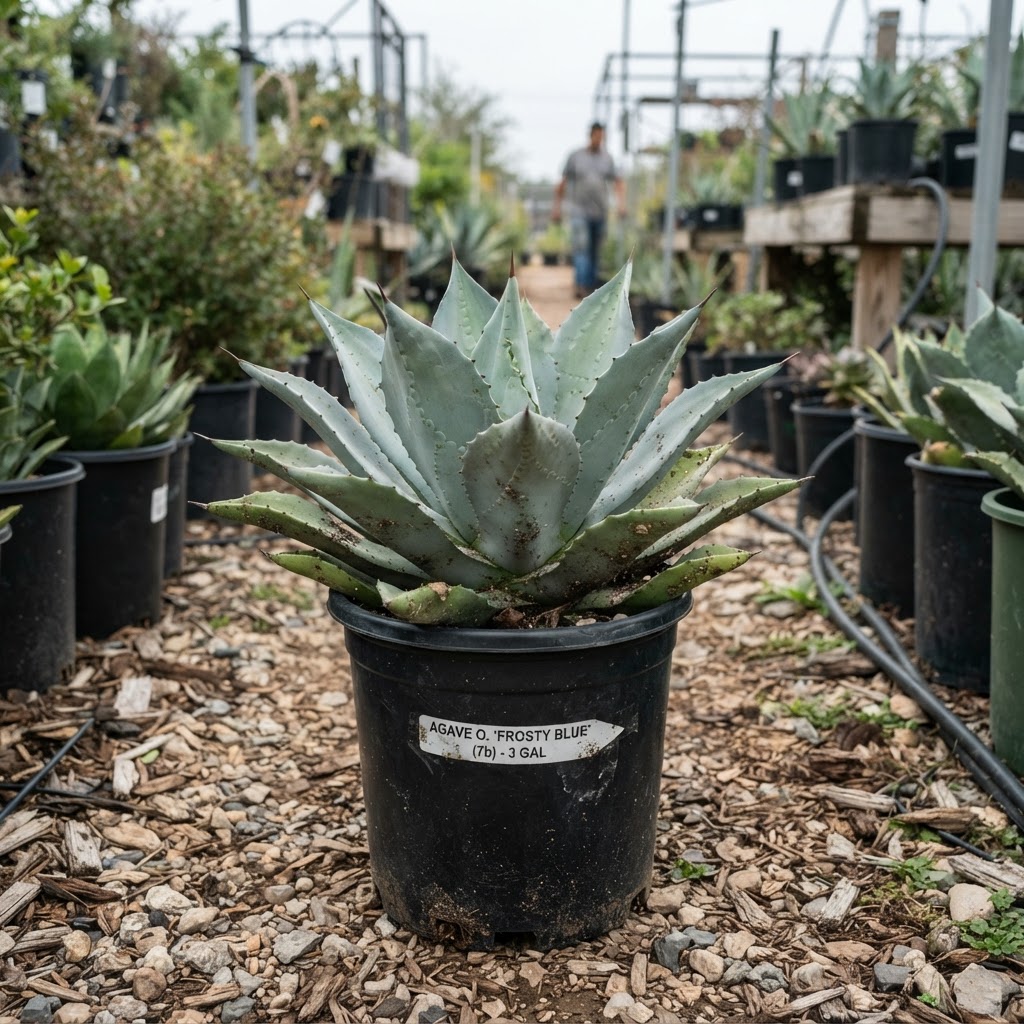
Agave o. 'Frosty Blue' (7b)
$33.77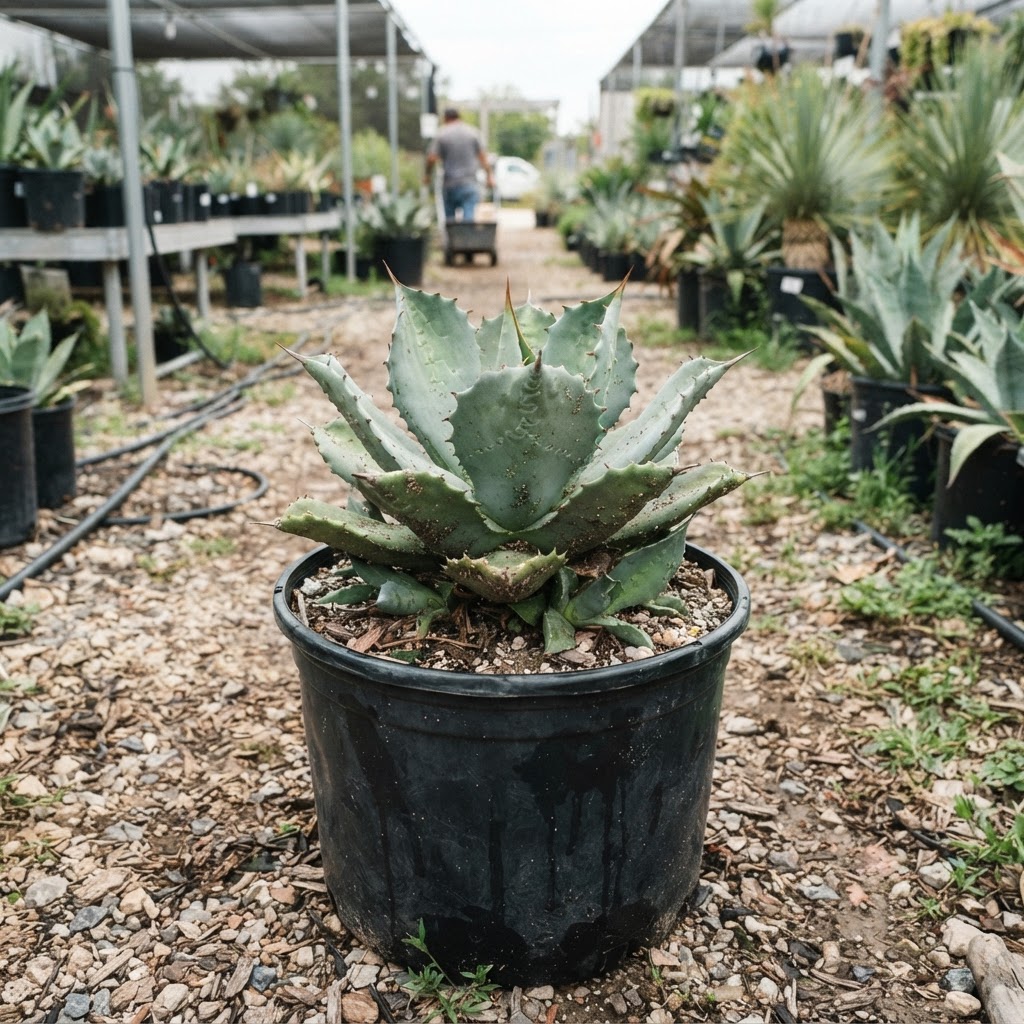
Agave o. 'Vanzie' (7b)
$33.77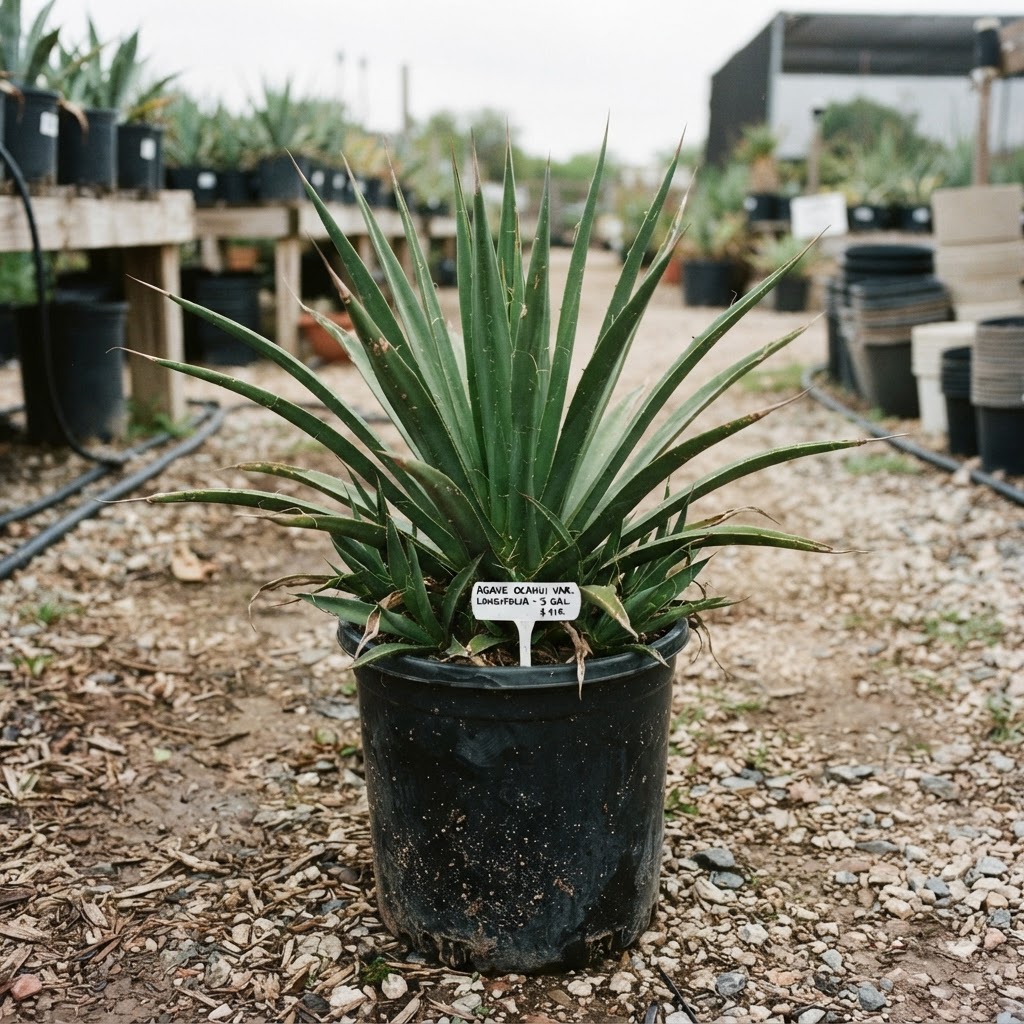
Agave ocahui var. Longifolia
$35.56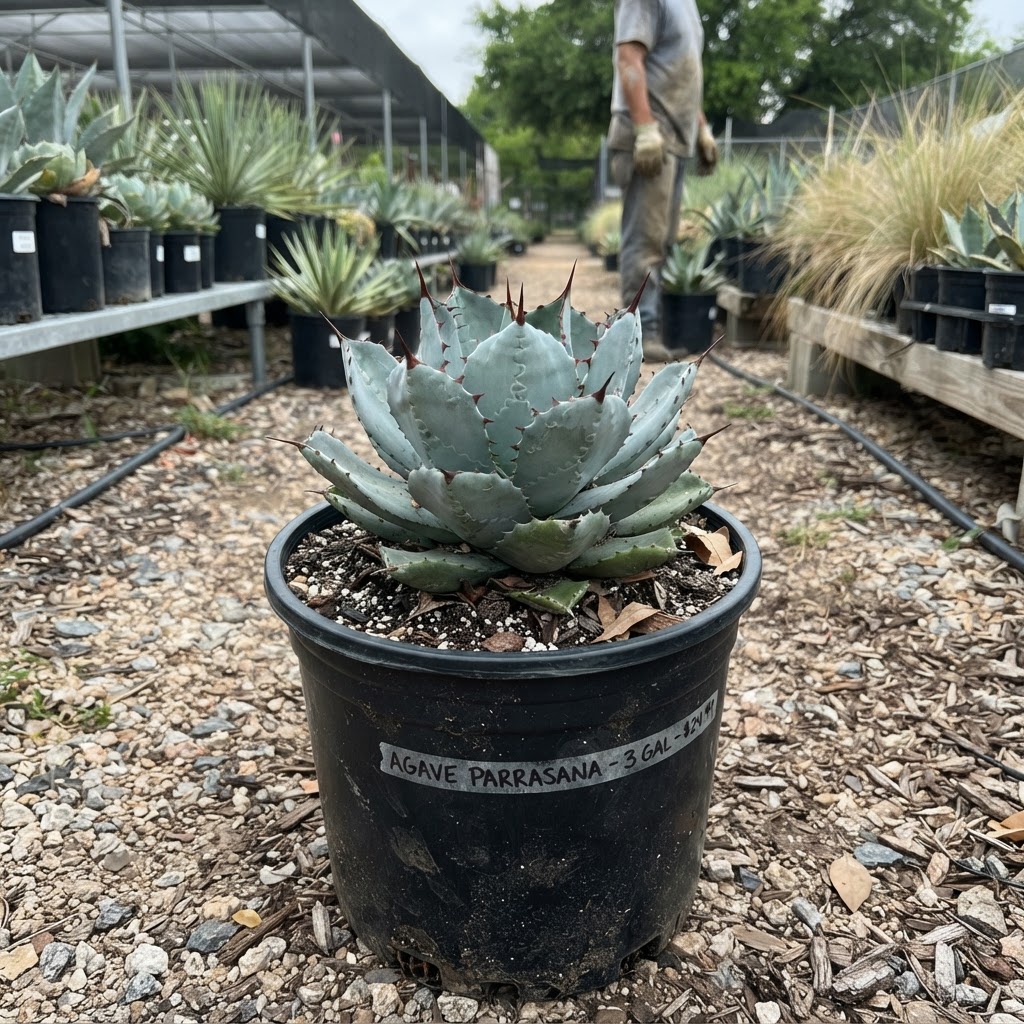
Agave parrasana (8a)
$35.56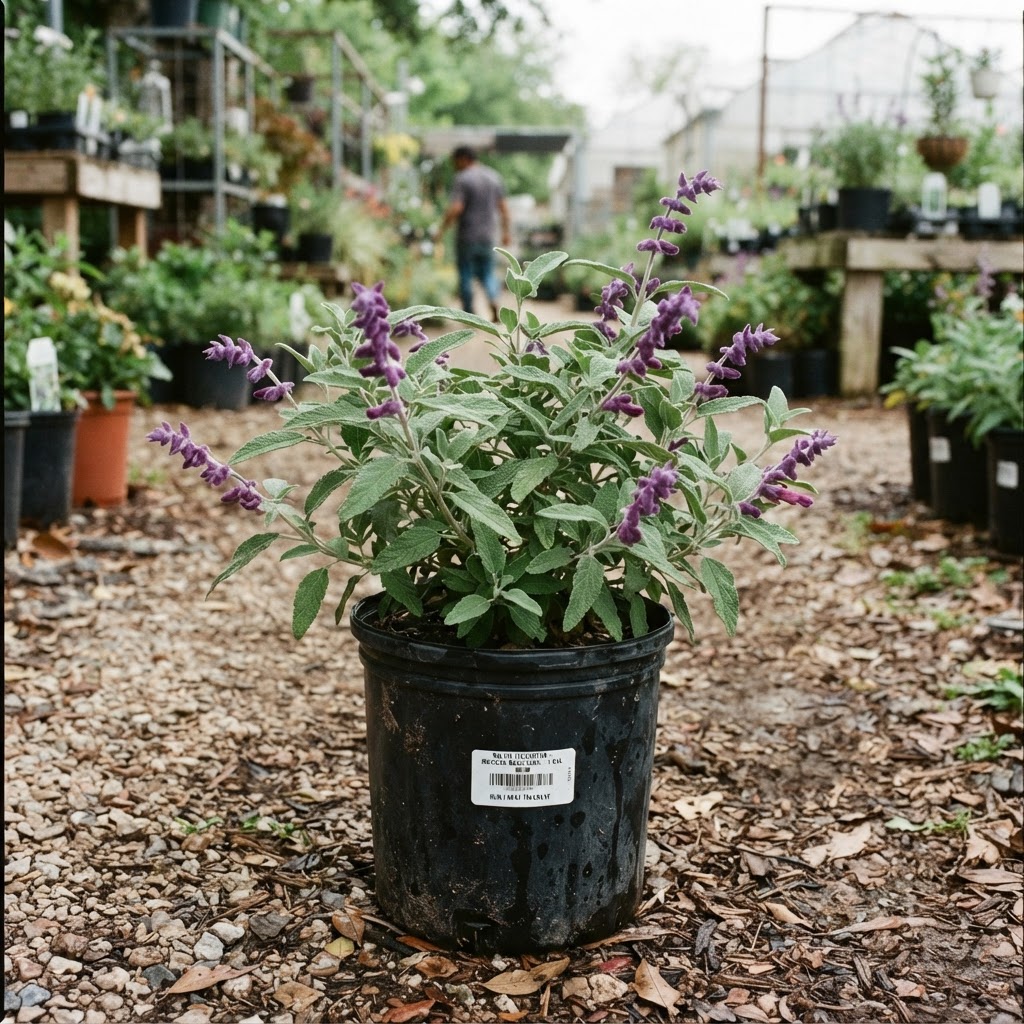
Salvia leucantha
$6.89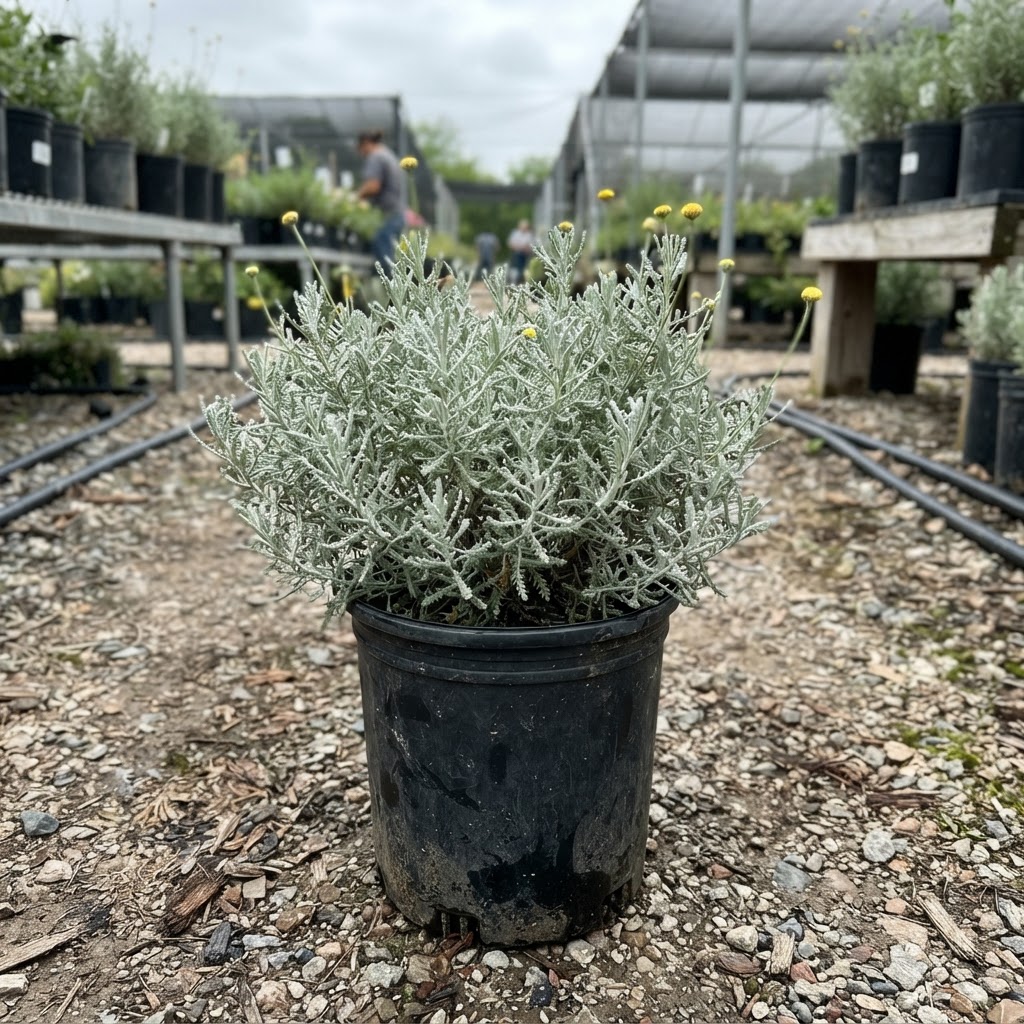
Santolina chamaecyparissus "Gray"
$8.48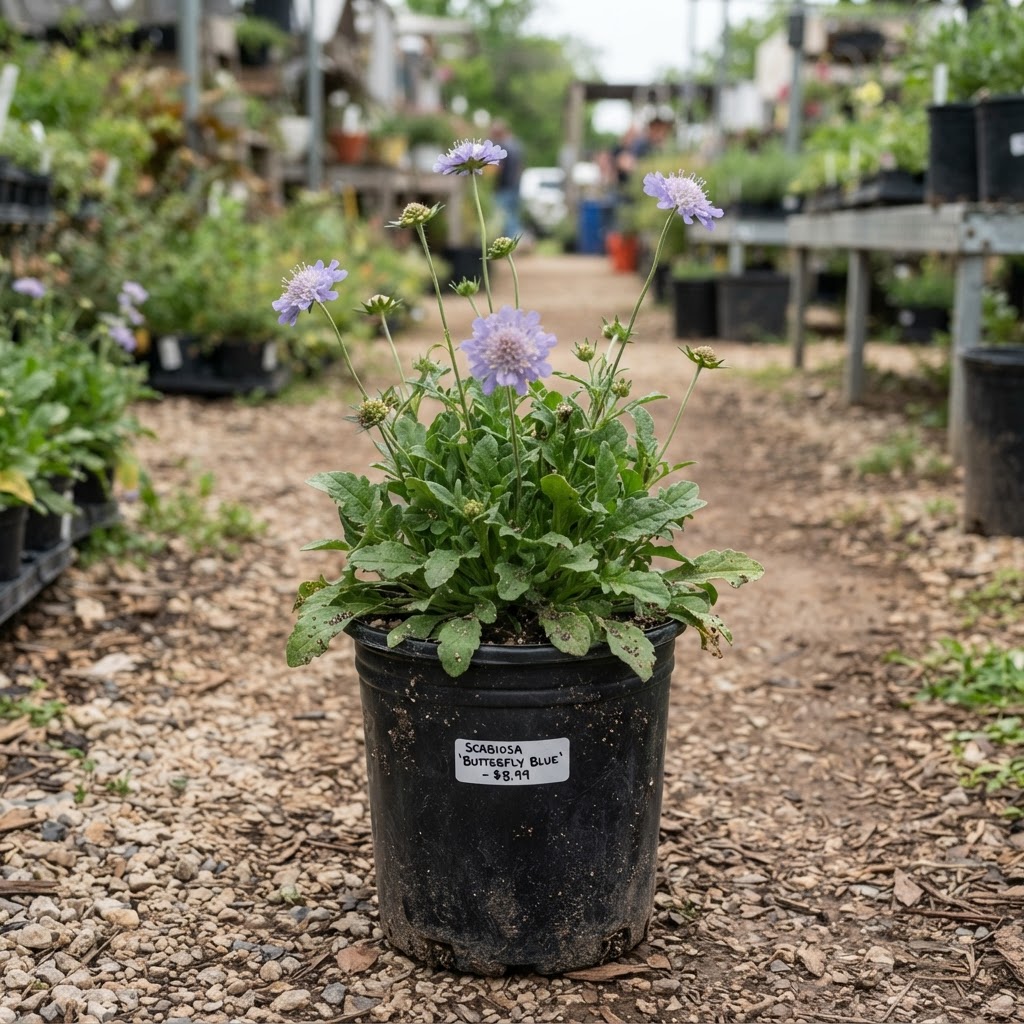
Scabiosa c. 'Butterfly Blue'
$6.89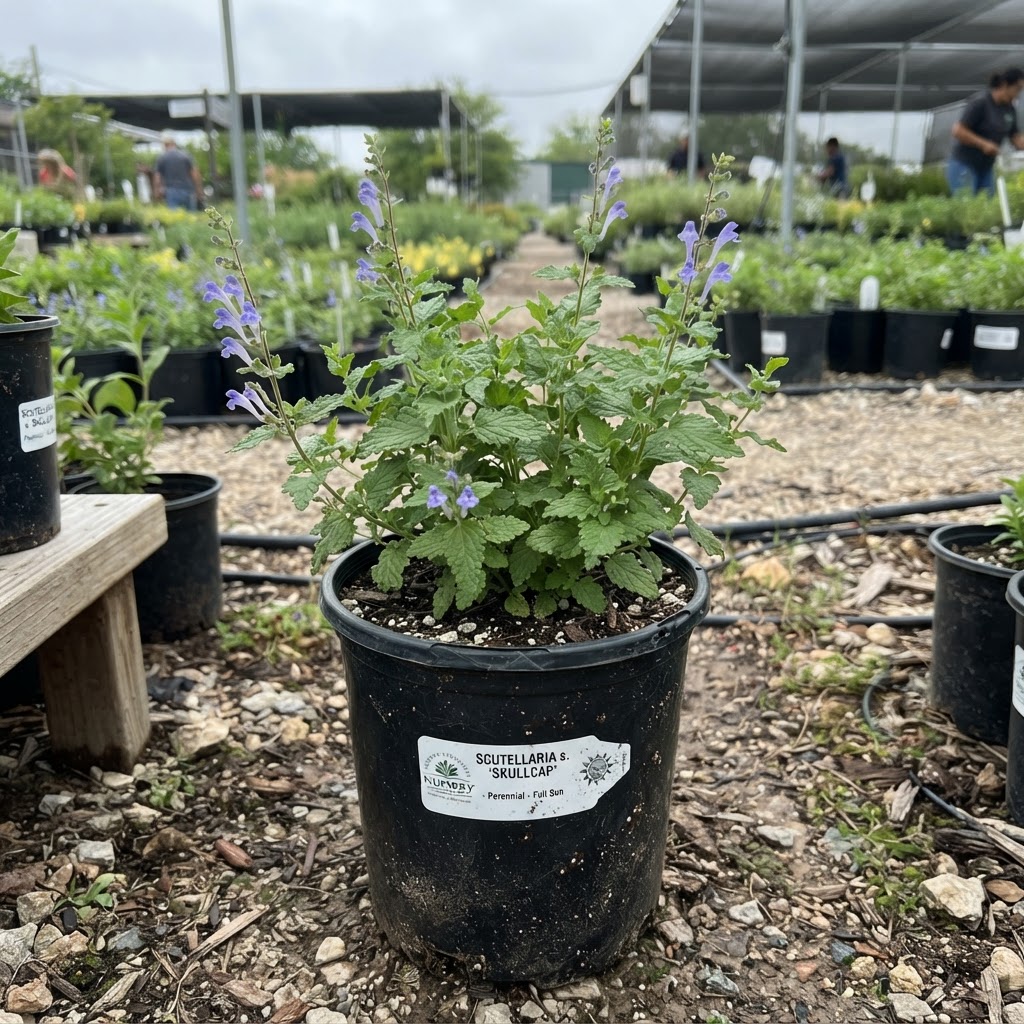
Scutellaria s. "Skullcap"
$8.04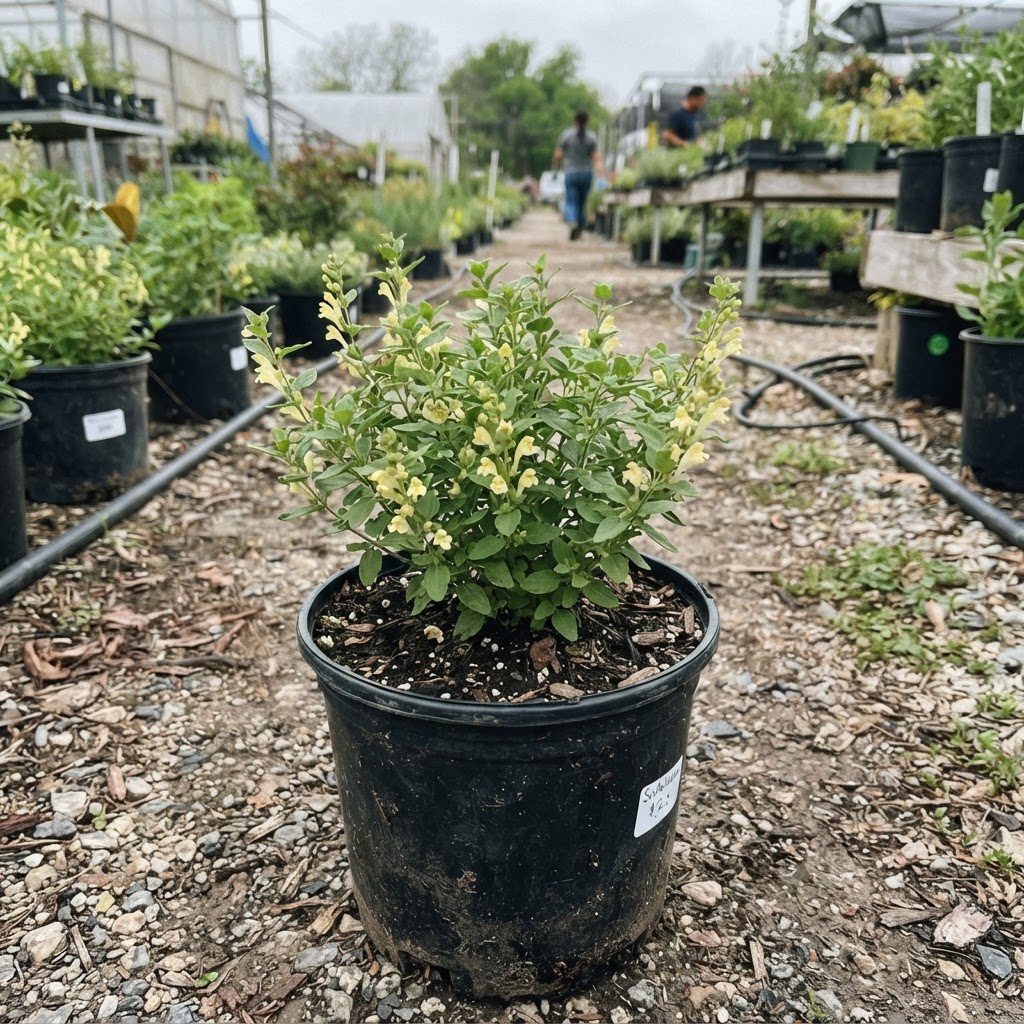
Scutellaria s. 'Yellow Skullcap'
$8.04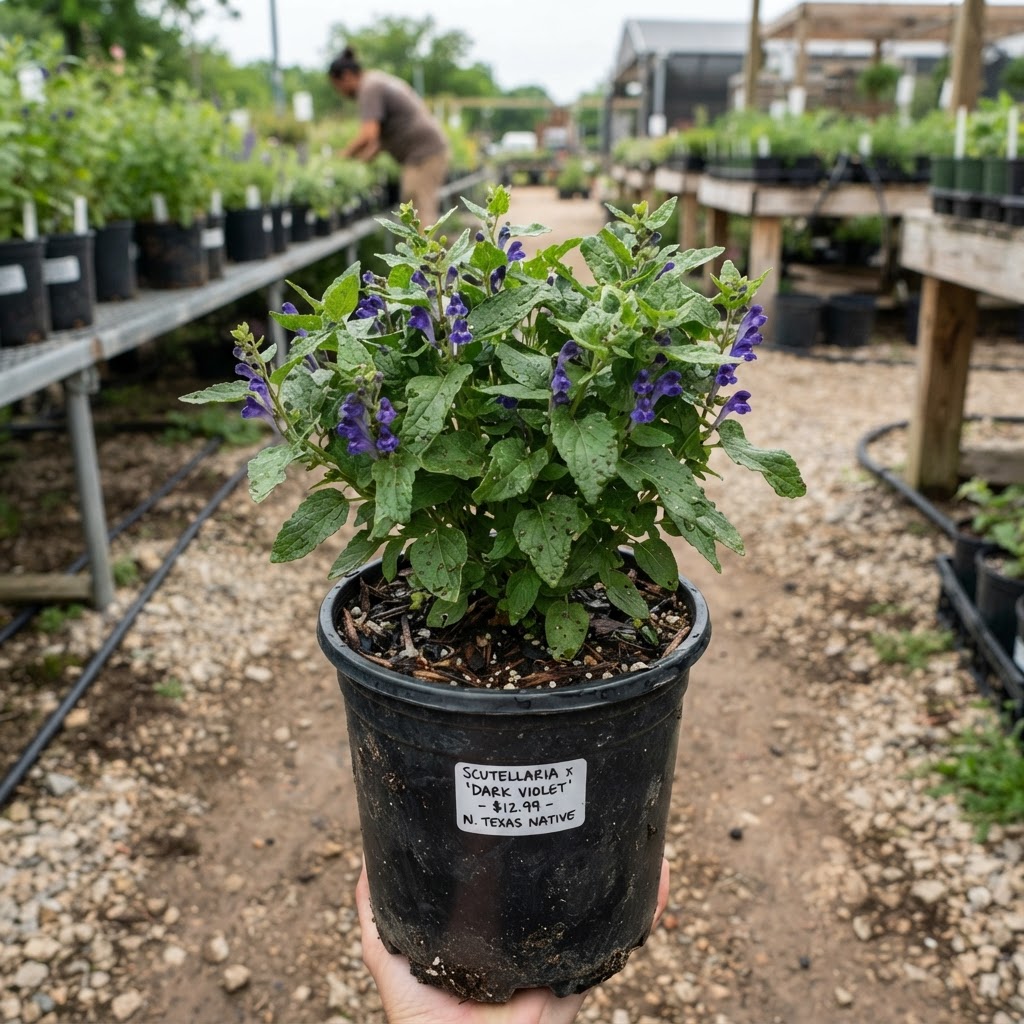
Scutellaria x 'Dark Violet'
$8.04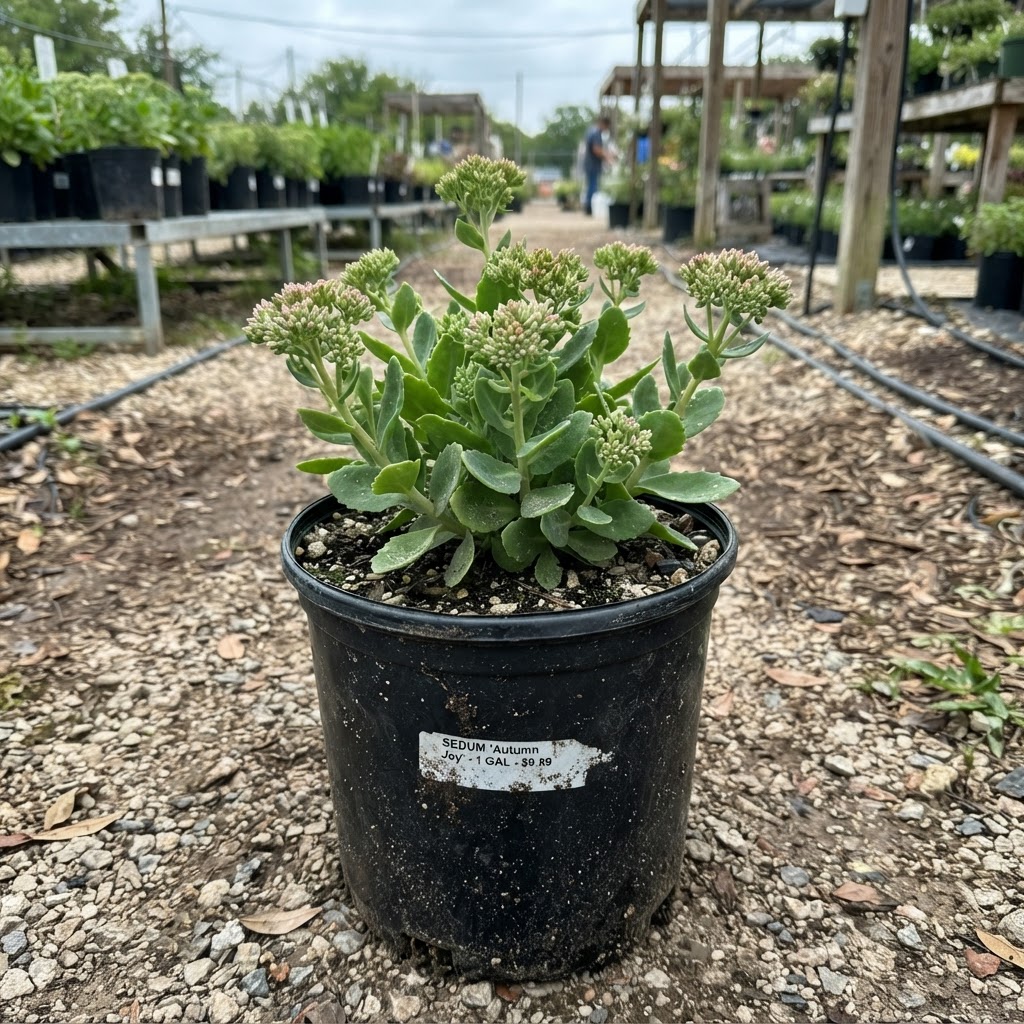
Sedum s. 'Autumn Joy'
$7.15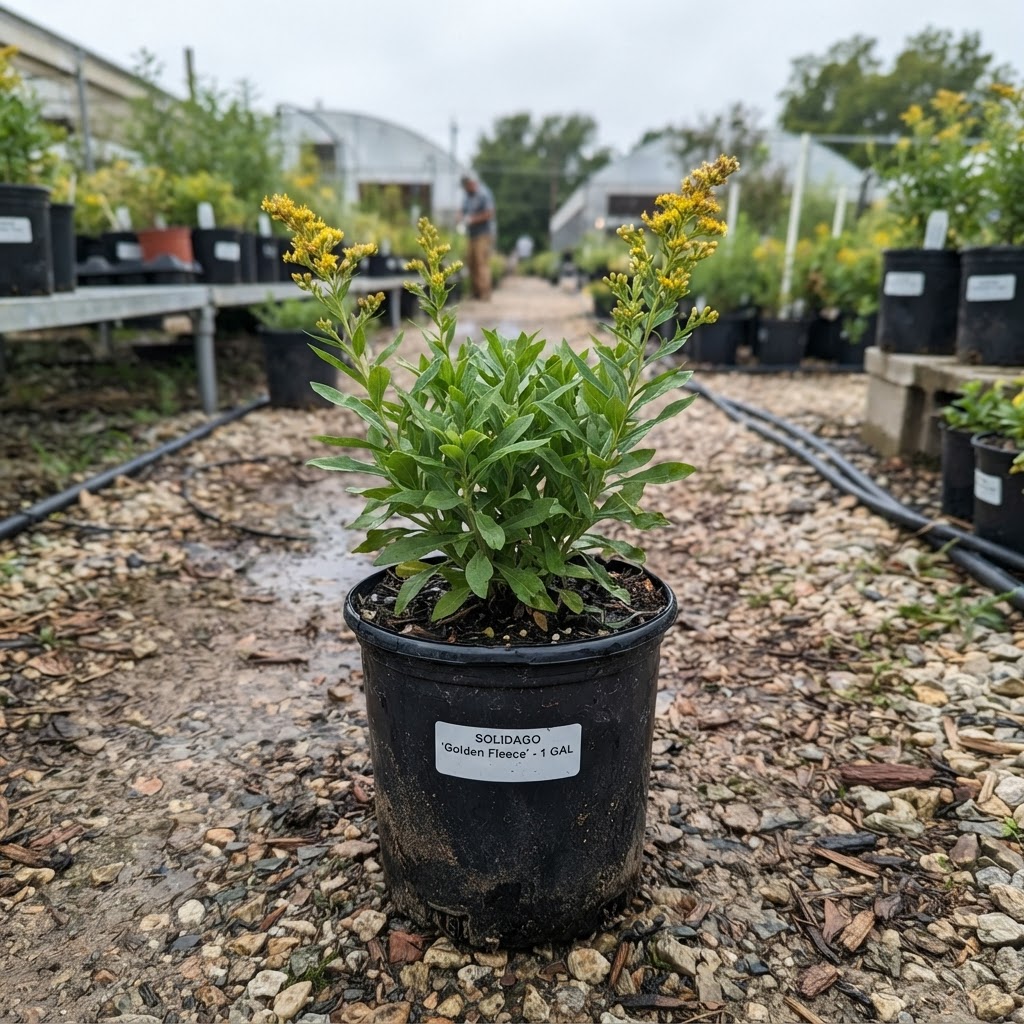
Solidago sphacelata 'Golden Fleece'
$8.94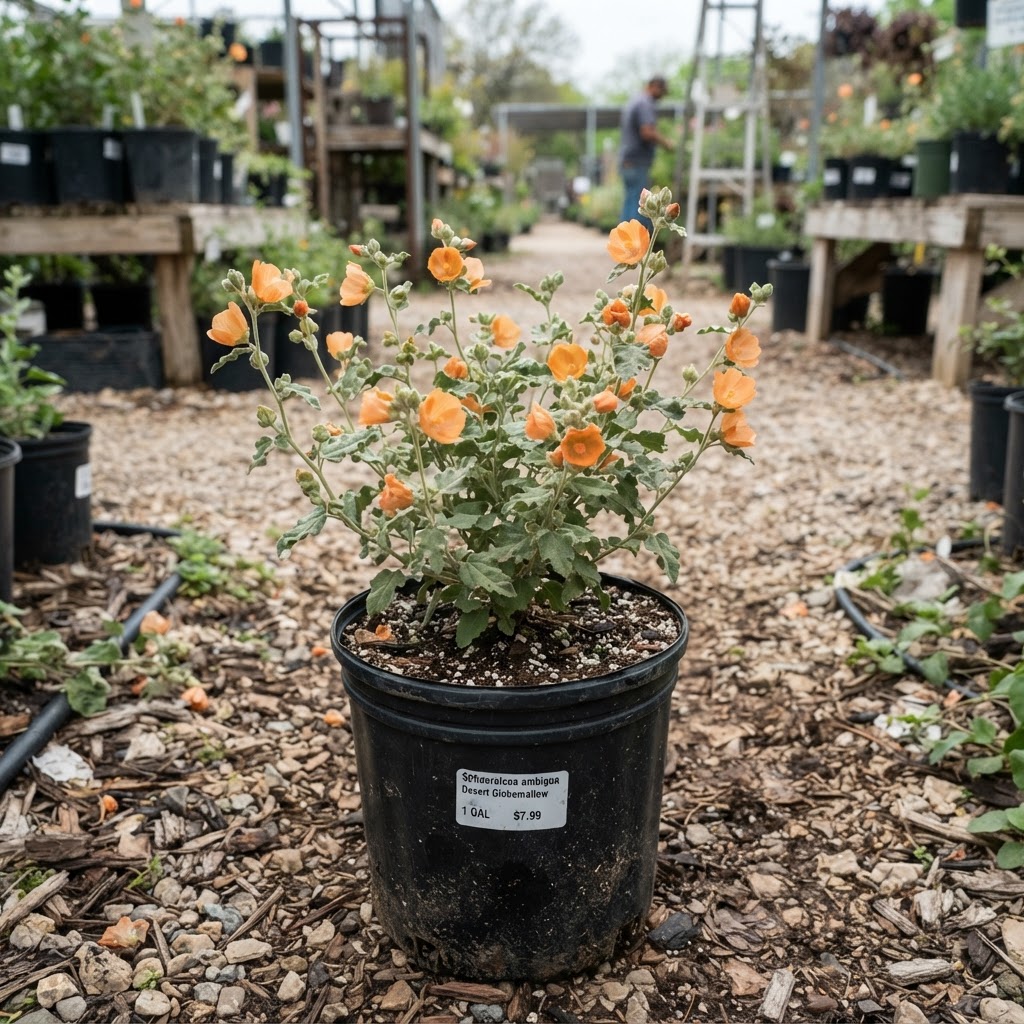
Sphaeralcea ambigua 'Desert Globemallow'
$8.04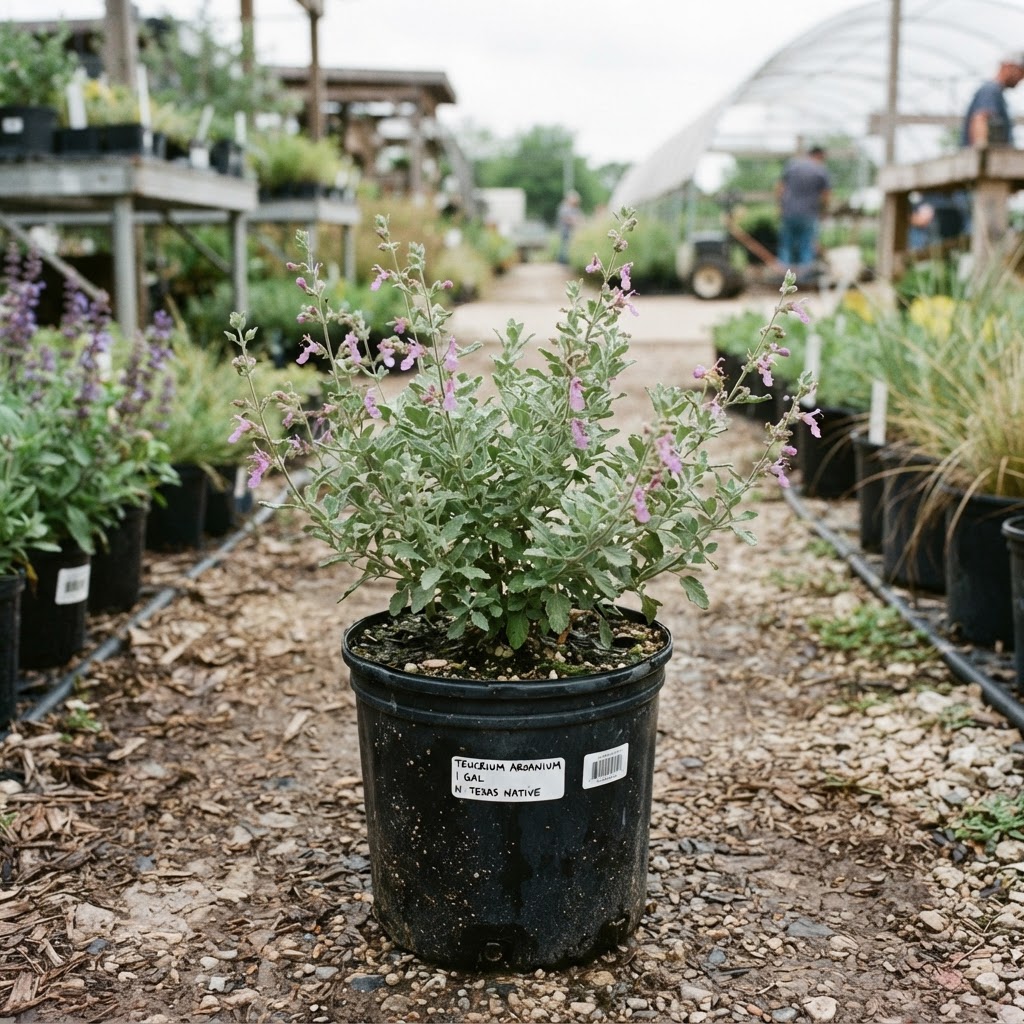
Teucrium aroanium
$8.04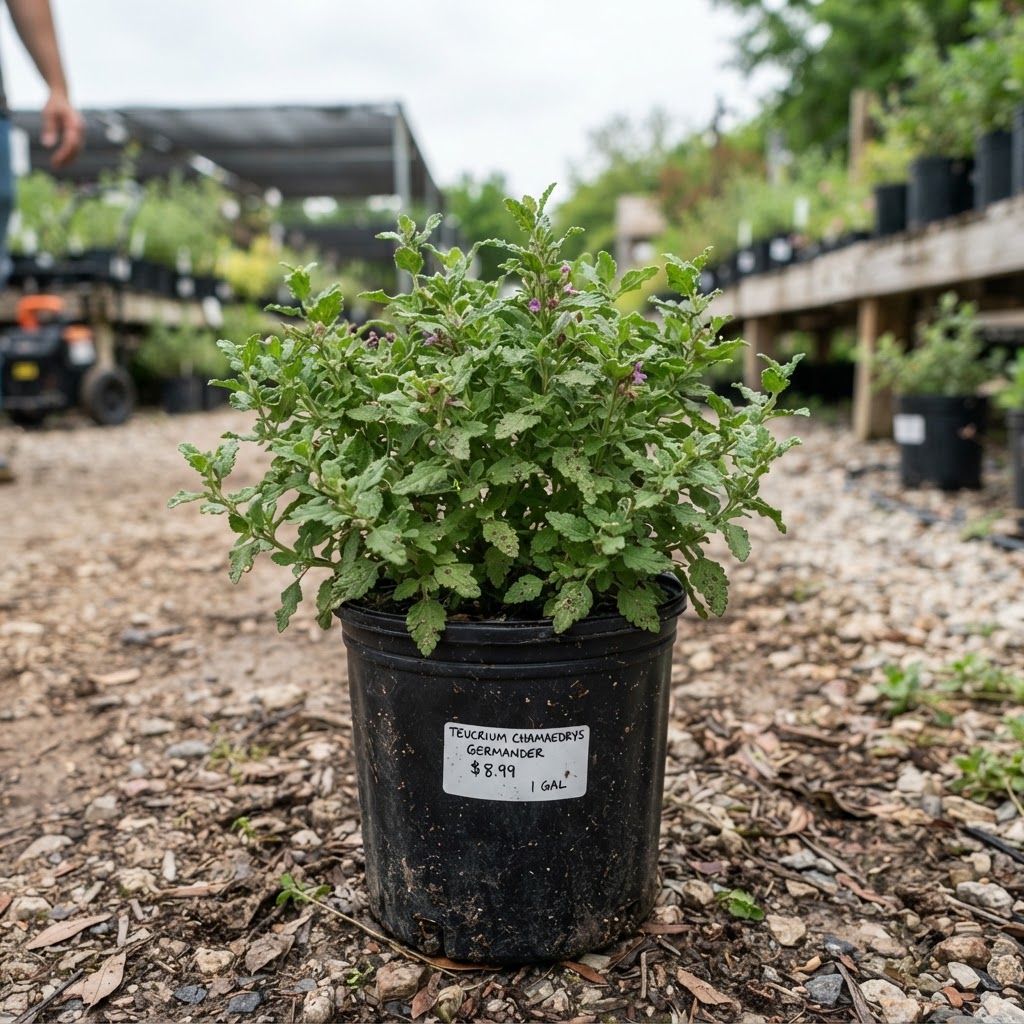
Teucrium chamaedrys
$7.58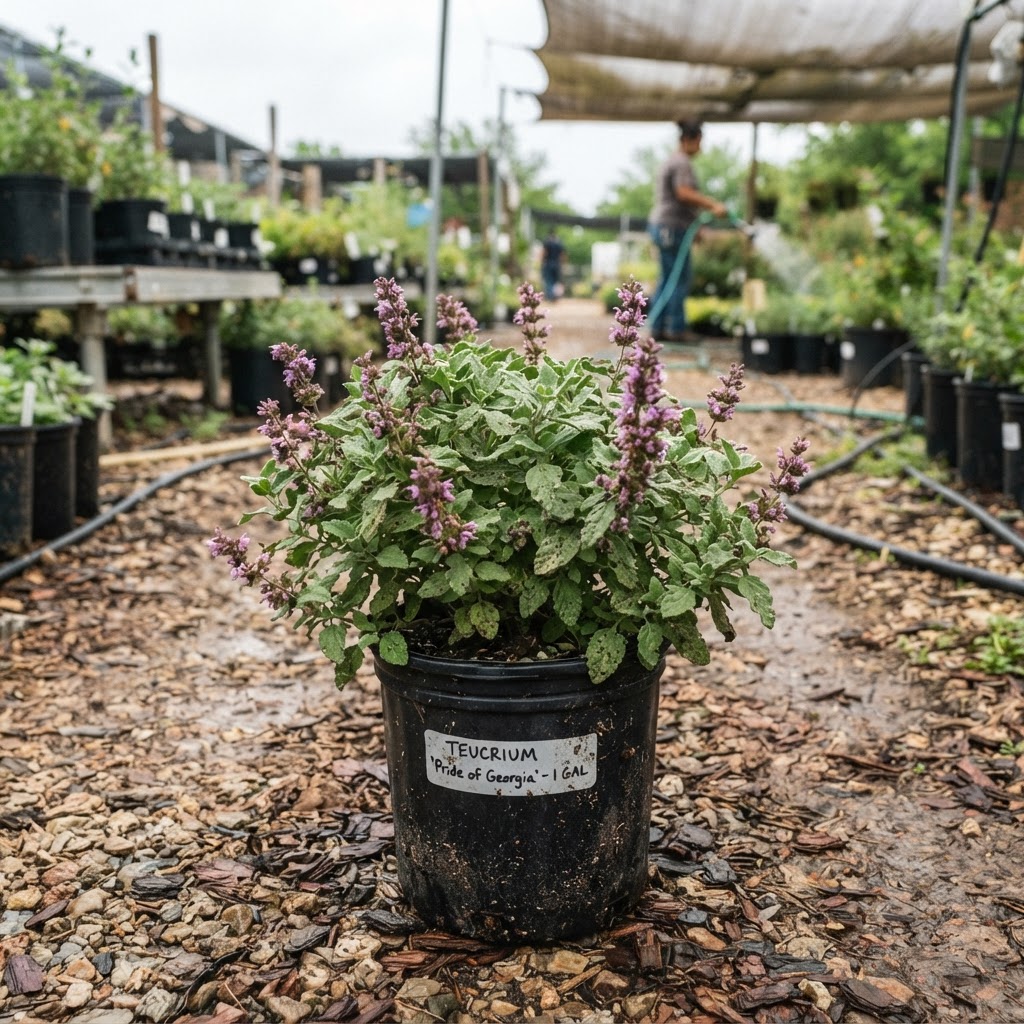
Teucrium chamaedrys 'Pride of Georgia'
$8.04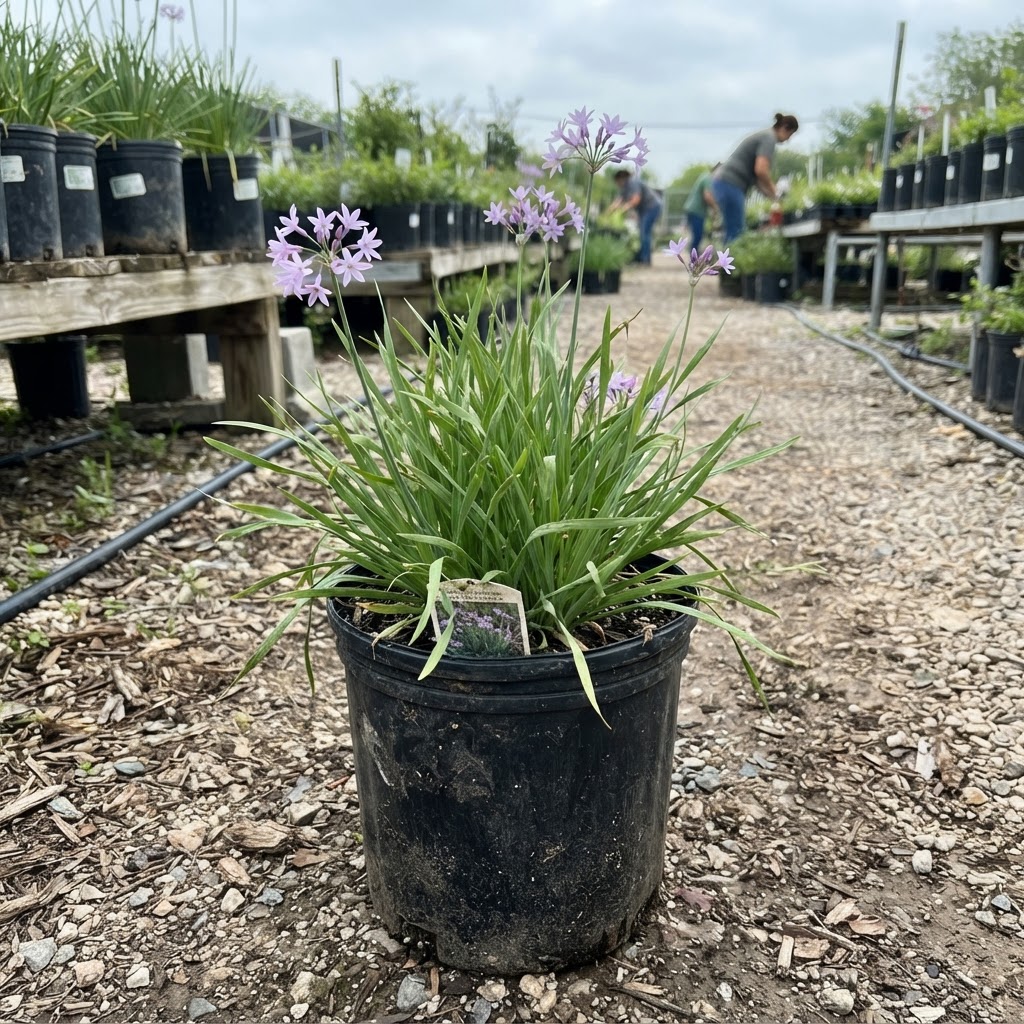
Tulbaghia v. Society Garlic
$7.15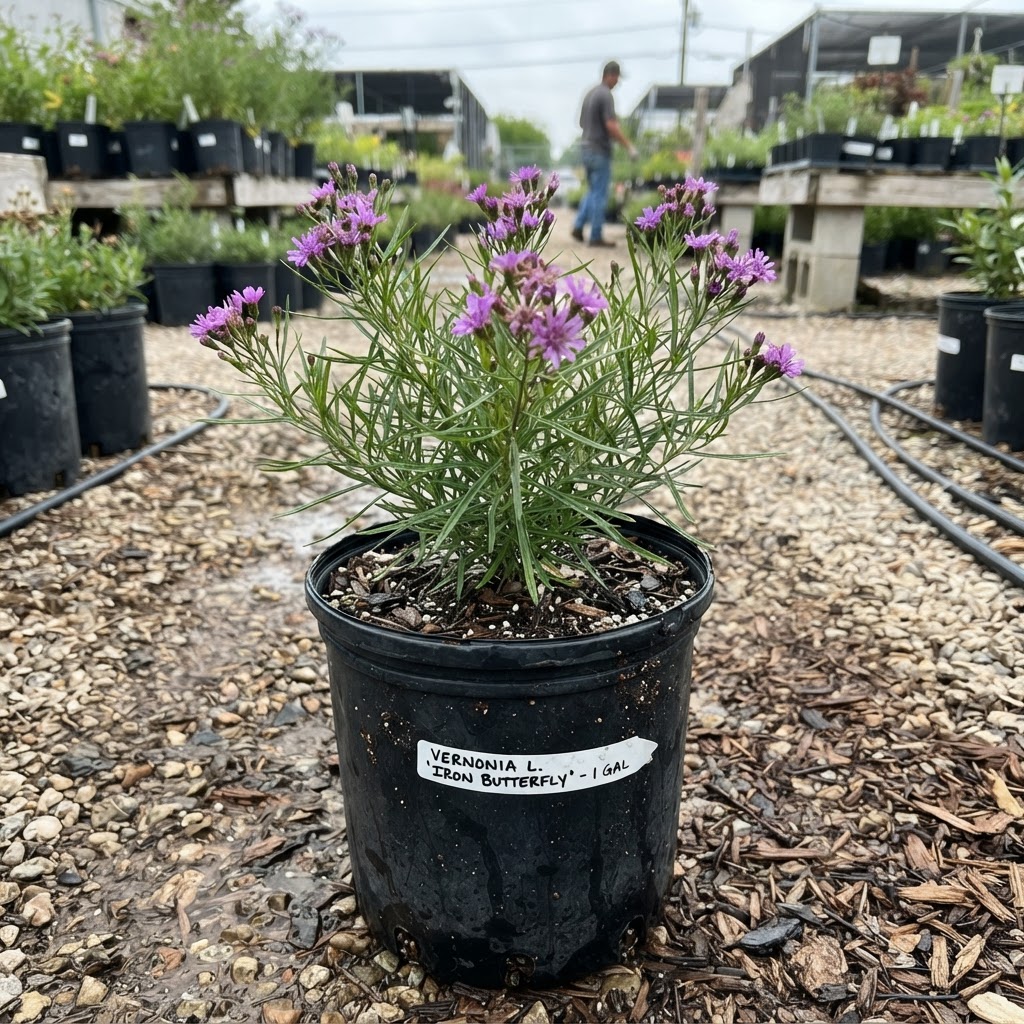
Vernonia lettermannii 'Iron Butterfly'
$8.94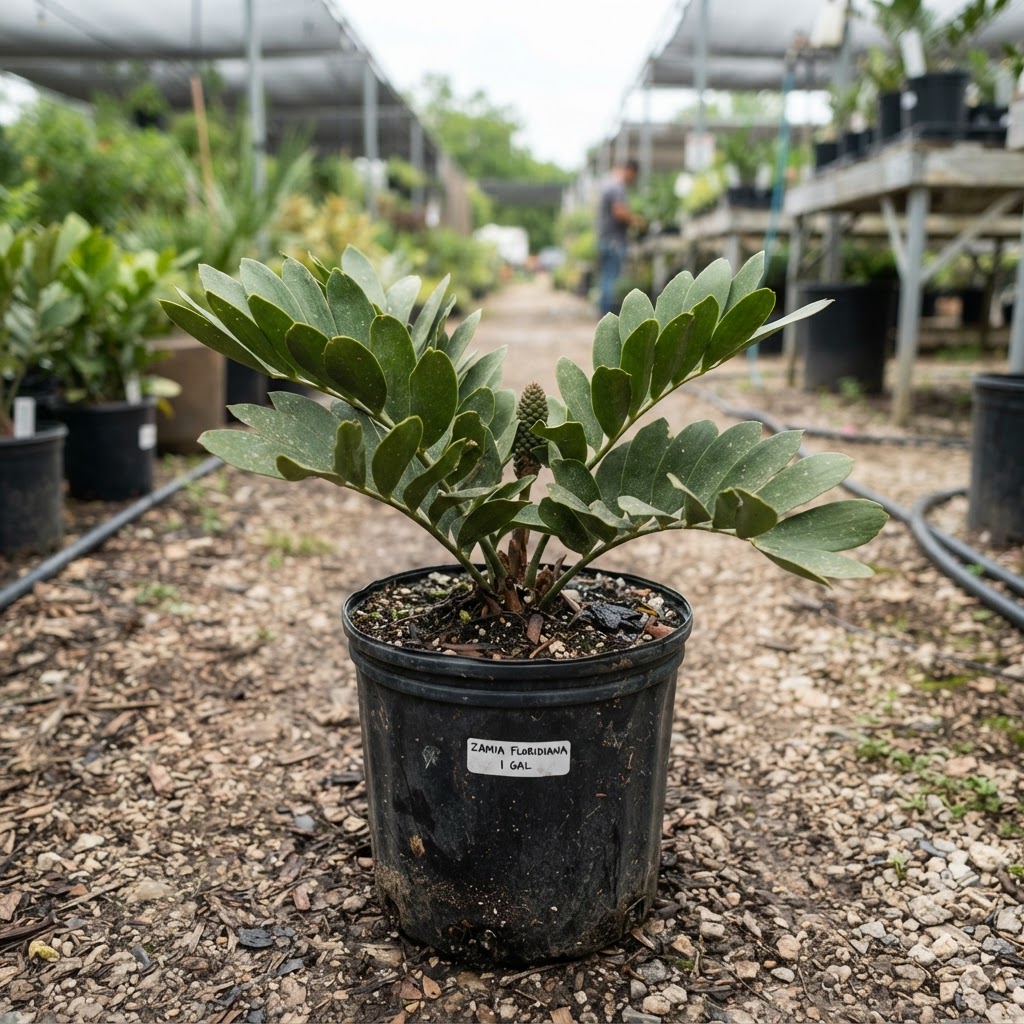
Zamia floridiana
$14.28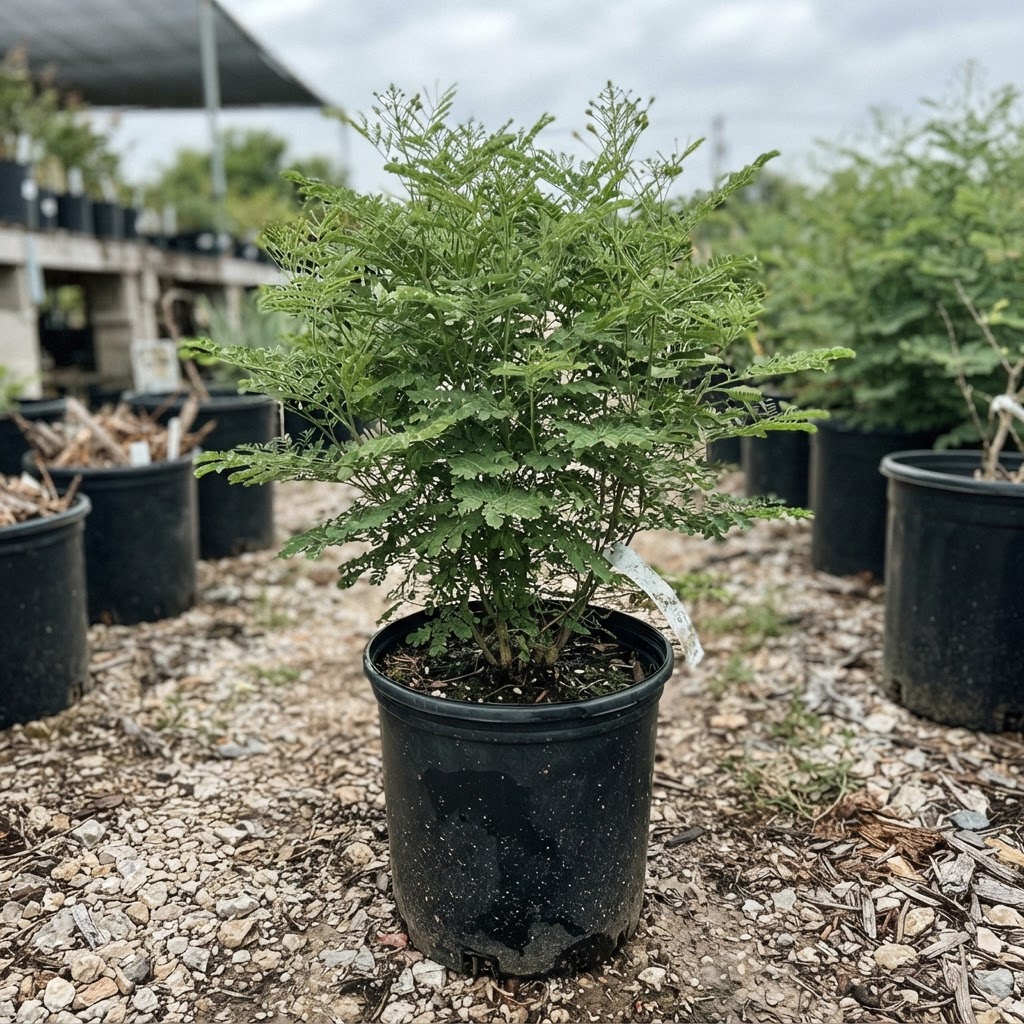
Caesalpinia pulcherrima
$24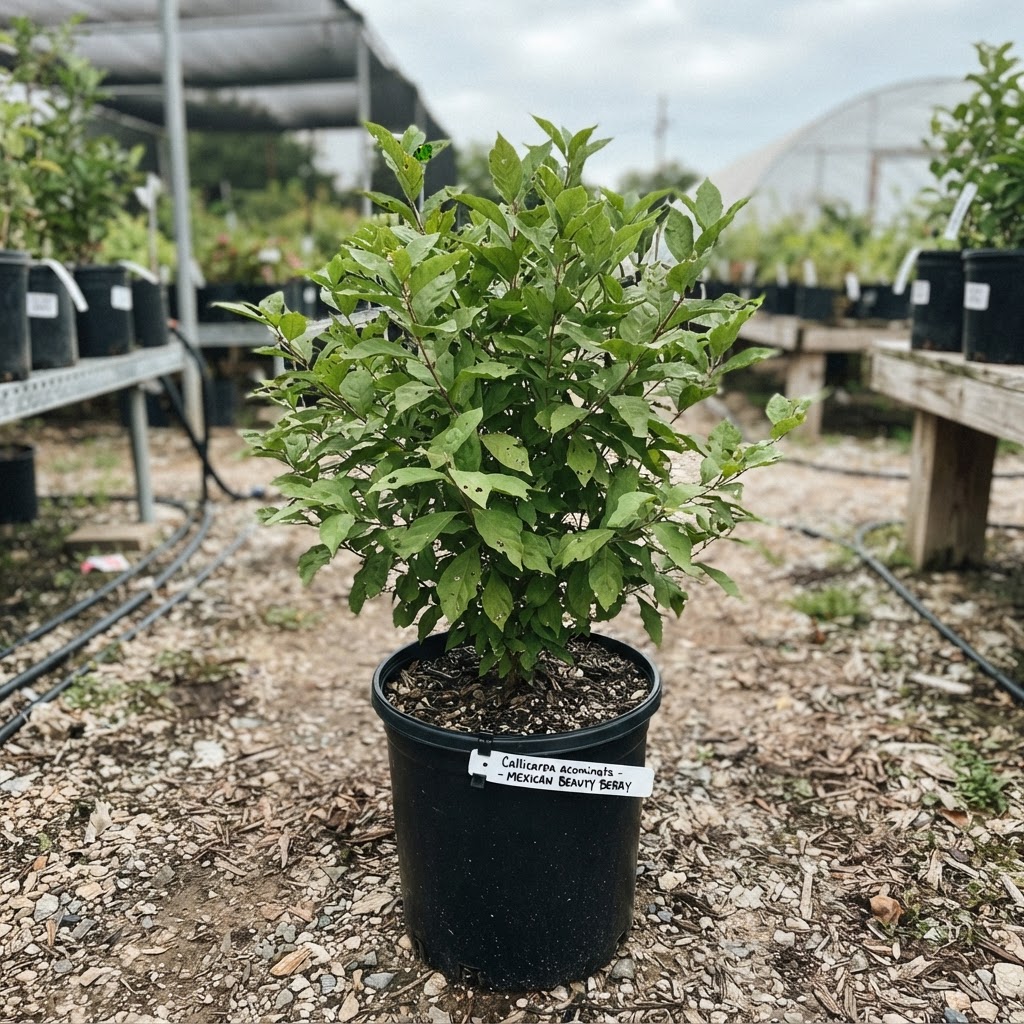
Callicarpa acuminata "Mexican Beauty Berry"
$24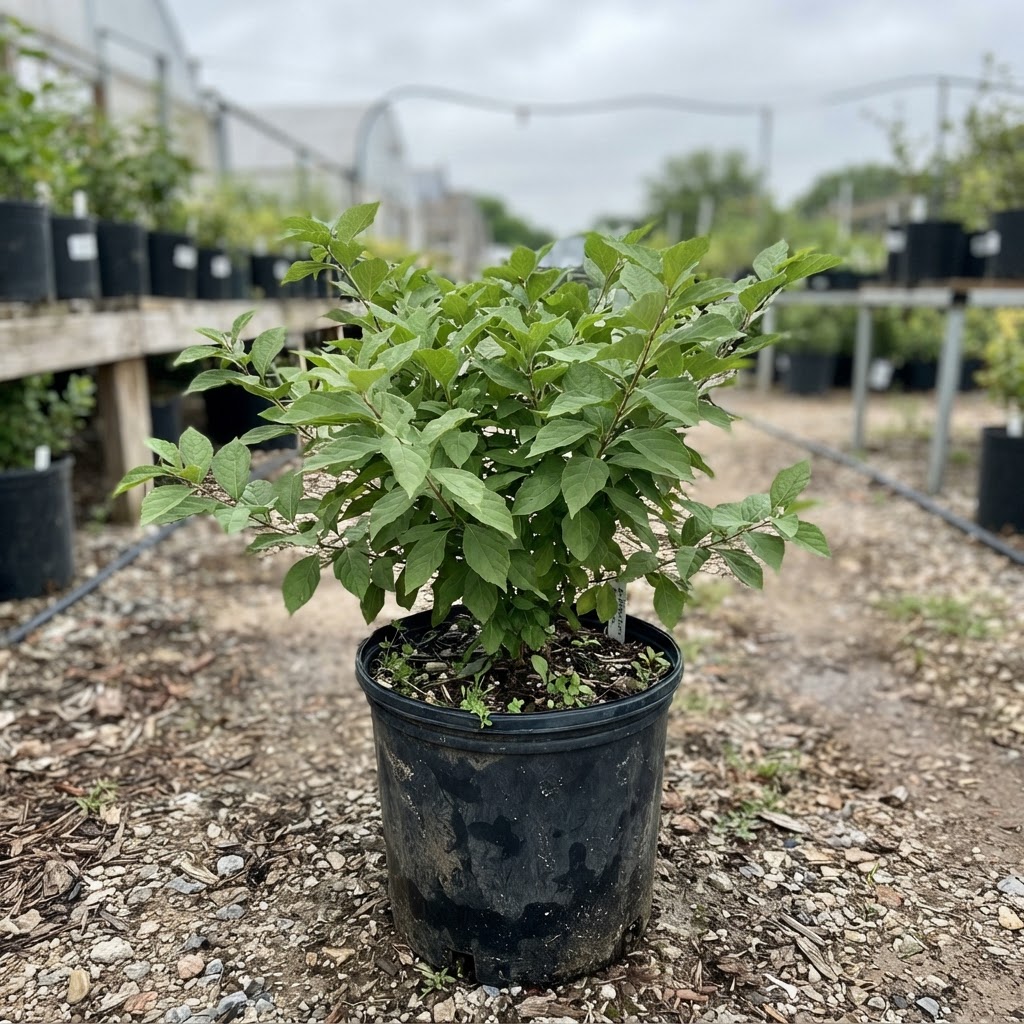
Callicarpa americana
$22.22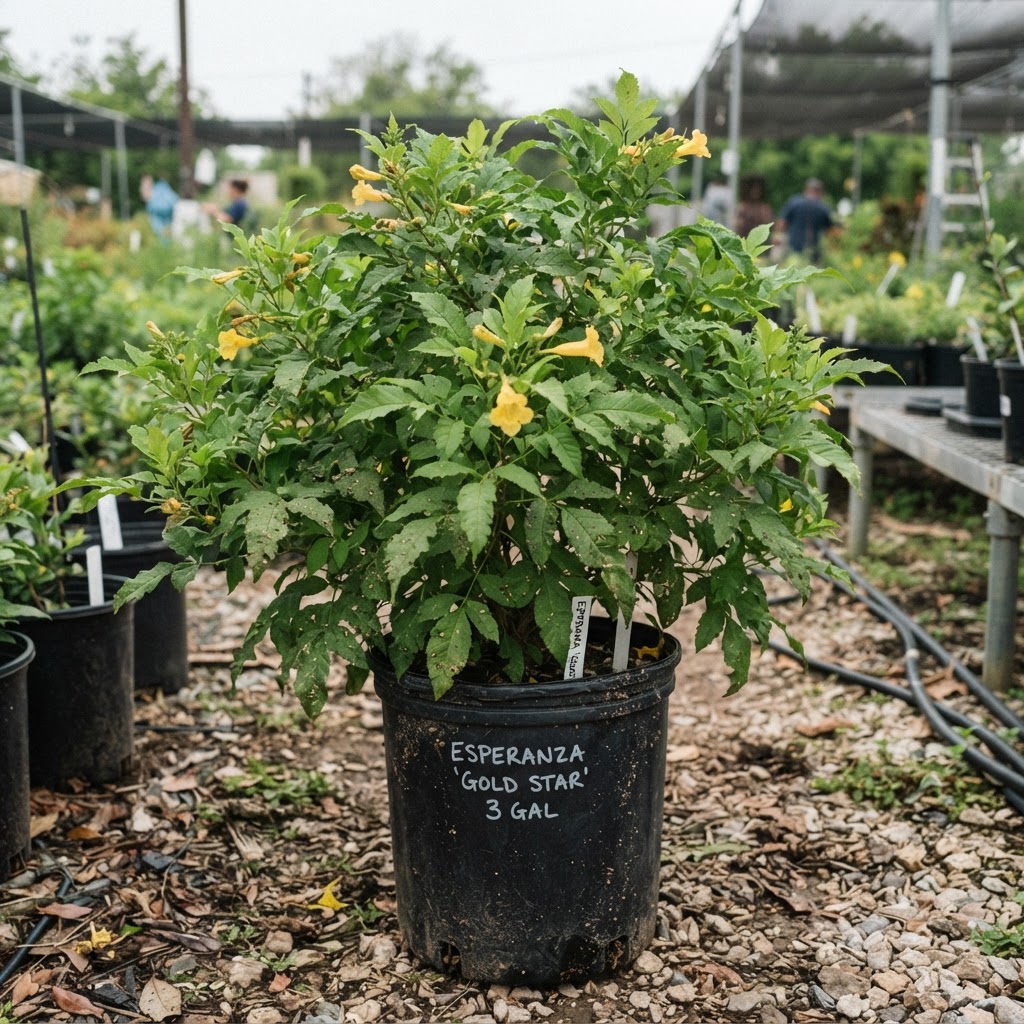
Esperanza 'Gold Star'
$20.89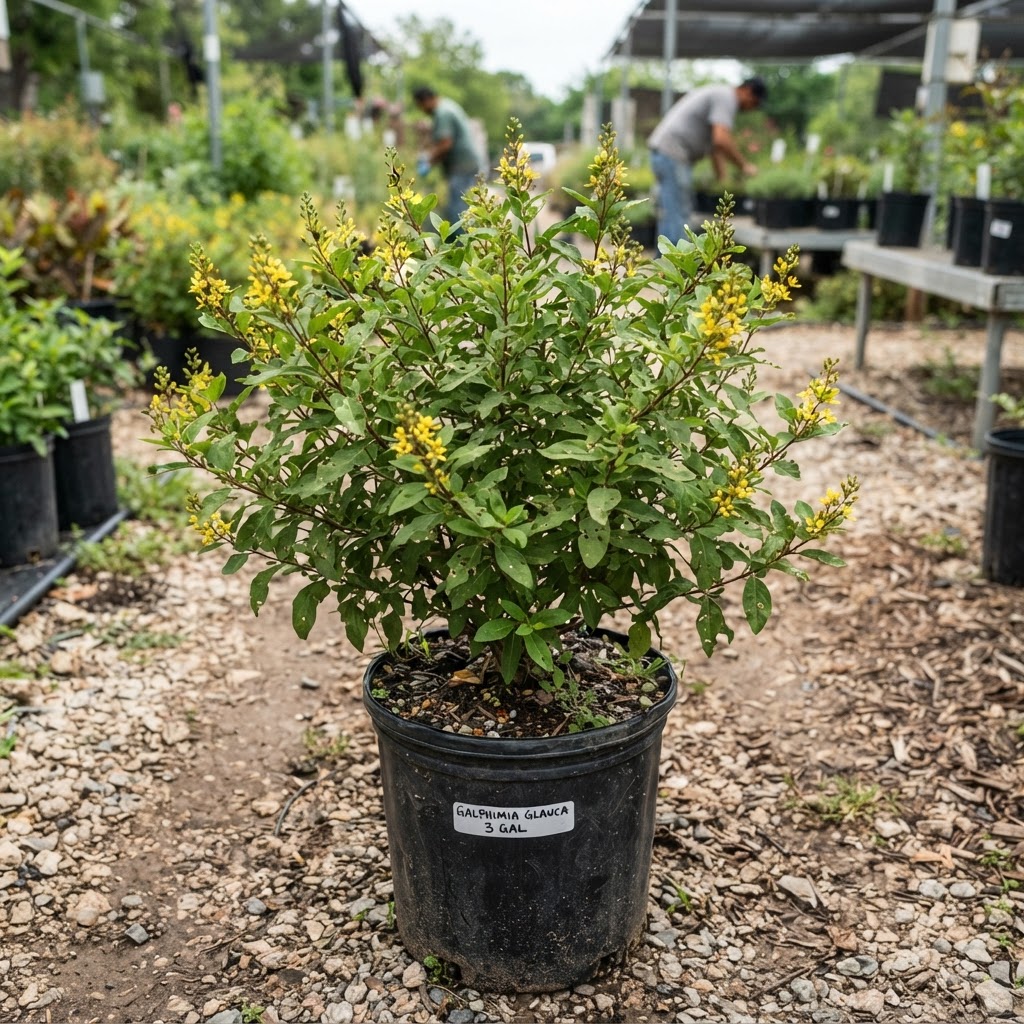
Galphimia glauca "Golden Thyrallis"
$22.22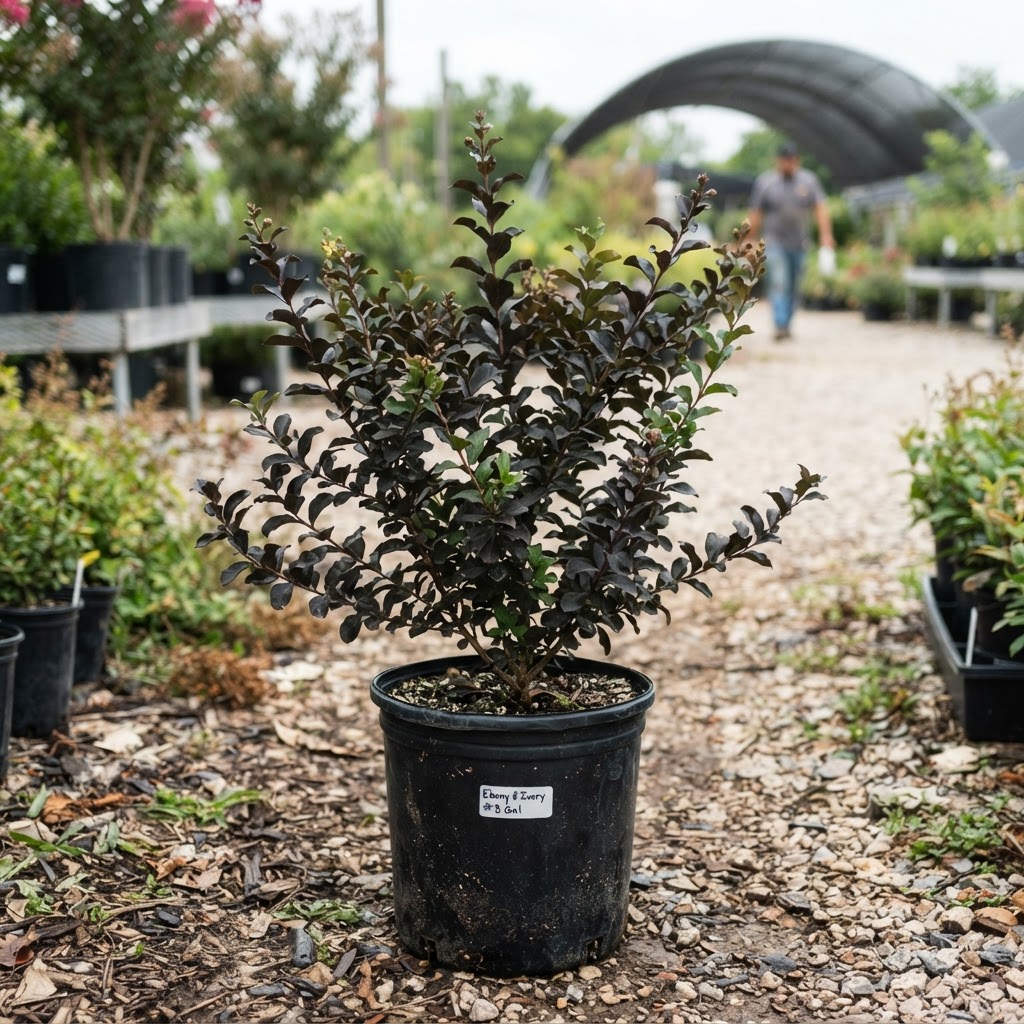
Lagerstroemia 'Ebony & Ivory'
$22.22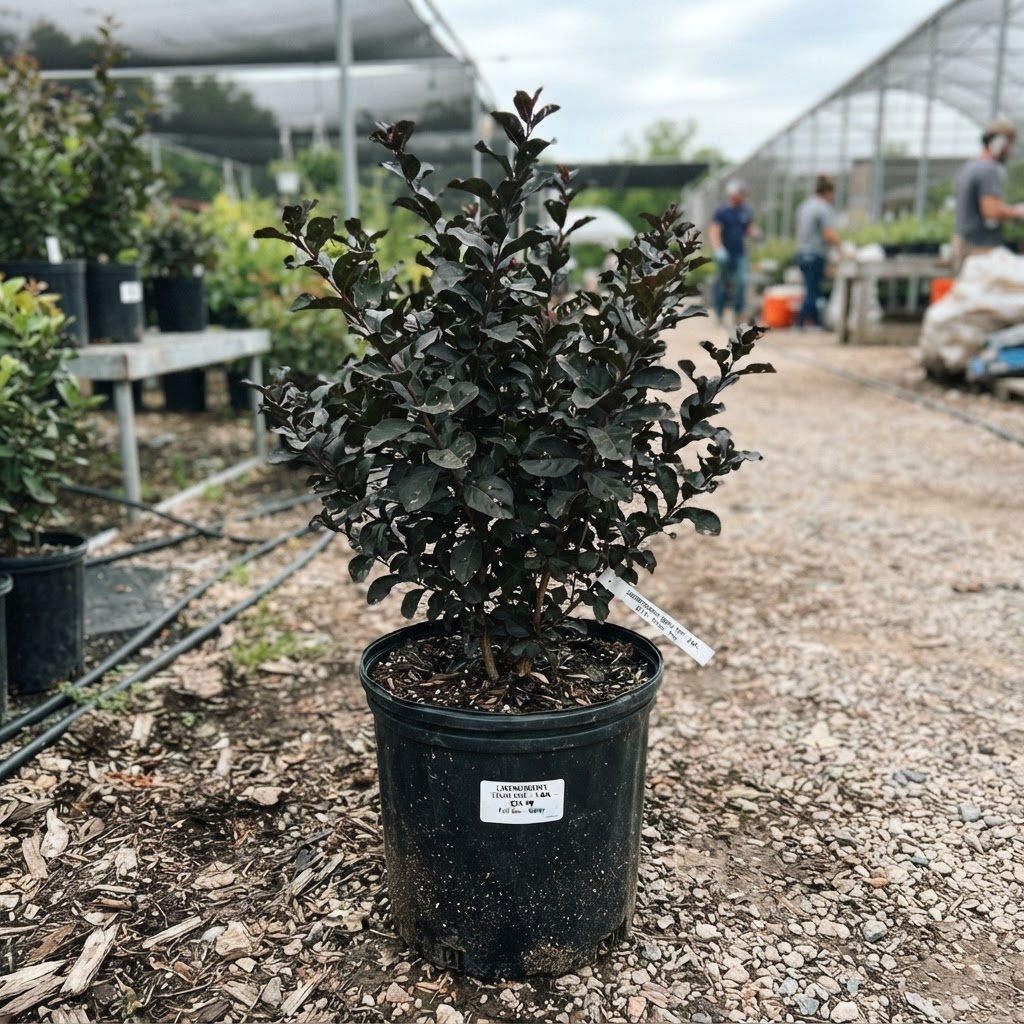
Lagerstroemia 'Ebony Fire'
$22.22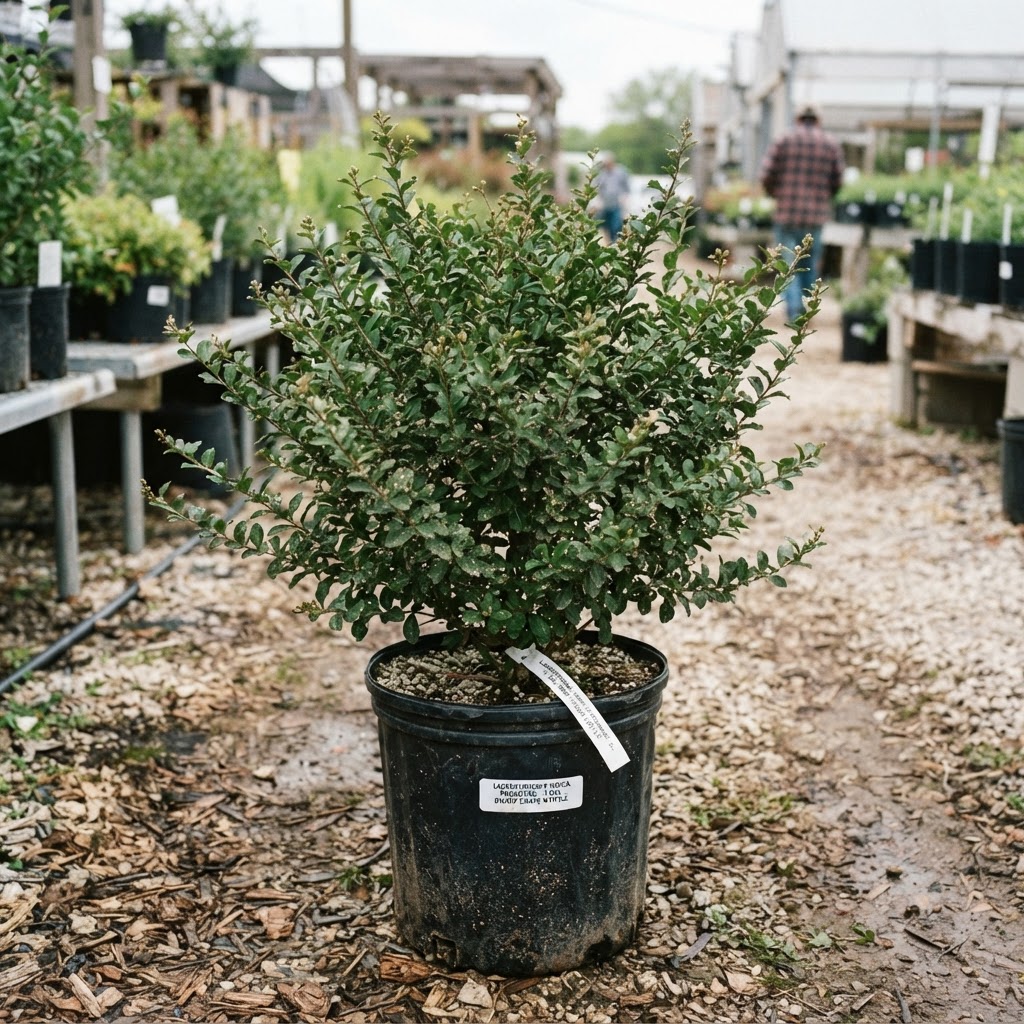
Lagerstroemia 'Pocomoke'
$22.22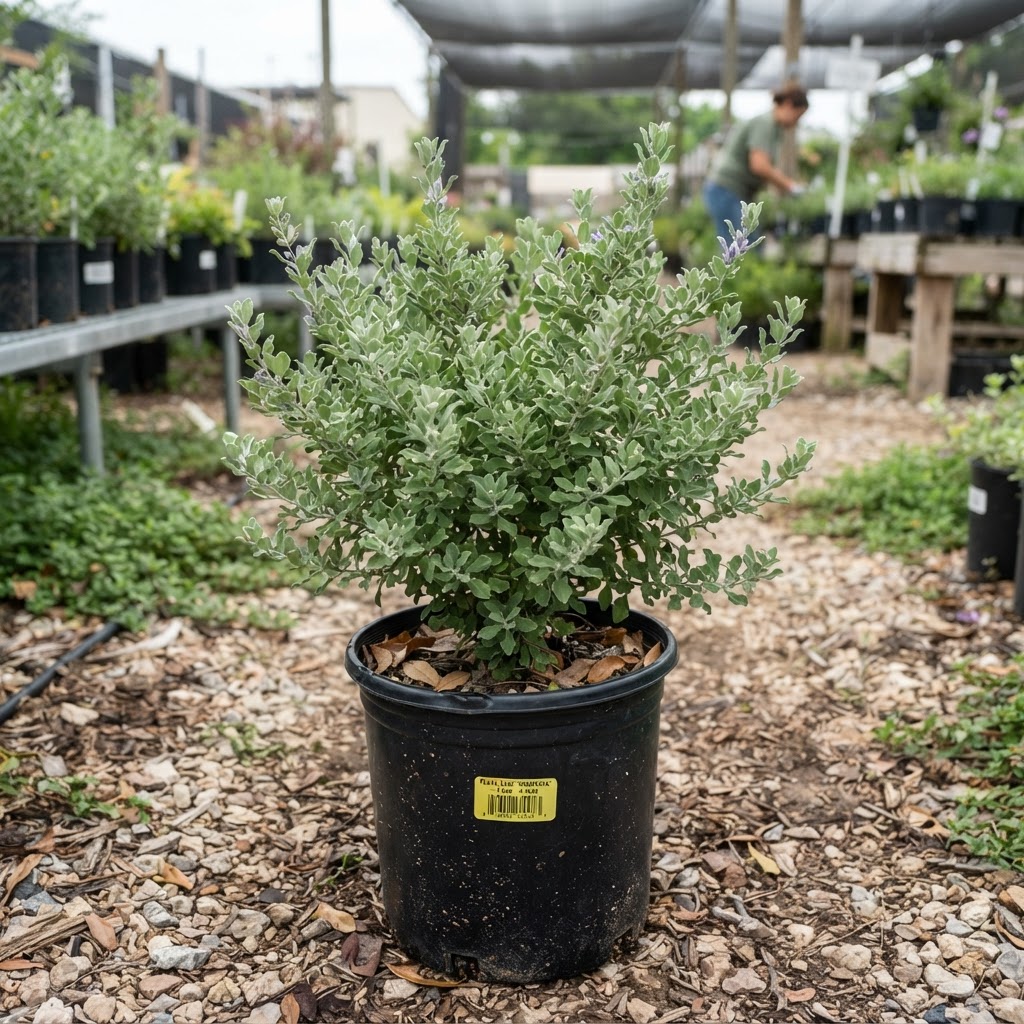
Leucophyllum 'Compacta' "TX Sage"
$22.22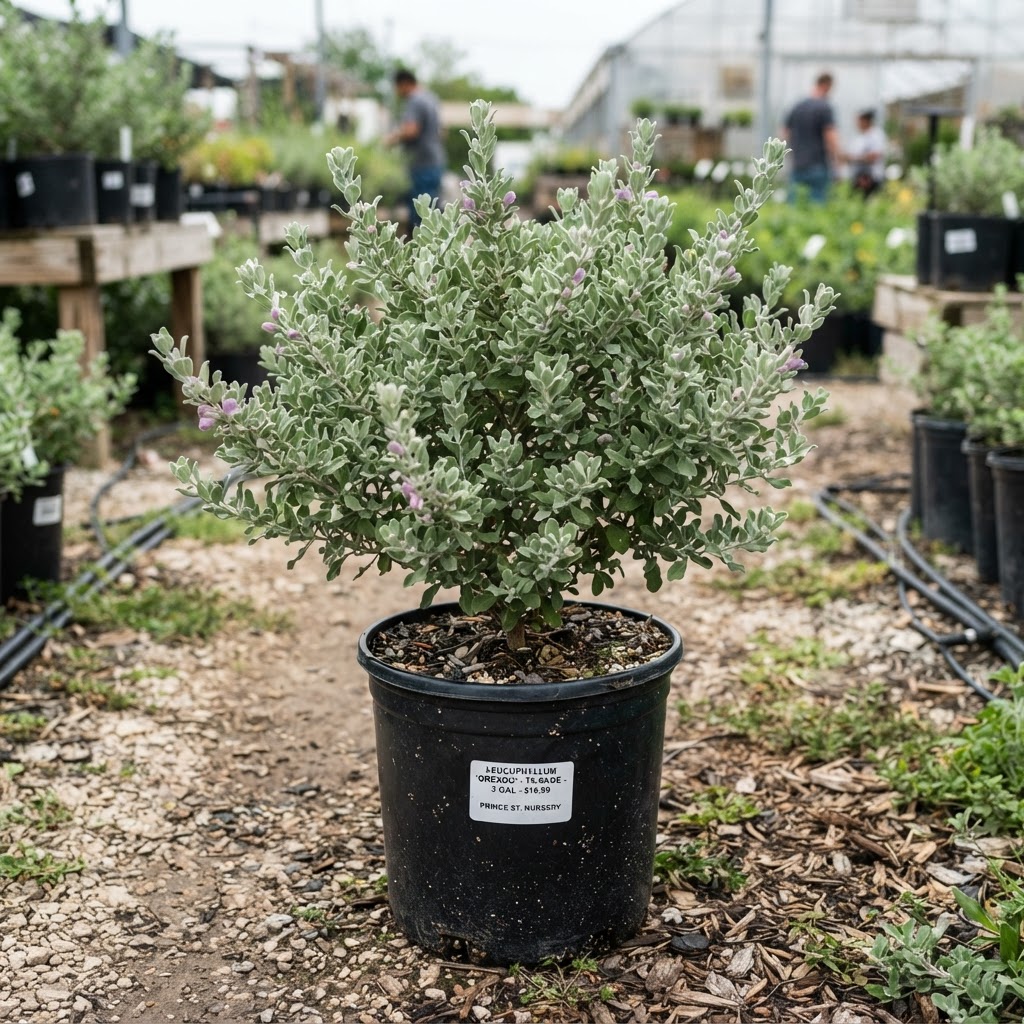
Leucophyllum 'Greado' "TX Sage"
$22.22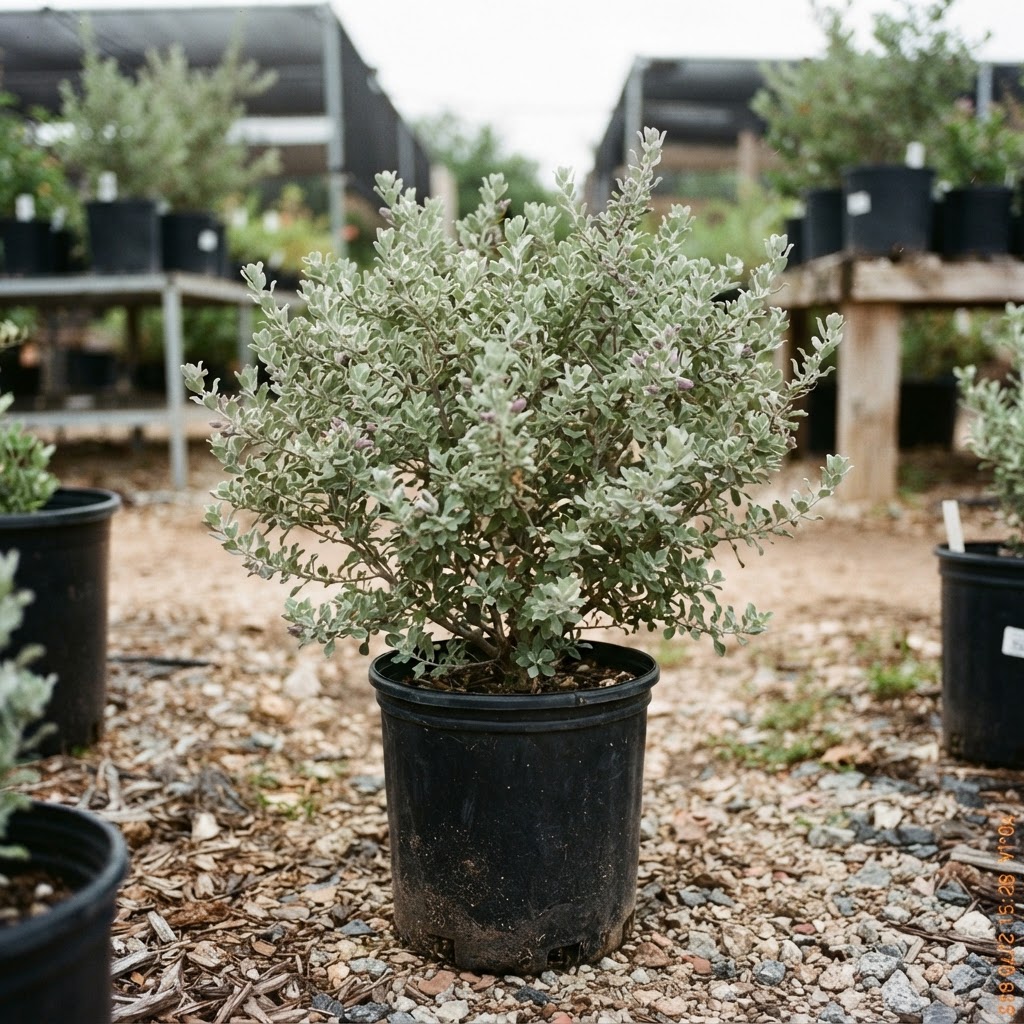
Leucophyllum 'Heavenly Cloud' "TX Sage"
$22.22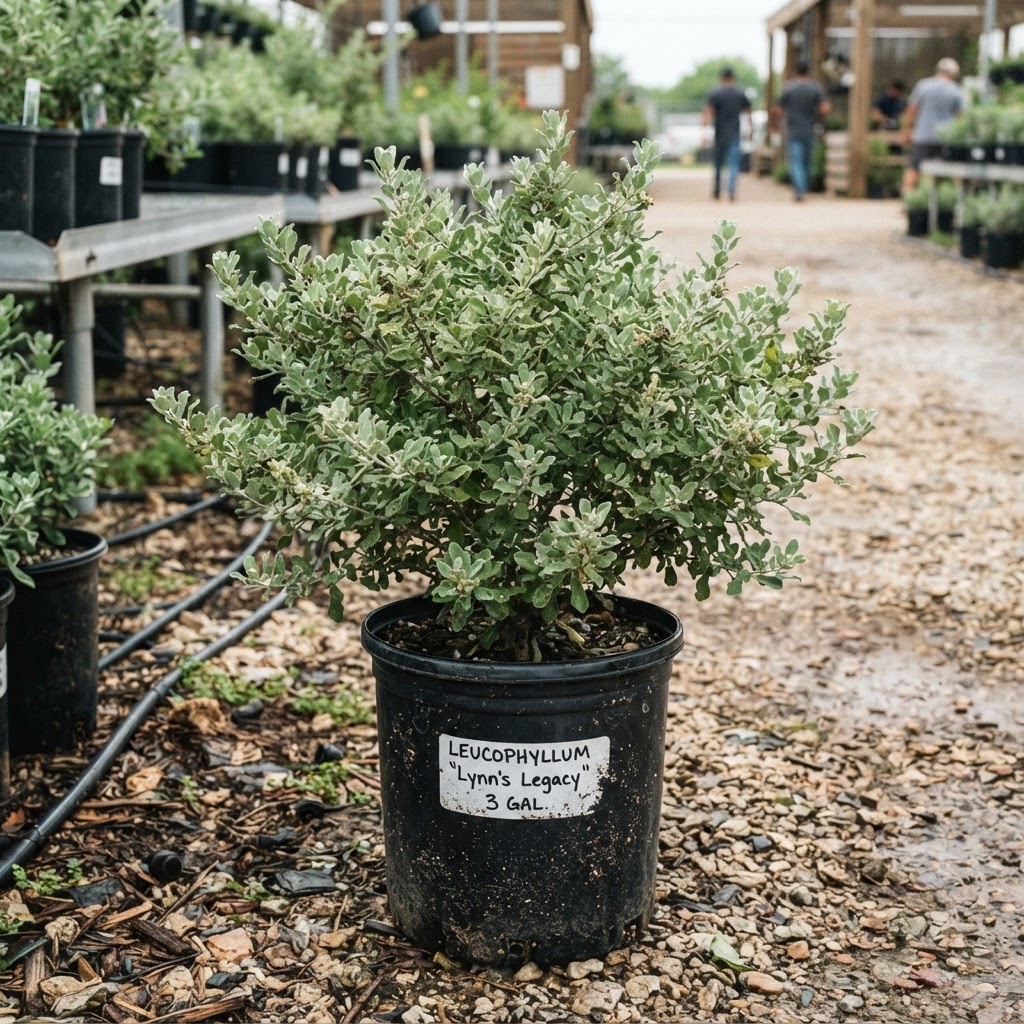
Leucophyllum 'Lynn's Legacy Everblooming'
$22.22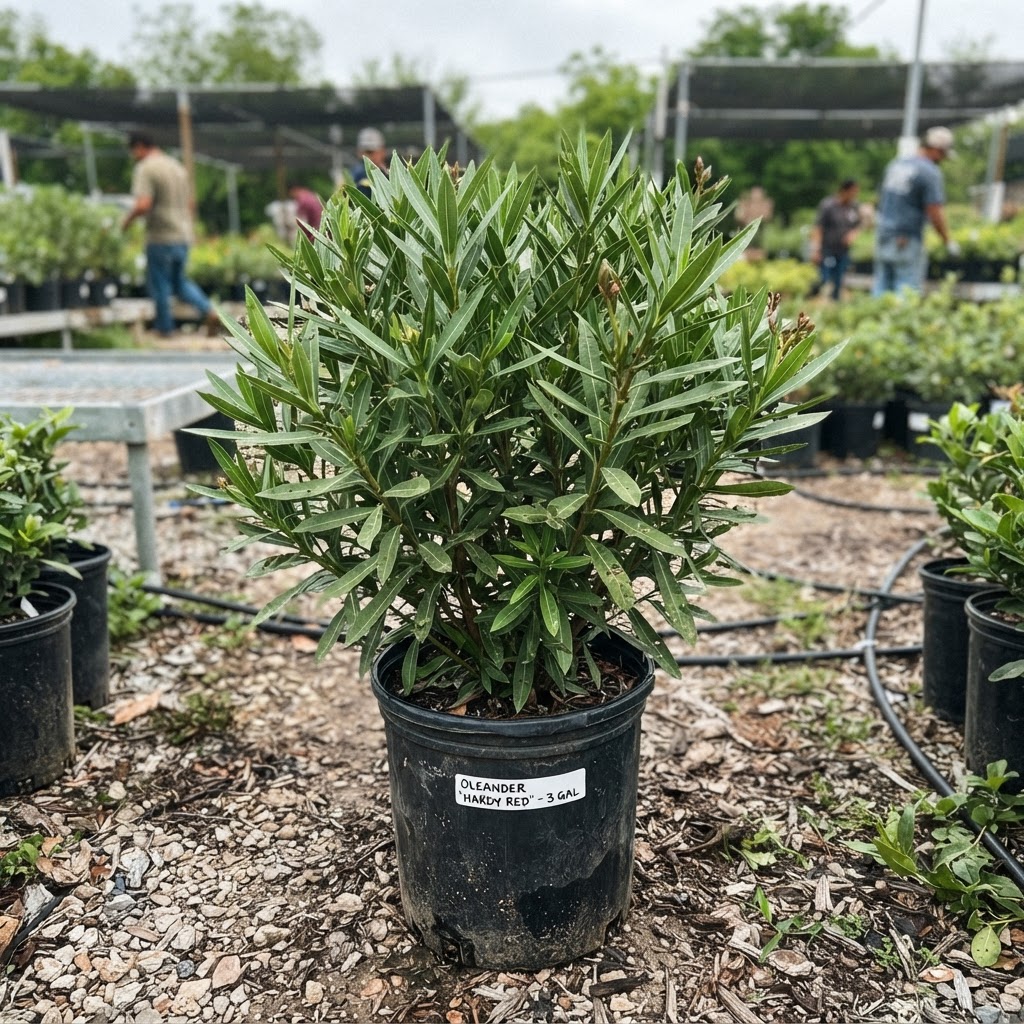
Nerium oleander 'Hardy Red'
$20.89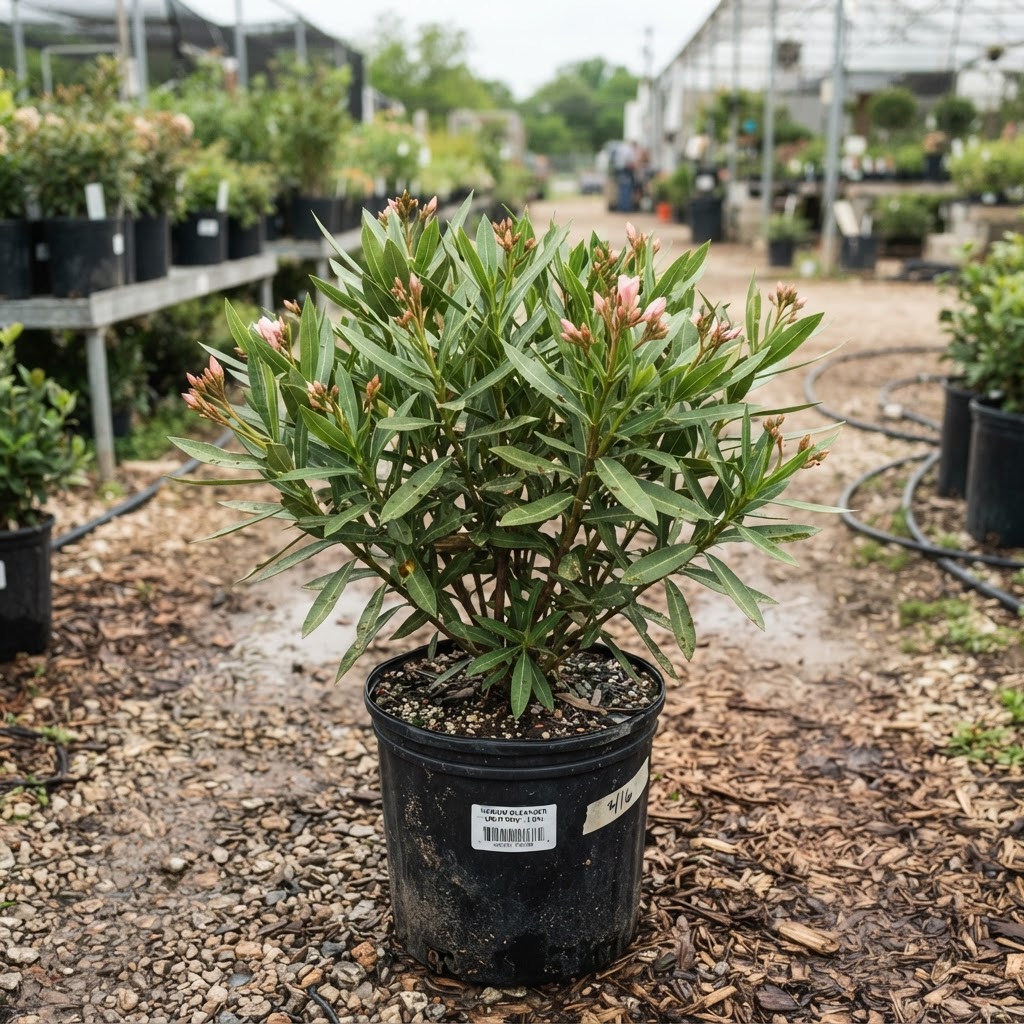
Nerium oleander 'Light Pink'
$20.89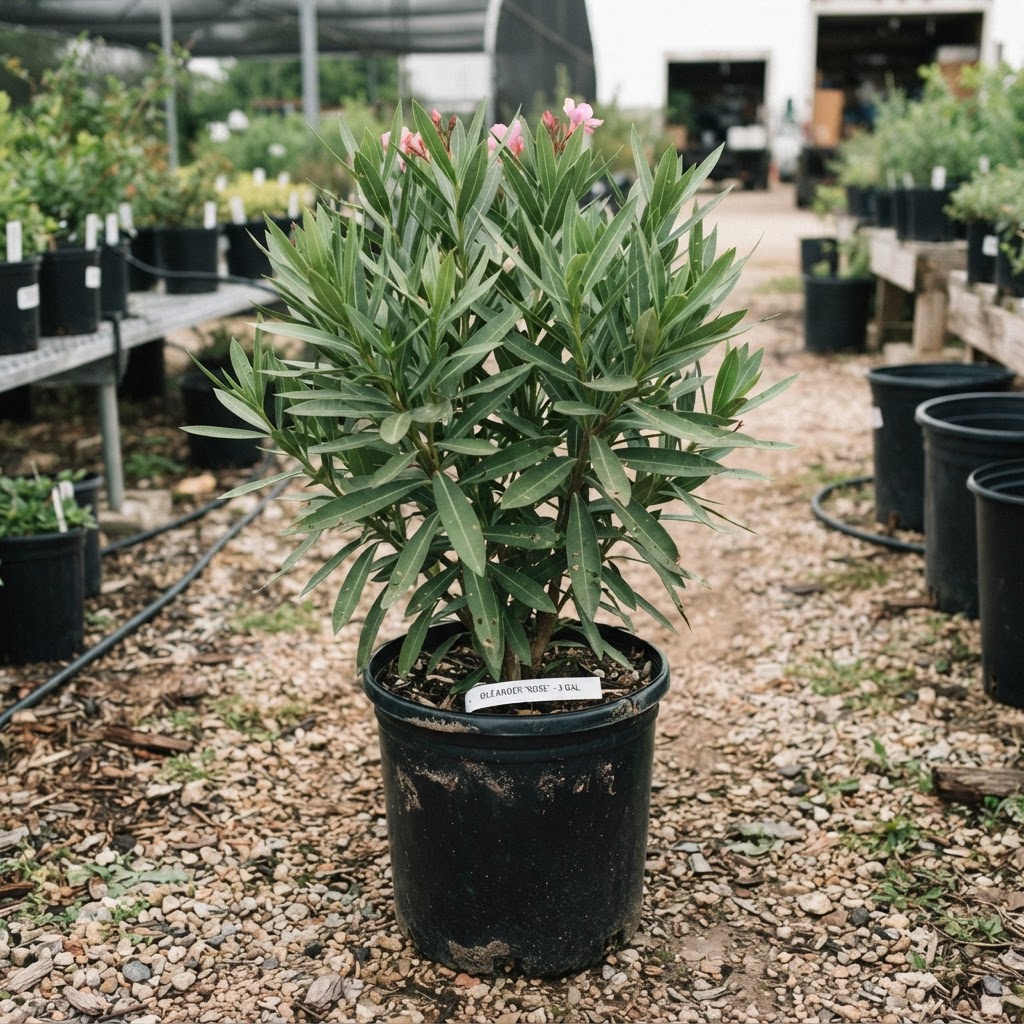
Nerium oleander 'Rose'
$20.89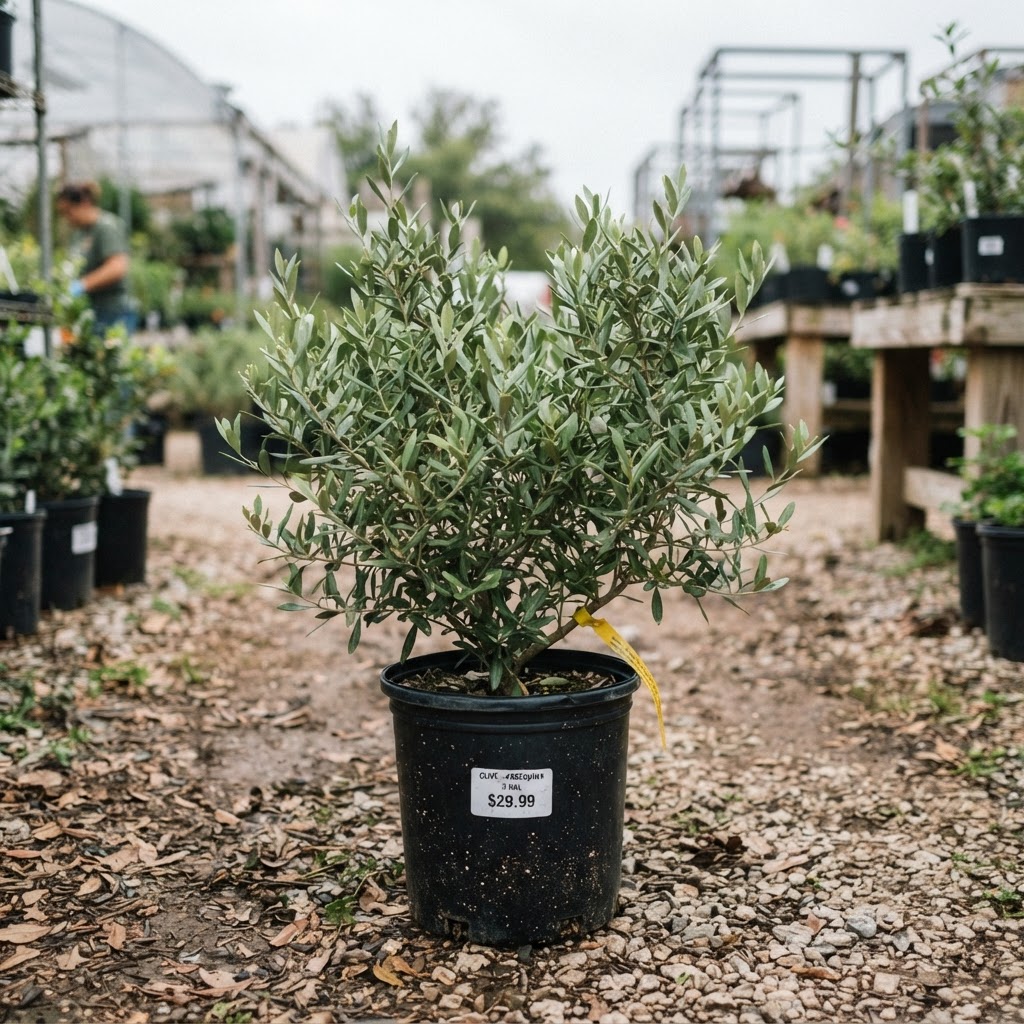
Olea europaea 'arbequina'
$25.77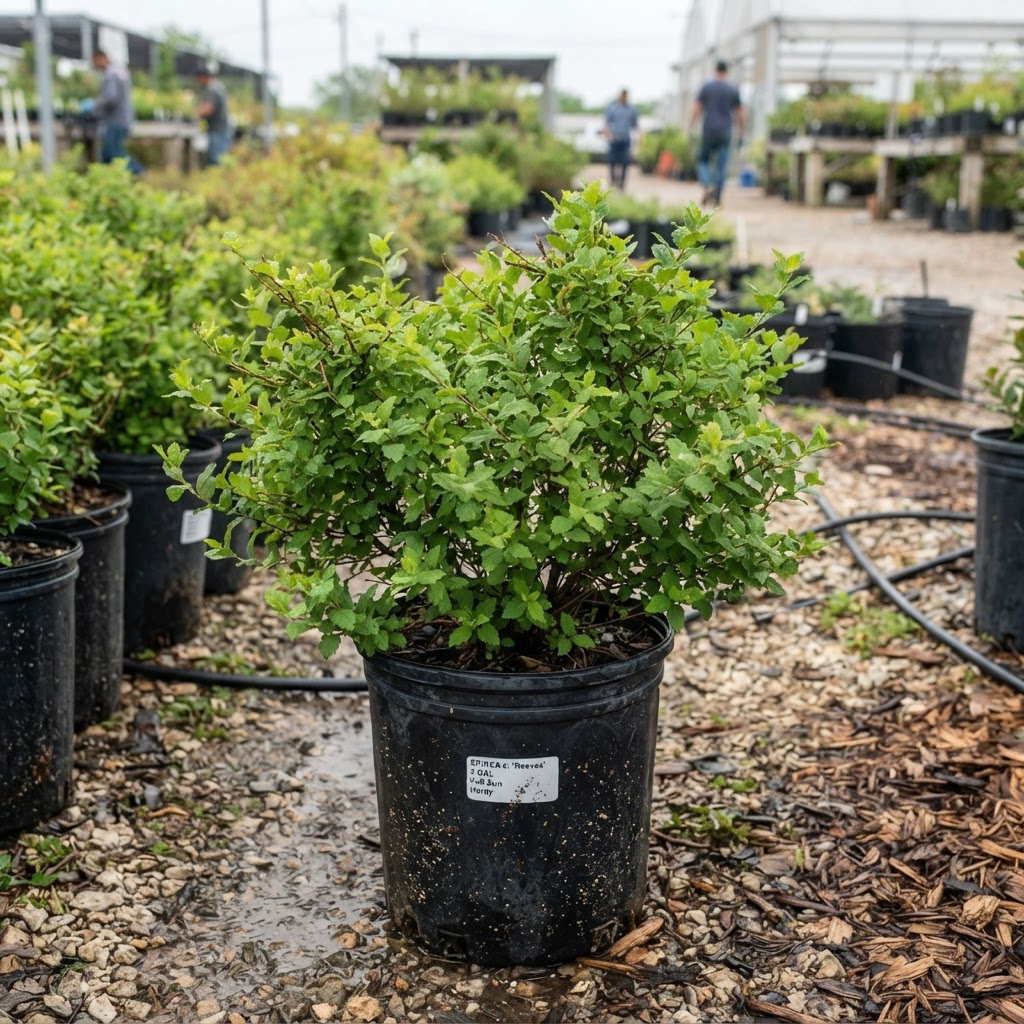
Spirea c. 'Reeves'
$25.77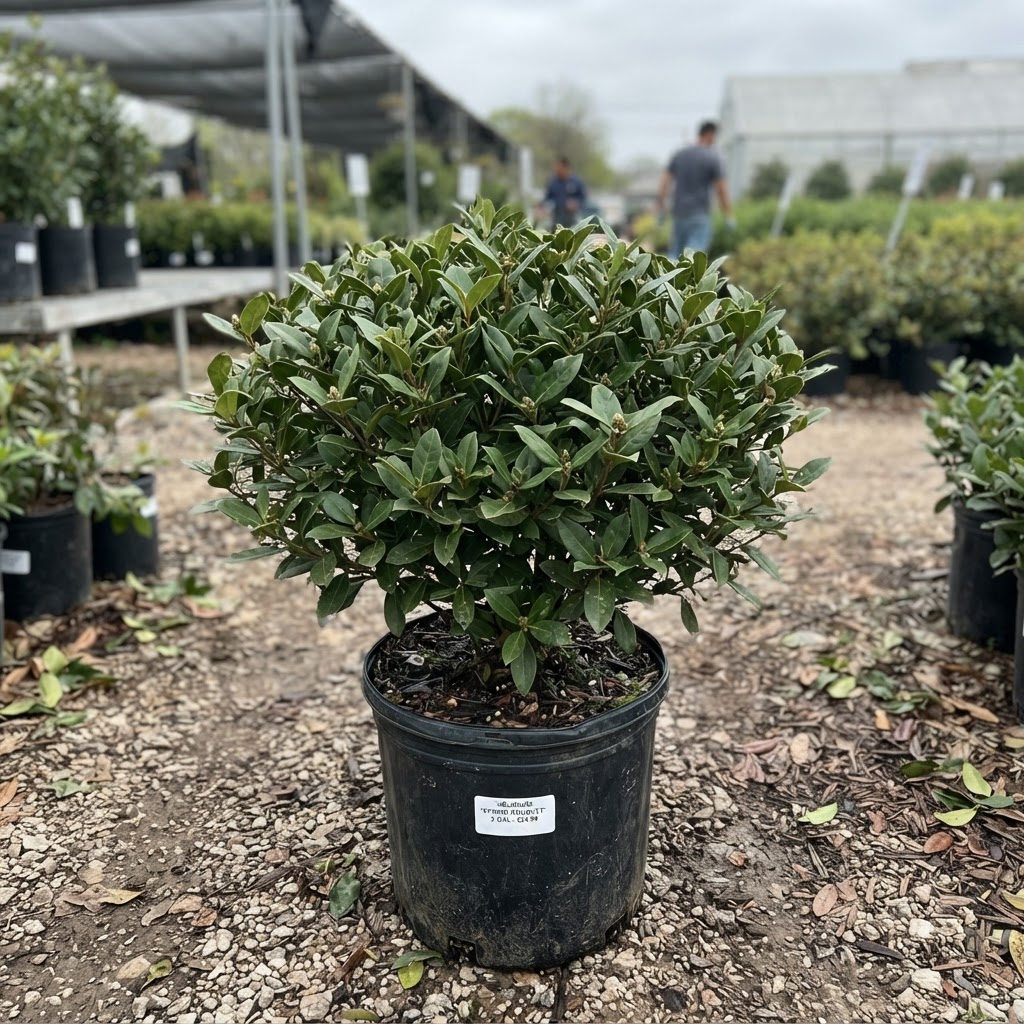
Viburnum 'Spring Bouquet'
$22.22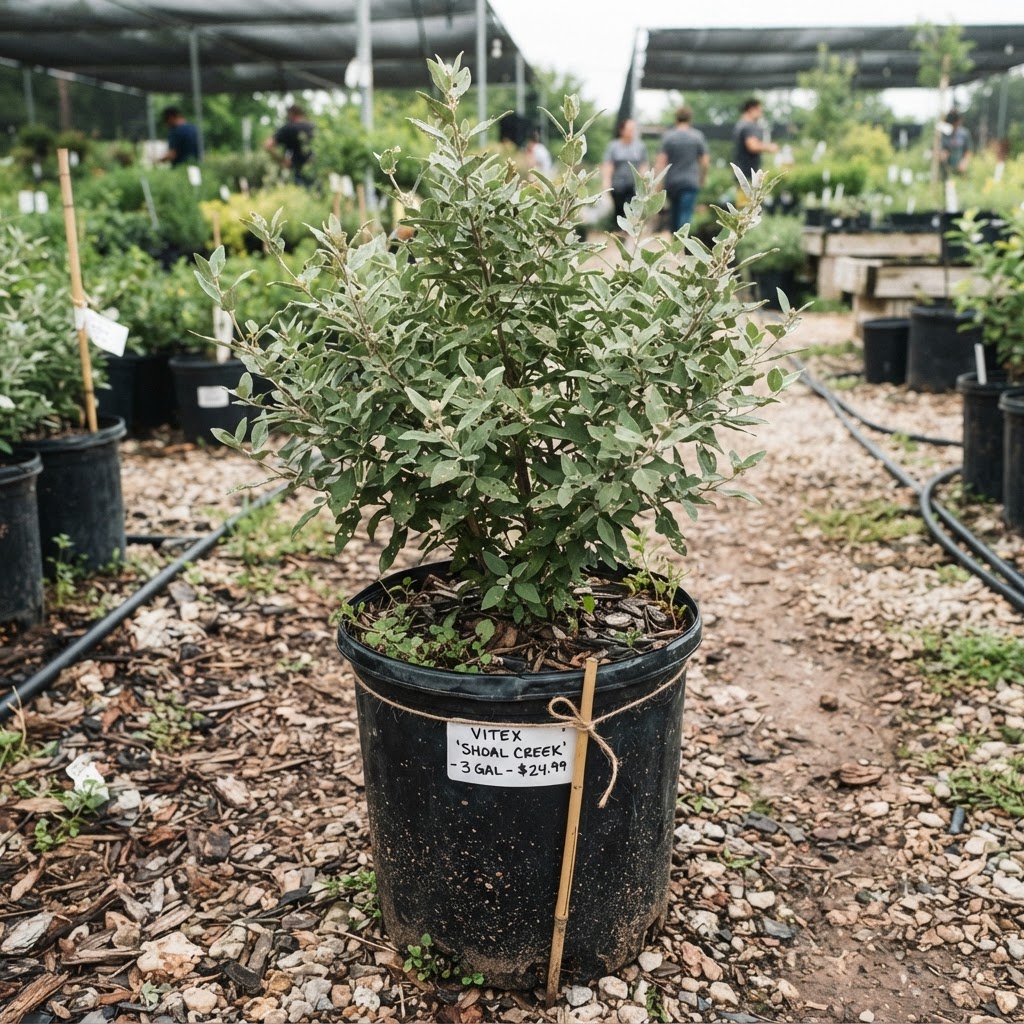
Vitex 'Shoal Creek'
$22.22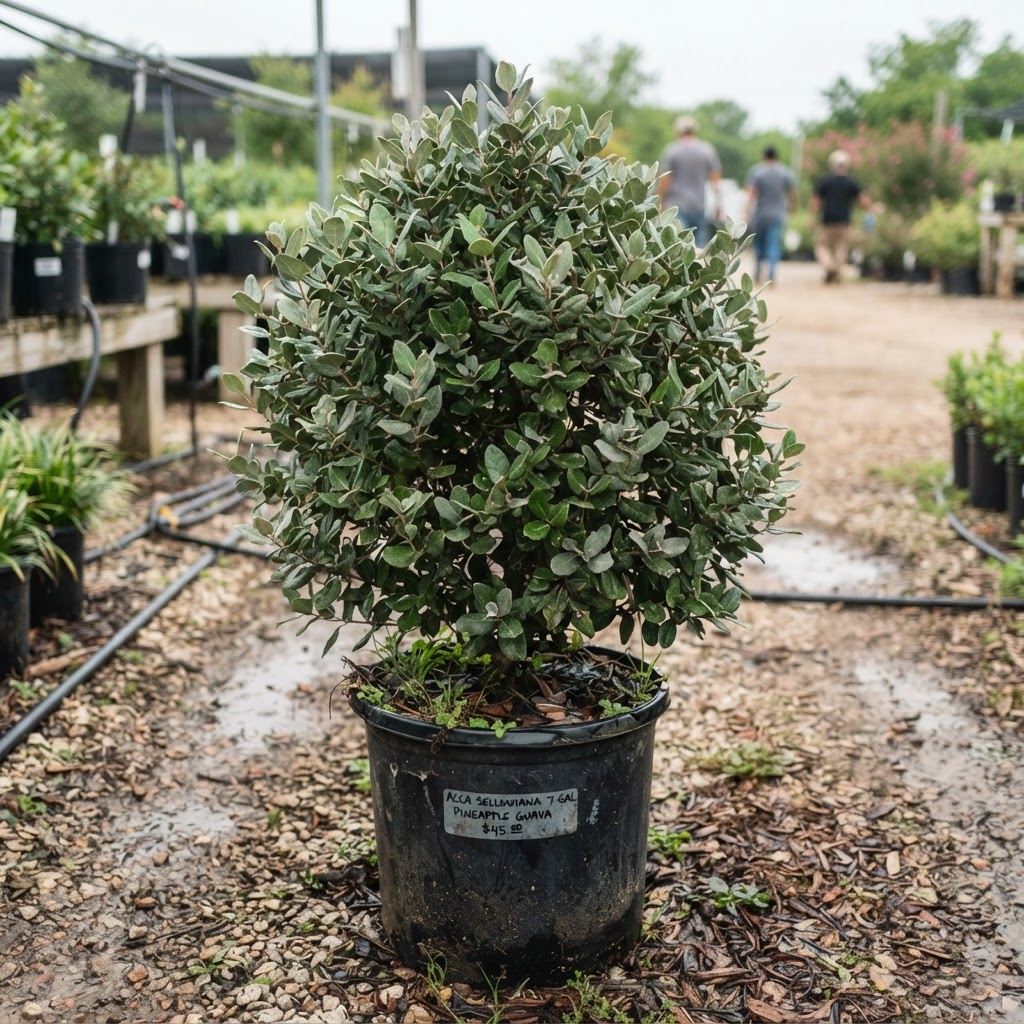
Acca sellowiana "Pineapple Guava"
$68.85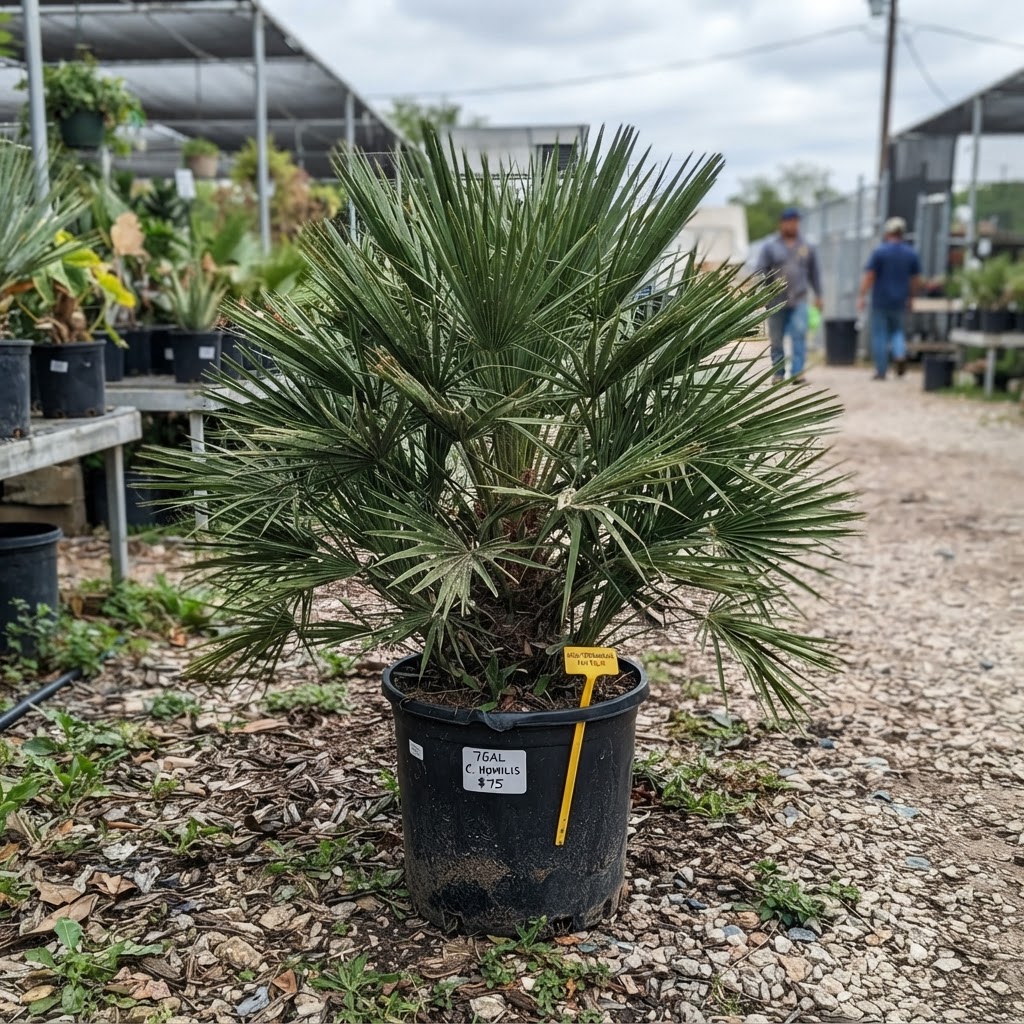
Chamaerops humilis 'Mediterranean Fan Palm'
$90.63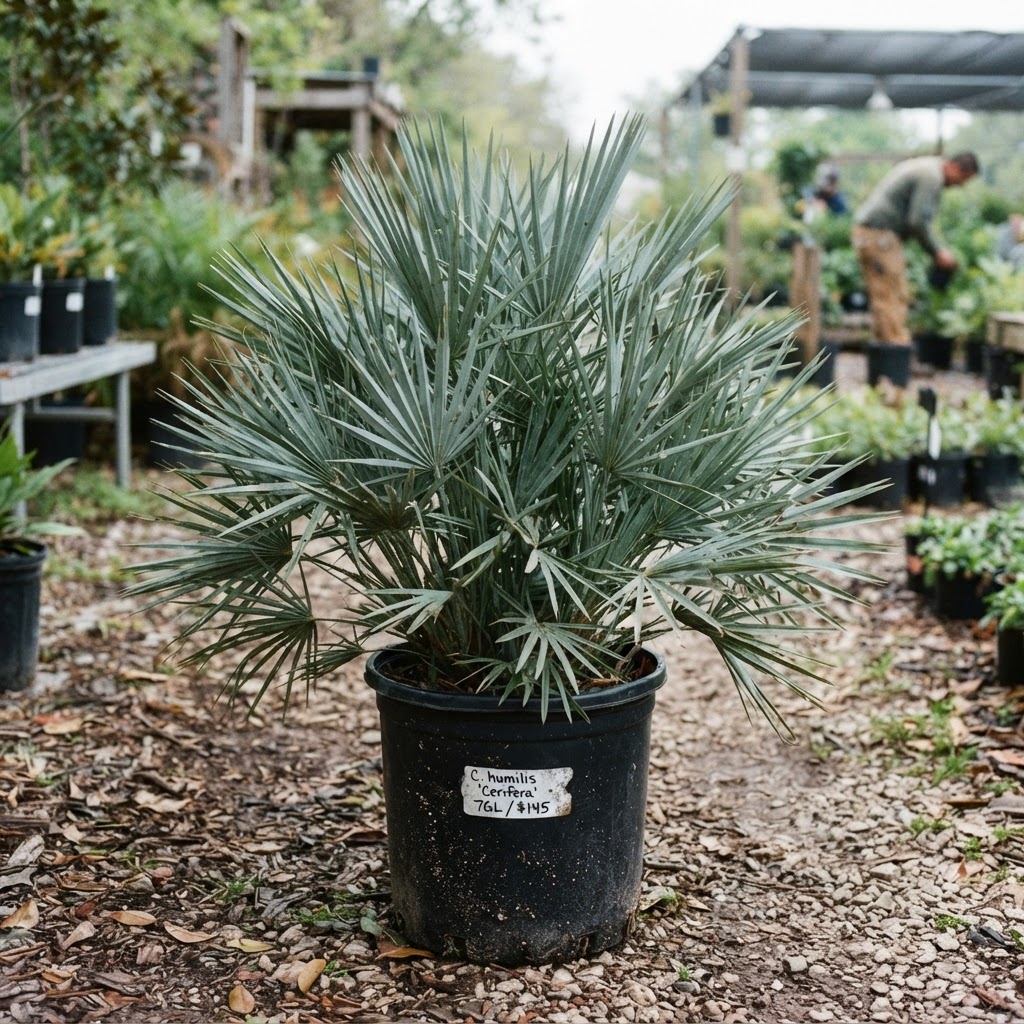
Chamaerops humilis var. 'Cerifera'
$105.58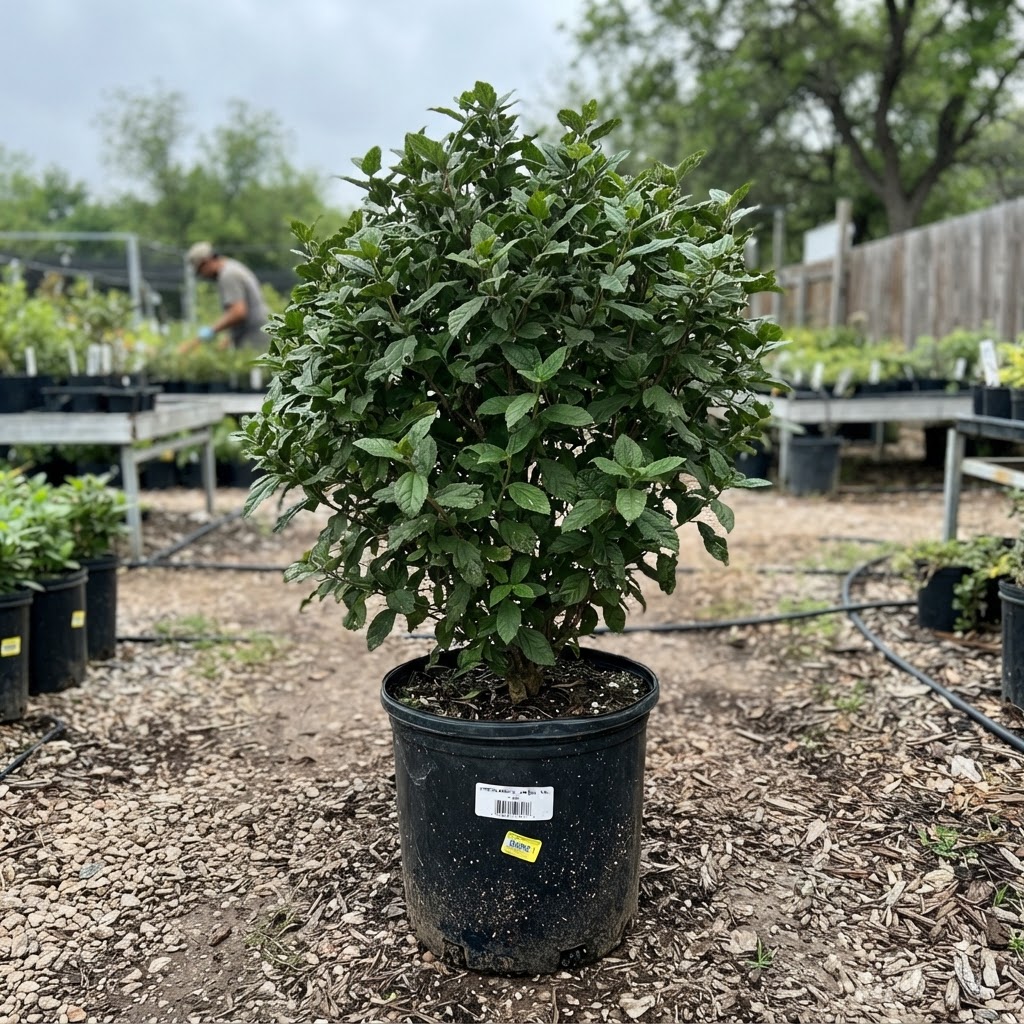
Ehretia anacua "Anaqua"
$68.85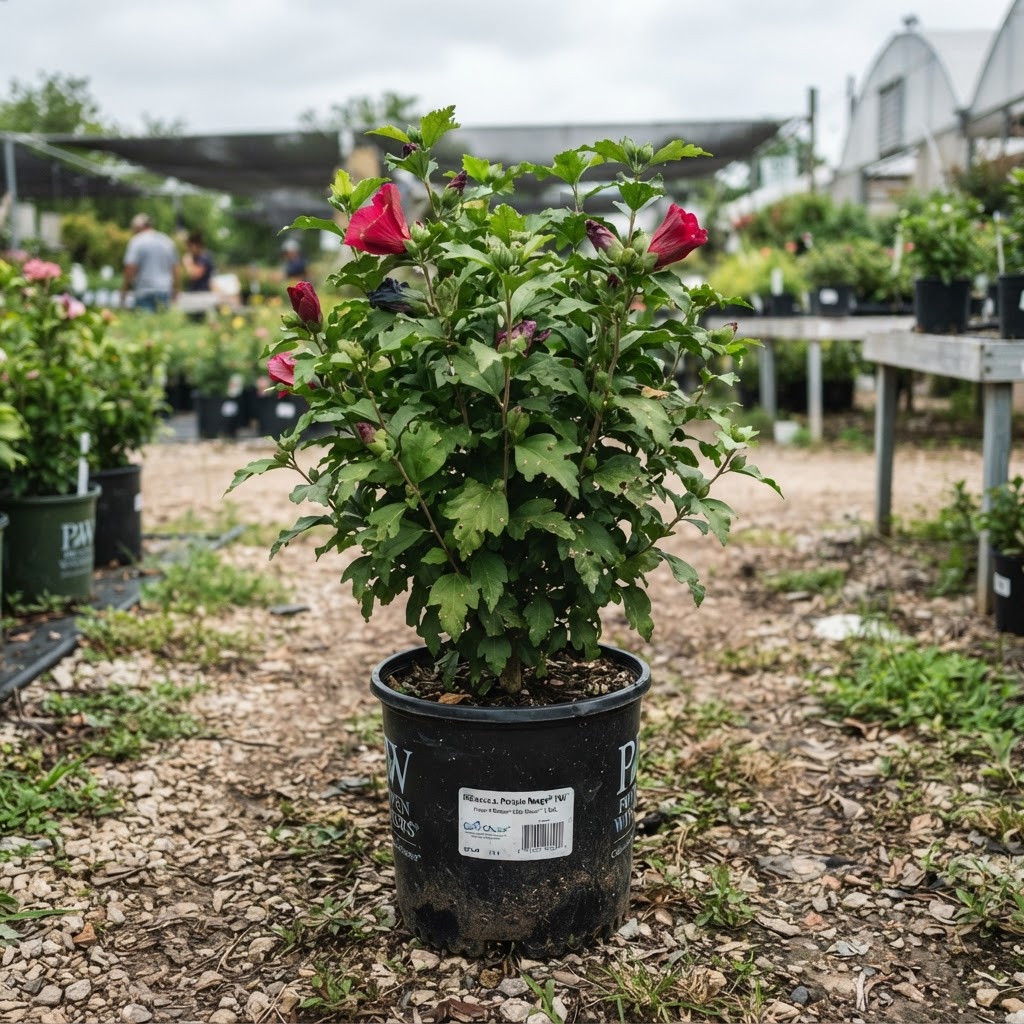
Hibiscus s. Paraplu Rouge® PW® "Rose of Sharon"
$27.56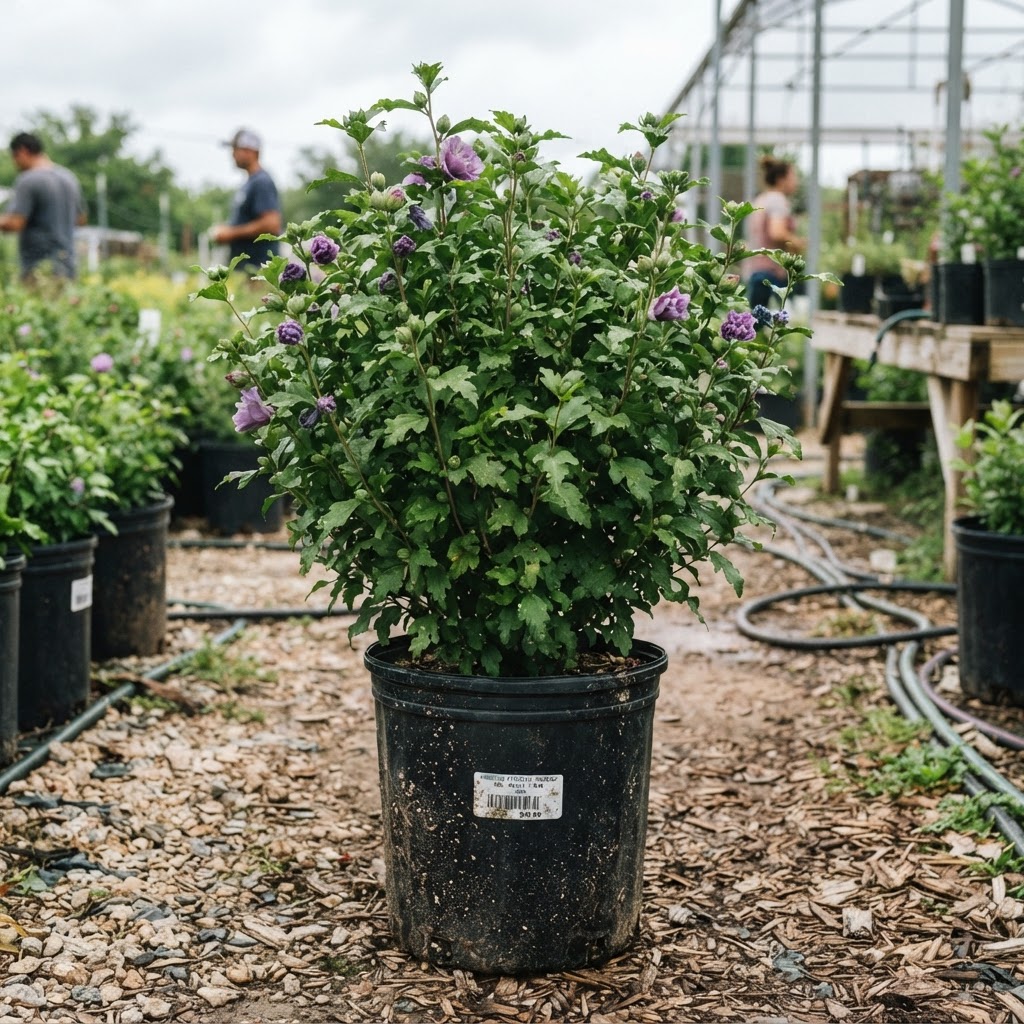
Hibiscus s.'Ardens dbl. Violet' "Rose of Sharon"
$63.43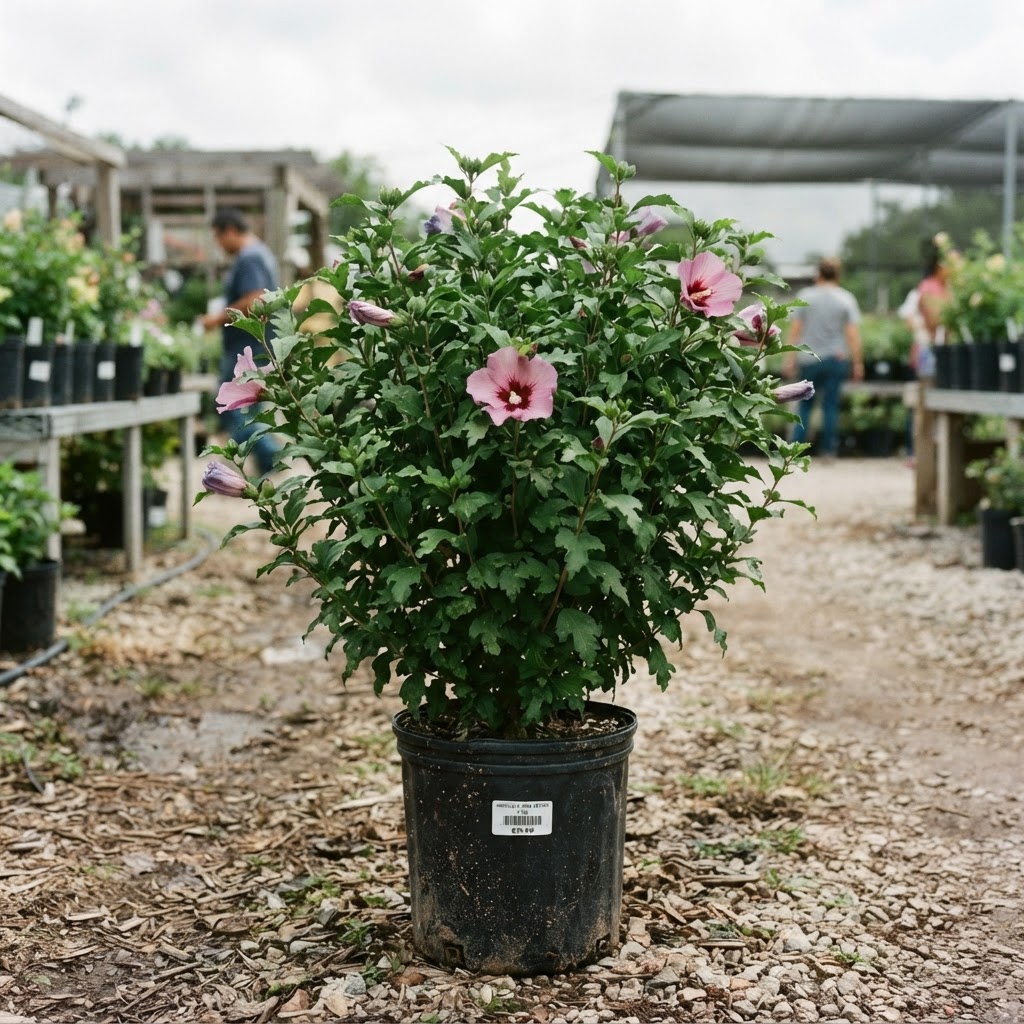
Hibiscus s.'Pink Wine Center'
$63.43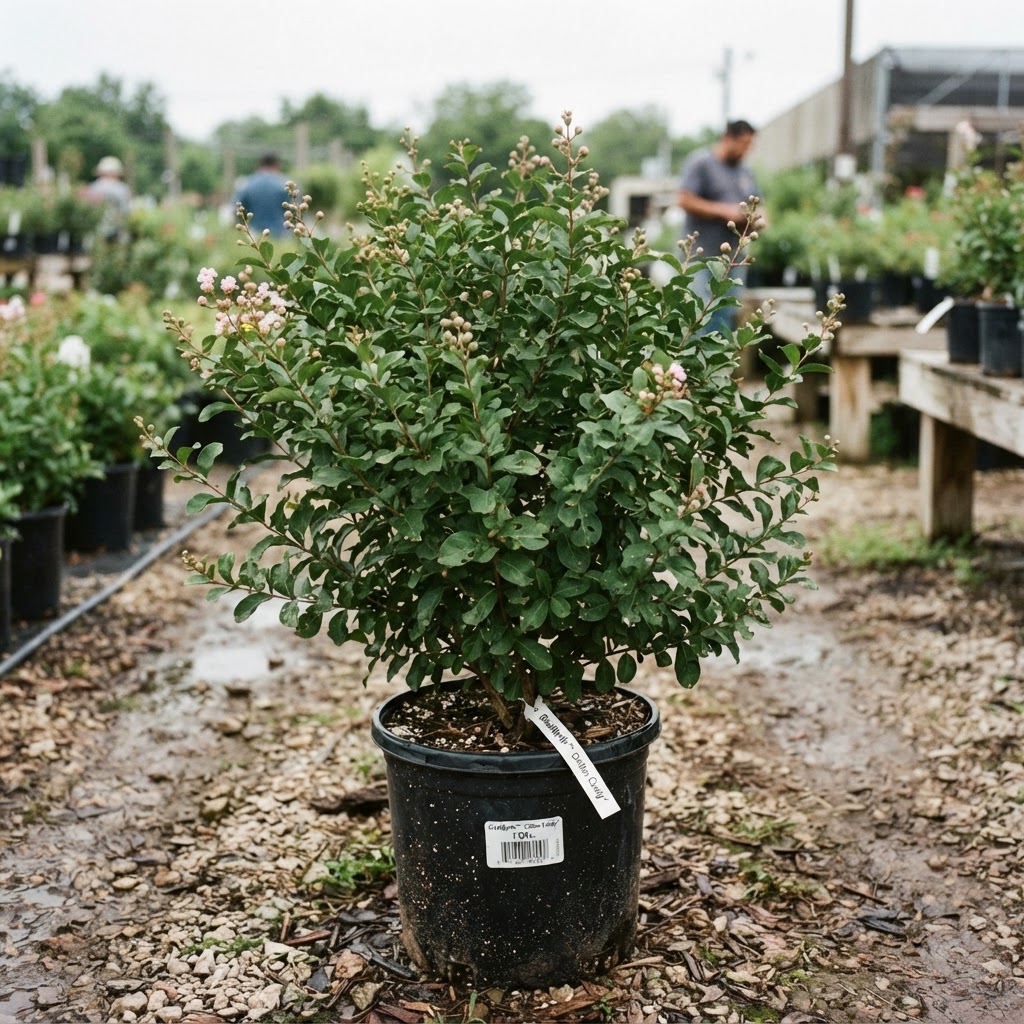
Lagerstroemia GreatMyrtle™ 'Cotton Candy'
$63.43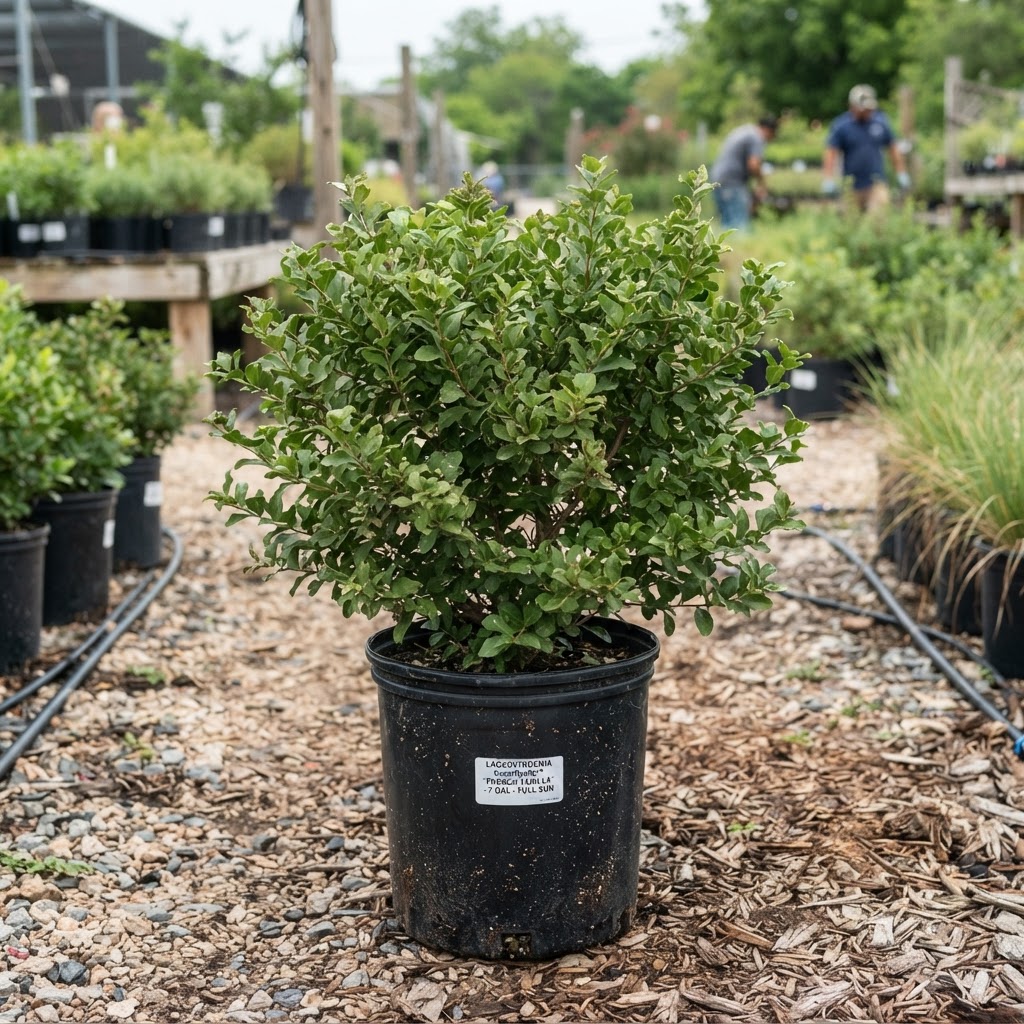
Lagerstroemia GreatMyrtle™ 'French Vanilla'
$63.43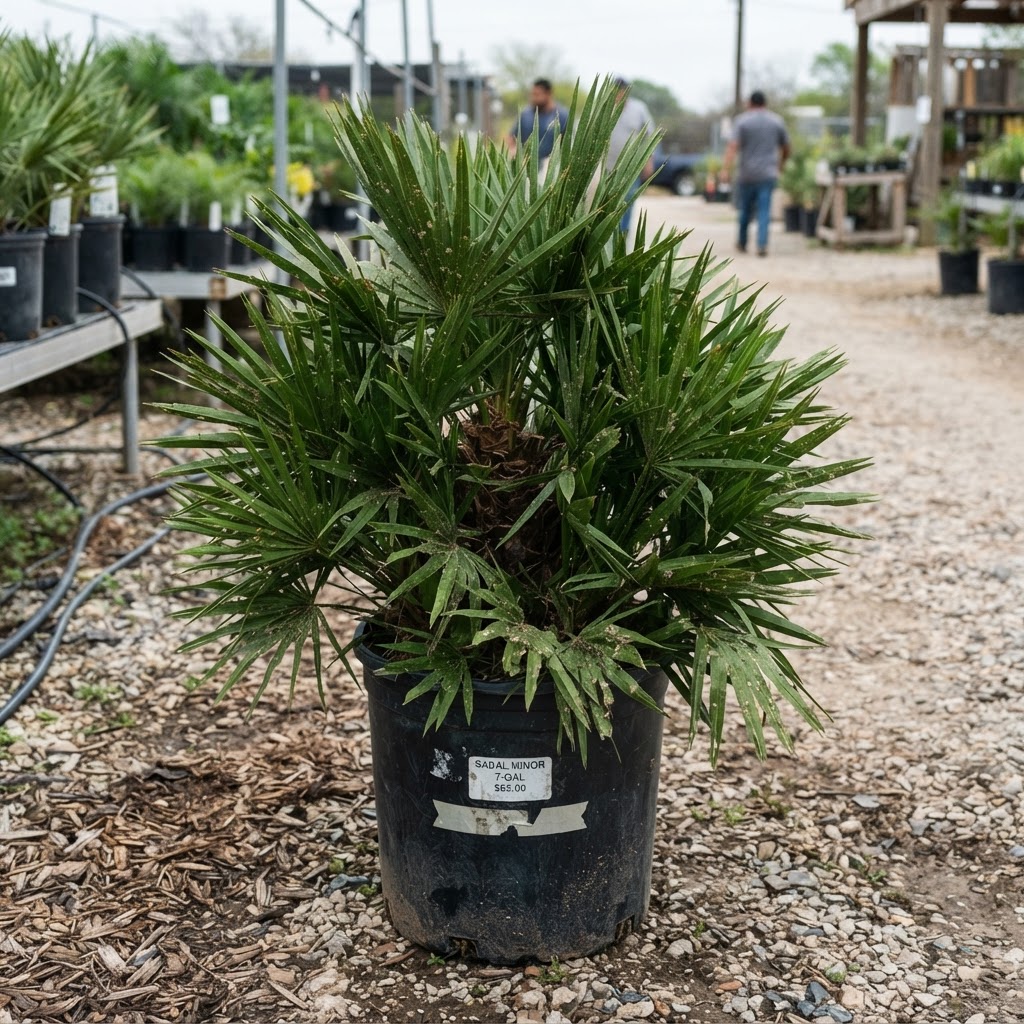
Sabal minor
$90.63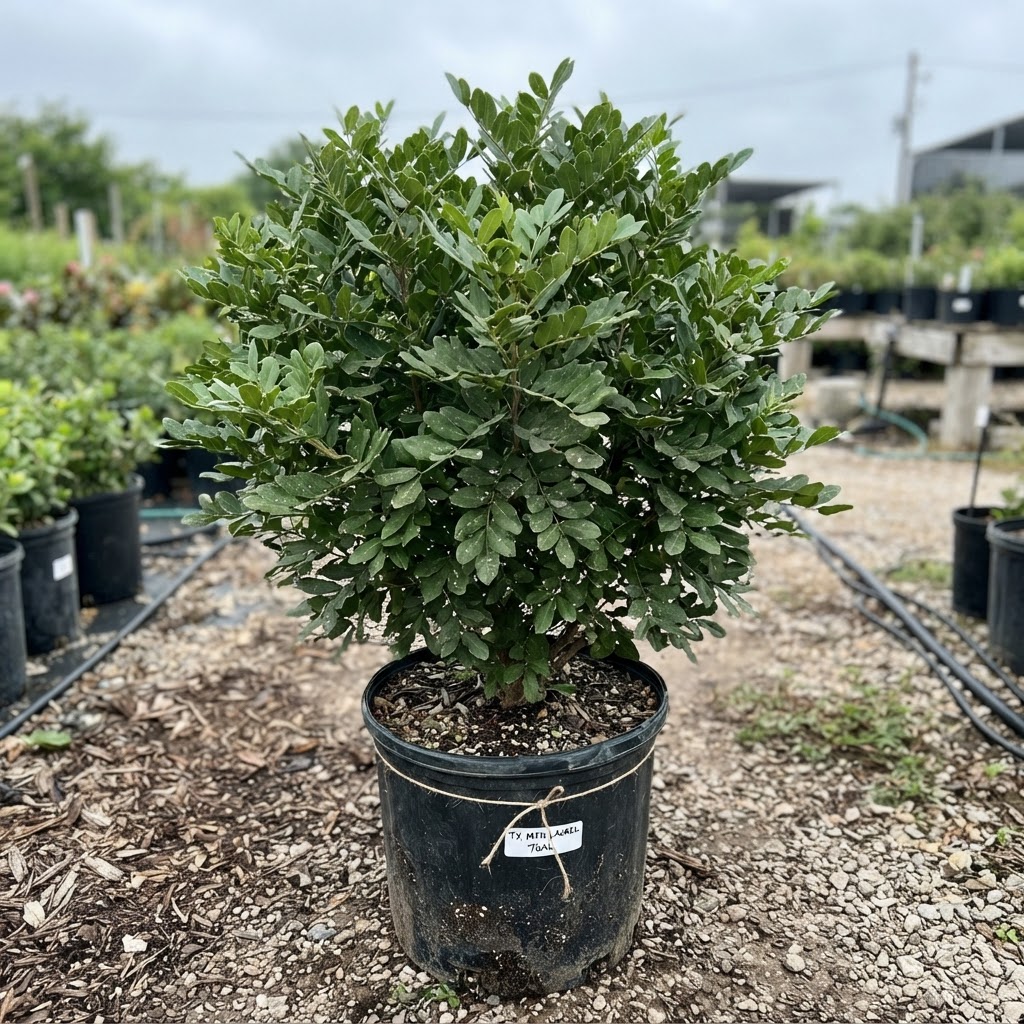
Sophora s. "Texas Mountain Laurel"
$90.63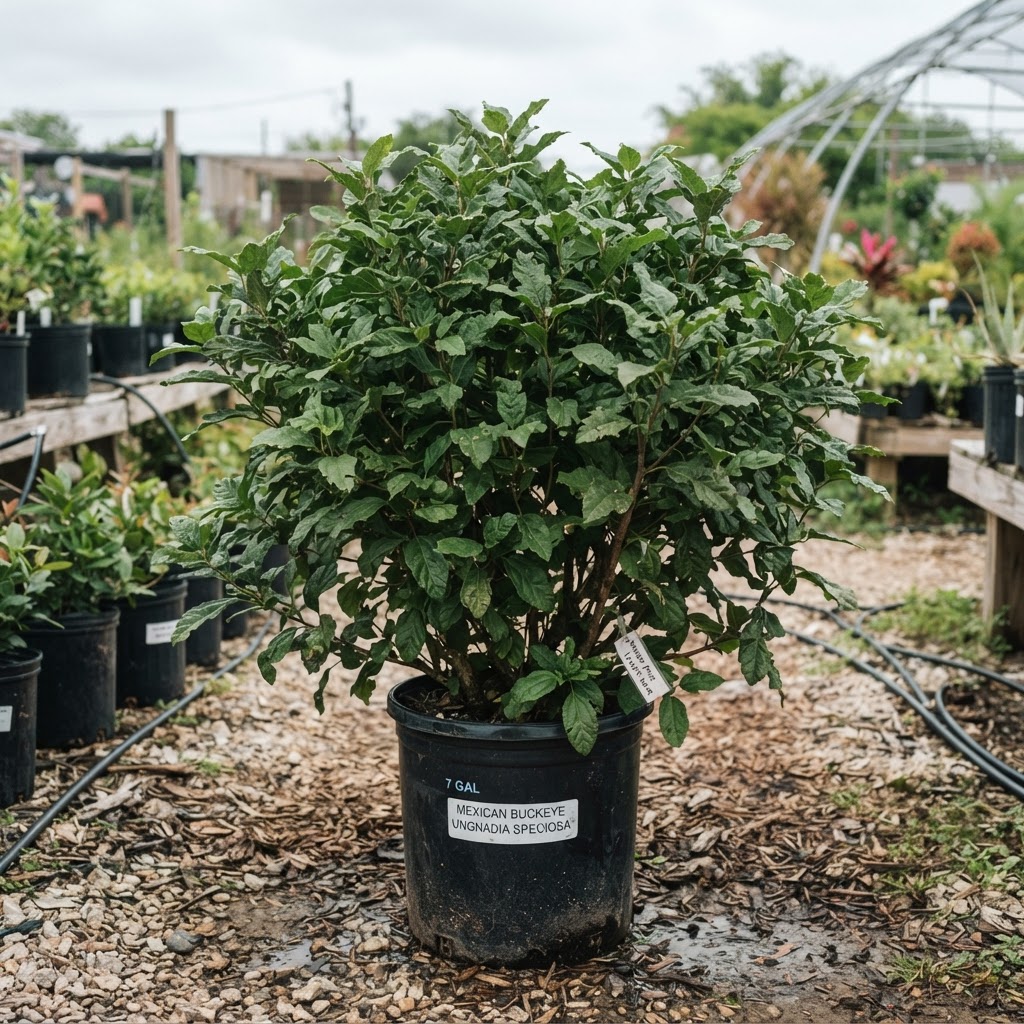
Ungnadia speciosa "Mexican Buckeye"
$68.85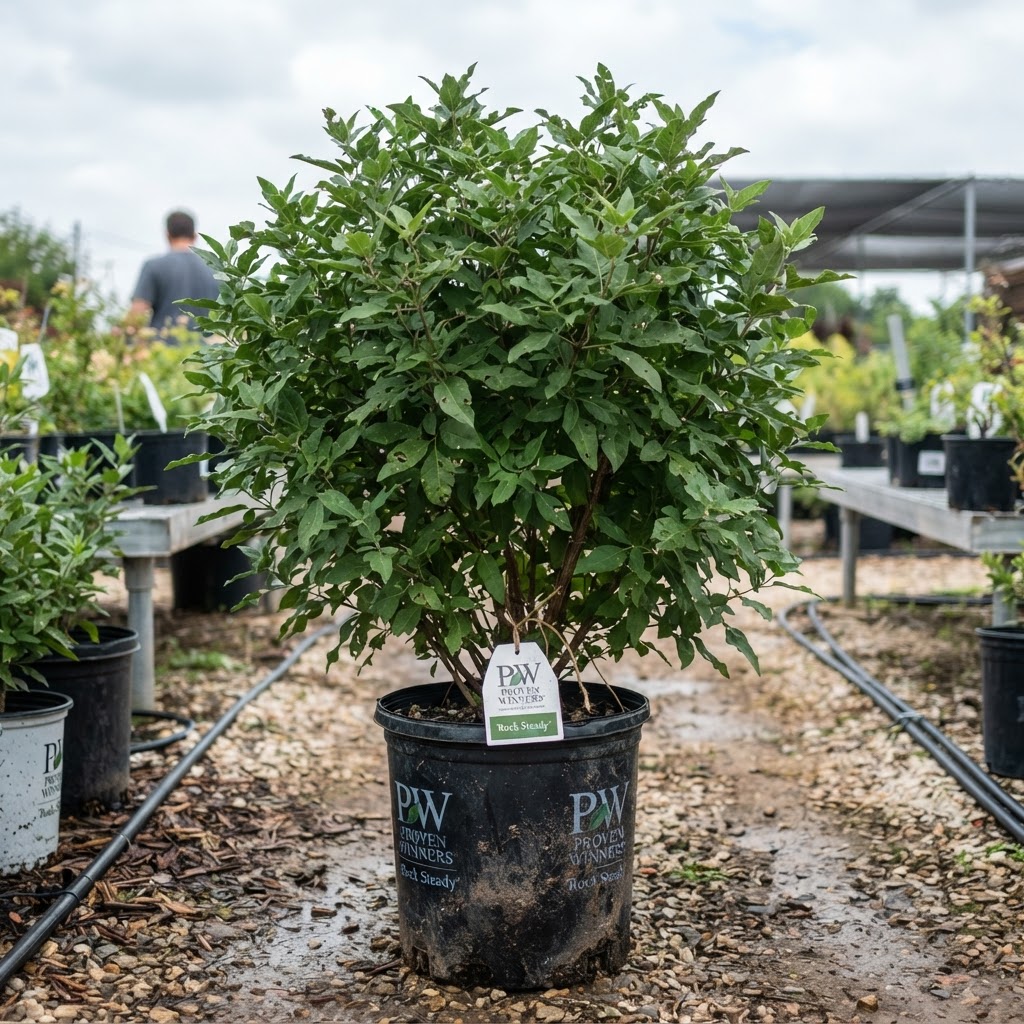
Vitex 'Rock Steady' PW®
$76.10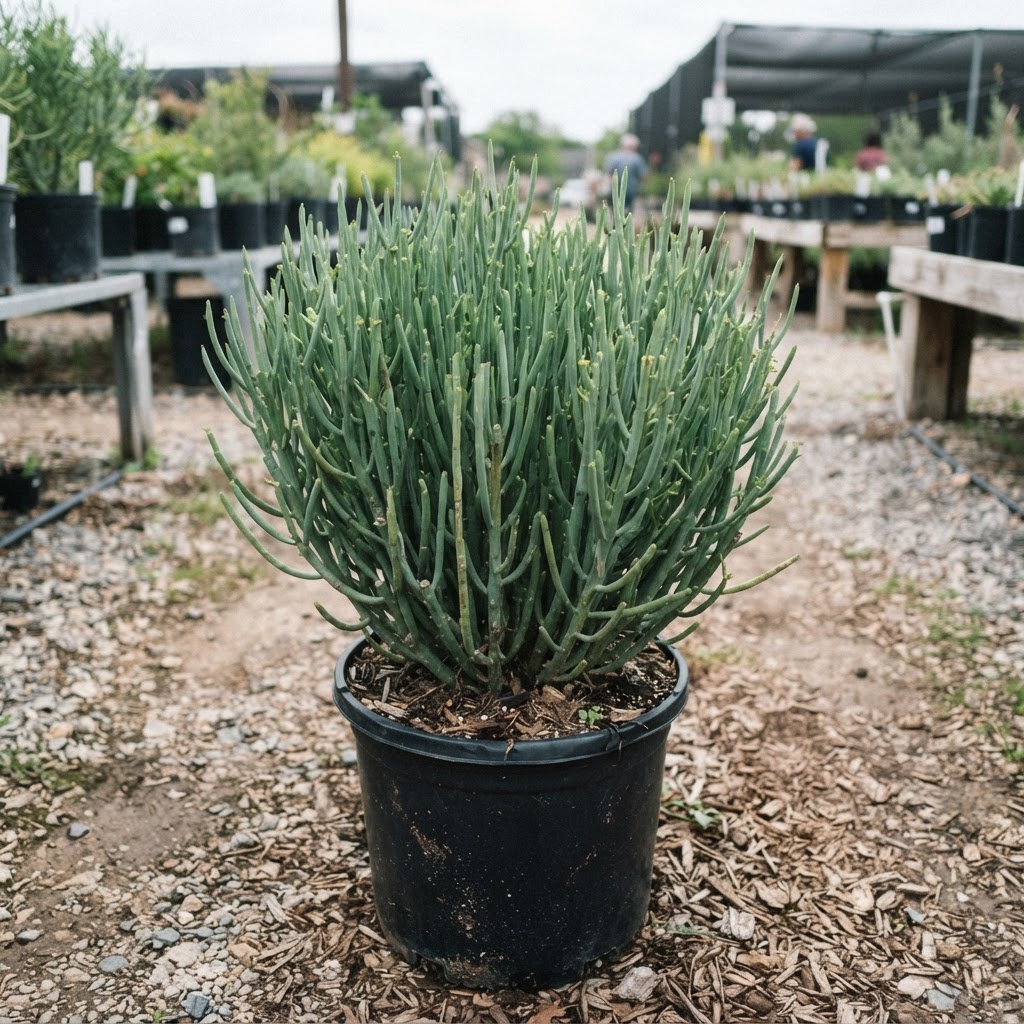
Euphorbia a. "Candelilla" (8a)
$32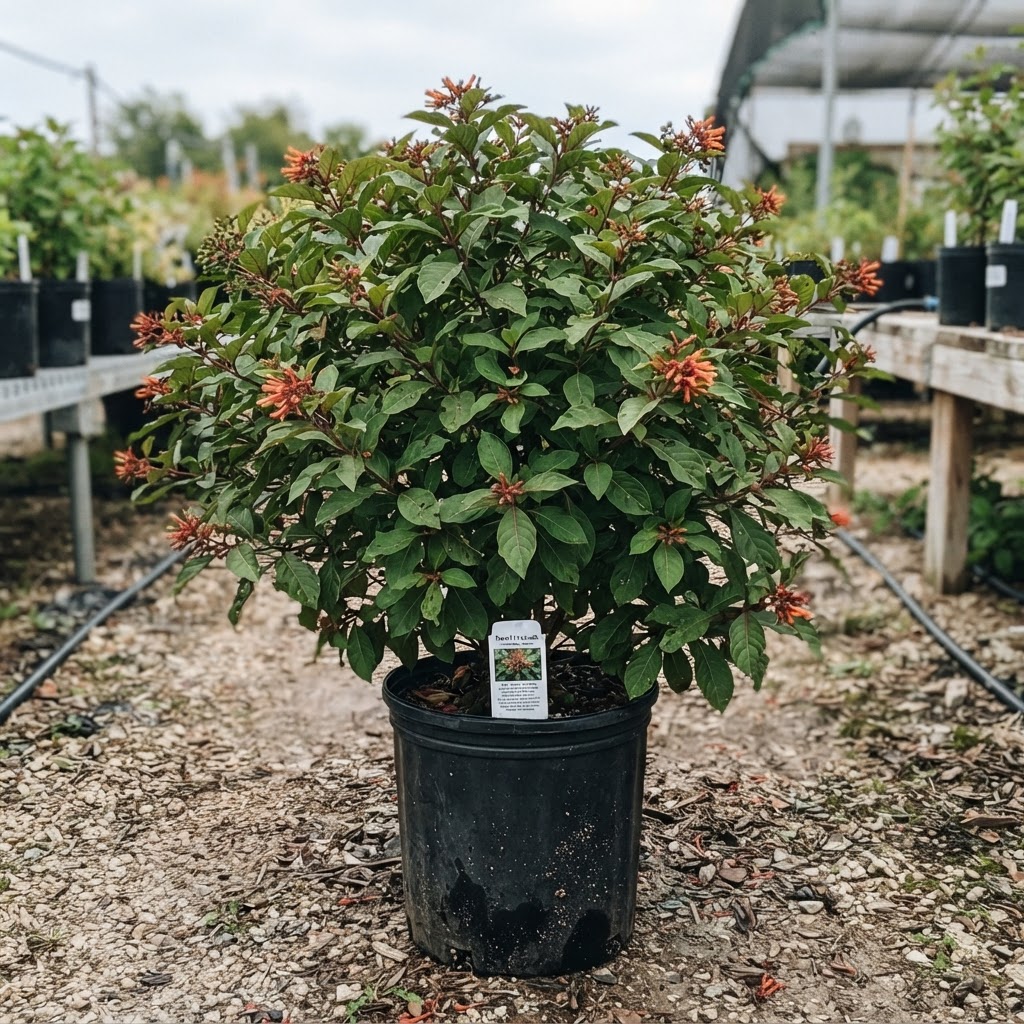
Hamelia patens "Dwarf Firebush"
$20.89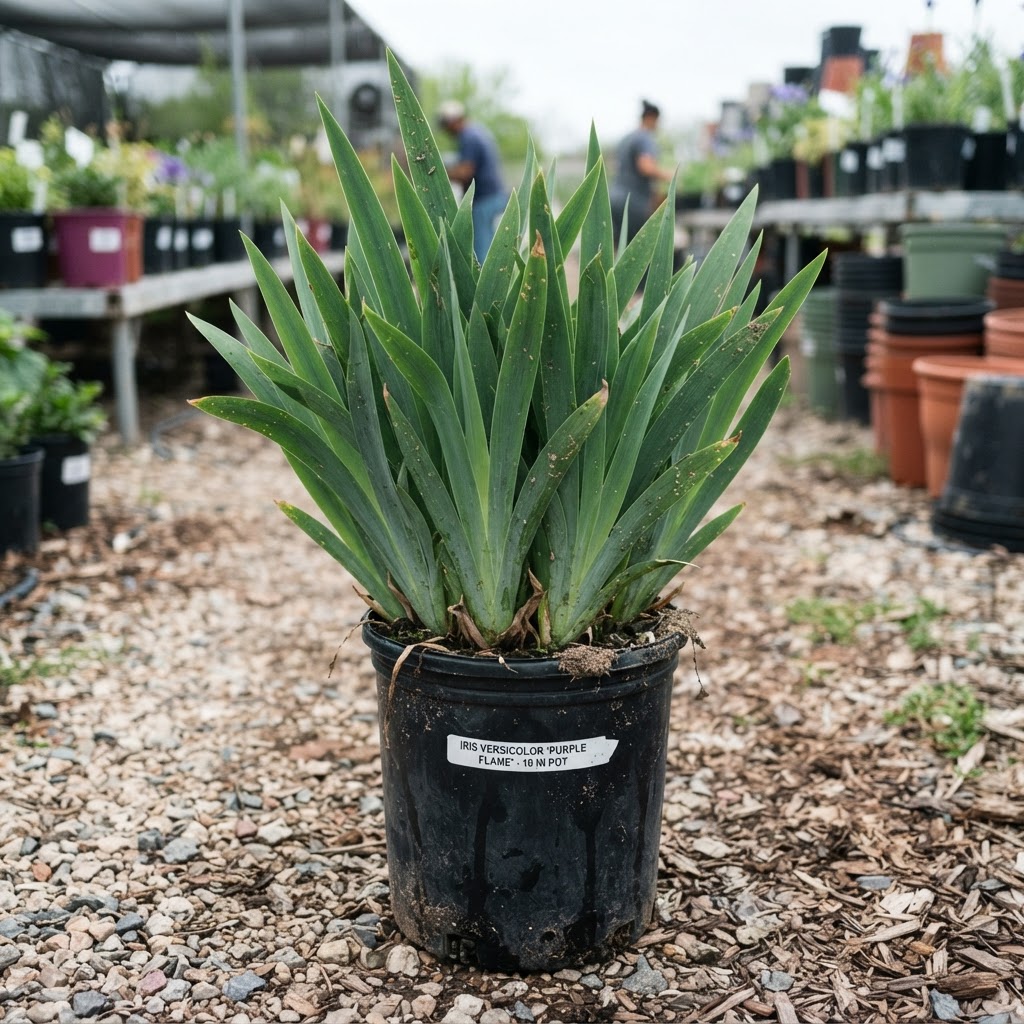
Iris versicolor 'Purple Flame'
$24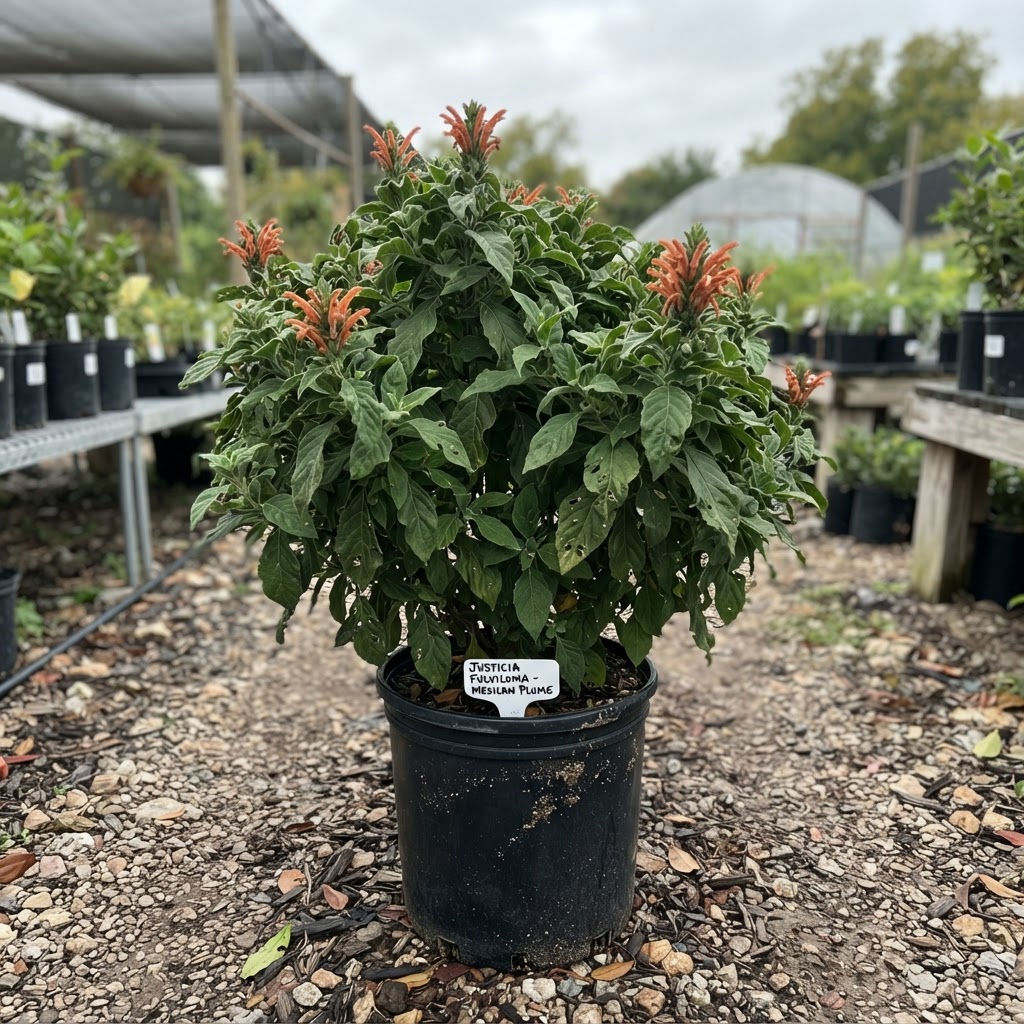
Justicia fulvicoma 'Mexican Plume'
$20.89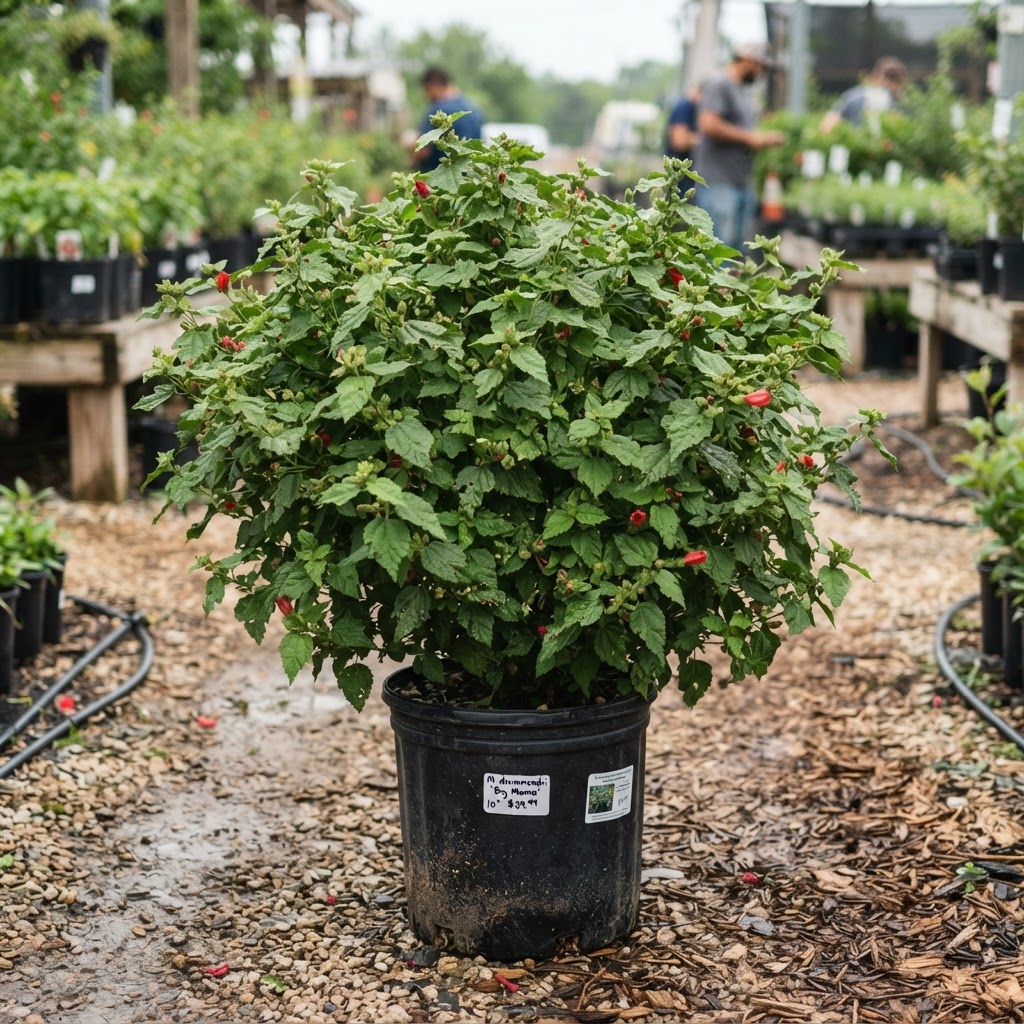
Malvaviscus d. 'Big Mama'
$20.89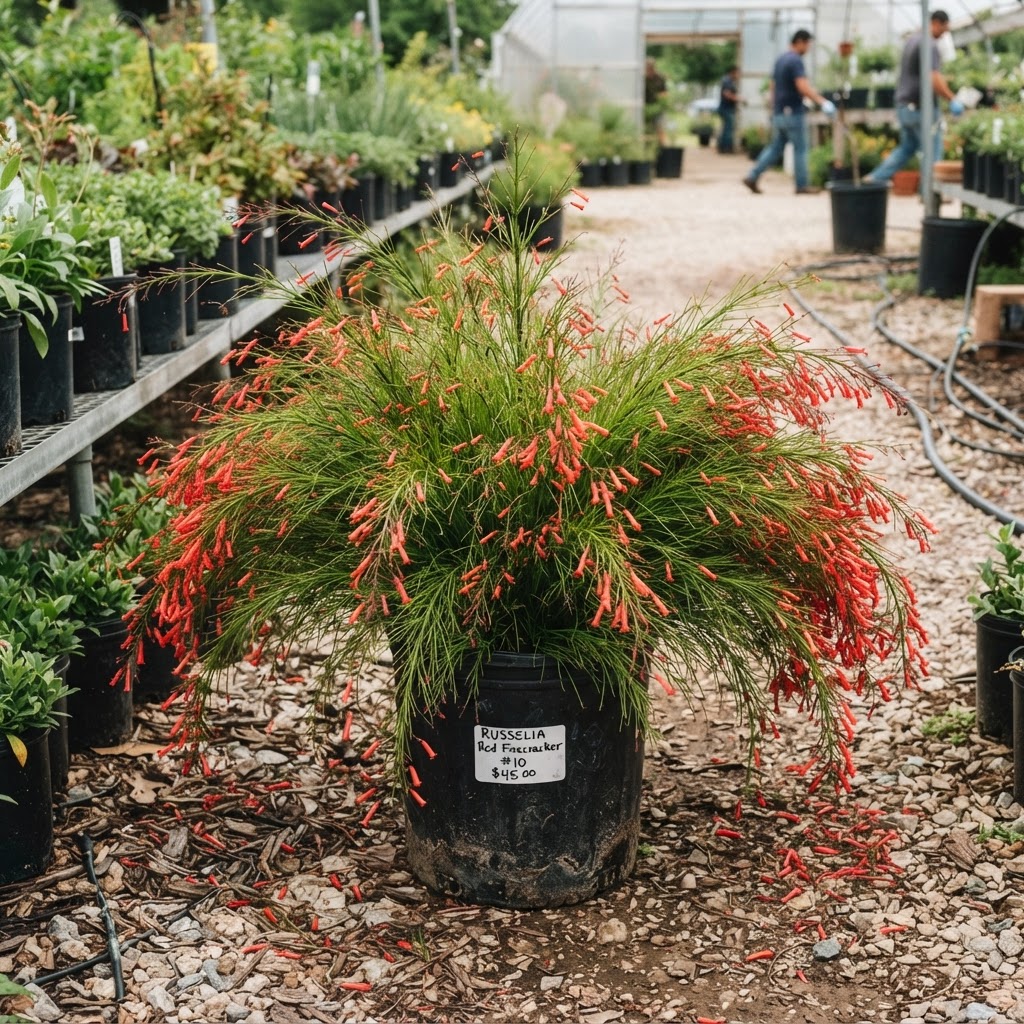
Russelia x "Red Firecracker"
$20.89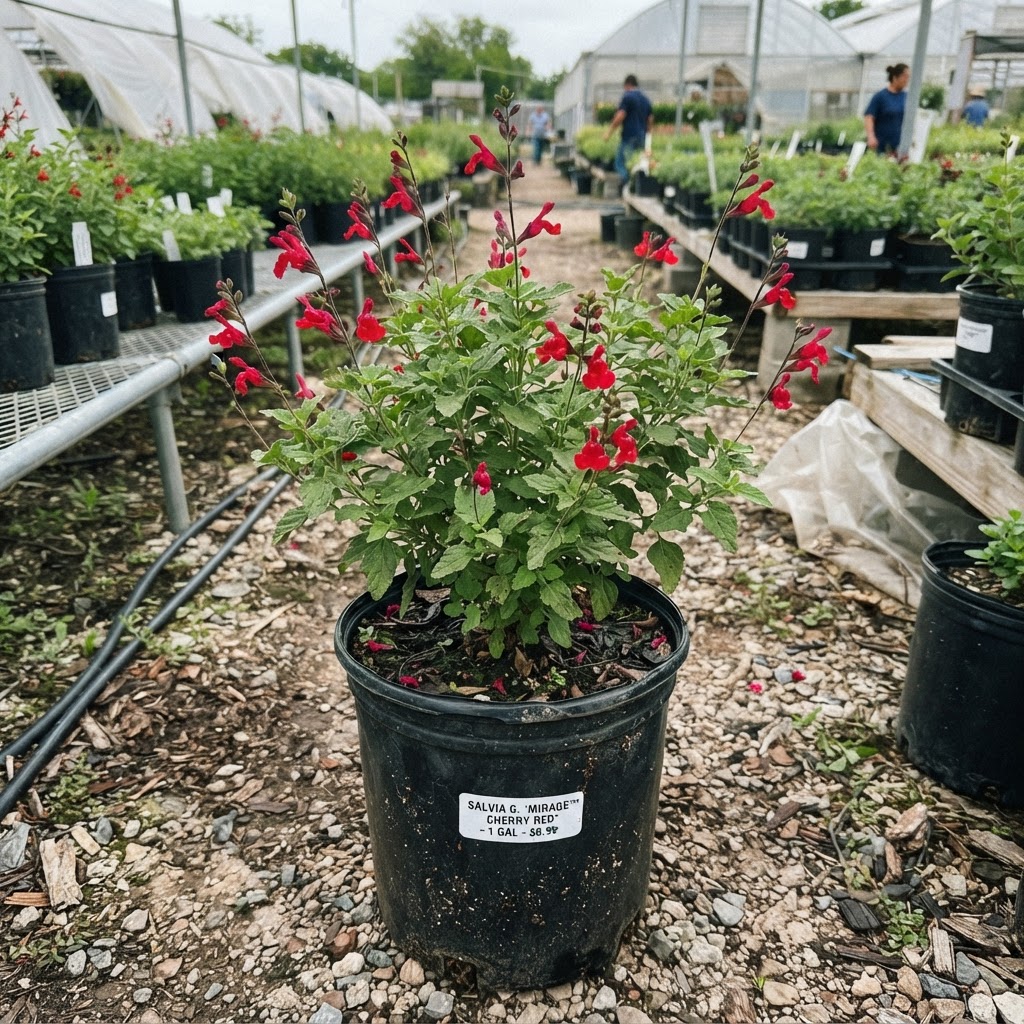
Salvia g. 'Mirage™ Cherry Red'
$7.58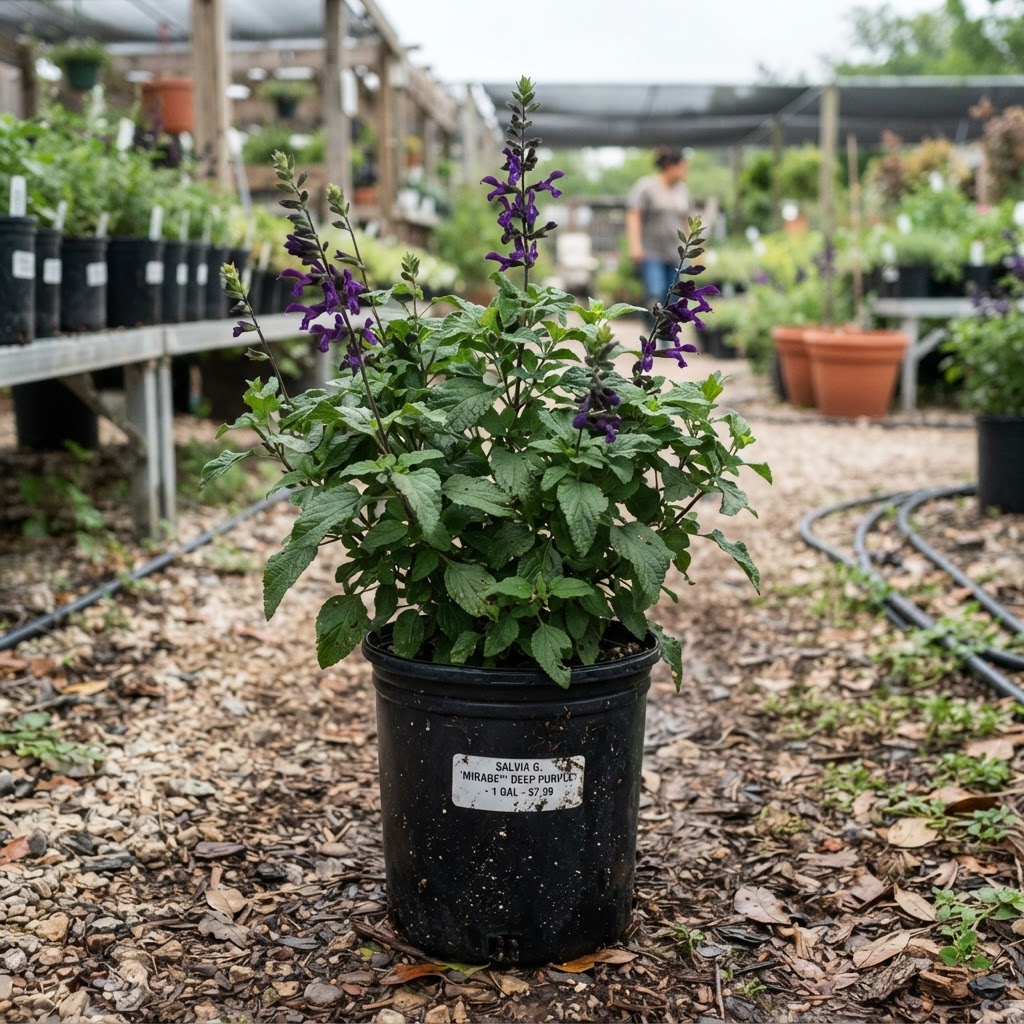
Salvia g. 'Mirage™ Deep Purple'
$7.58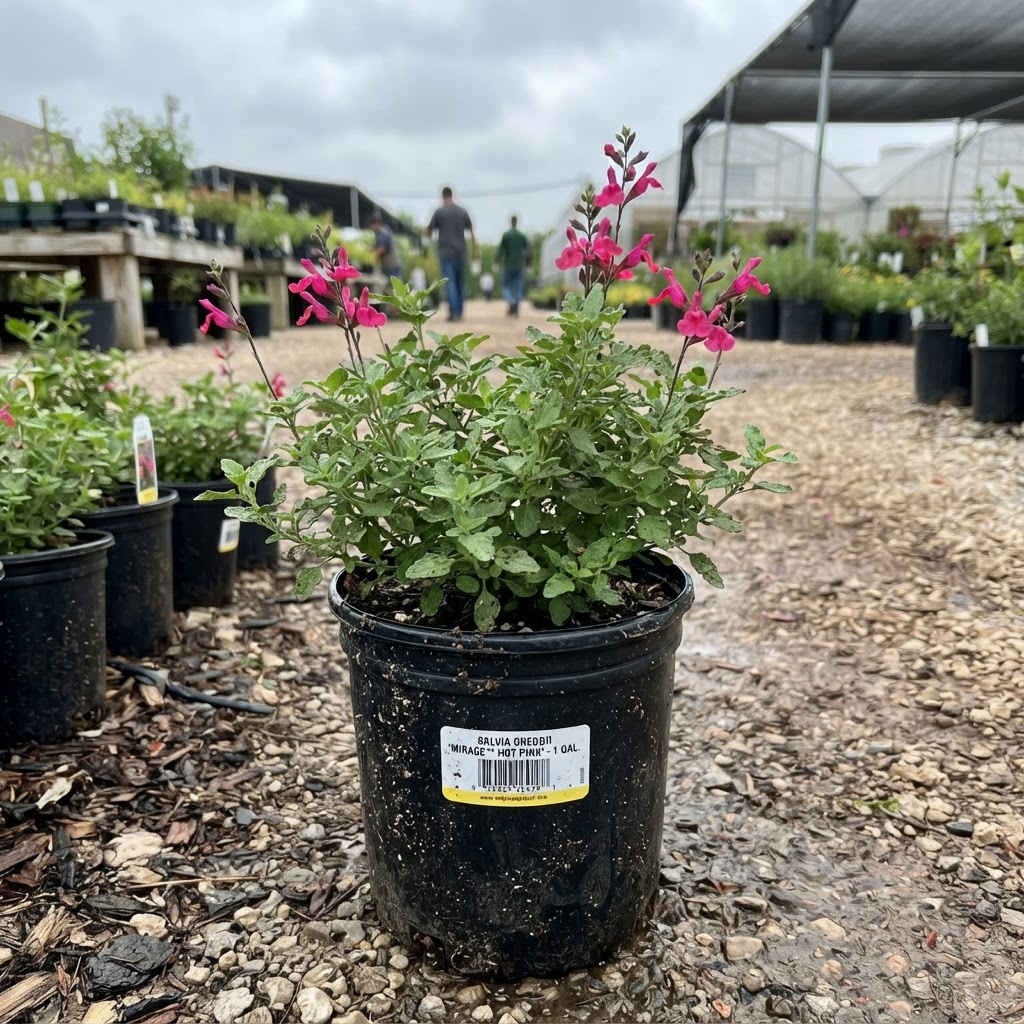
Salvia g. 'Mirage™ Hot Pink'
$7.58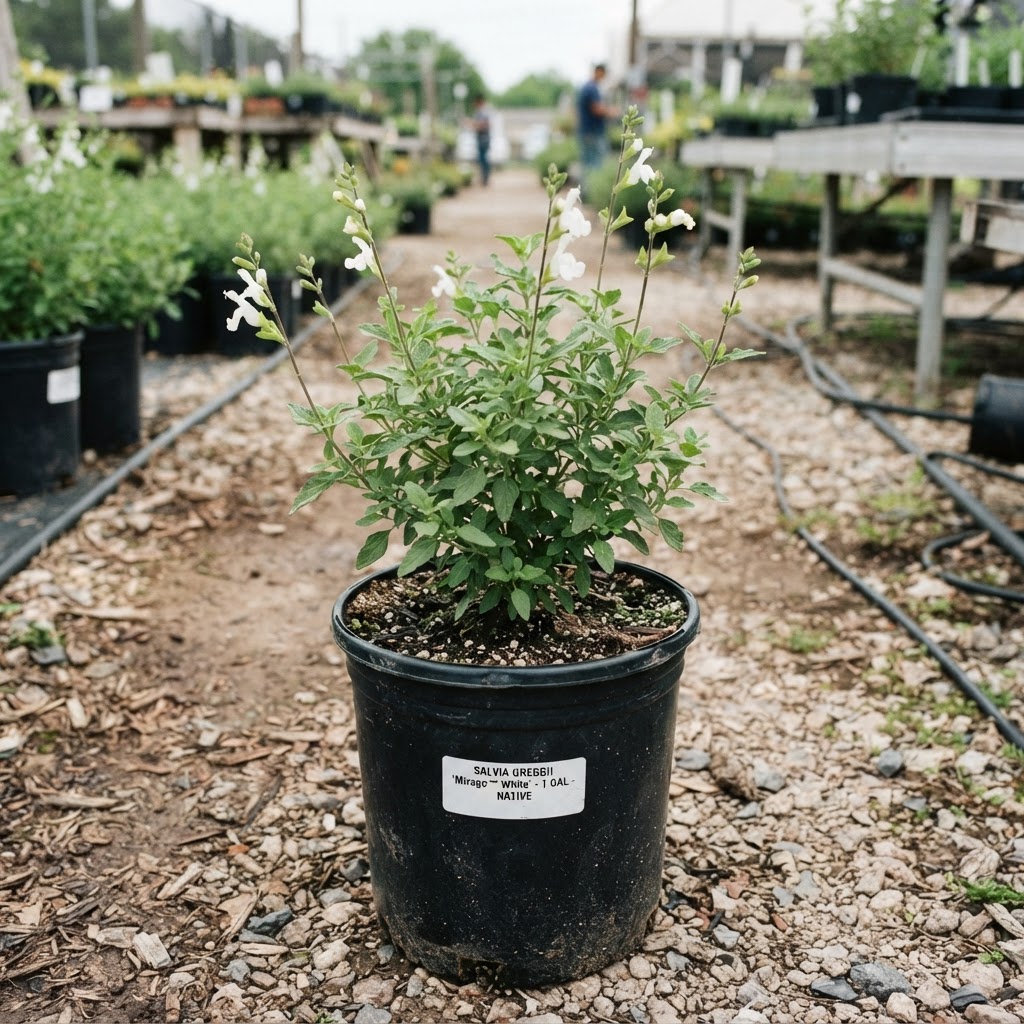
Salvia g. 'Mirage™ White'
$7.58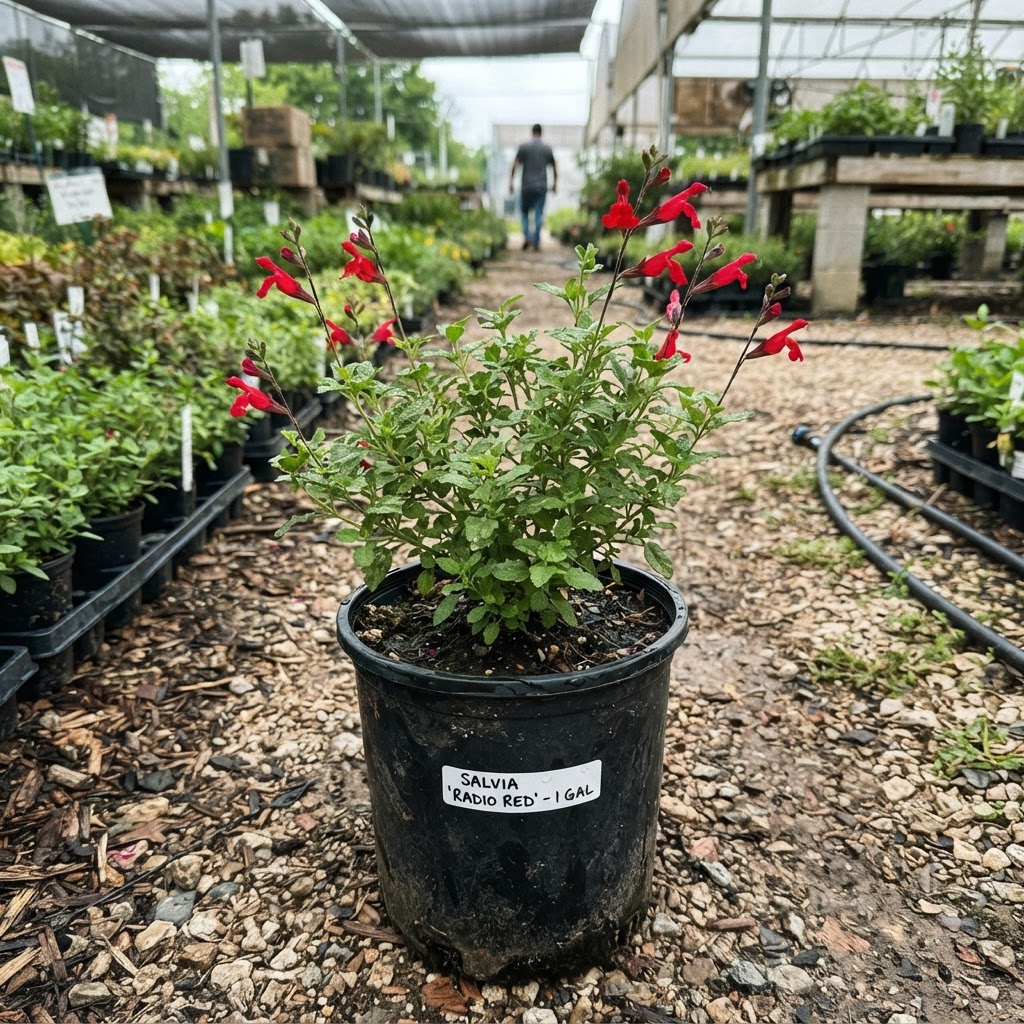
Salvia g. 'Radio Red'
$7.58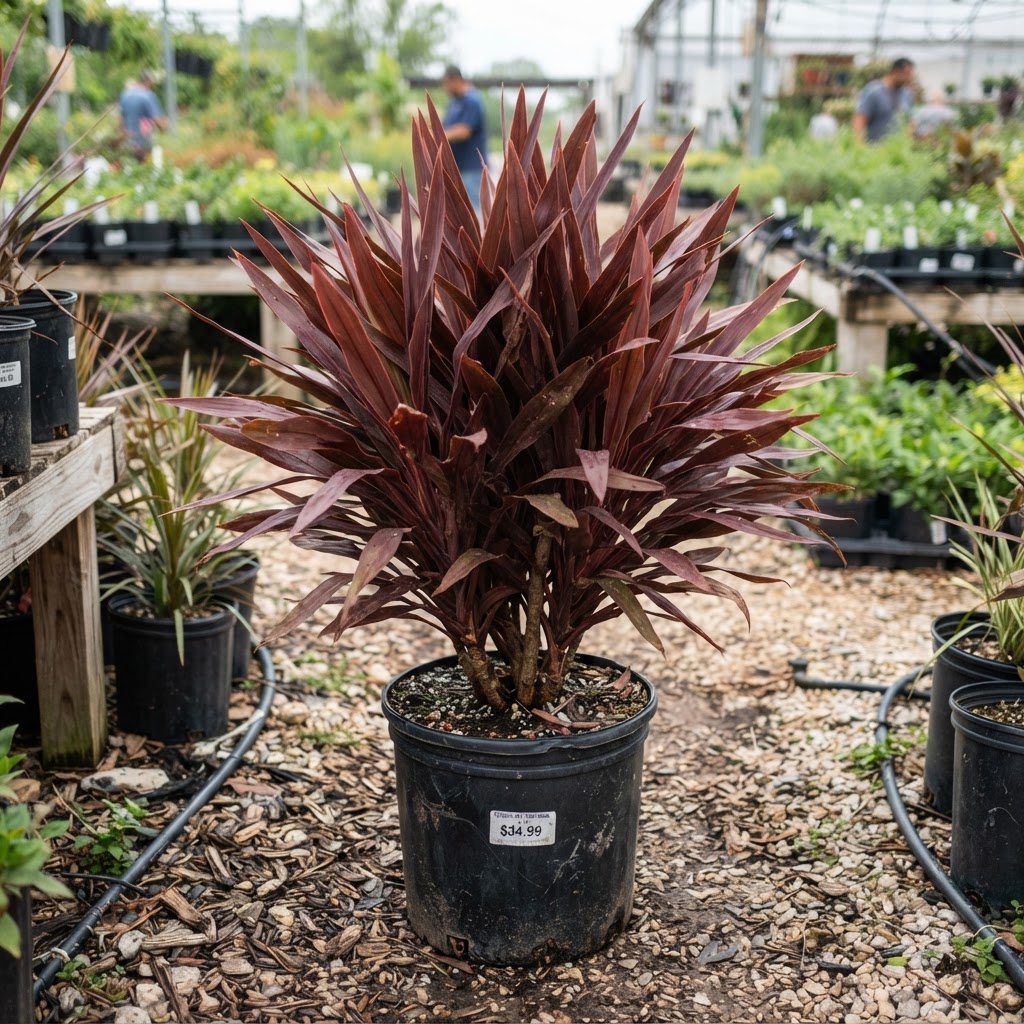
Cordyline a. 'Red Sensation'
$24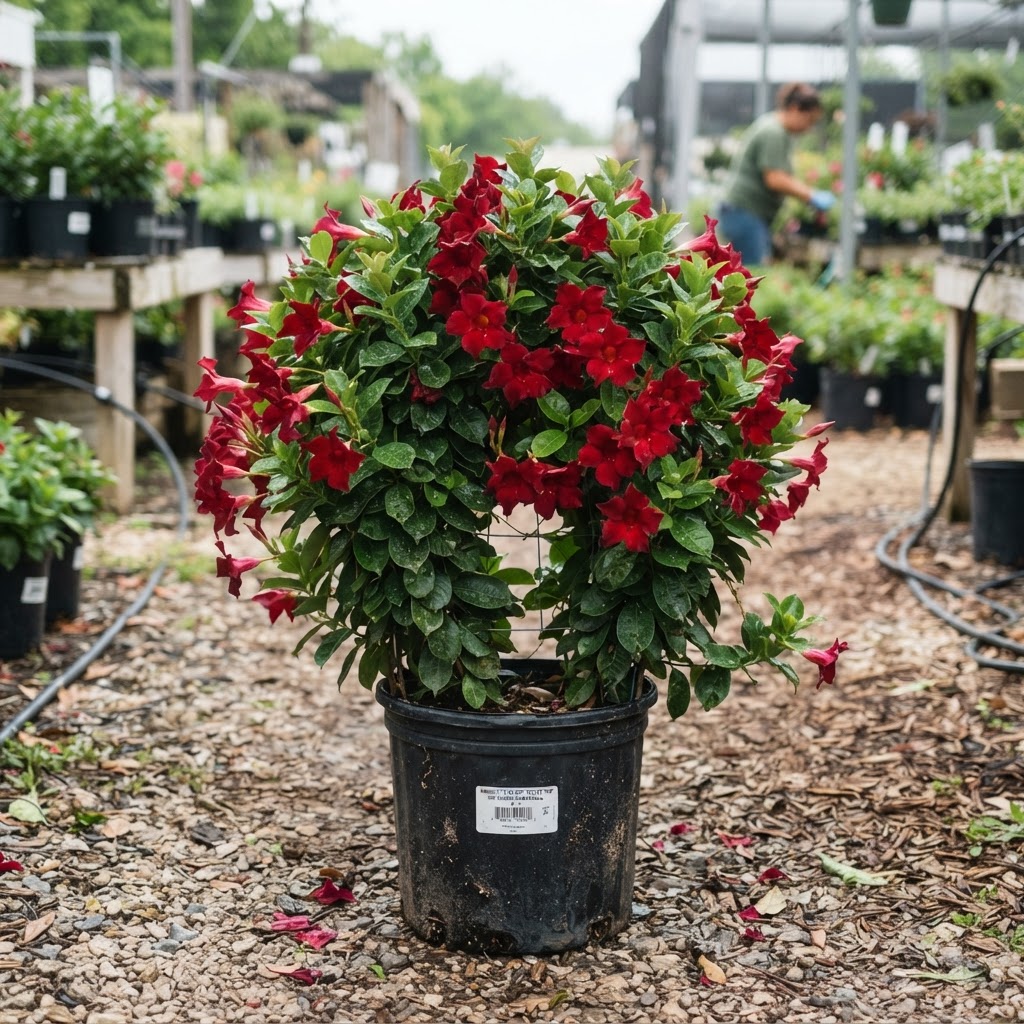
Dipladenia 'Madinia™ Elegant Velvet Red'
$20.89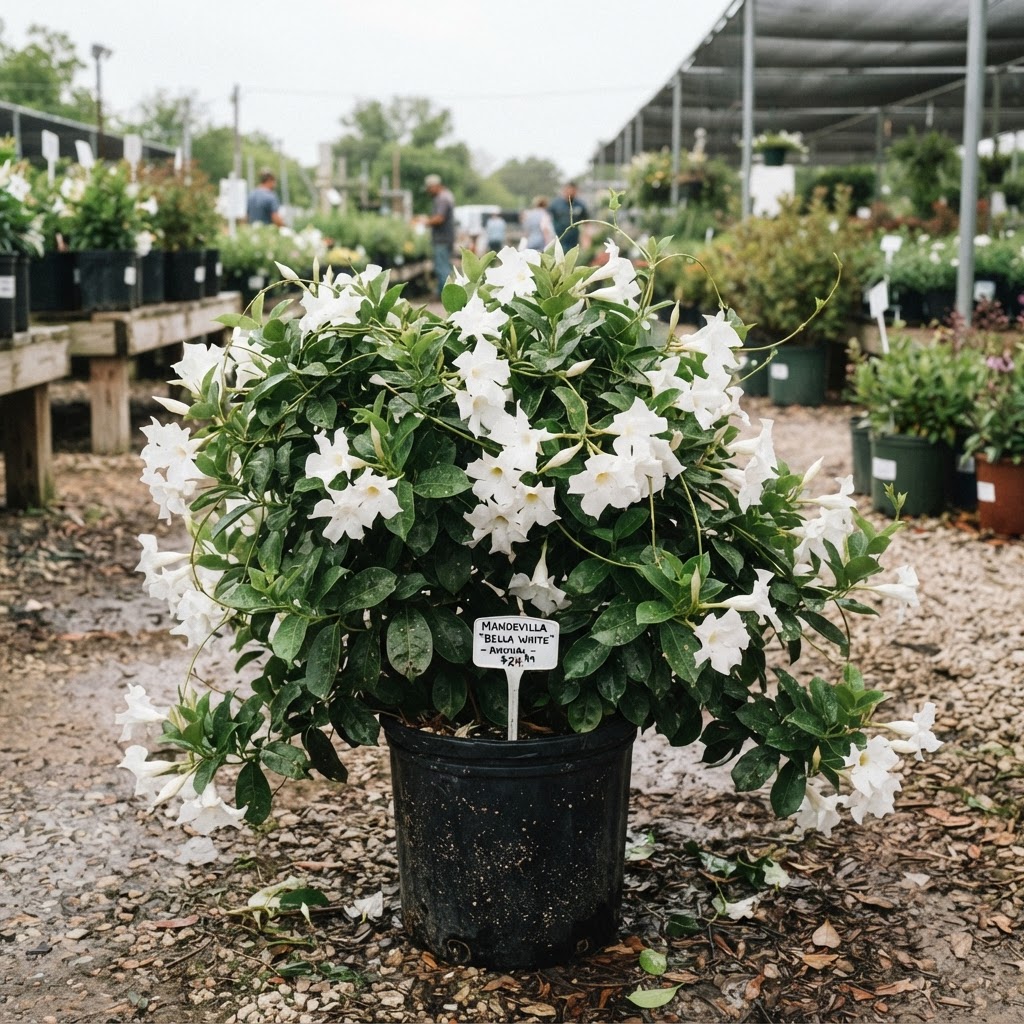
Mandevilla 'Bella White'
$22.22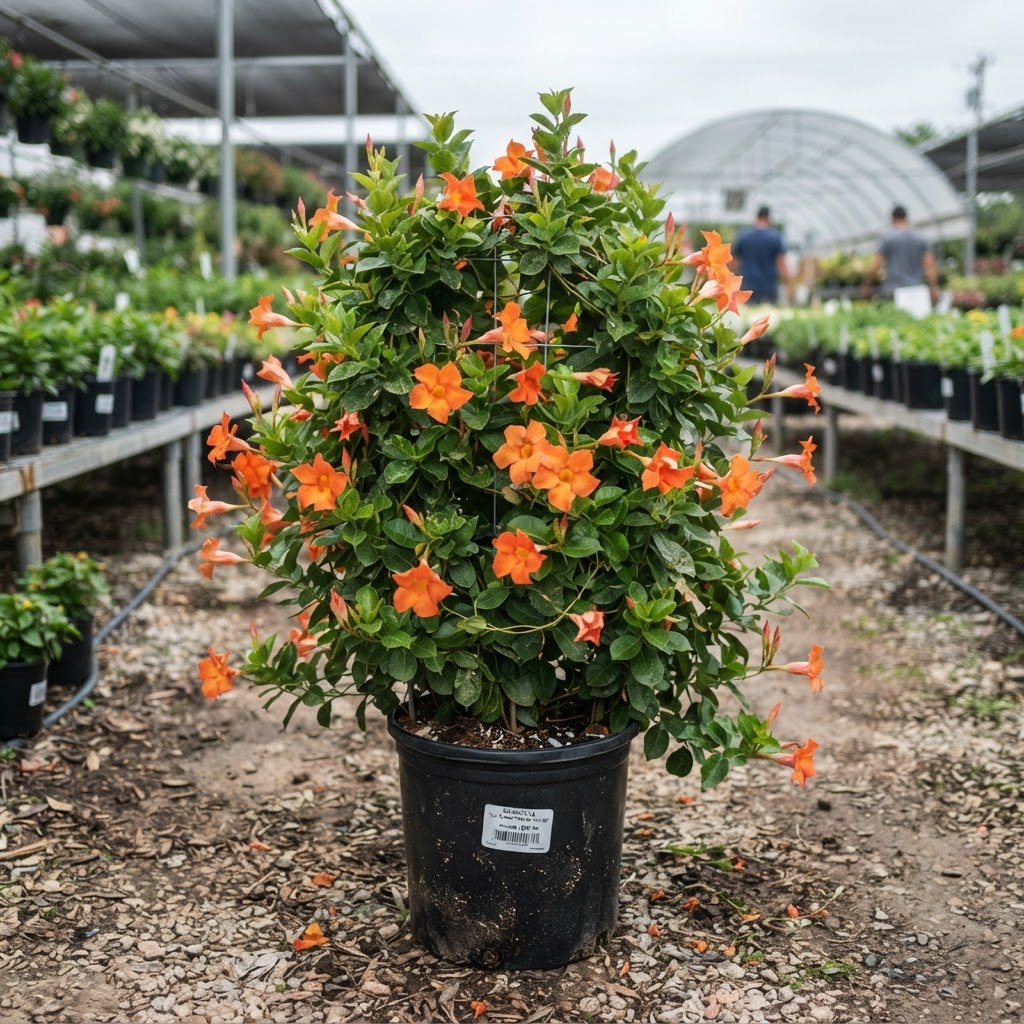
Mandevilla 'Sun Parasol Fired Up Orange'
$24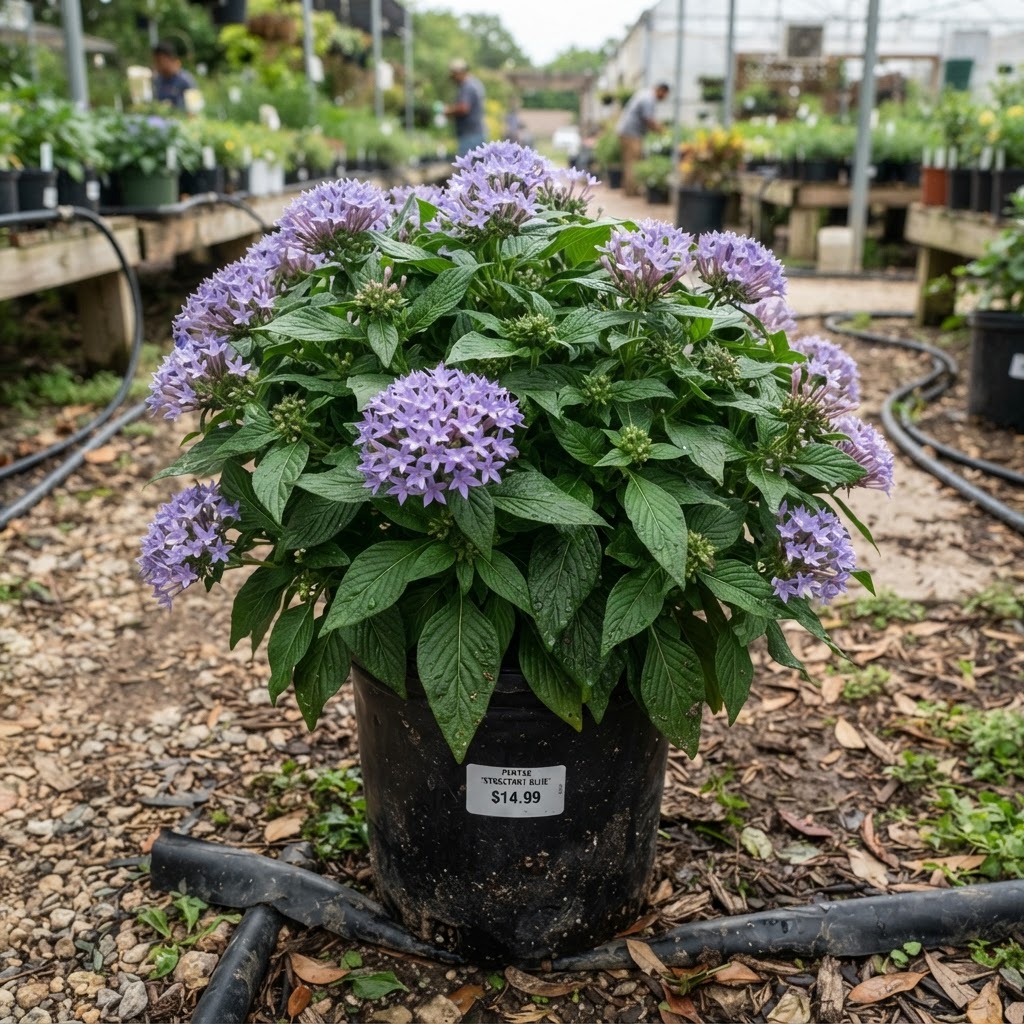
Pentas 'Streetart Blue'
$20.89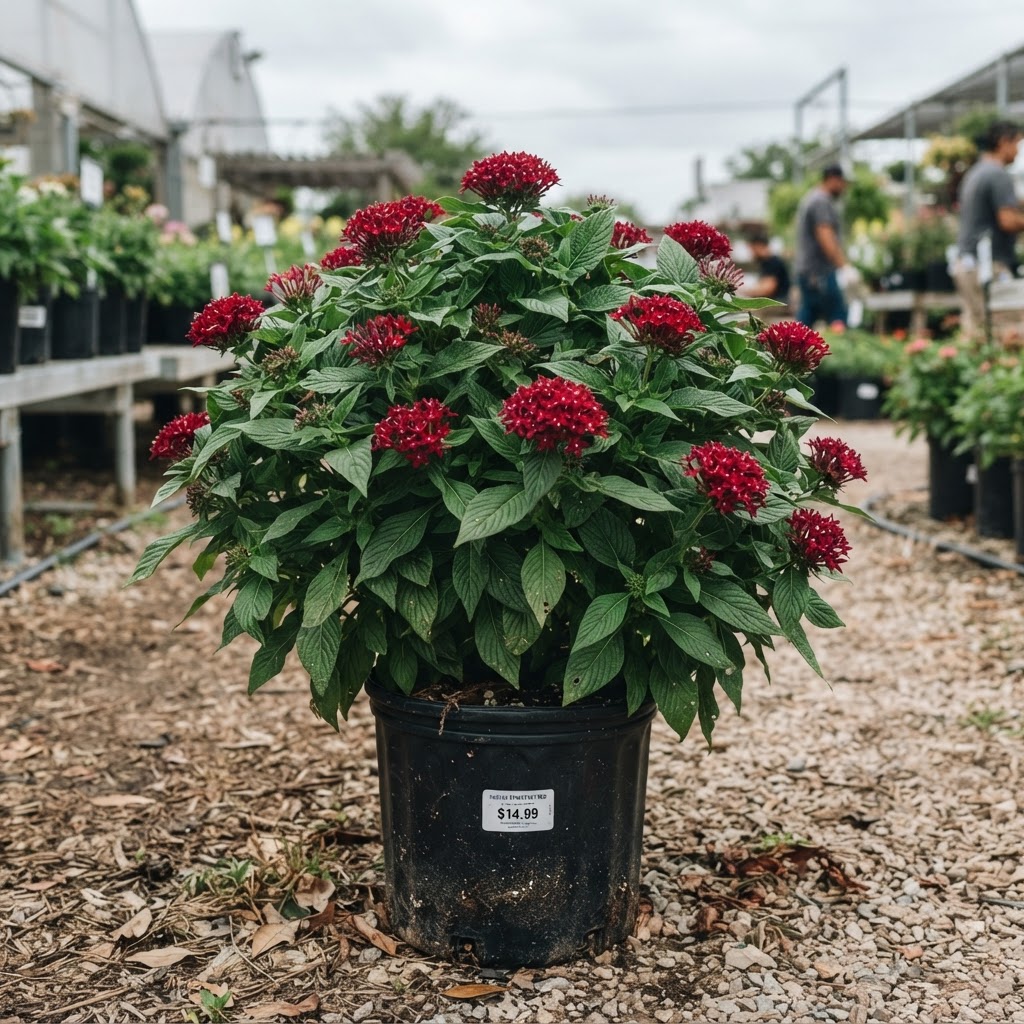
Pentas 'Streetart Red'
$20.89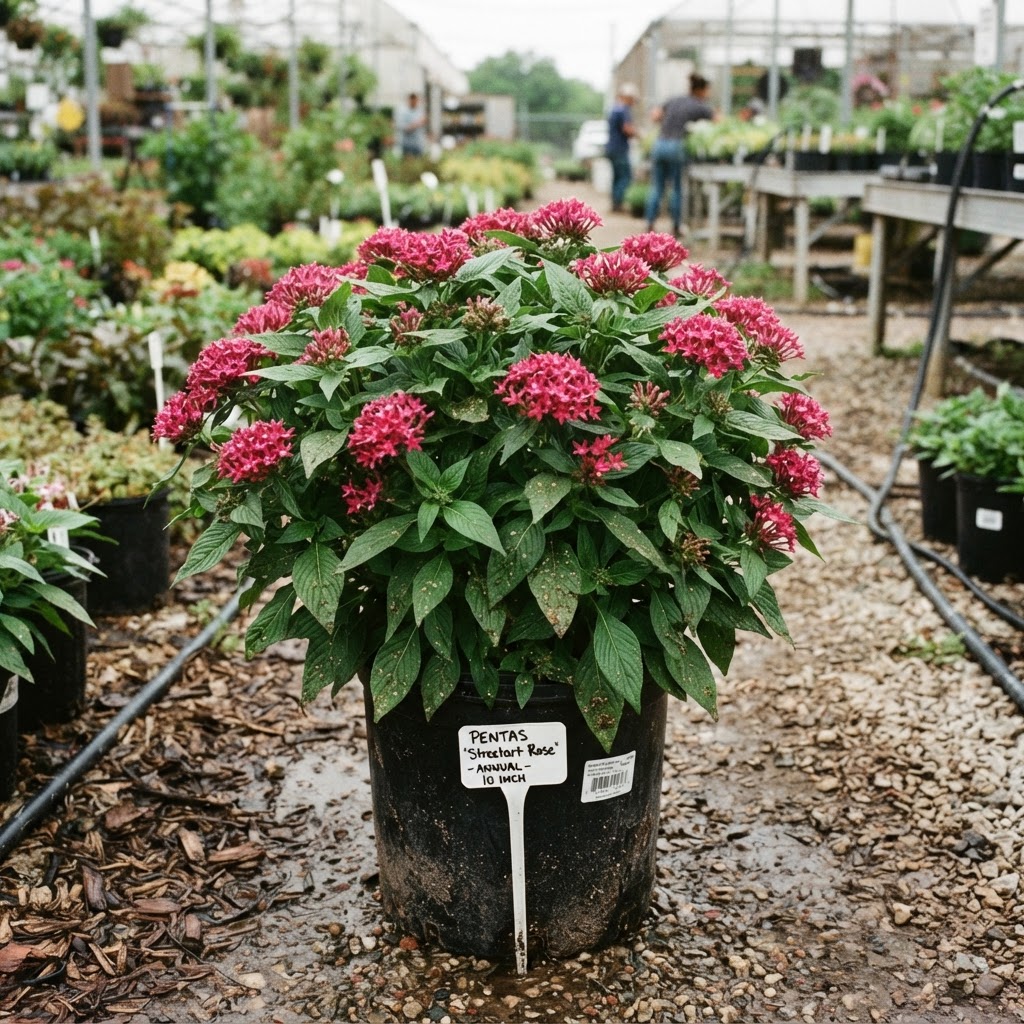
Pentas 'Streetart Rose'
$20.89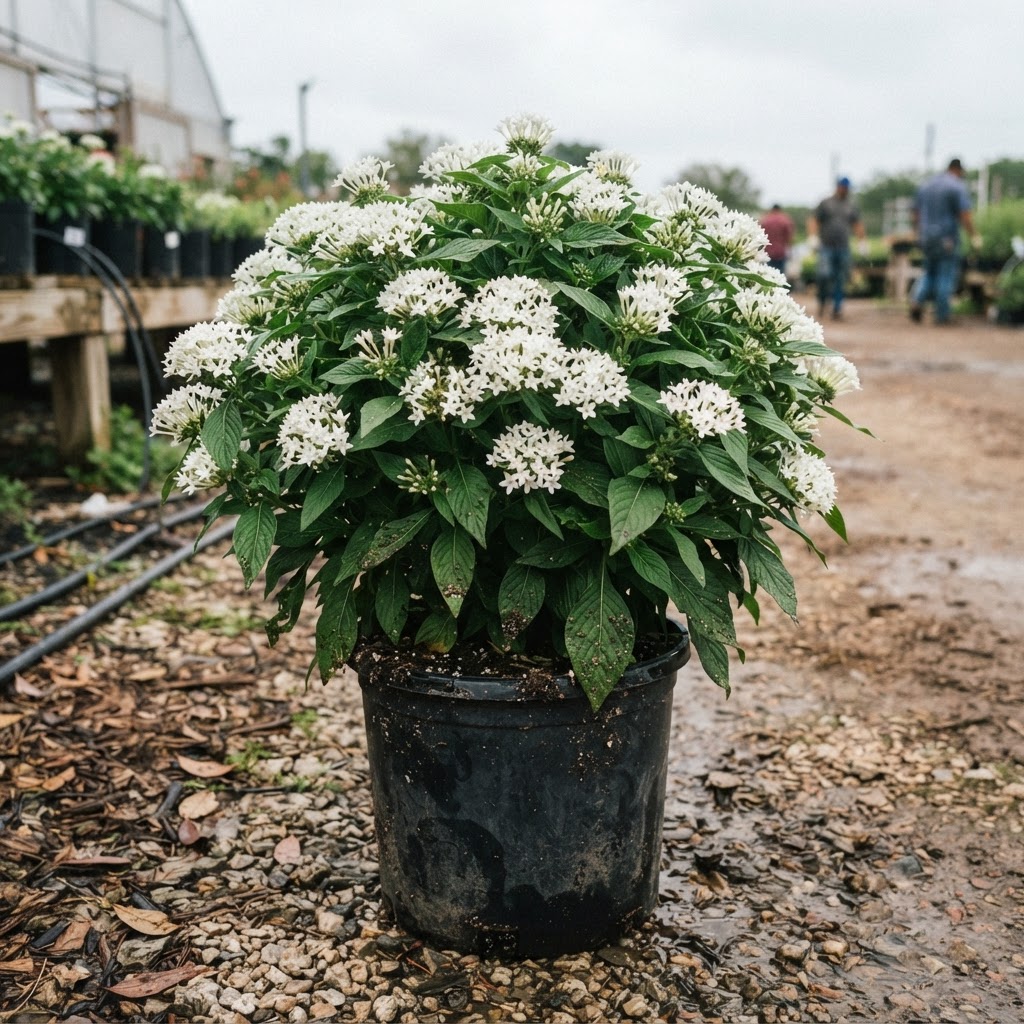
Pentas 'Streetart White'
$20.89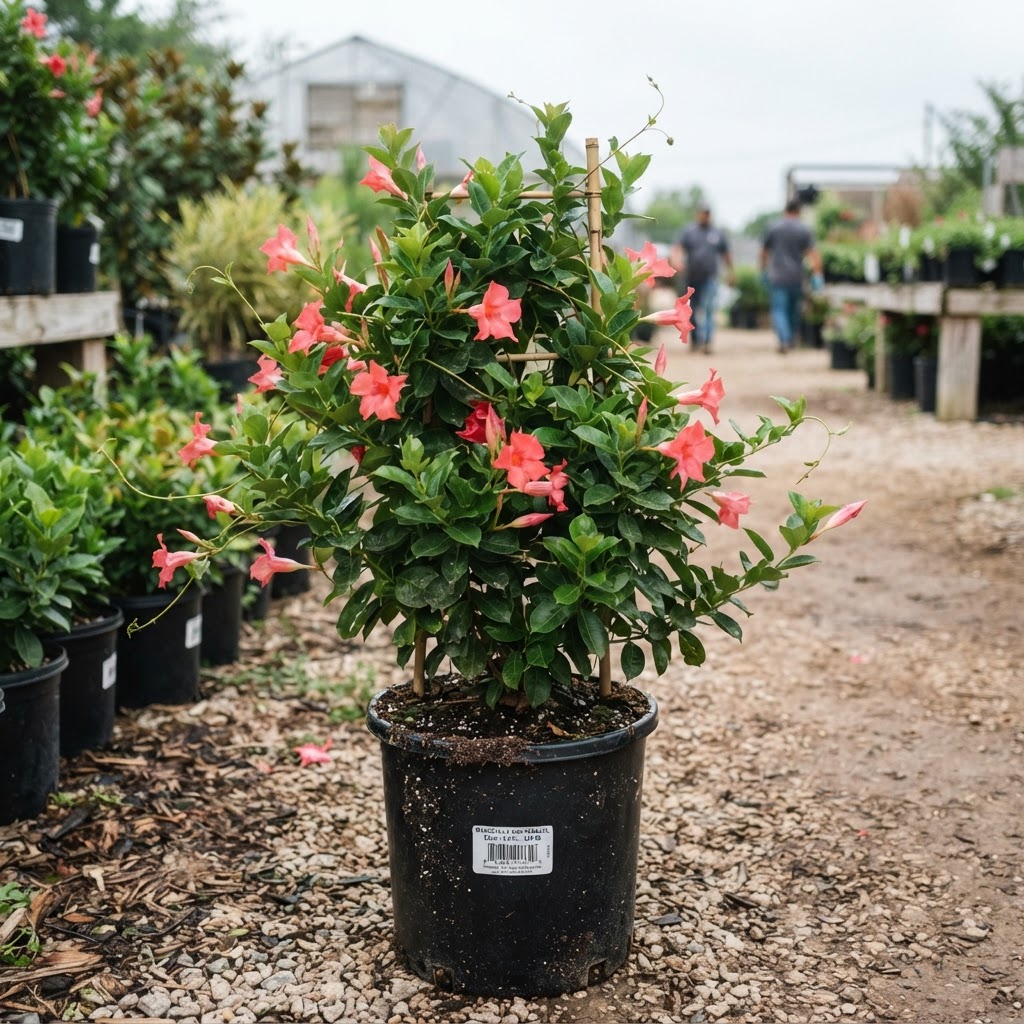
Mandevilla 'Sun Parasol Fired Up Coral'
$24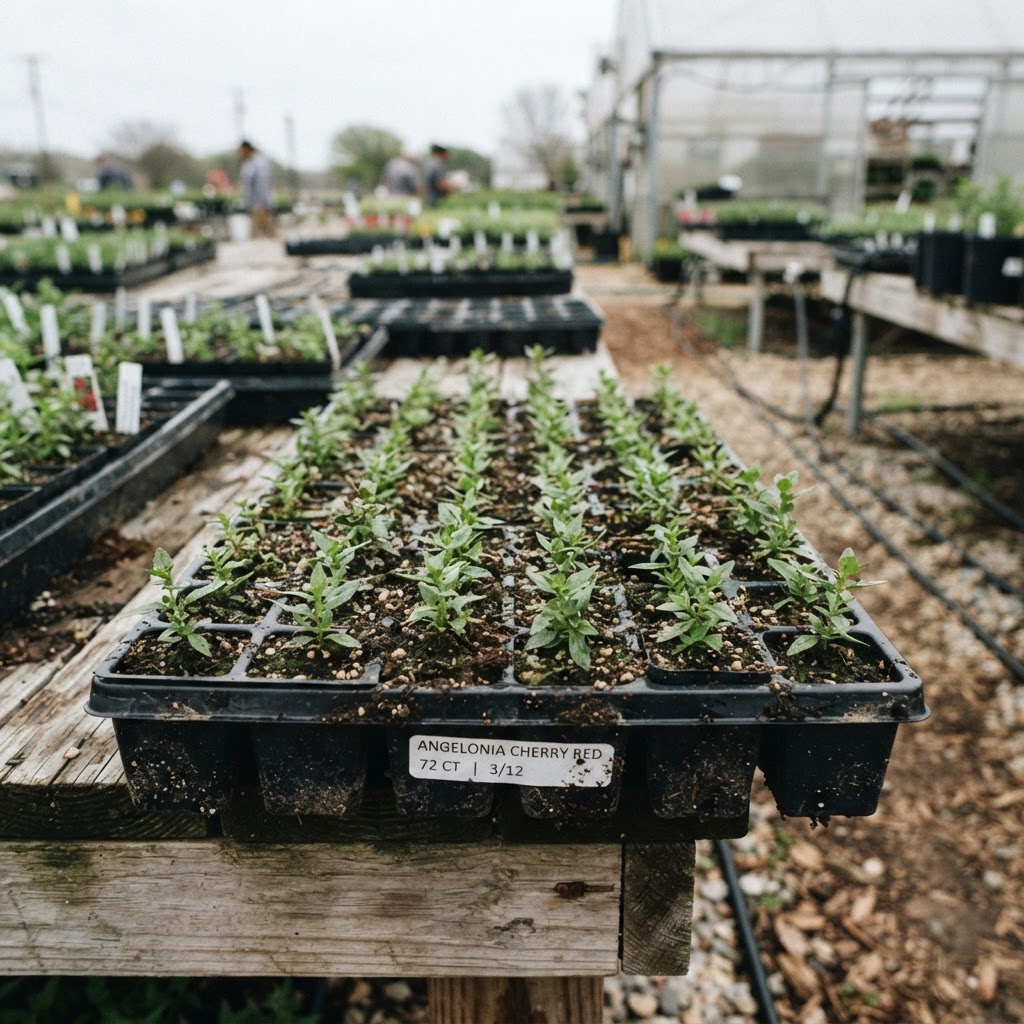
Angelonia 'Serenita Cherry Red'
$24.30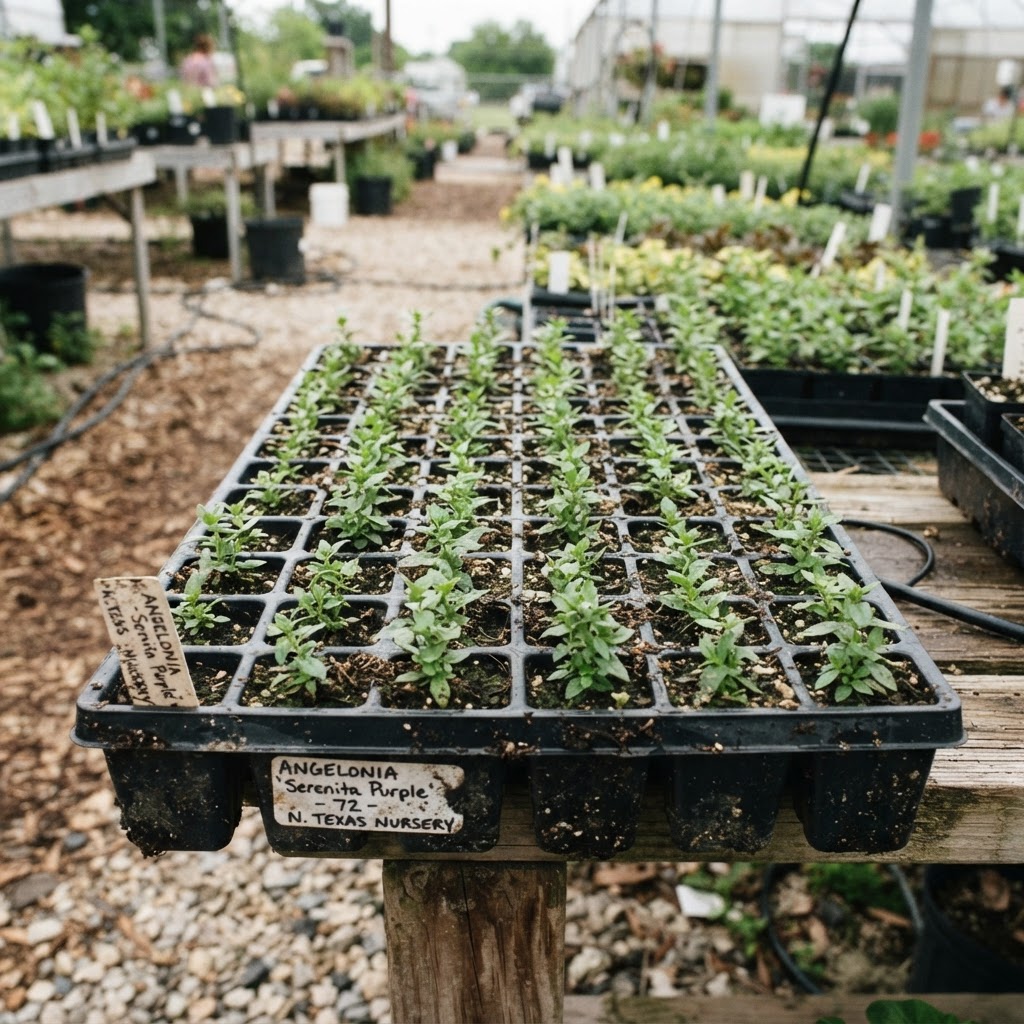
Angelonia 'Serenita Purple'
$24.30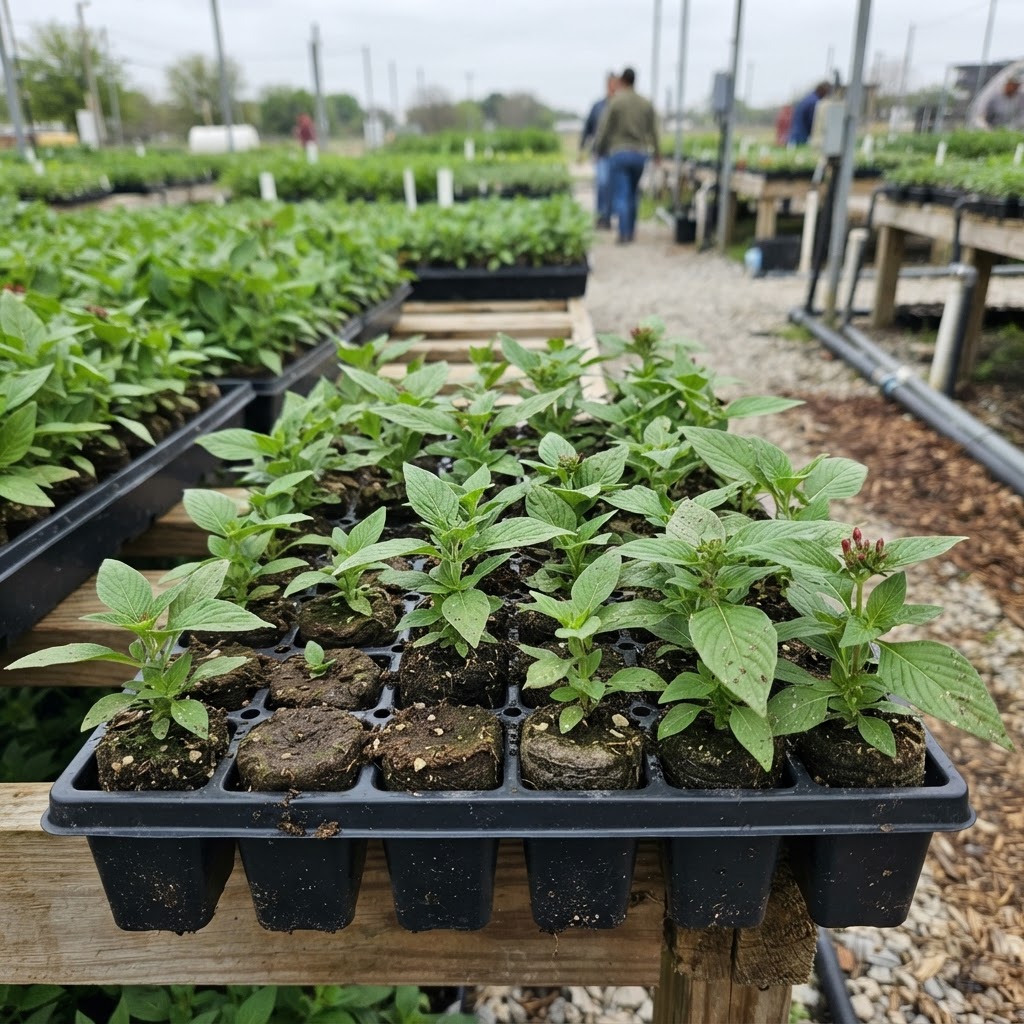
Pentas 'Graffiti® Deep Red'
$24.30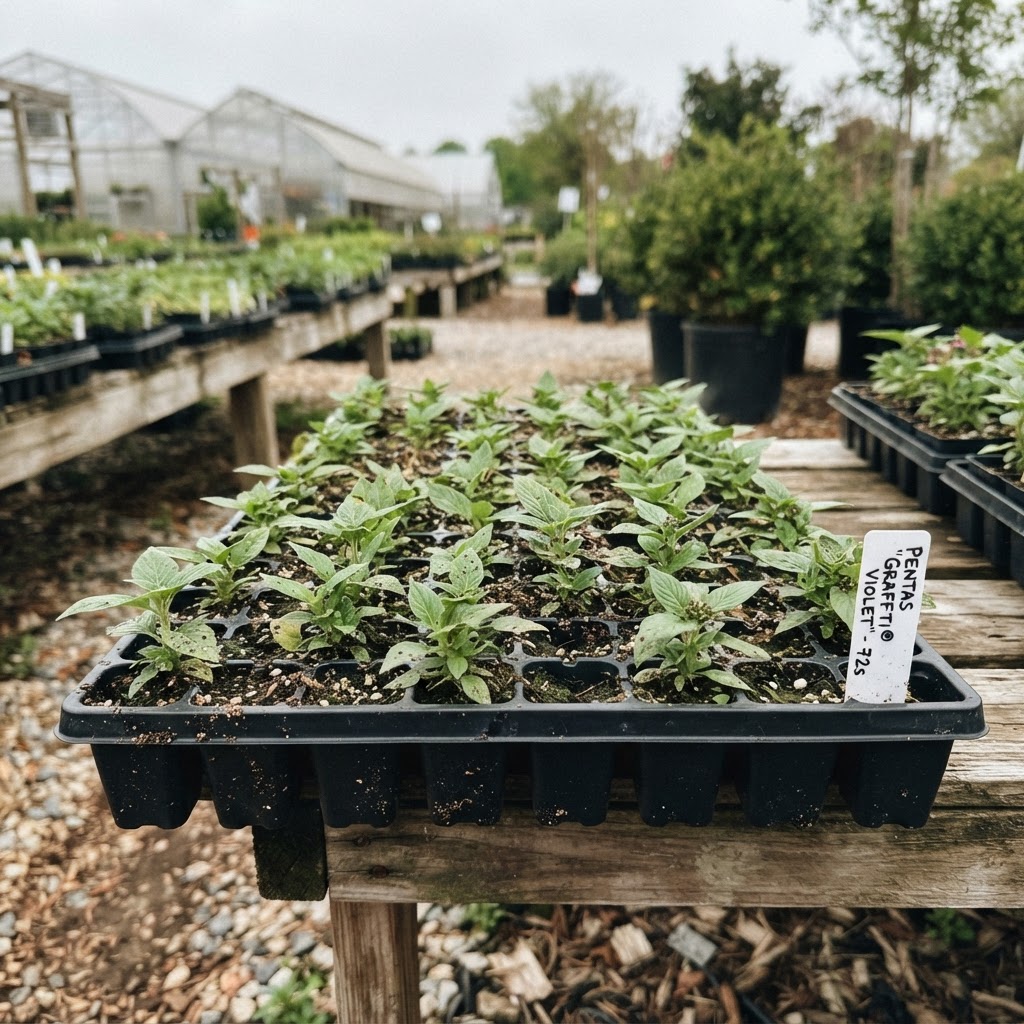
Pentas 'Graffiti® Violet'
$24.30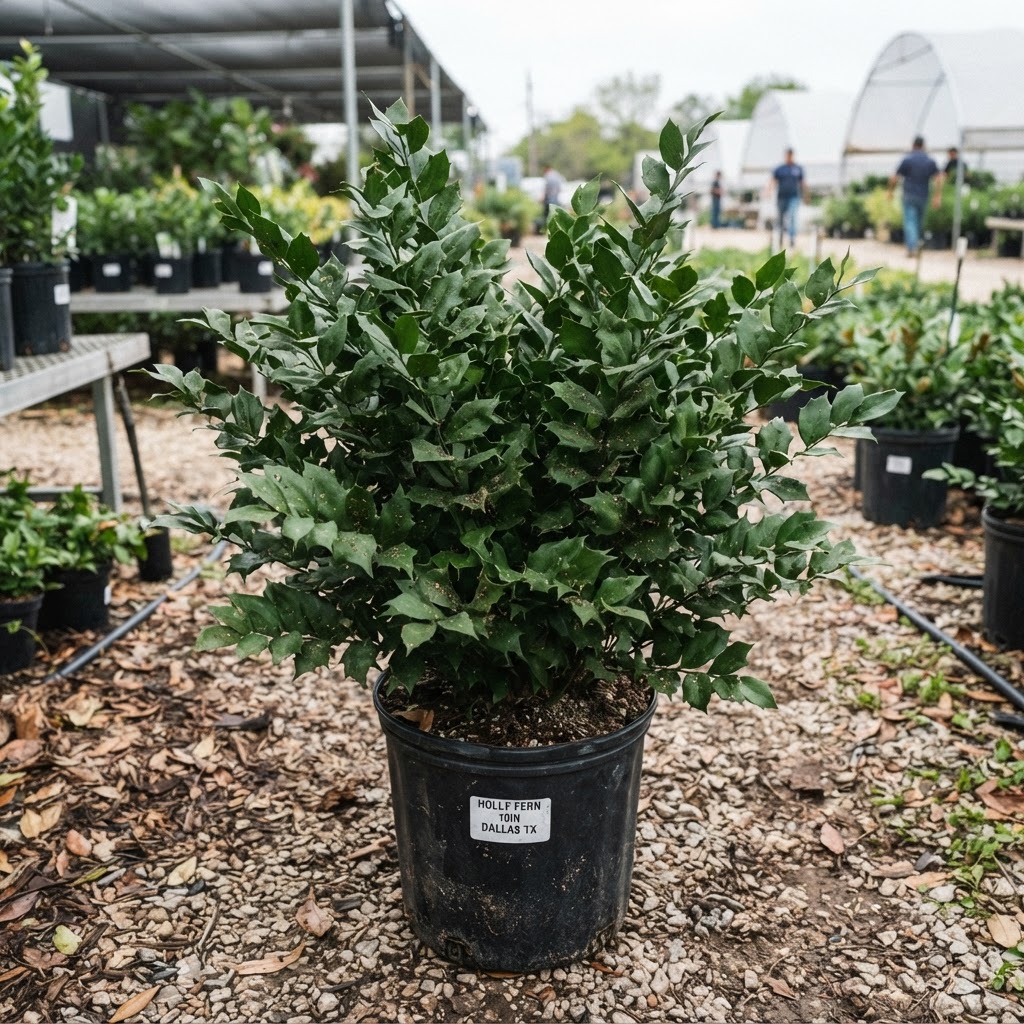
Fern 'Holly'
$24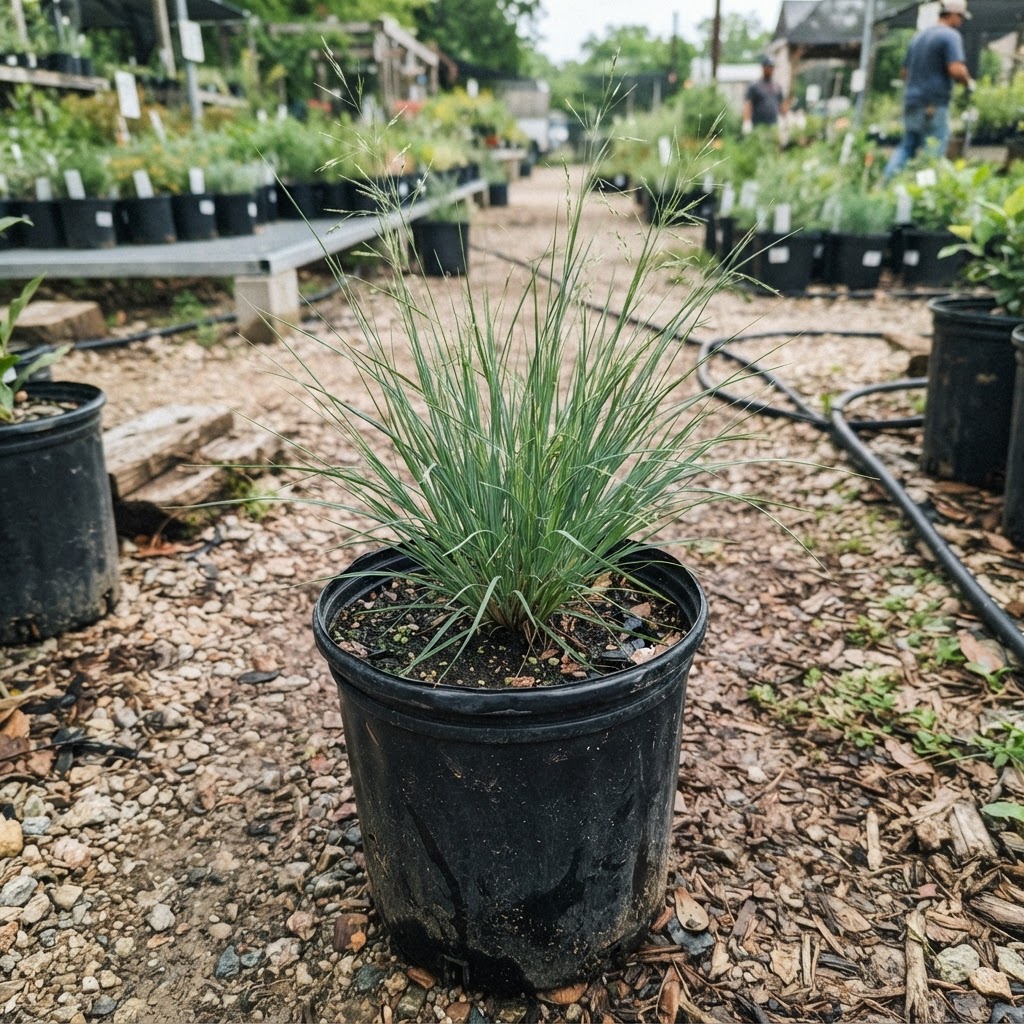
Bouteloua gracilis 'Mozzie'
$6.89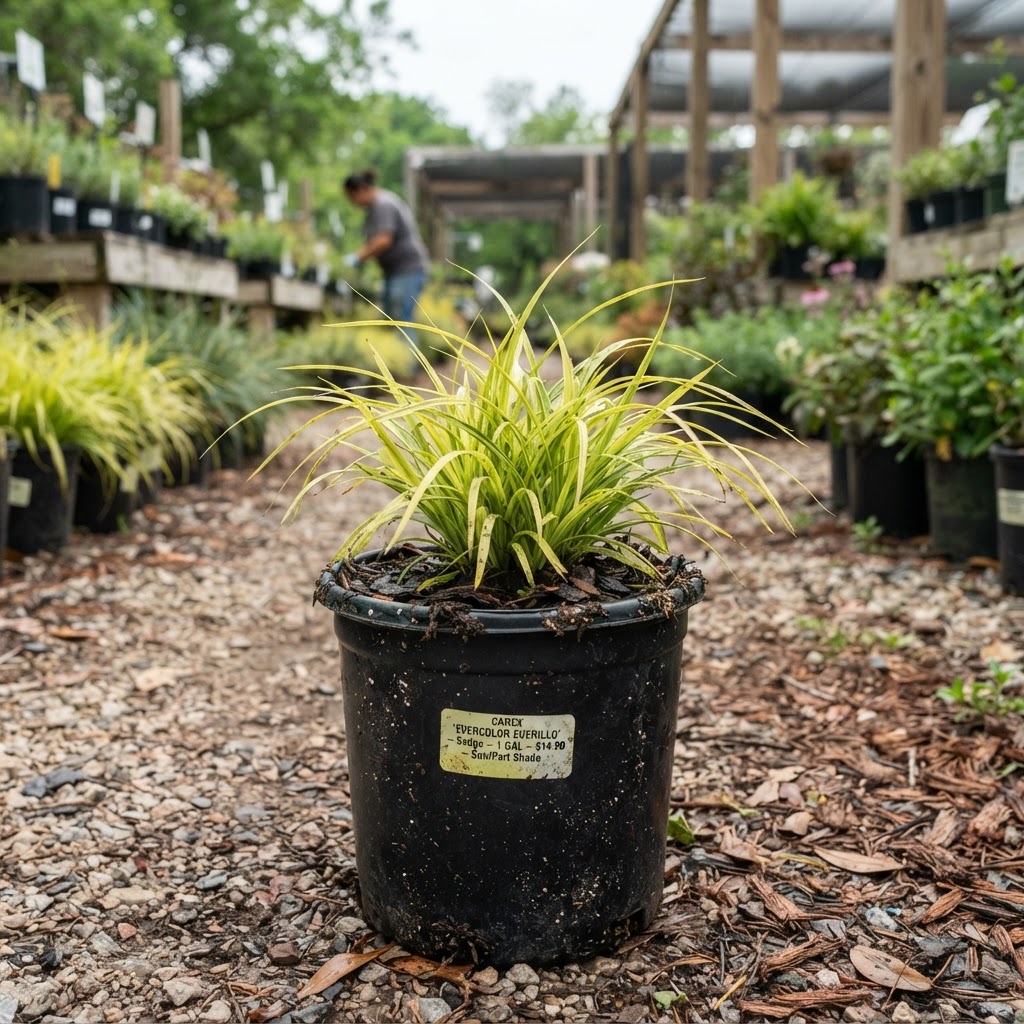
Carex 'Evercolor Everillo'
$9.38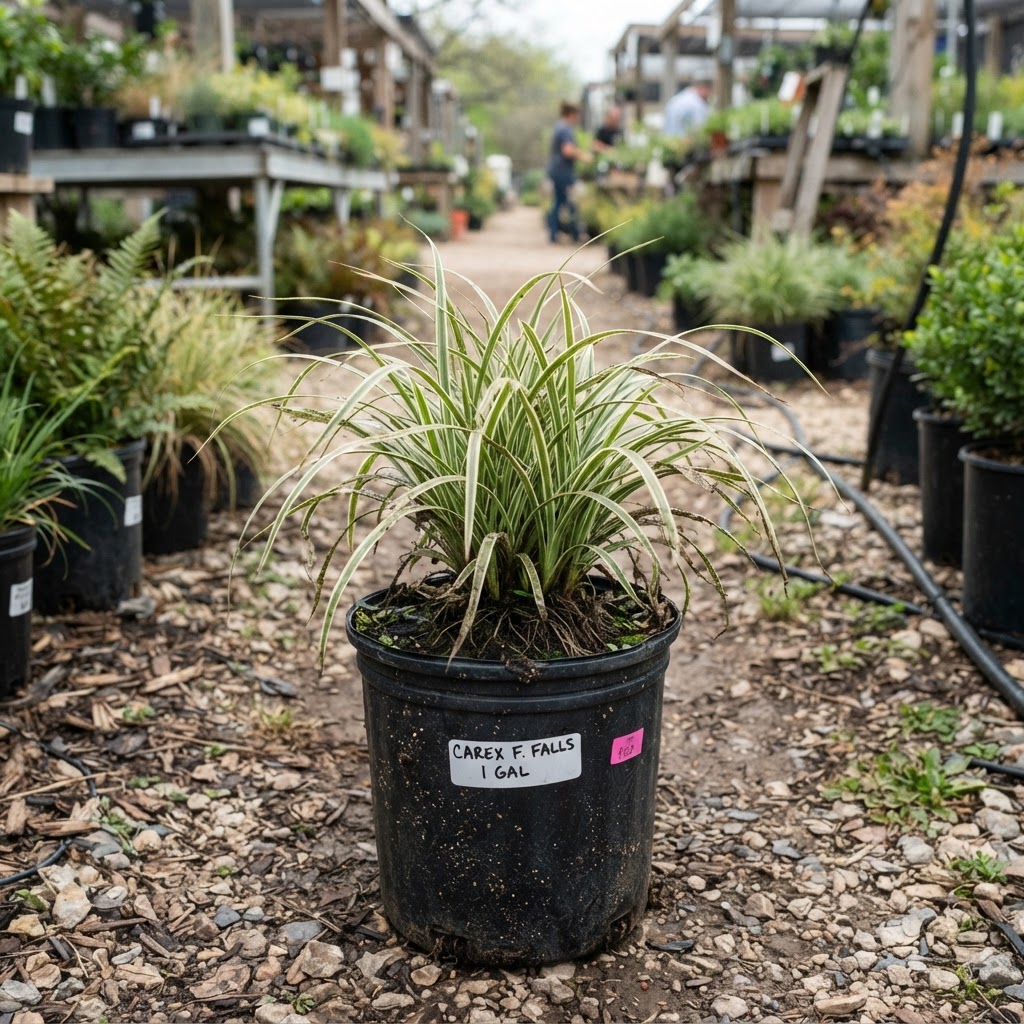
Carex 'Feather Falls'
$9.81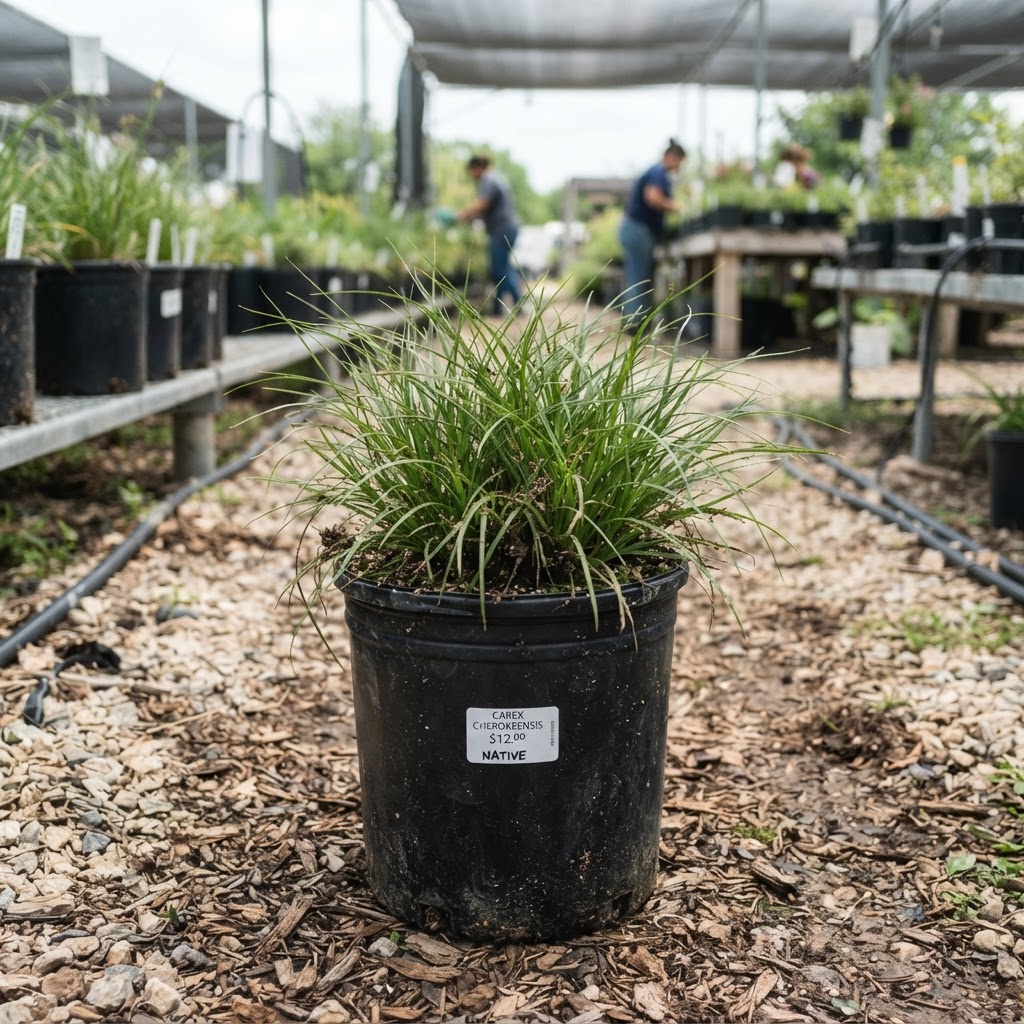
Carex cherokeensis
$8.04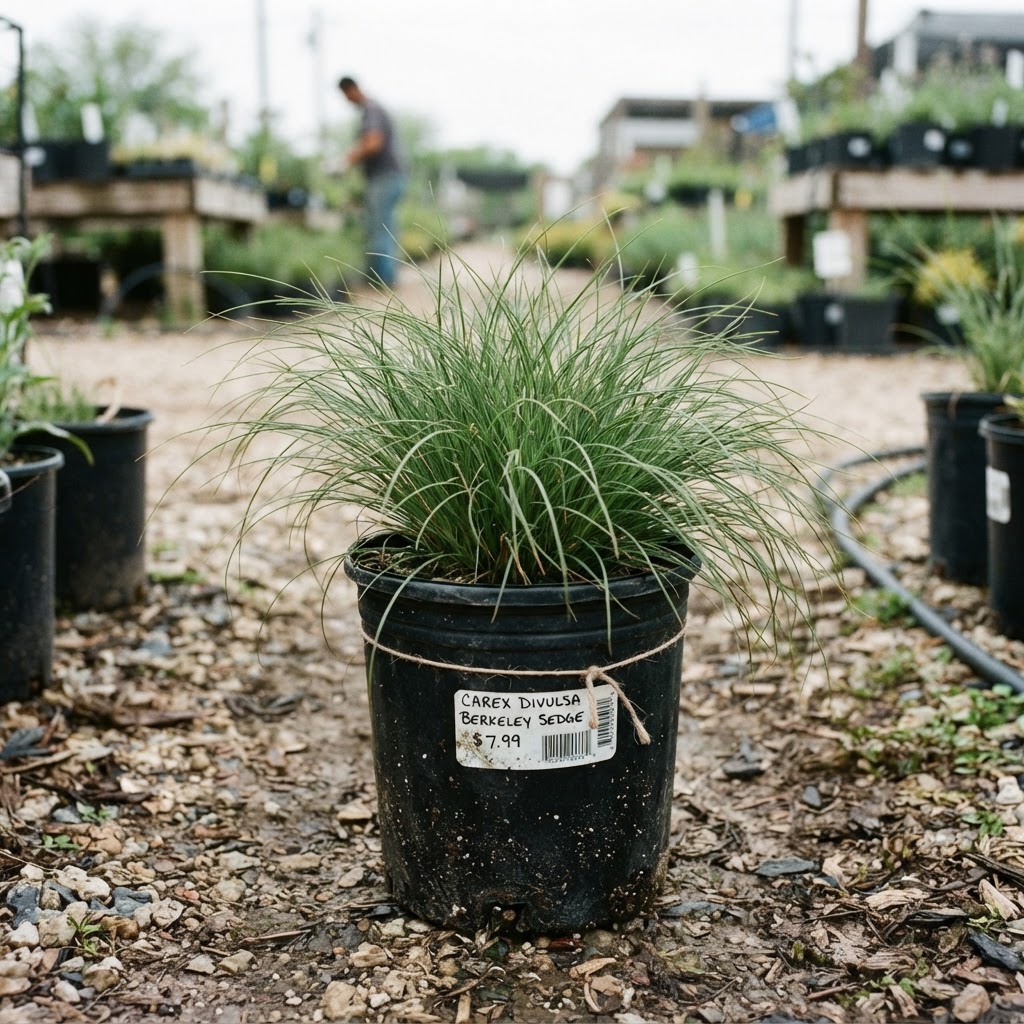
Carex divulsa "Berkeley Sedge"
$7.58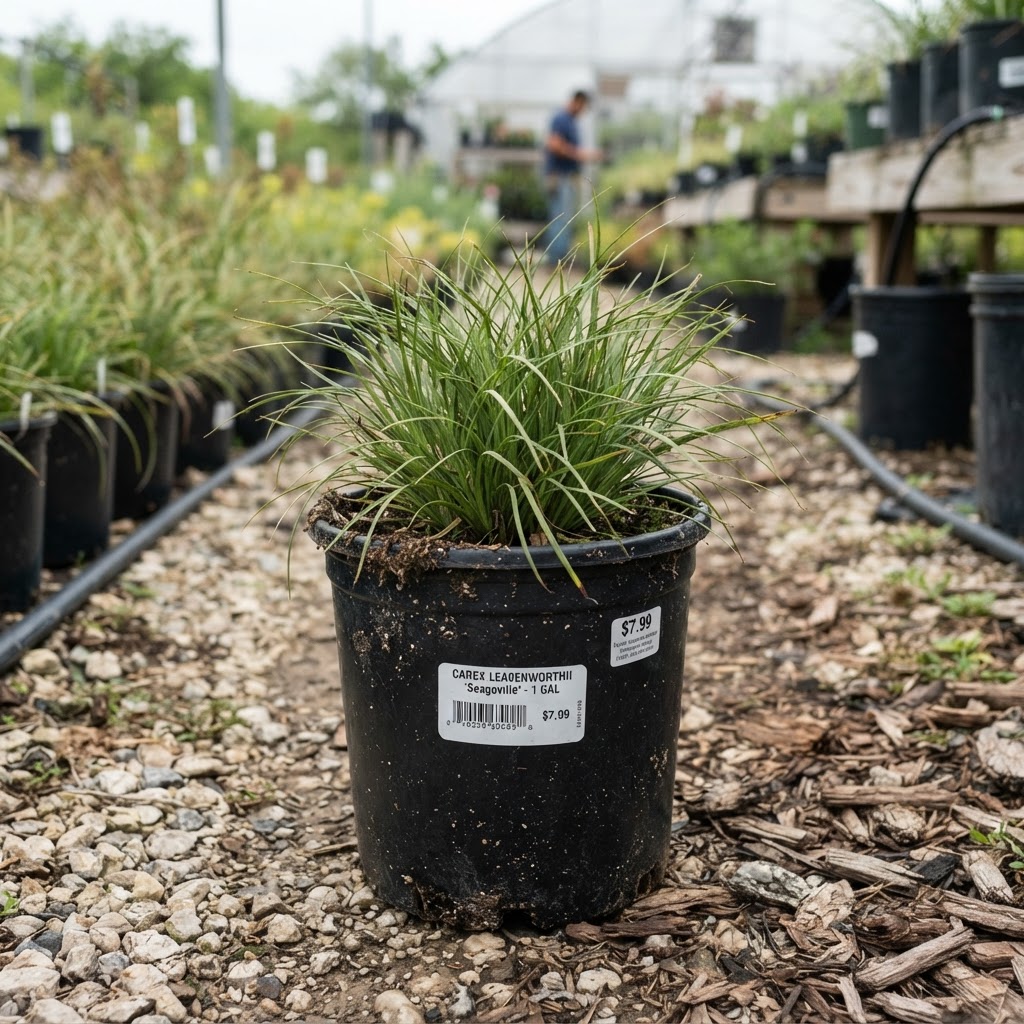
Carex leavenworthii 'Seagoville'
$8.04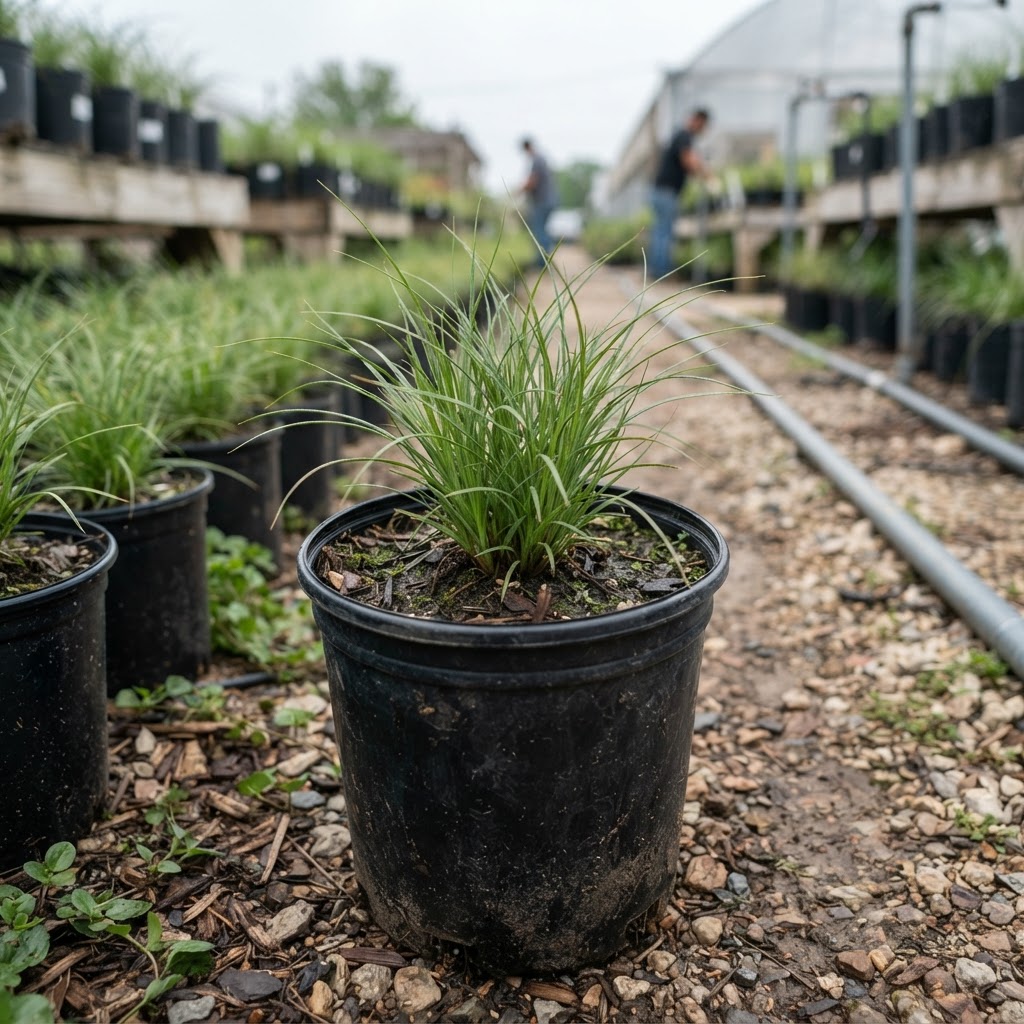
Carex texensis 'Texas Sedge'
$8.04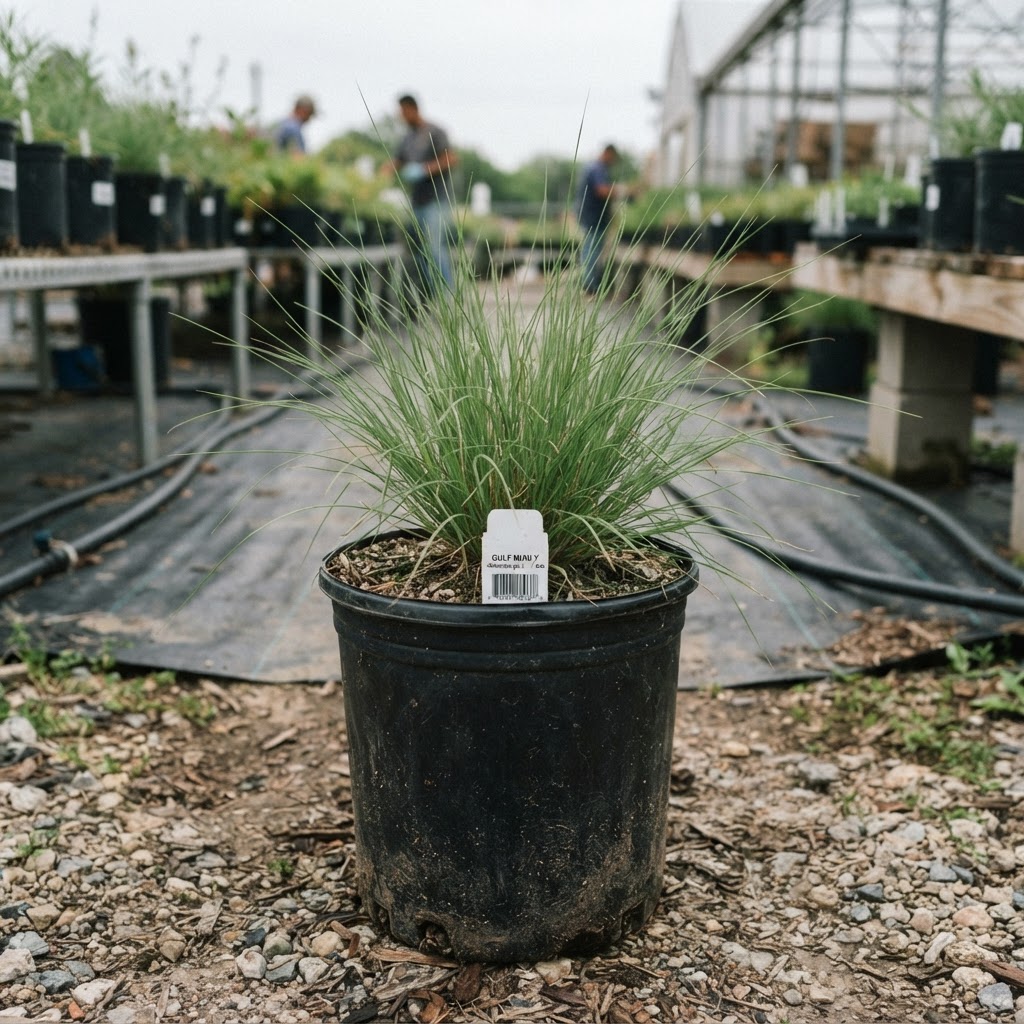
Muhlenbergia c. "Gulf Muhly"
$6.77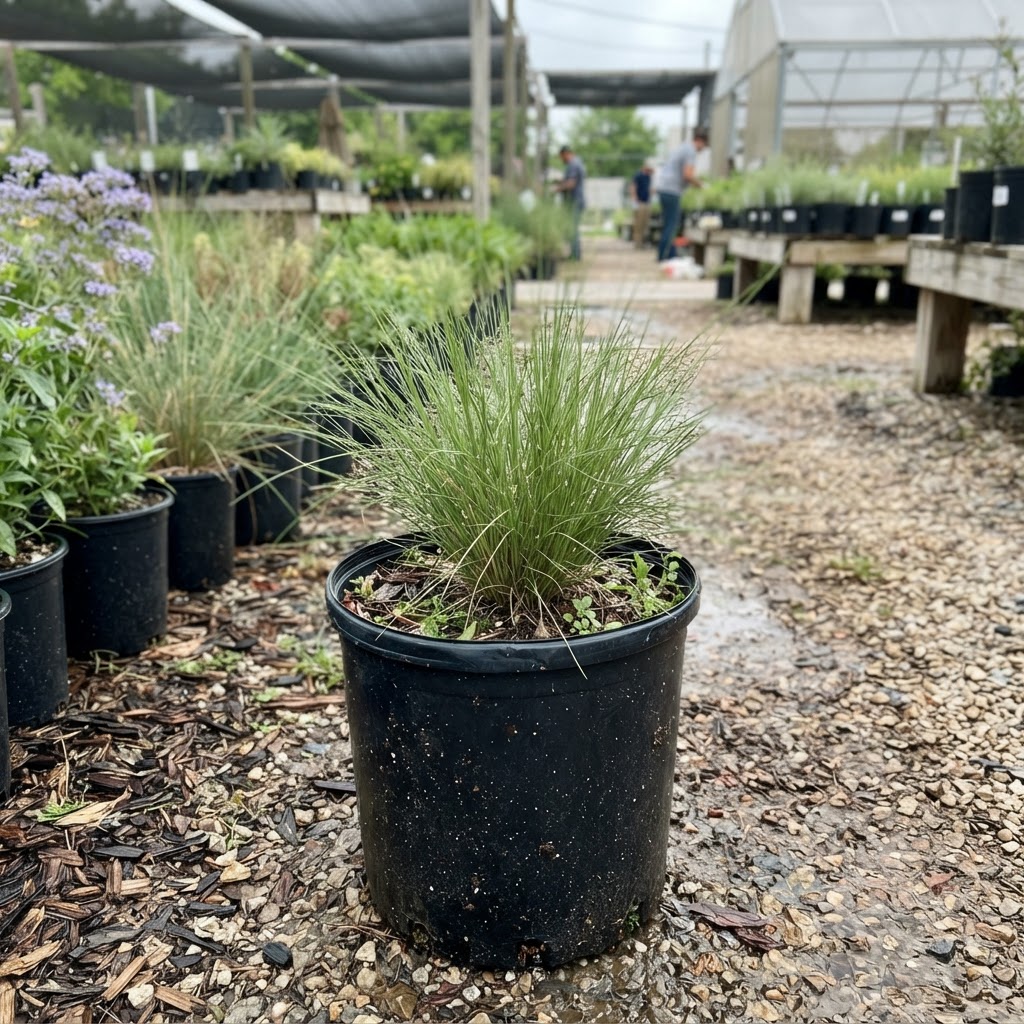
Muhlenbergia capillaris 'White Cloud'
$8.94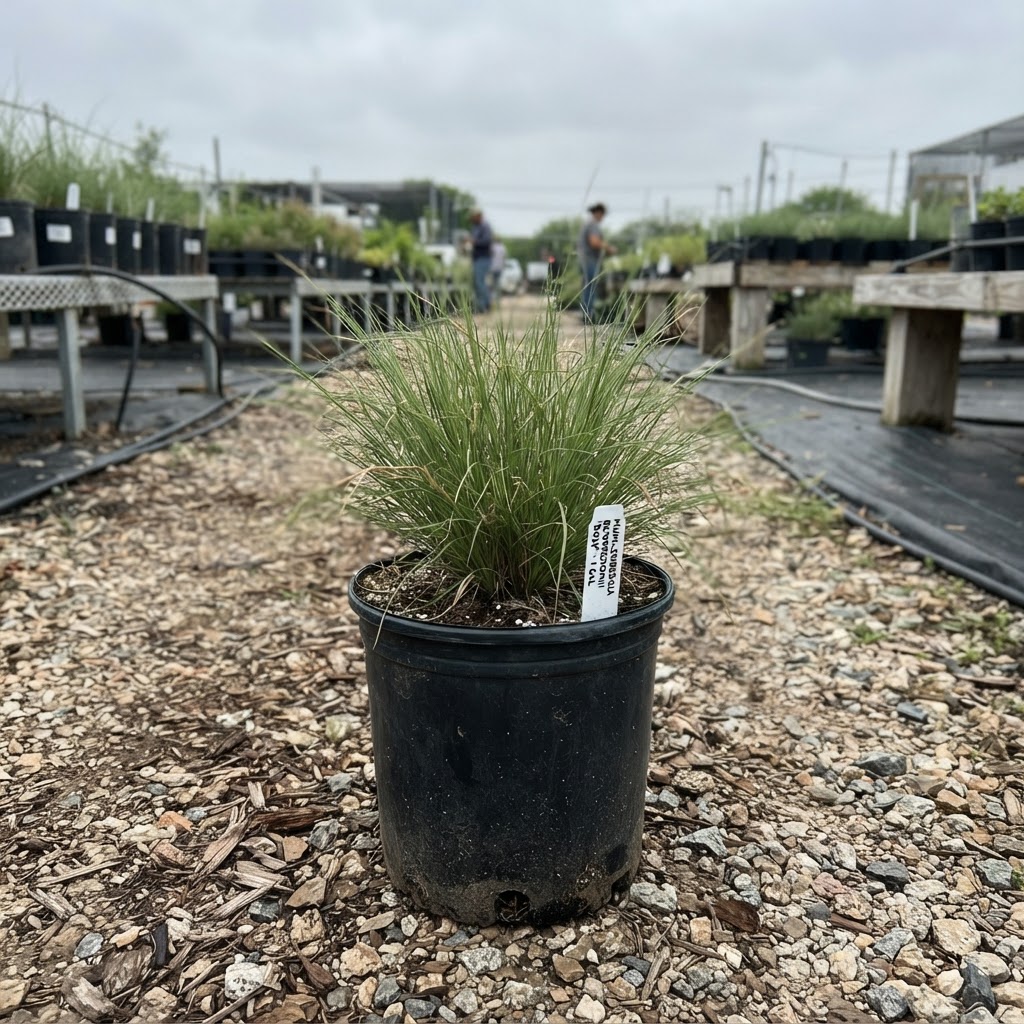
Muhlenbergia reverchonii 'Rosy'
$7.15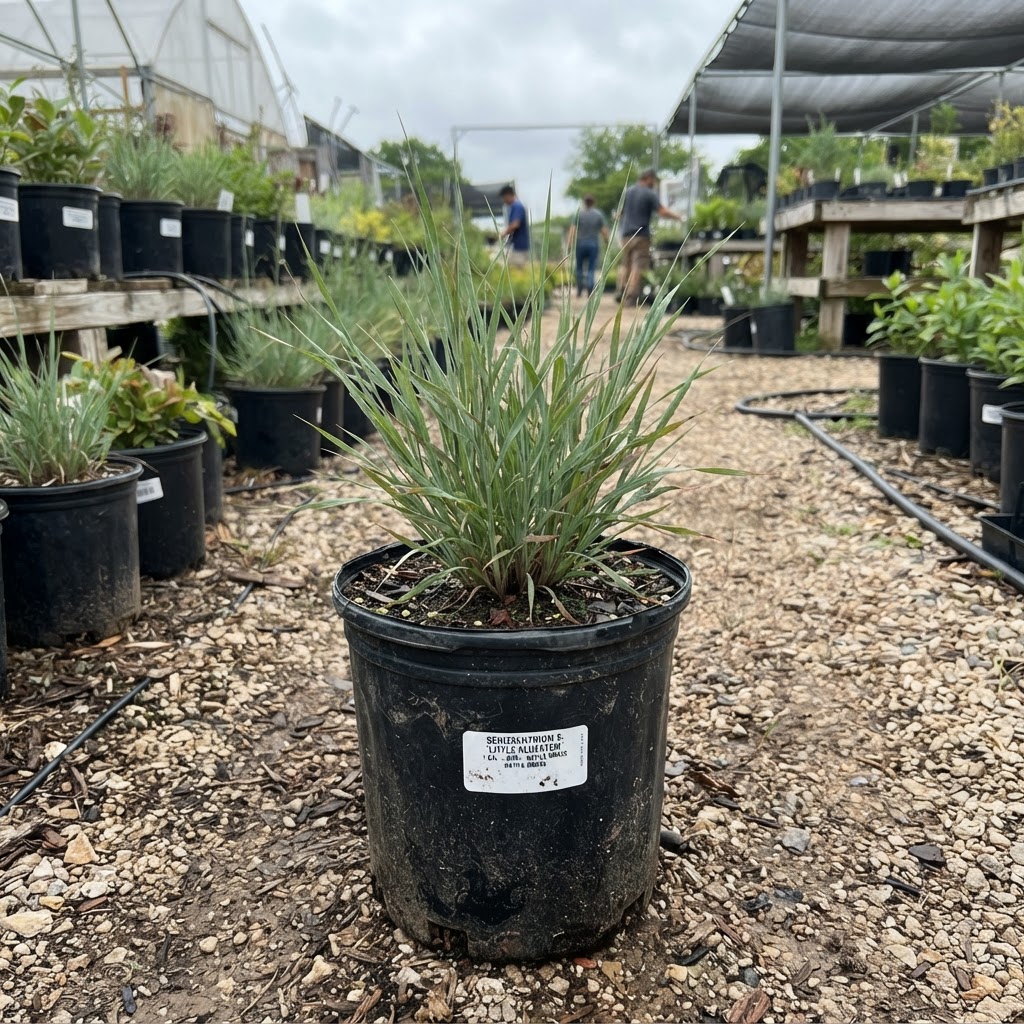
Schizachyrium scoparium 'Little Bluestem'
$6.89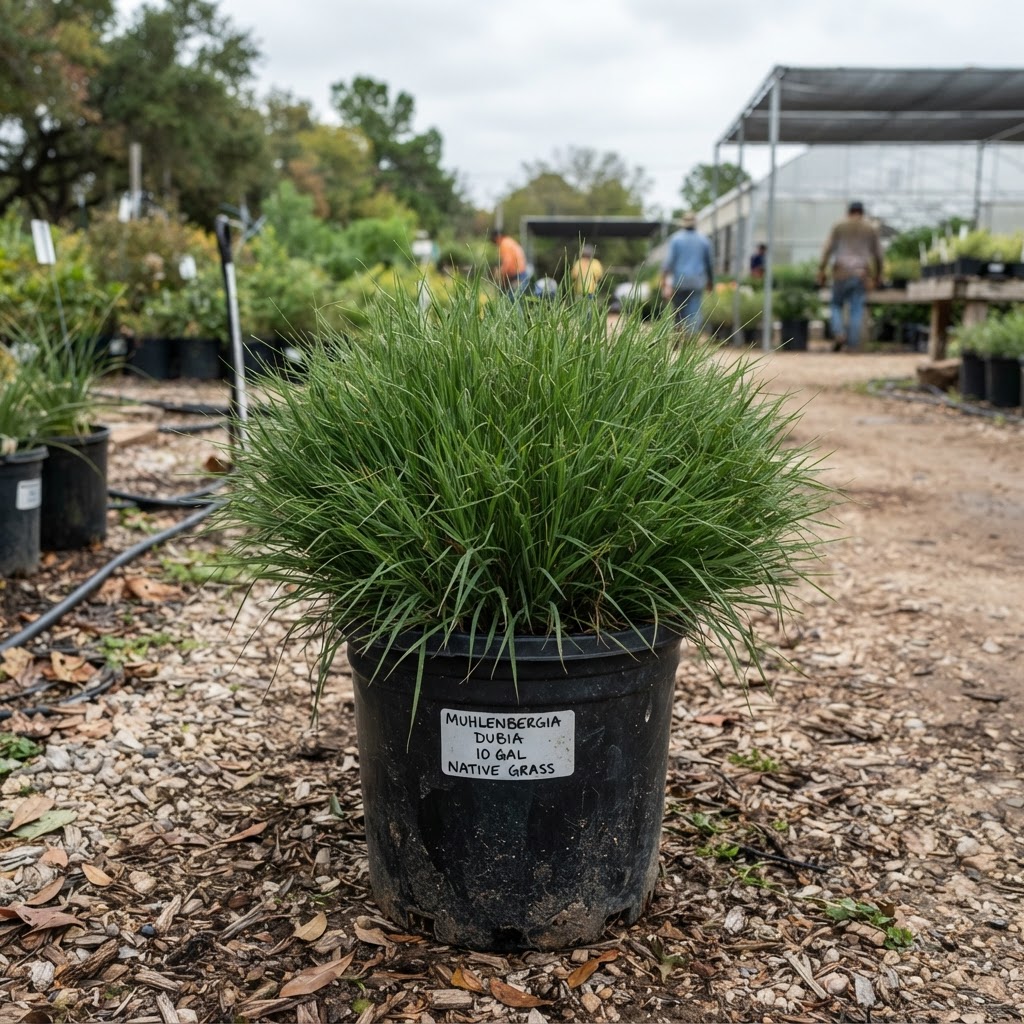
Muhlenbergia dubia
$18.67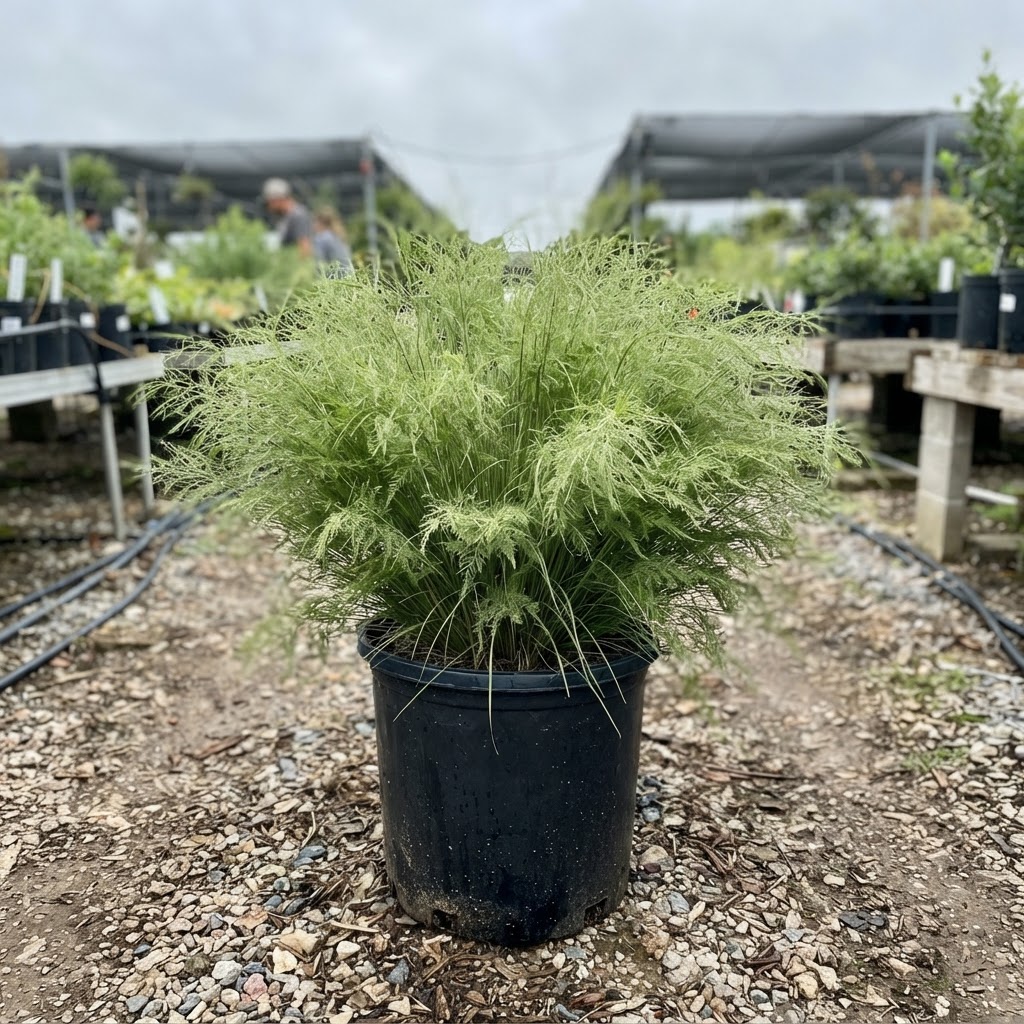
Muhlenbergia dumosa
$20.89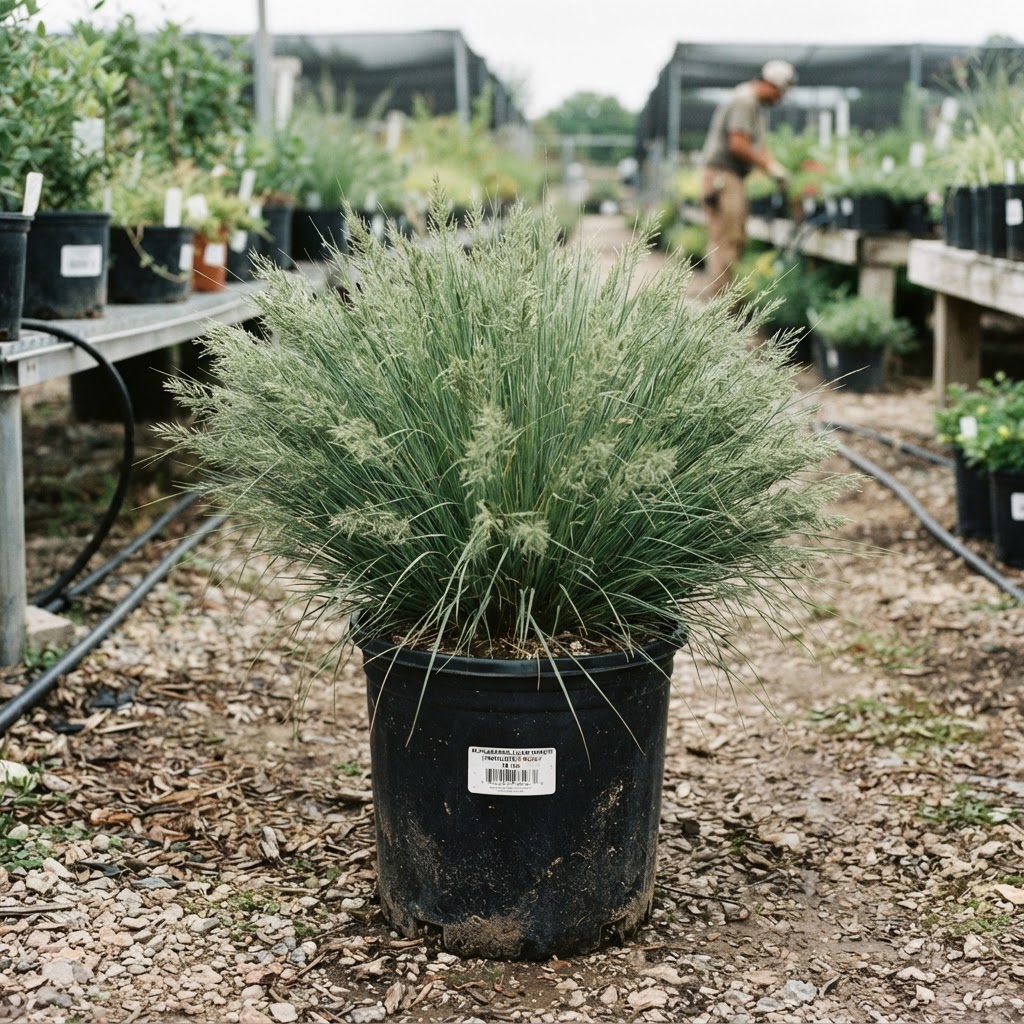
Muhlenbergia lindheimeri
$18.67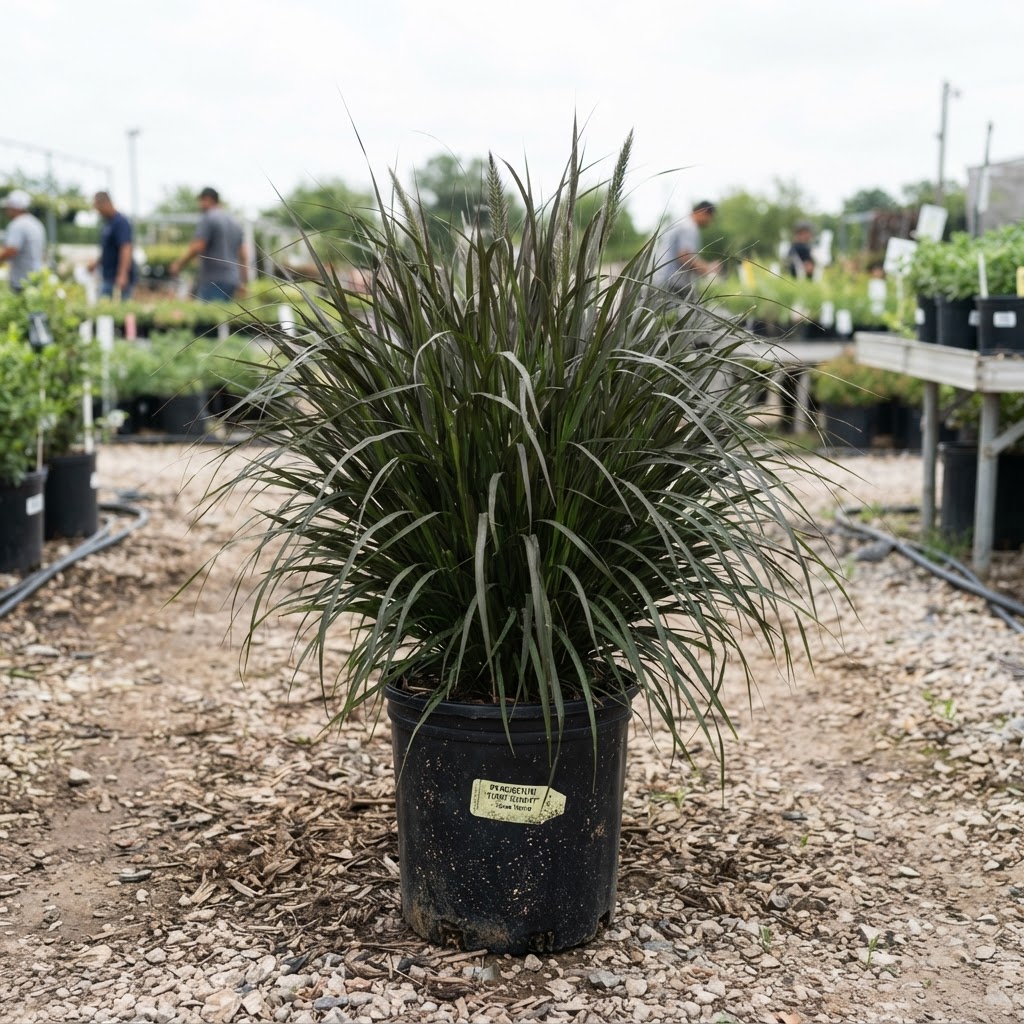
Pennisetum t. x 'First Knight'
$22.22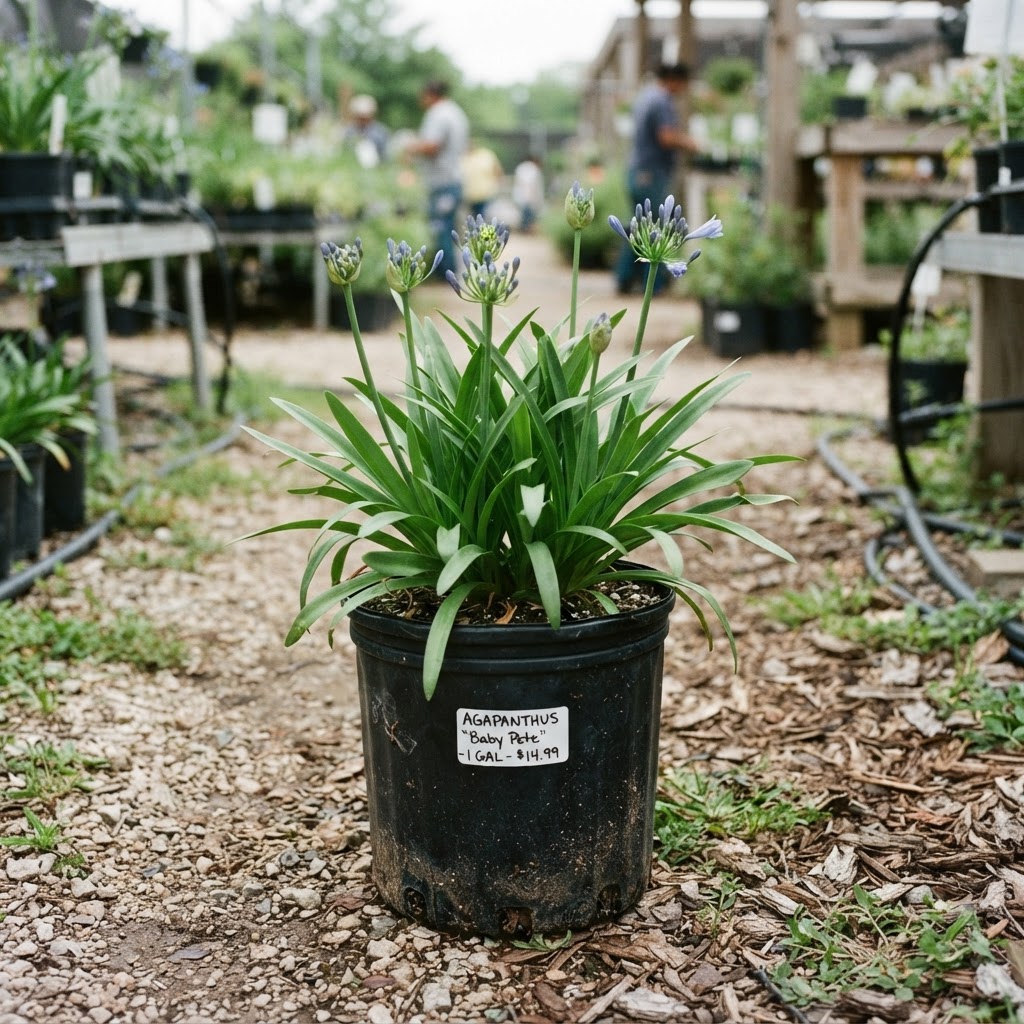
Agapanthus 'Baby Pete'
$8.04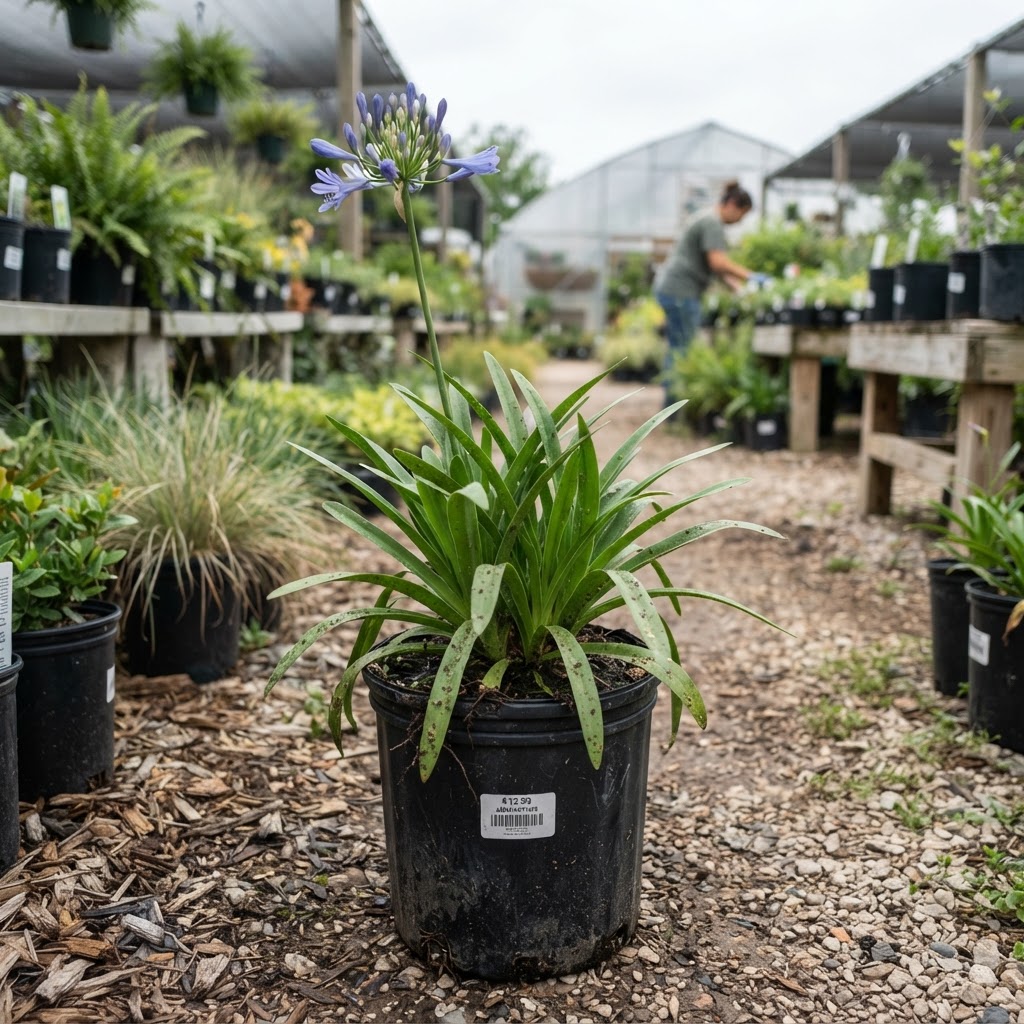
Agapanthus africanus
$7.15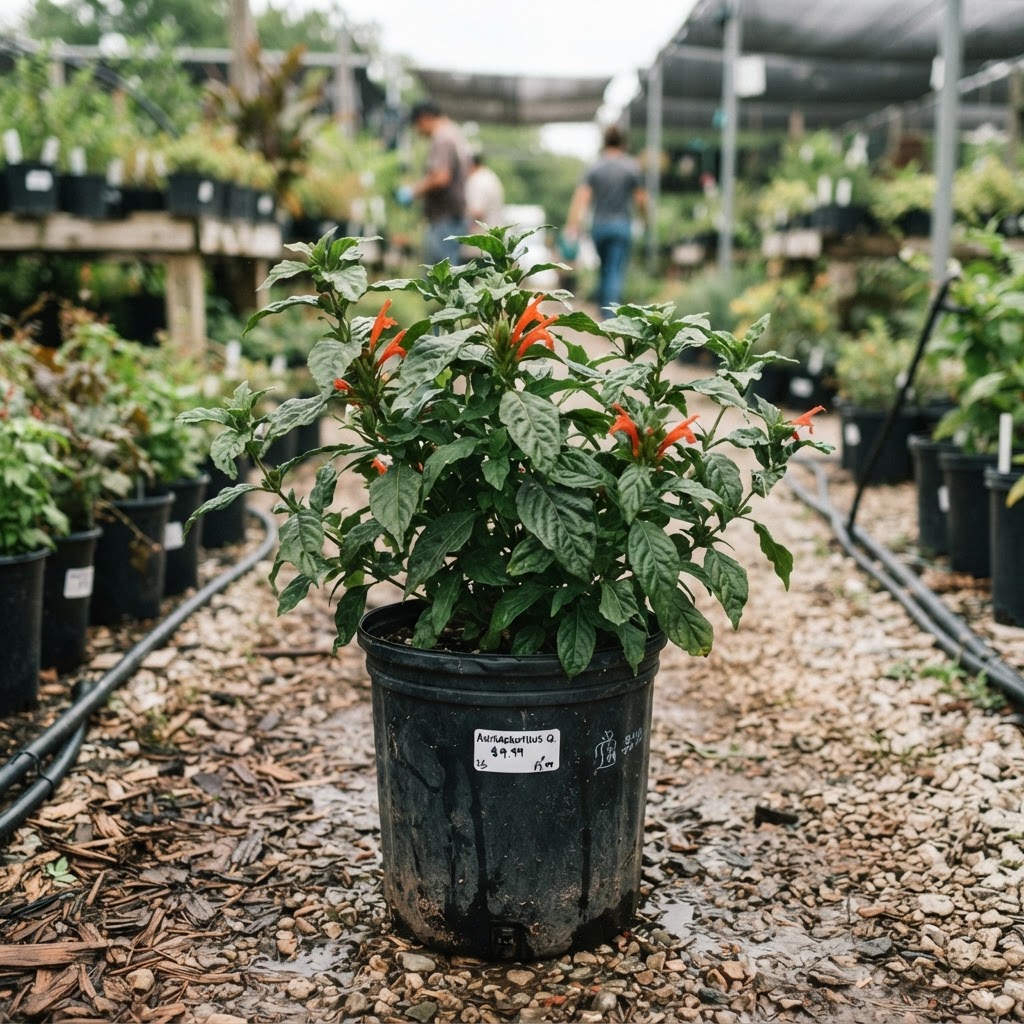
Anisacanthus quadrifidus
$7.58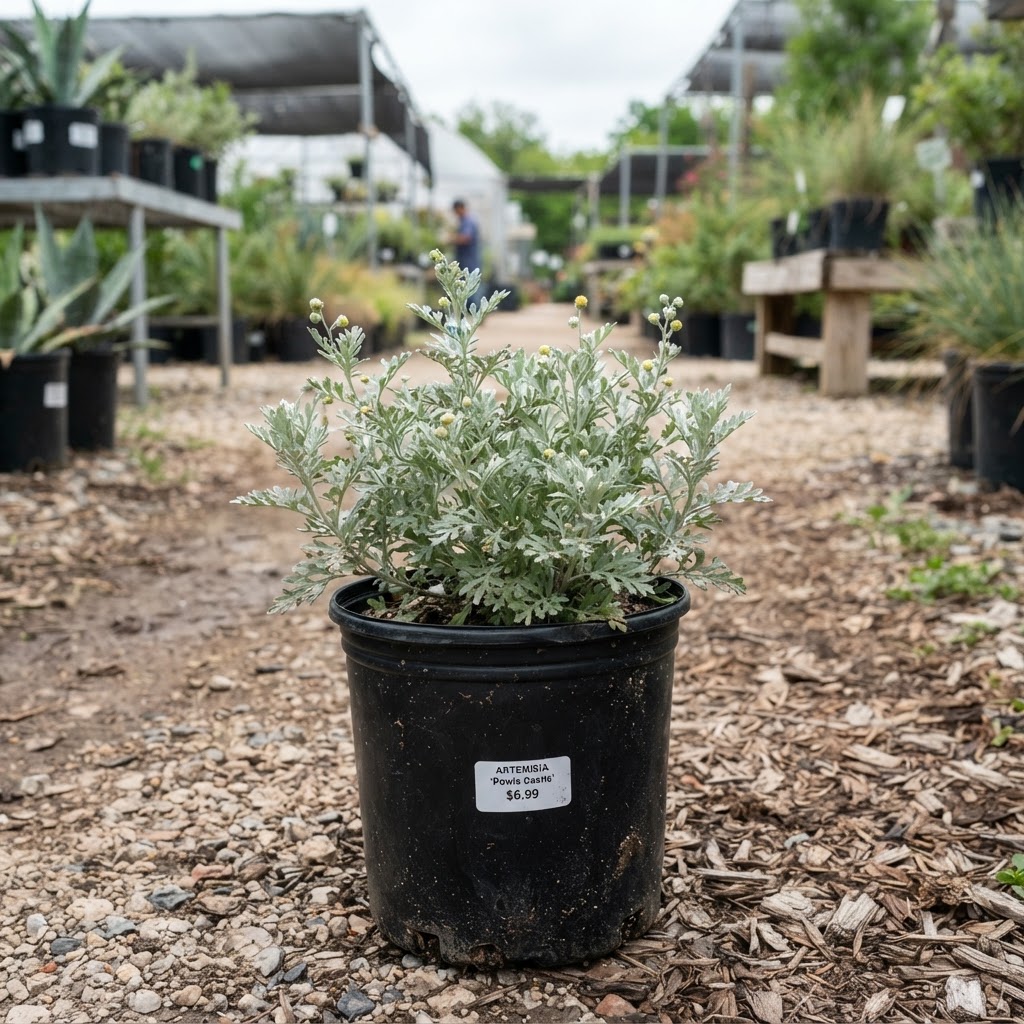
Artemisia x 'Powis Castle'
$6.89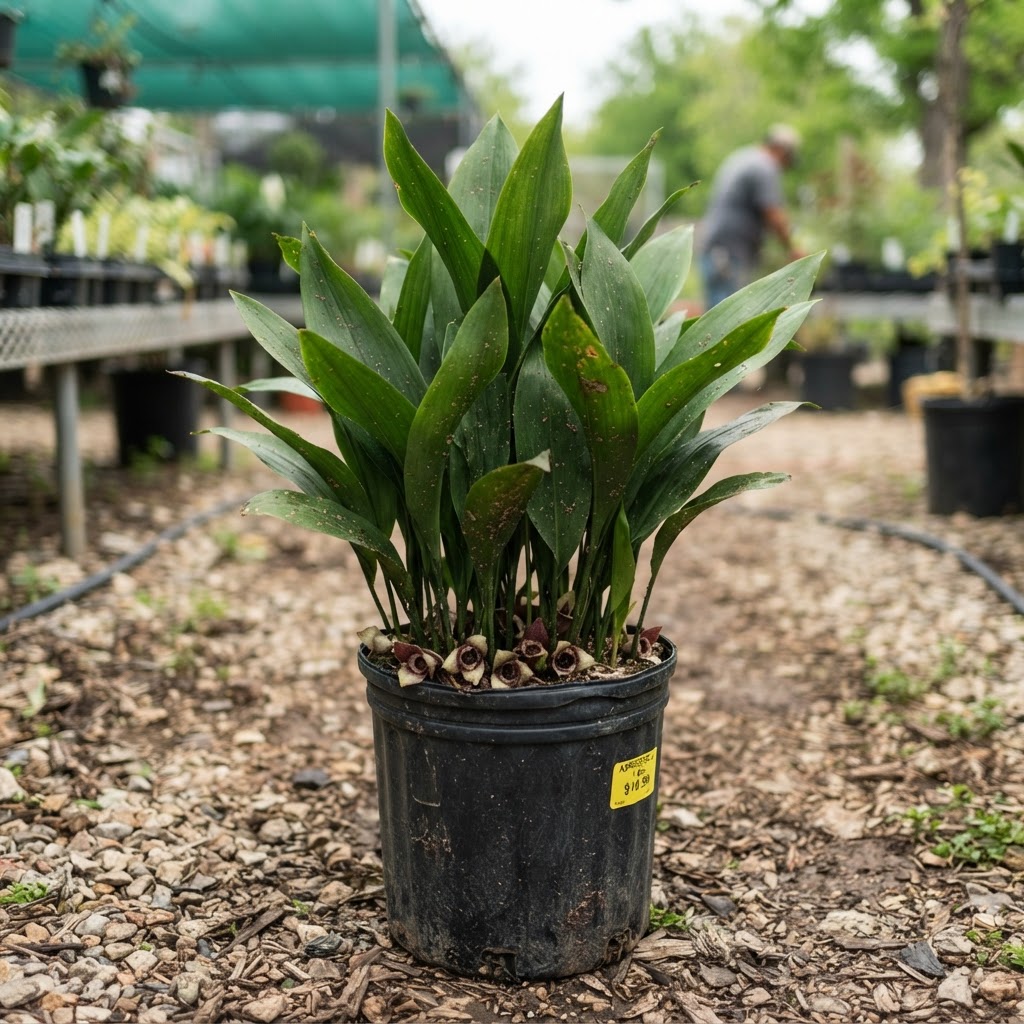
Aspidistra e. "Cast Iron Plant"
$11.62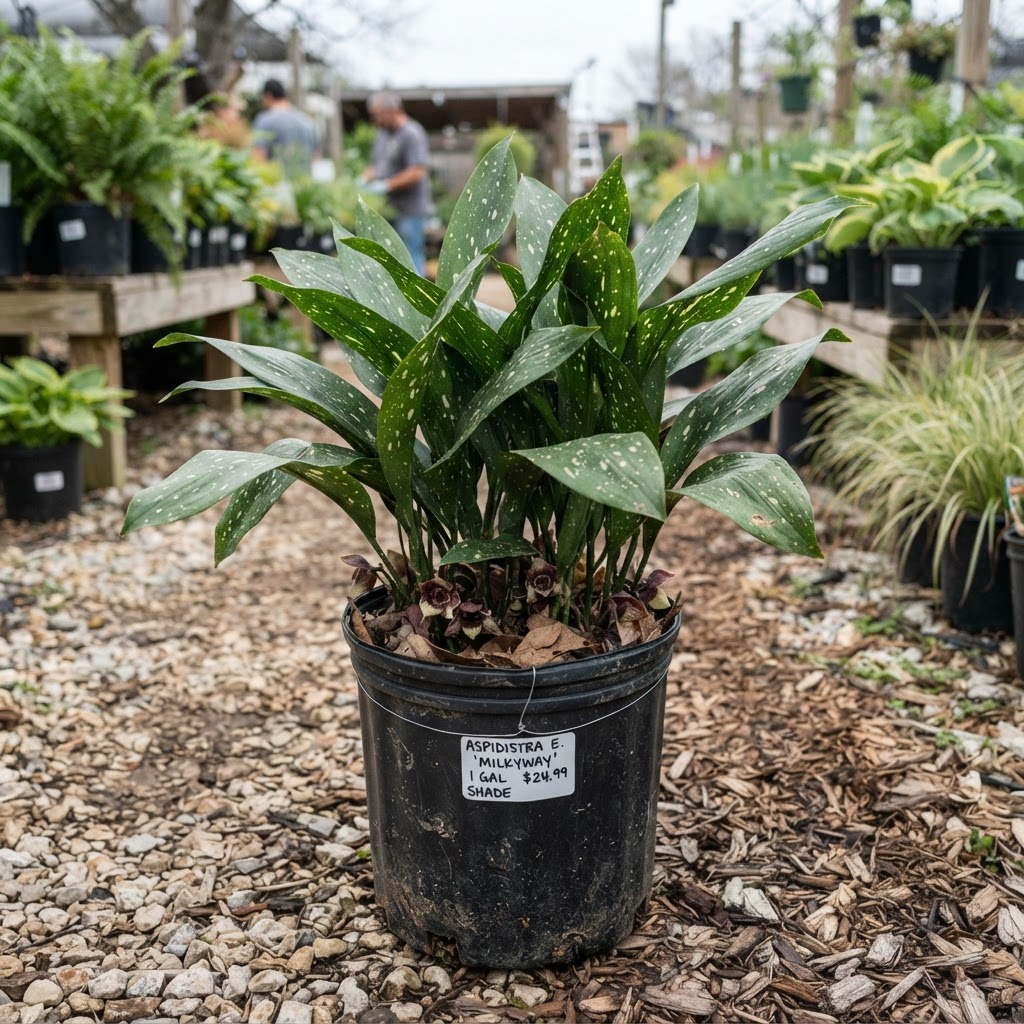
Aspidistra e. "Milkyway"
$11.62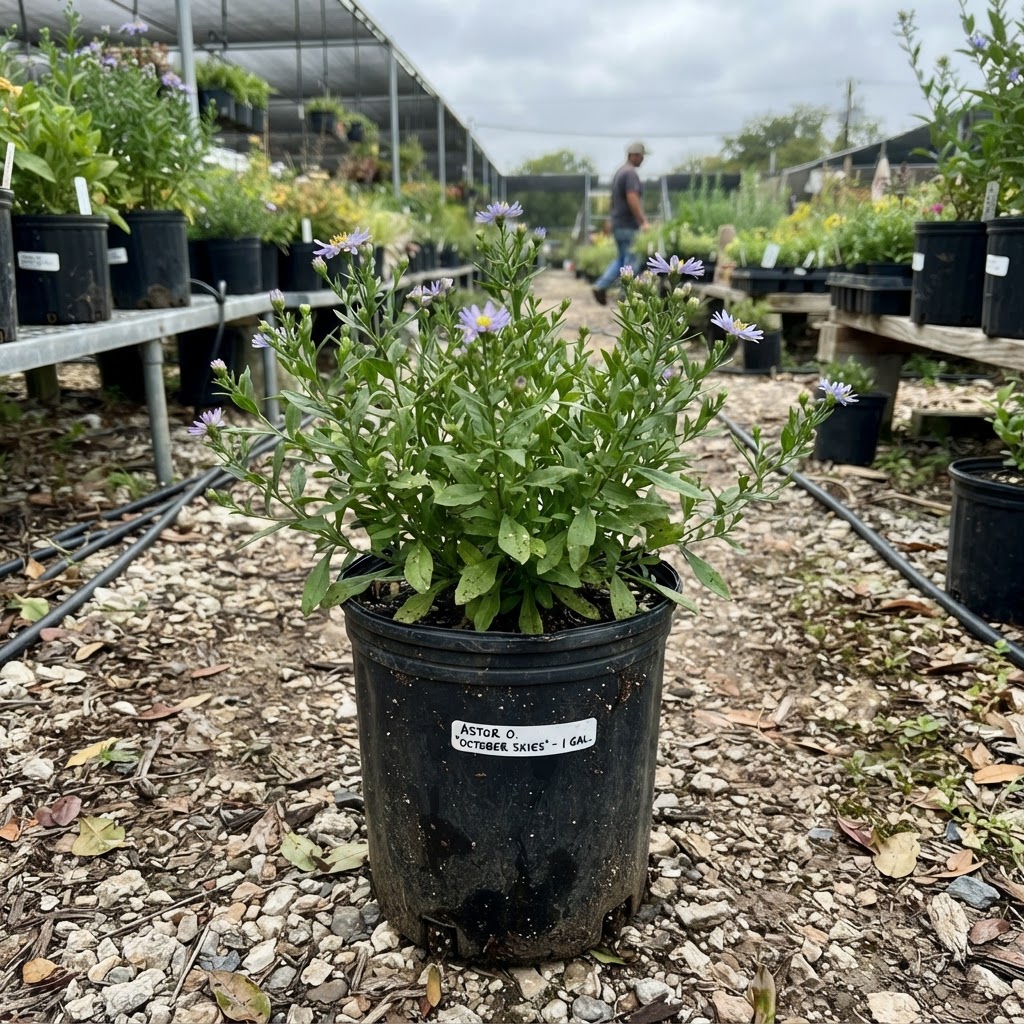
Aster o. 'October Skies'
$7.15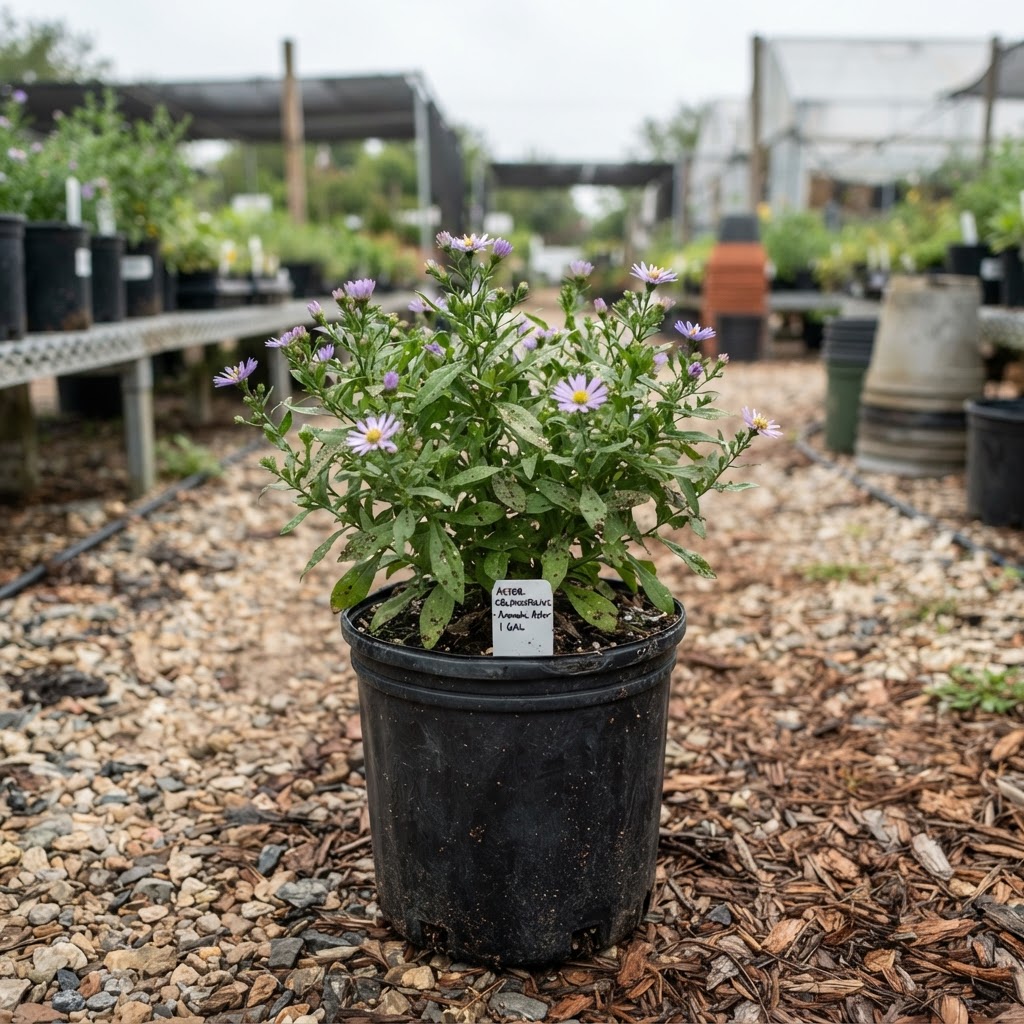
Aster oblongifolium
$7.15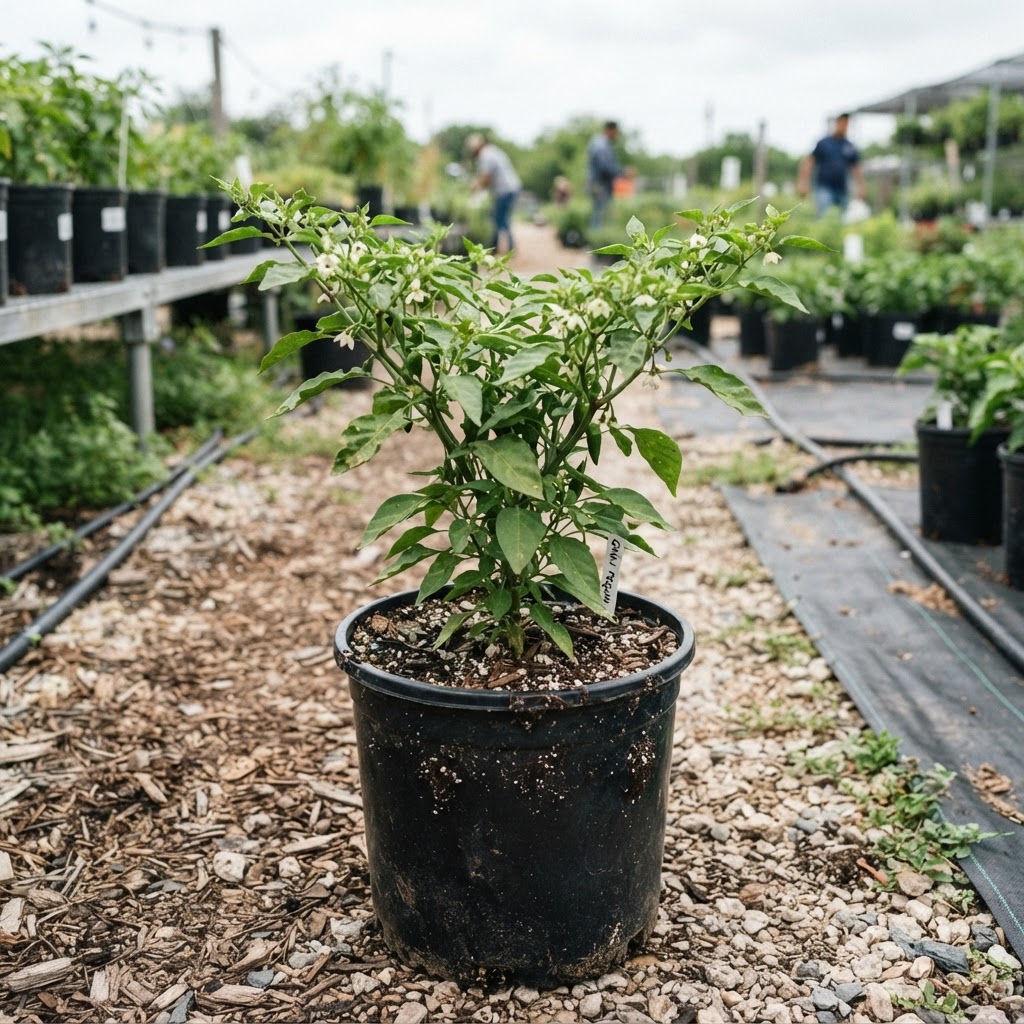
Capsicum a. 'Chili Pequin'
$7.15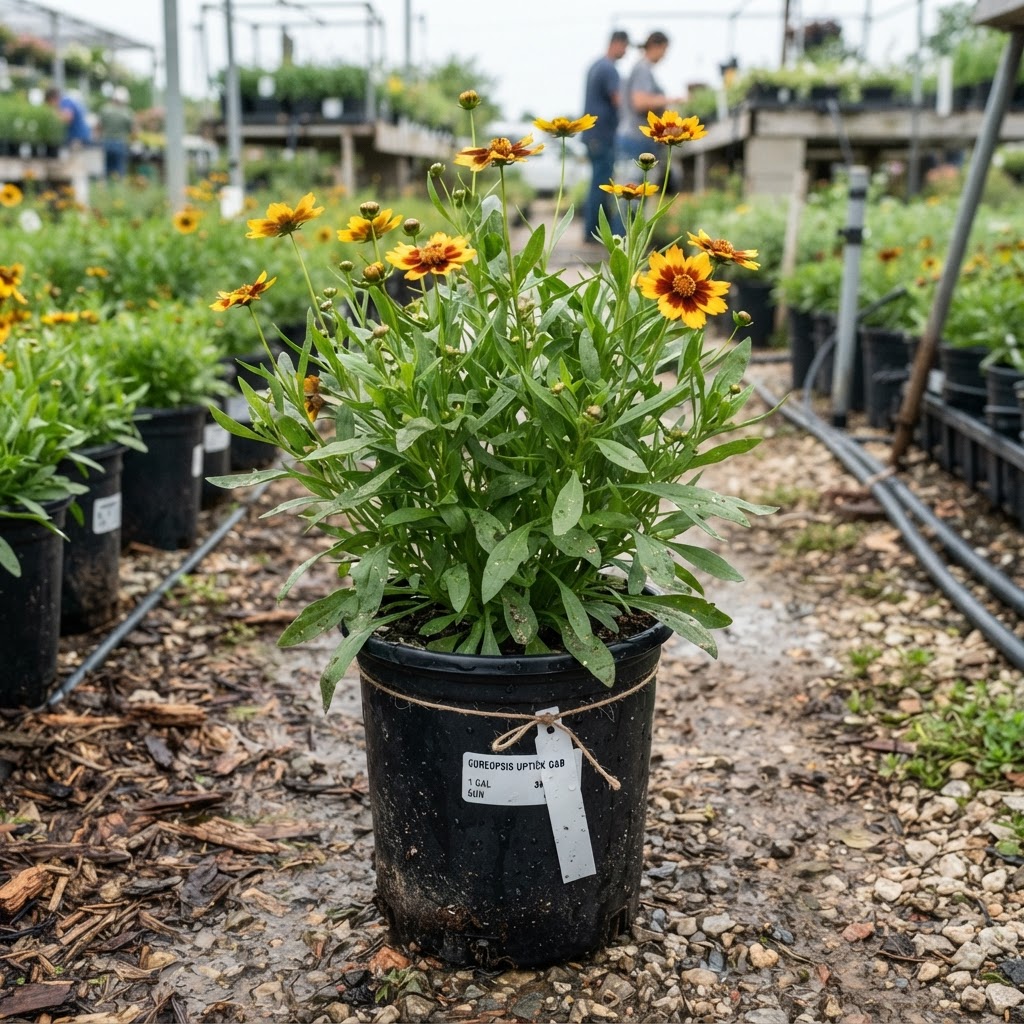
Coreopsis g. 'Uptick Gold & Bronze'
$7.15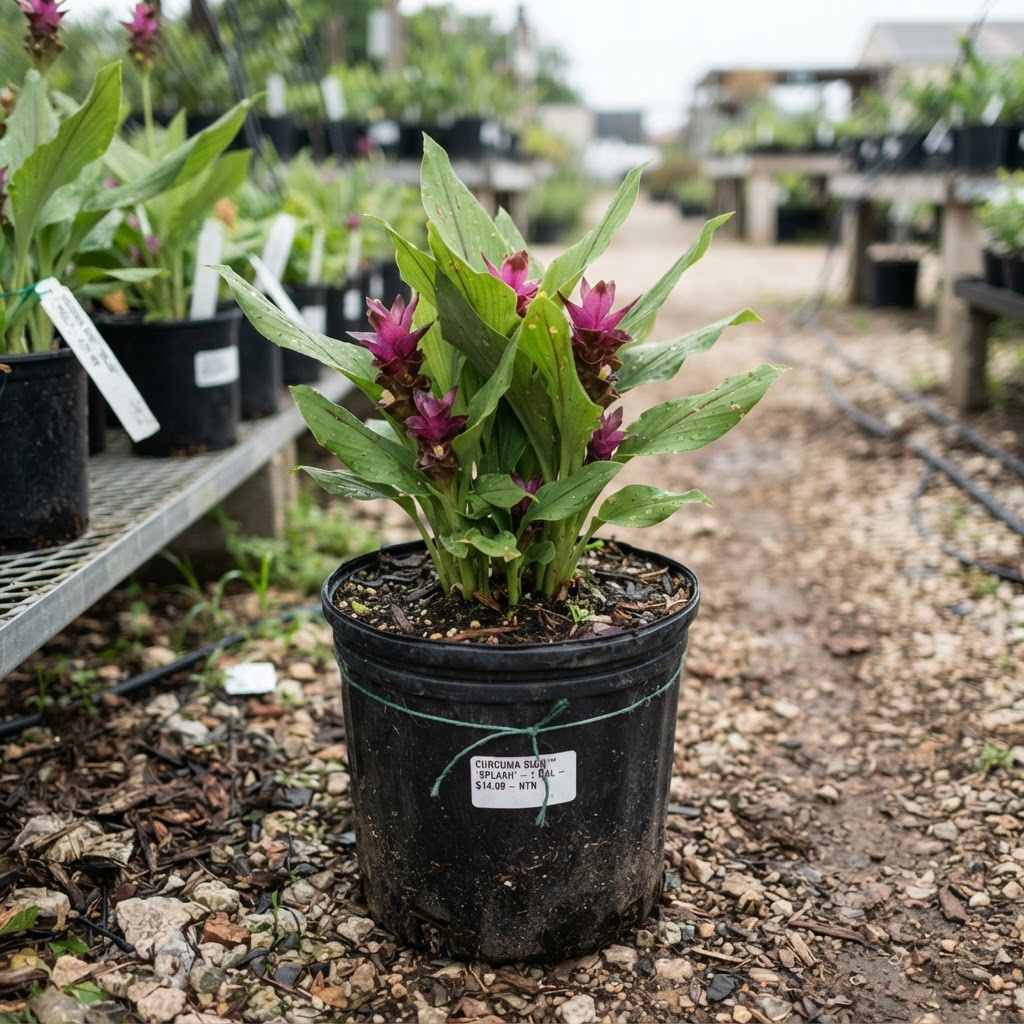
Curcuma Siam™ 'Splash'
$8.94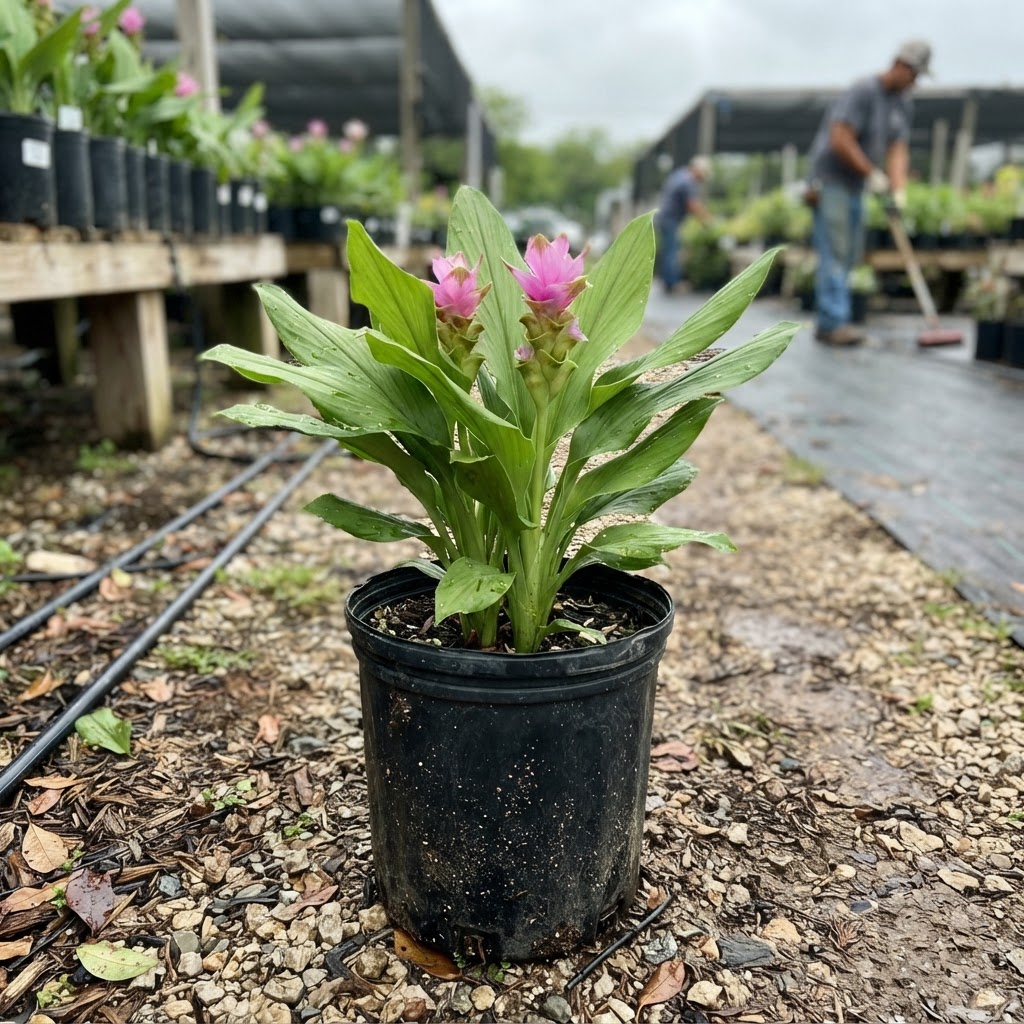
Curcuma Siam™ 'Swing'
$8.94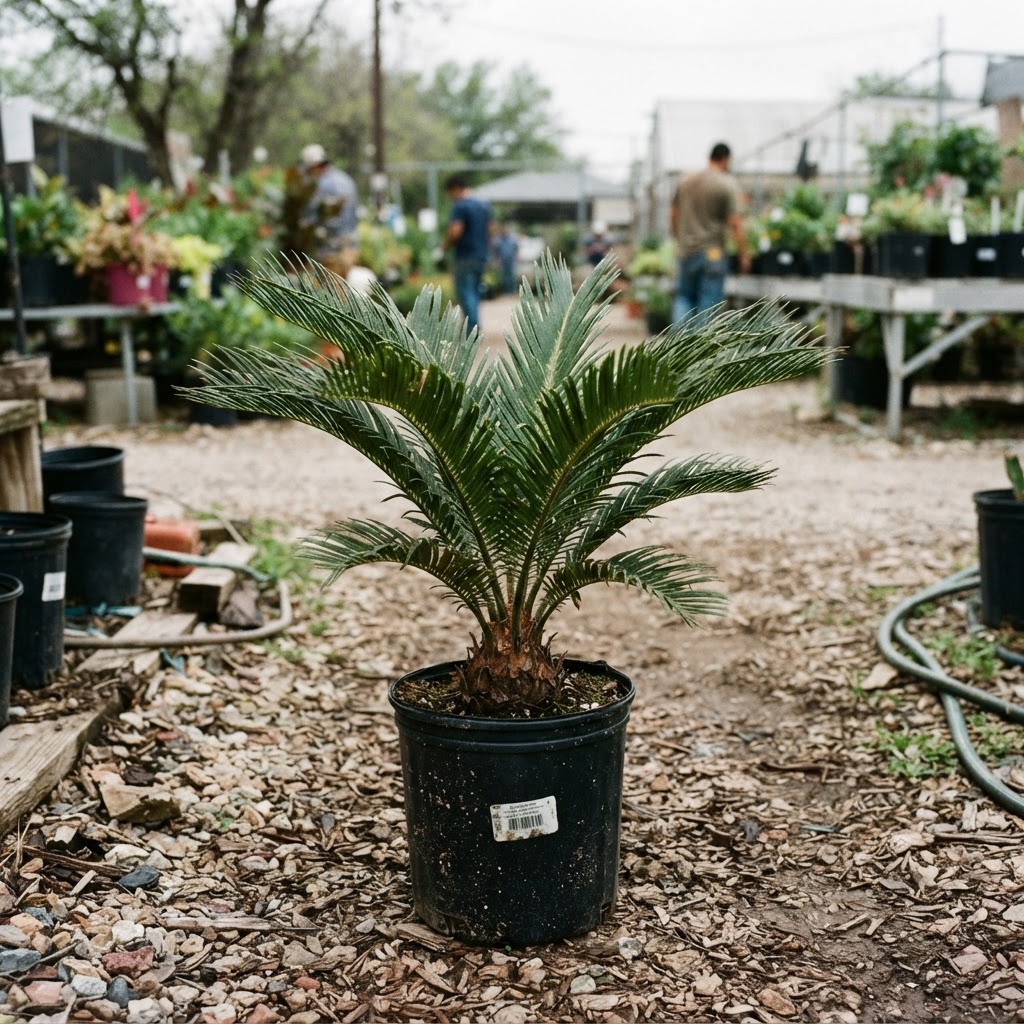
Cycas revoluta "Sago Palm"
$14.28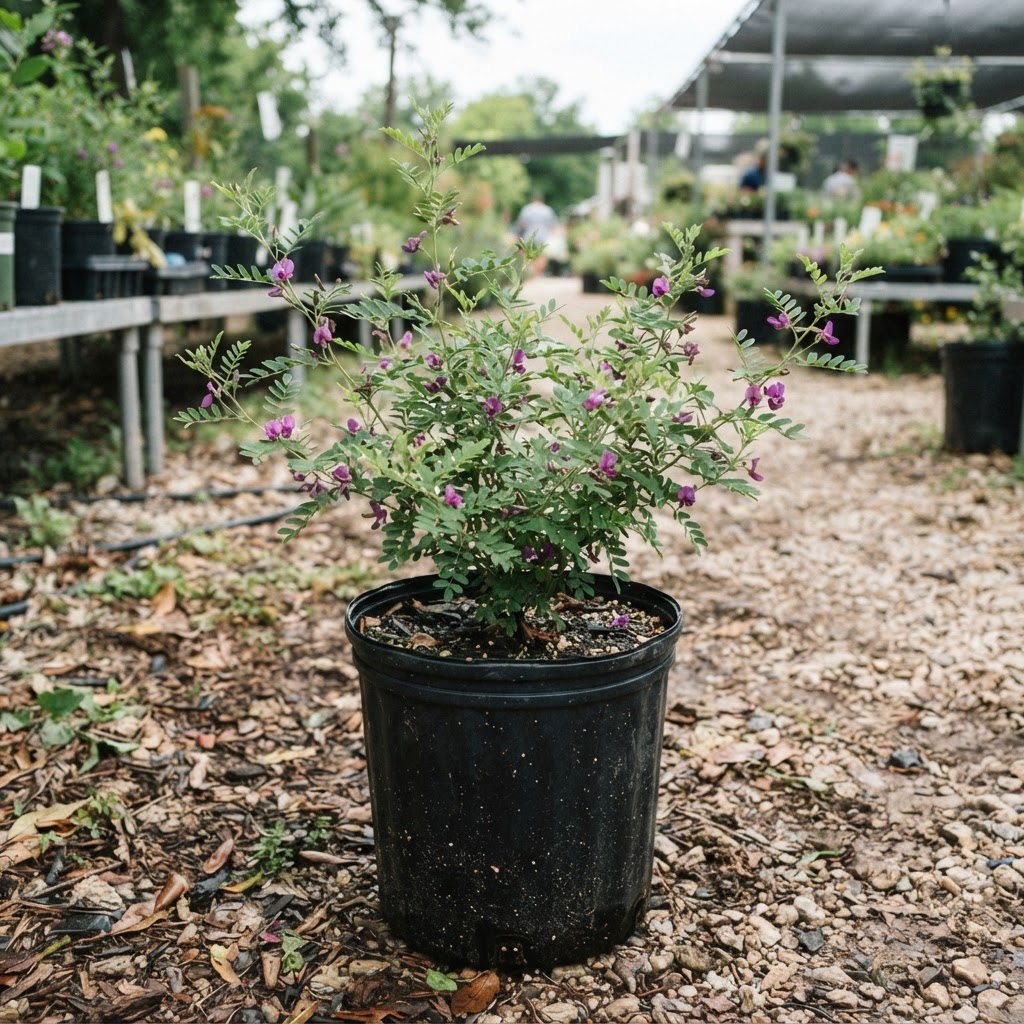
Dalea frutenscens
$8.04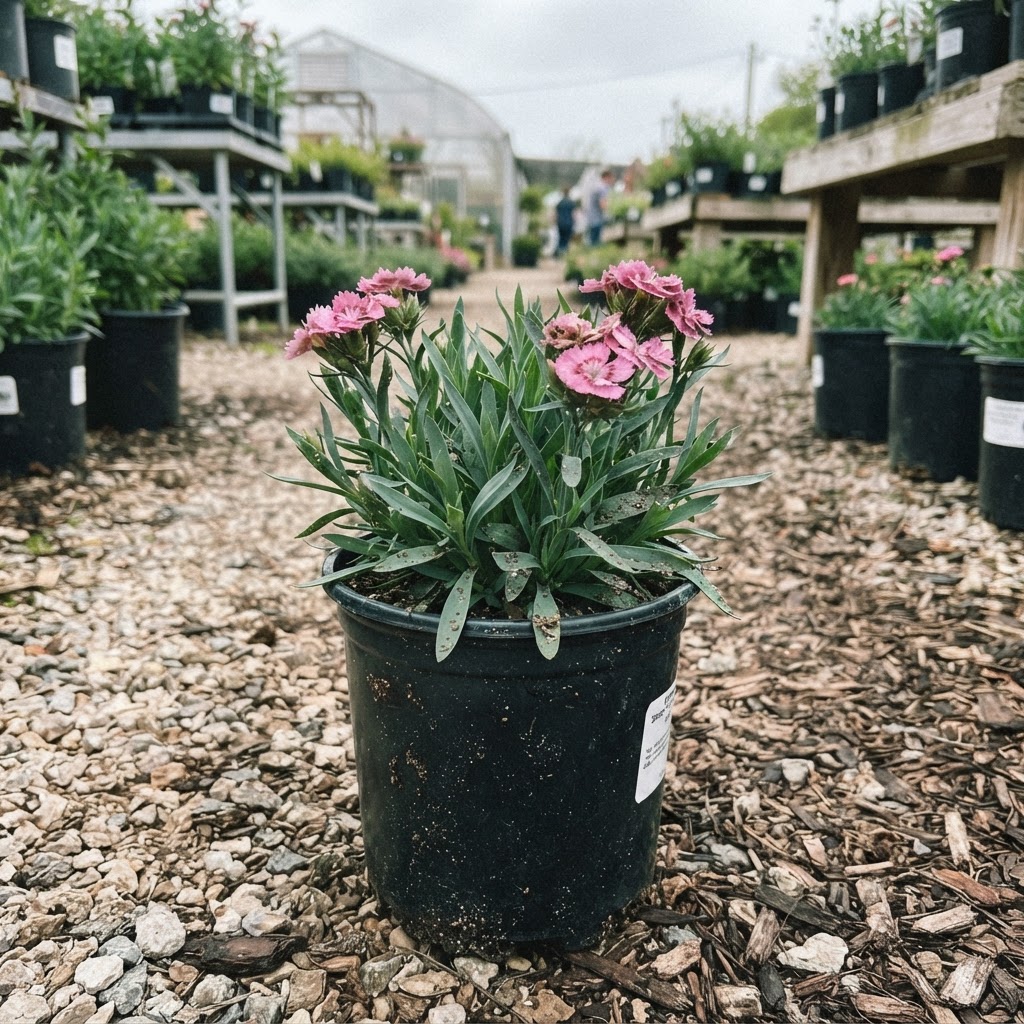
Dianthus 'Scent First Tickled Pink'
$7.15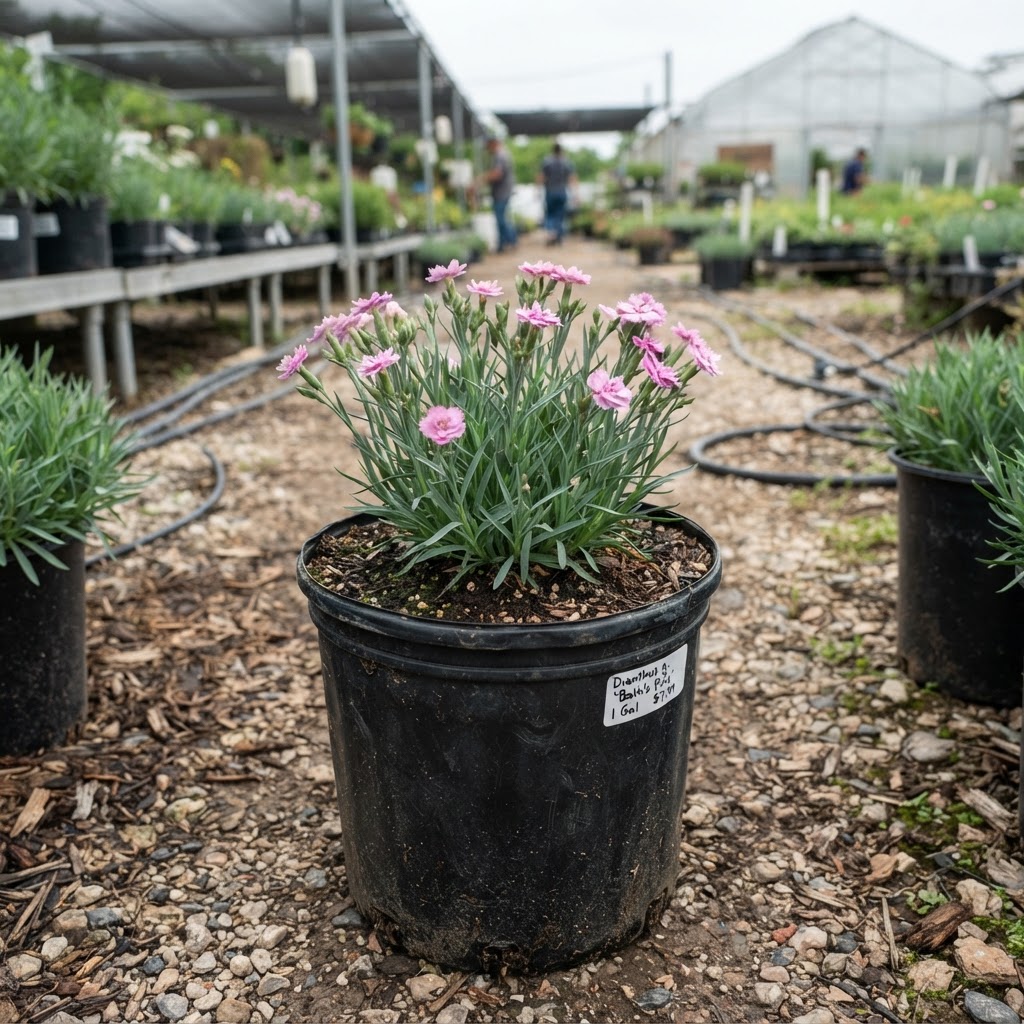
Dianthus g. 'Bath's Pink'
$7.15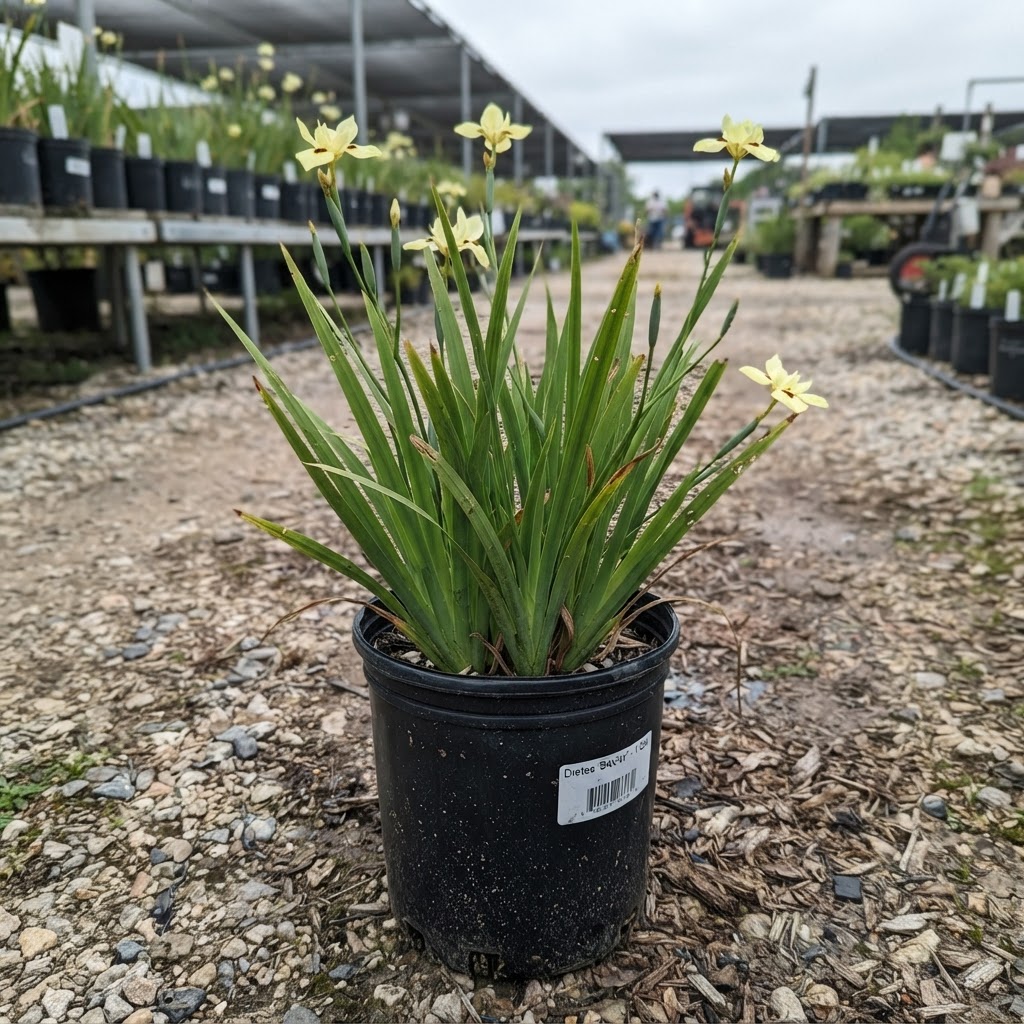
Dietes i. 'Bicolor''
$7.15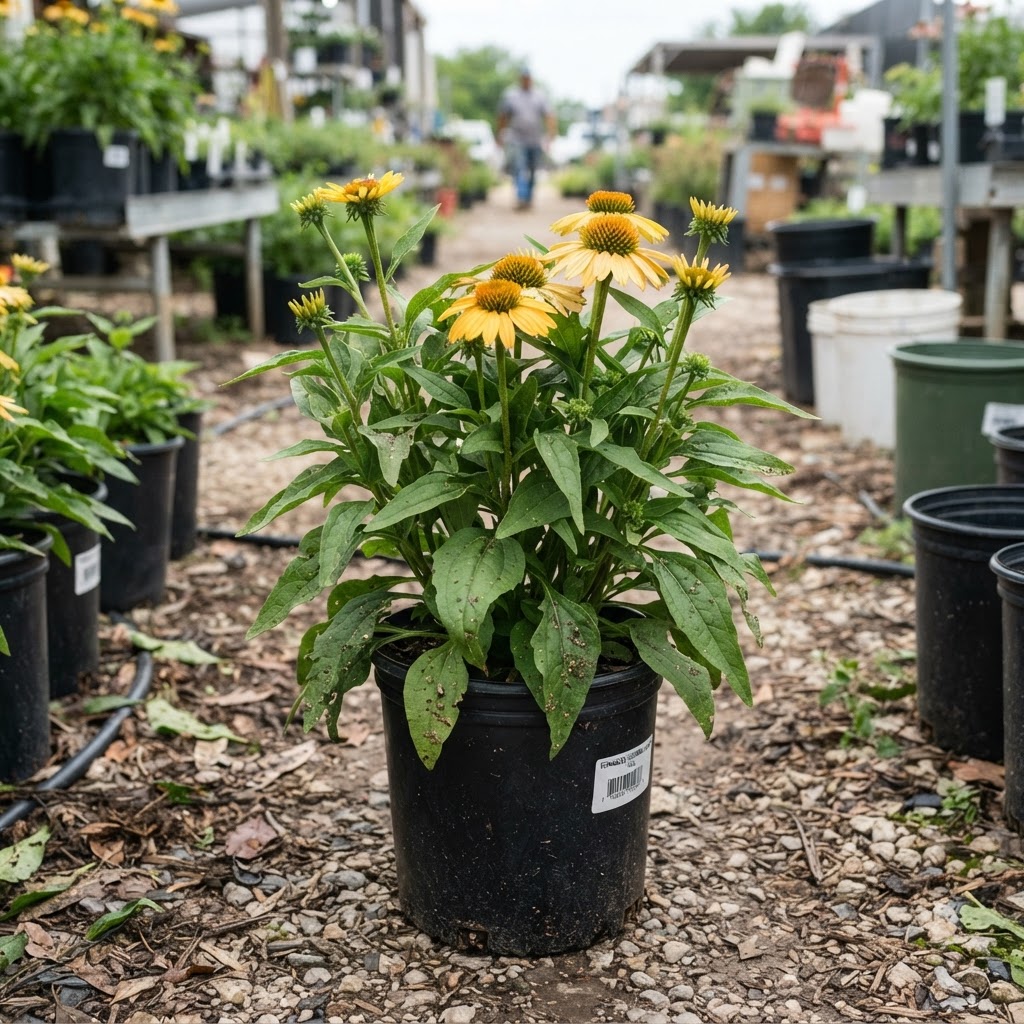
Echinacea 'Guatemala Gold'
$8.04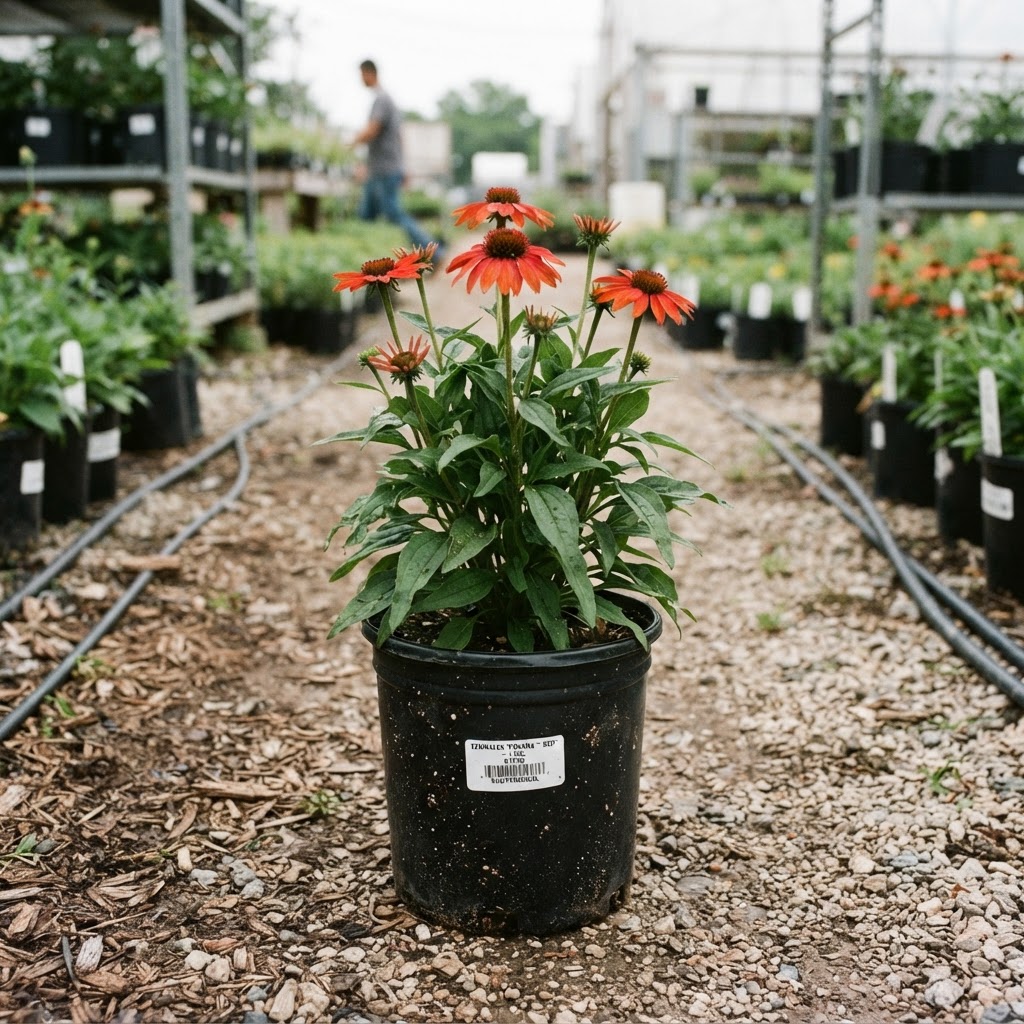
Echinacea 'Panama™ Red'
$8.04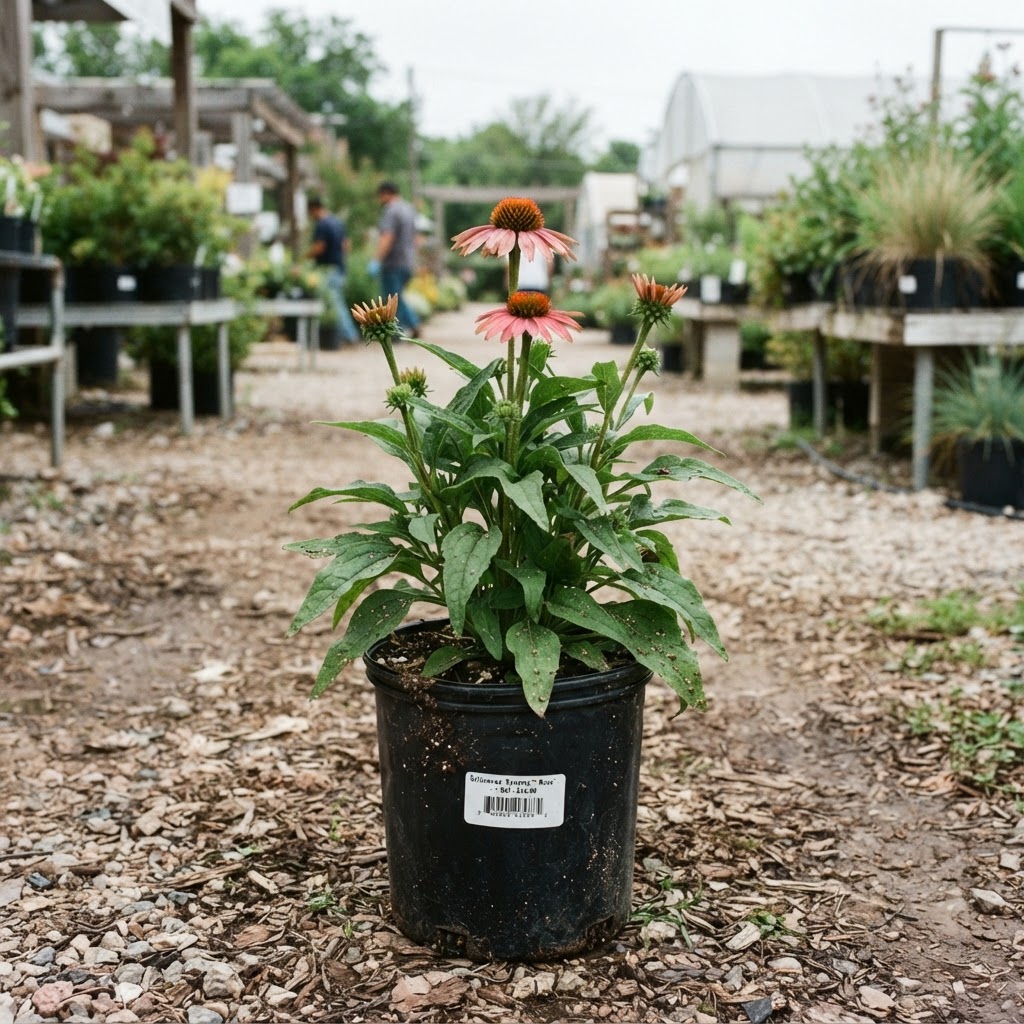
Echinacea 'Panama™ Rose'
$8.04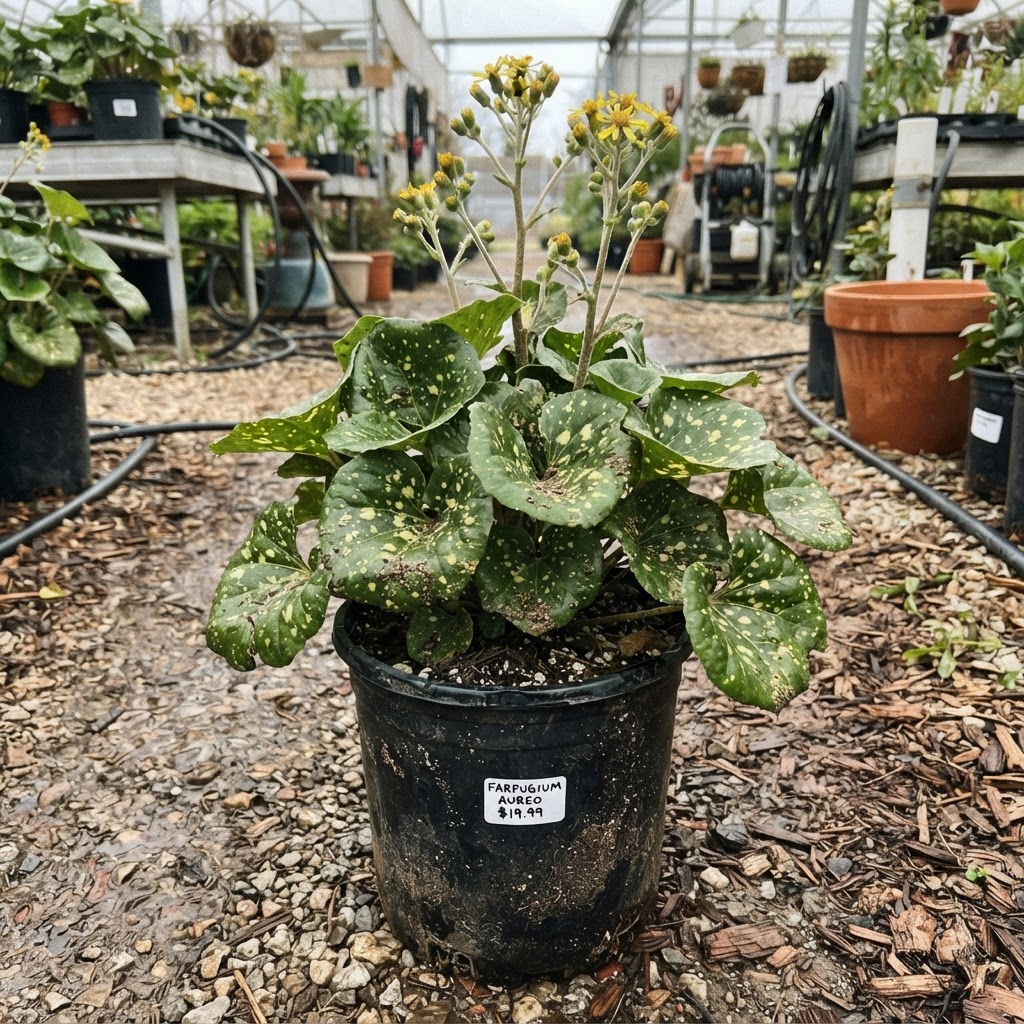
Farfugium j. 'Aureomaculata'
$10.27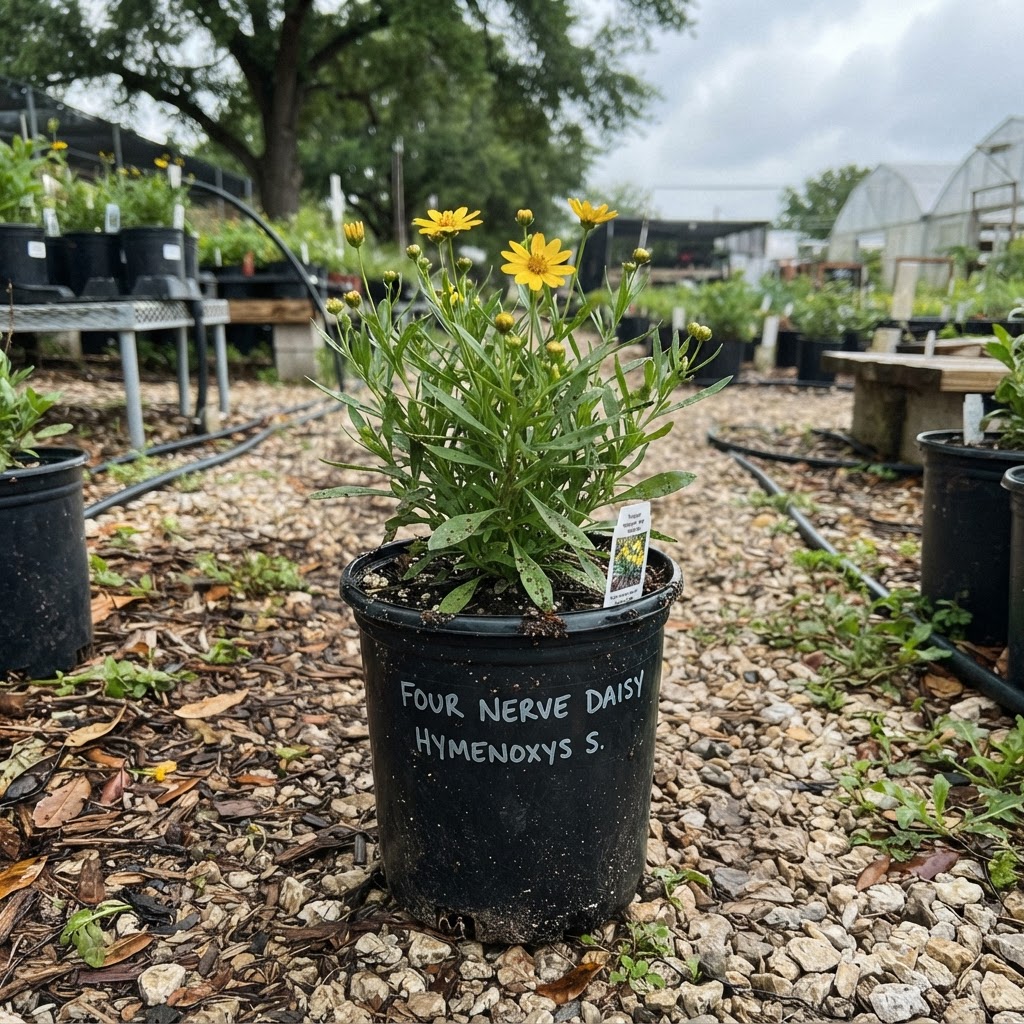
Hymenoxys s. "Four Nerve Daisy"
$8.04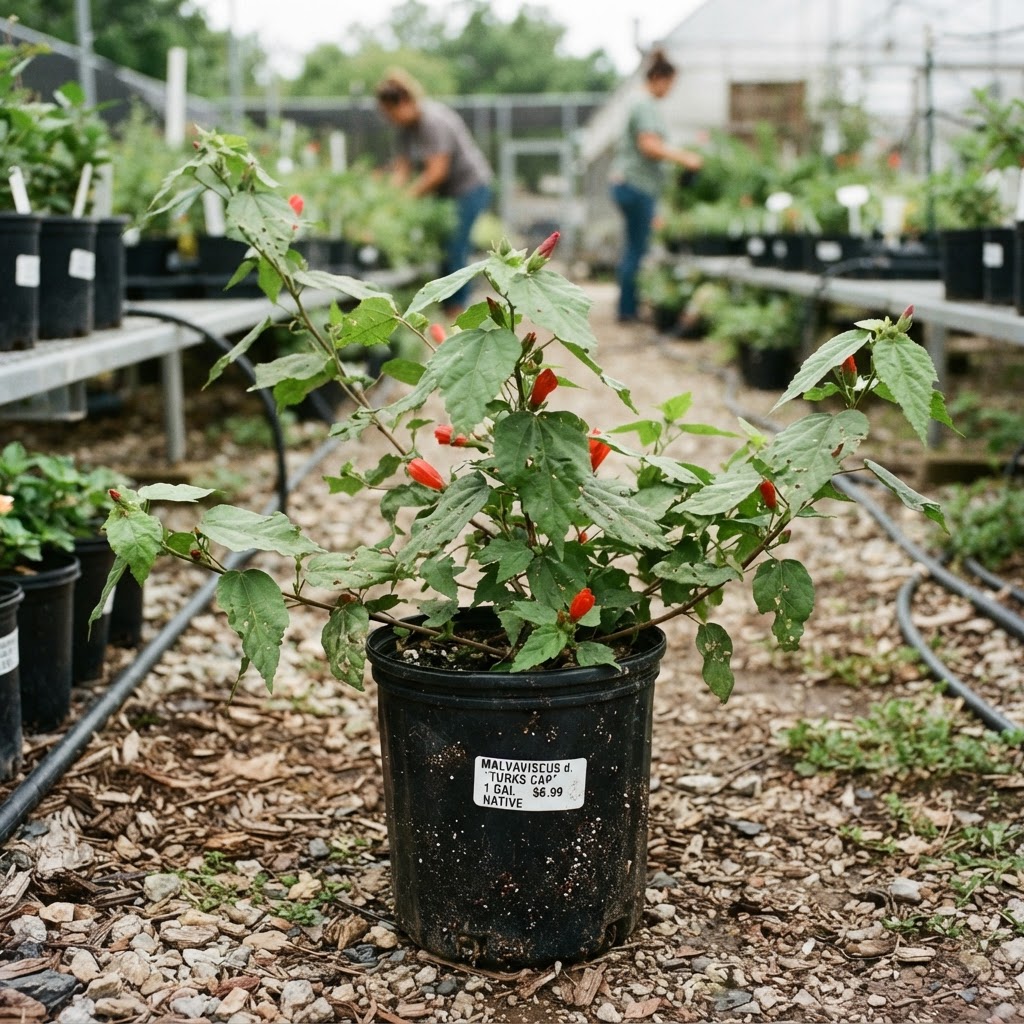
Malvaviscus d. "Turks Cap"
$7.58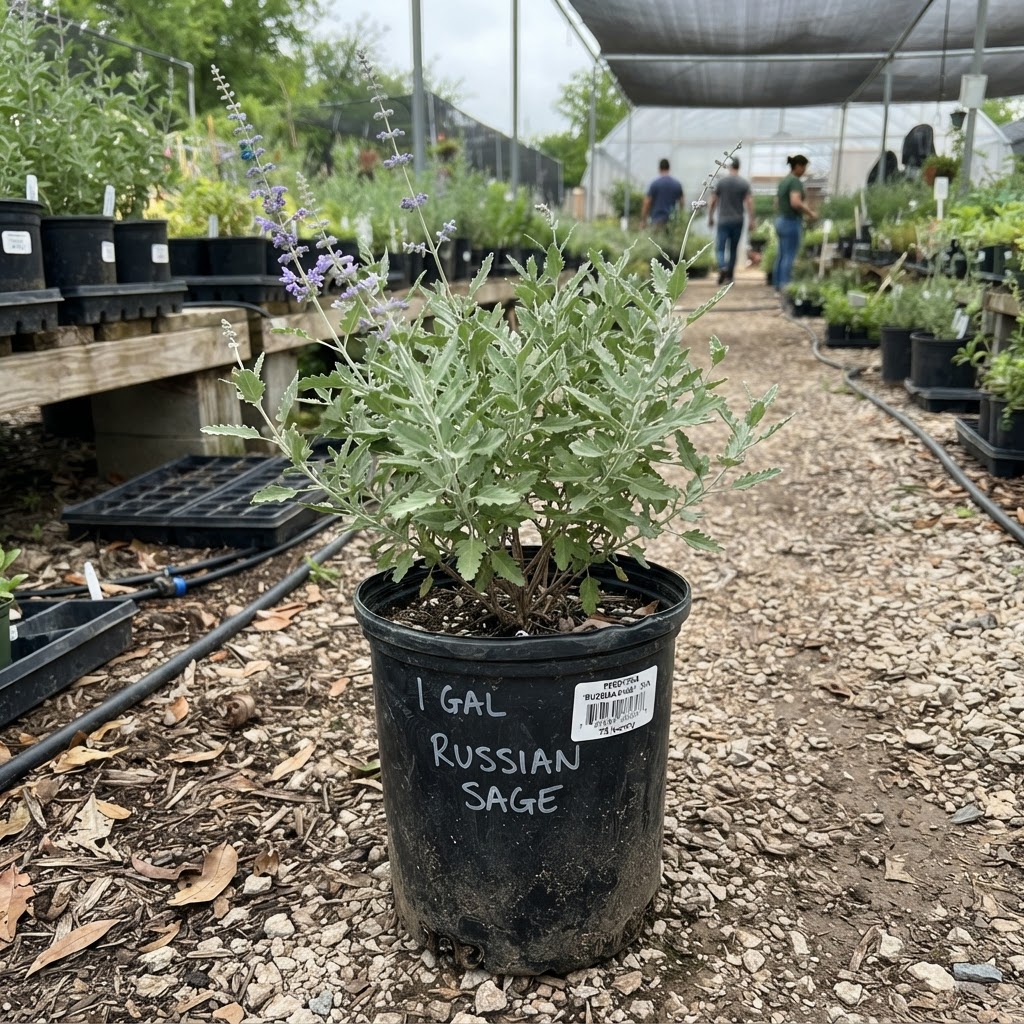
Perovskia a. "Russian Sage"
$7.58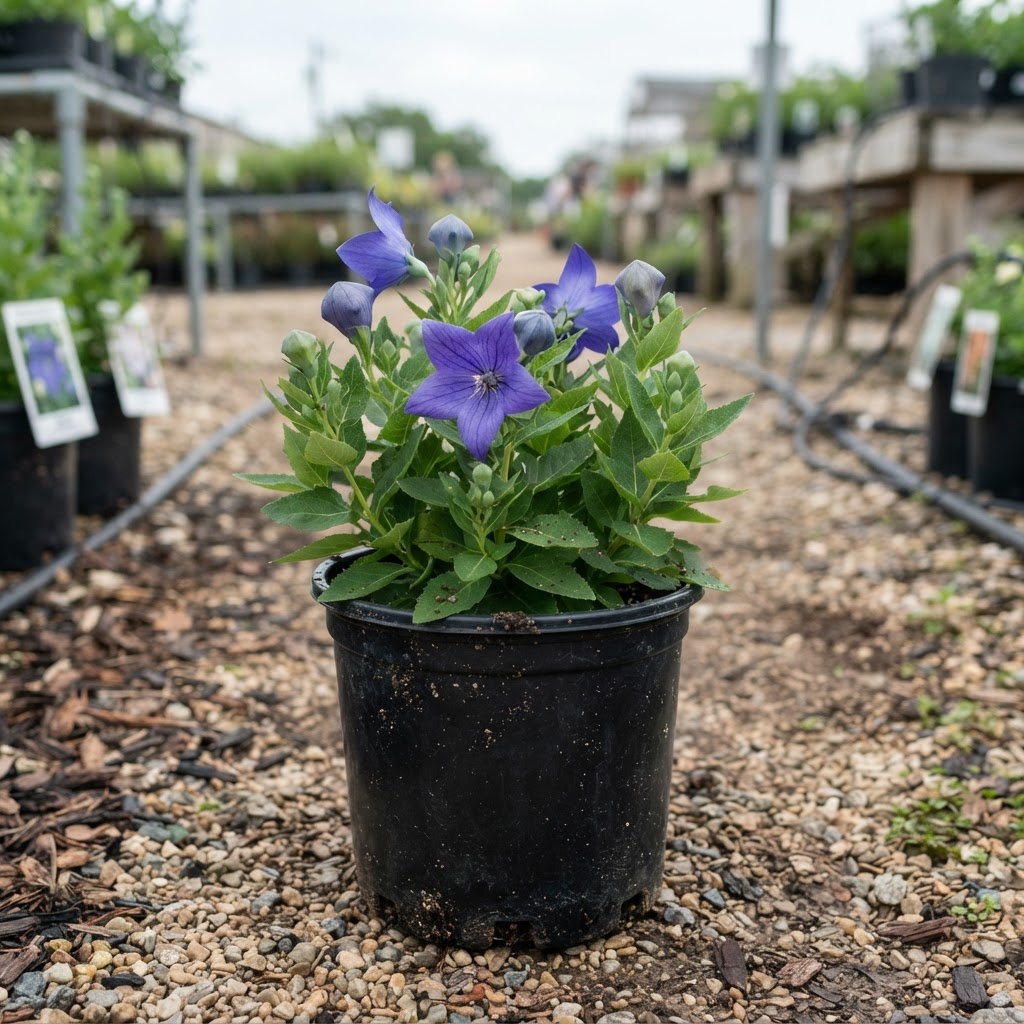
Platycodon 'Pop Star Blue'
$7.15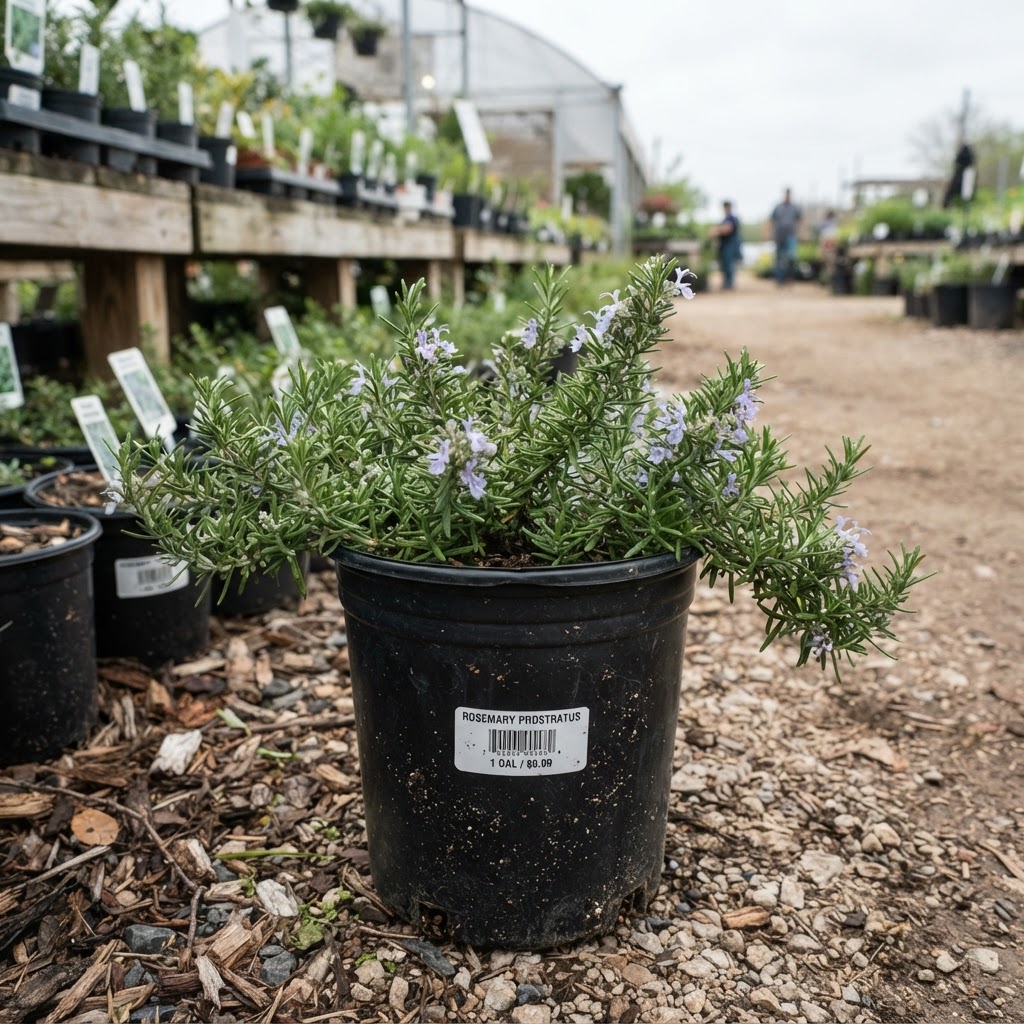
Rosmarinus o. Prostratus
$7.58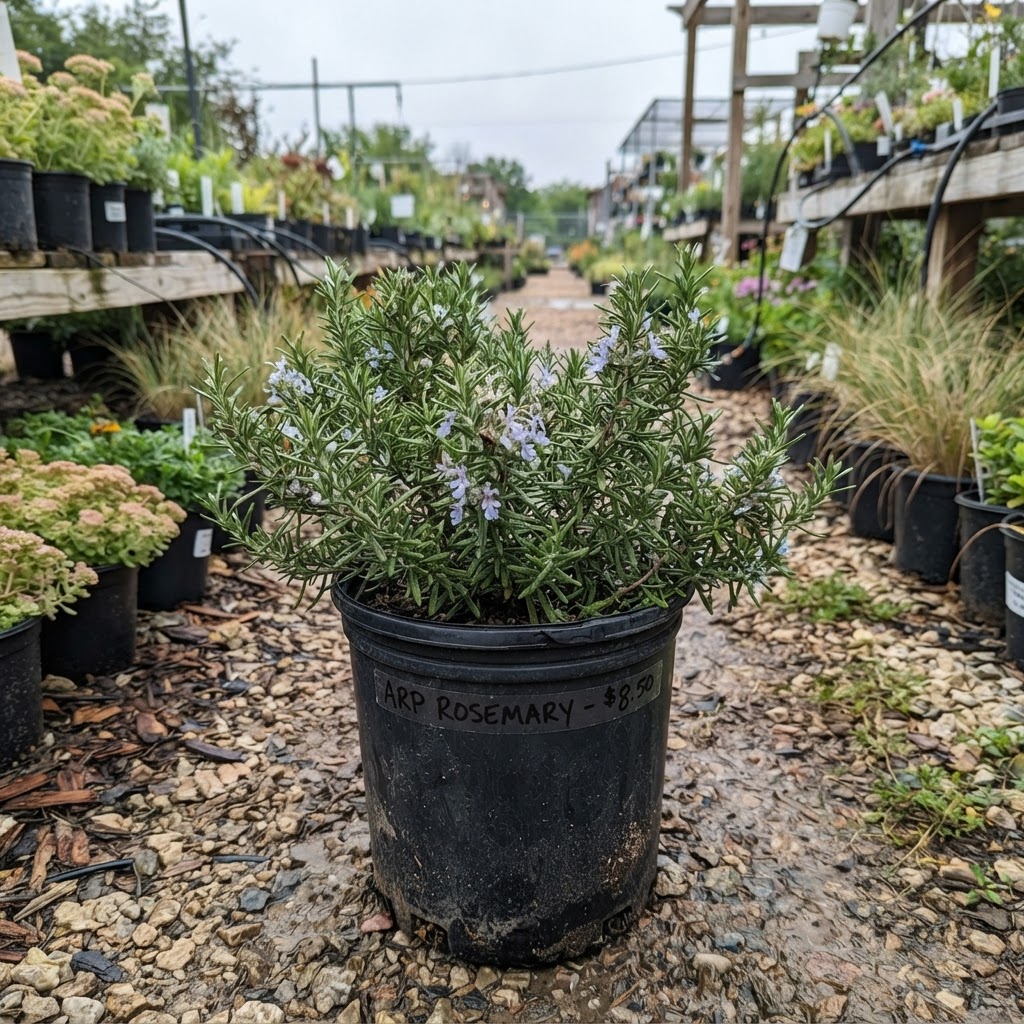
Rosmarinus officinalis 'Arp'
$7.58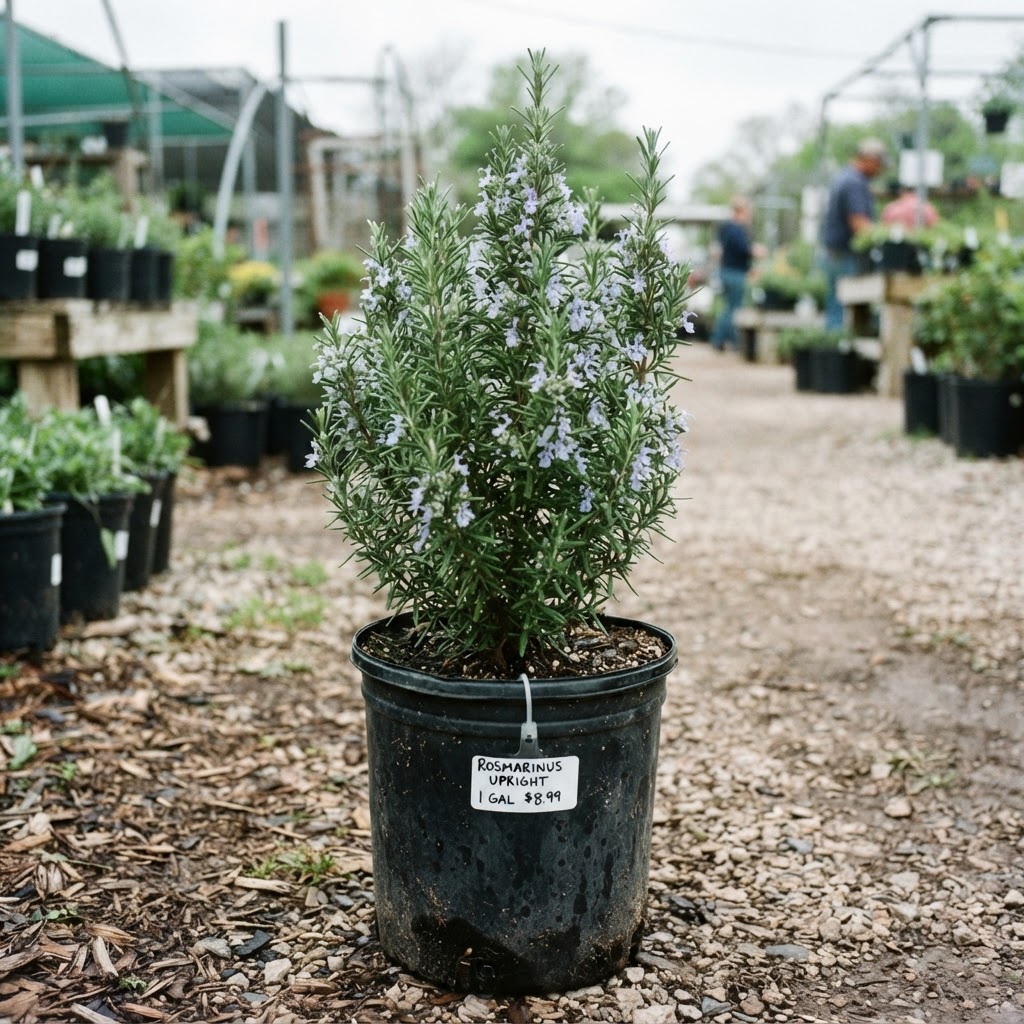
Rosmarinus Upright
$7.58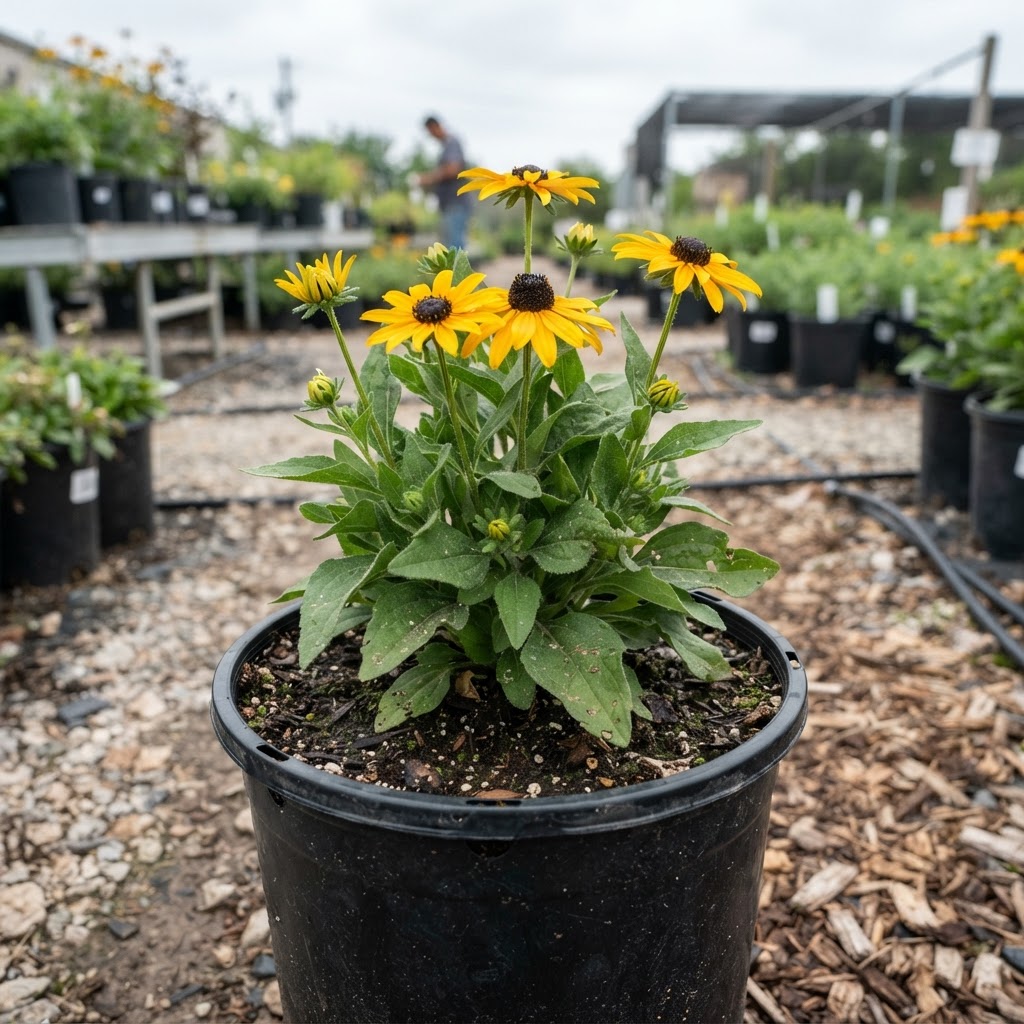
Rudbeckia f. 'Goldsturm'
$6.89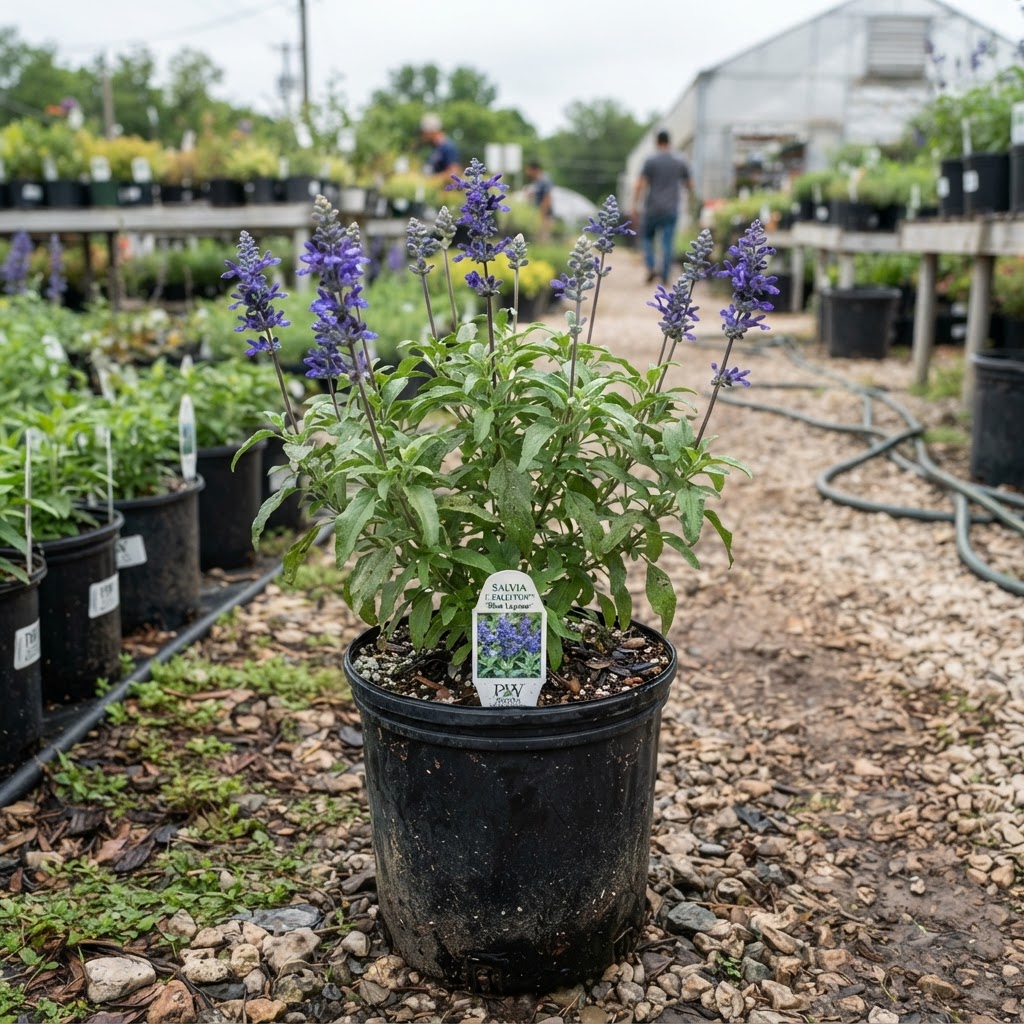
Salvia f. Sallyfun™ 'Blue Lagoon'
$7.15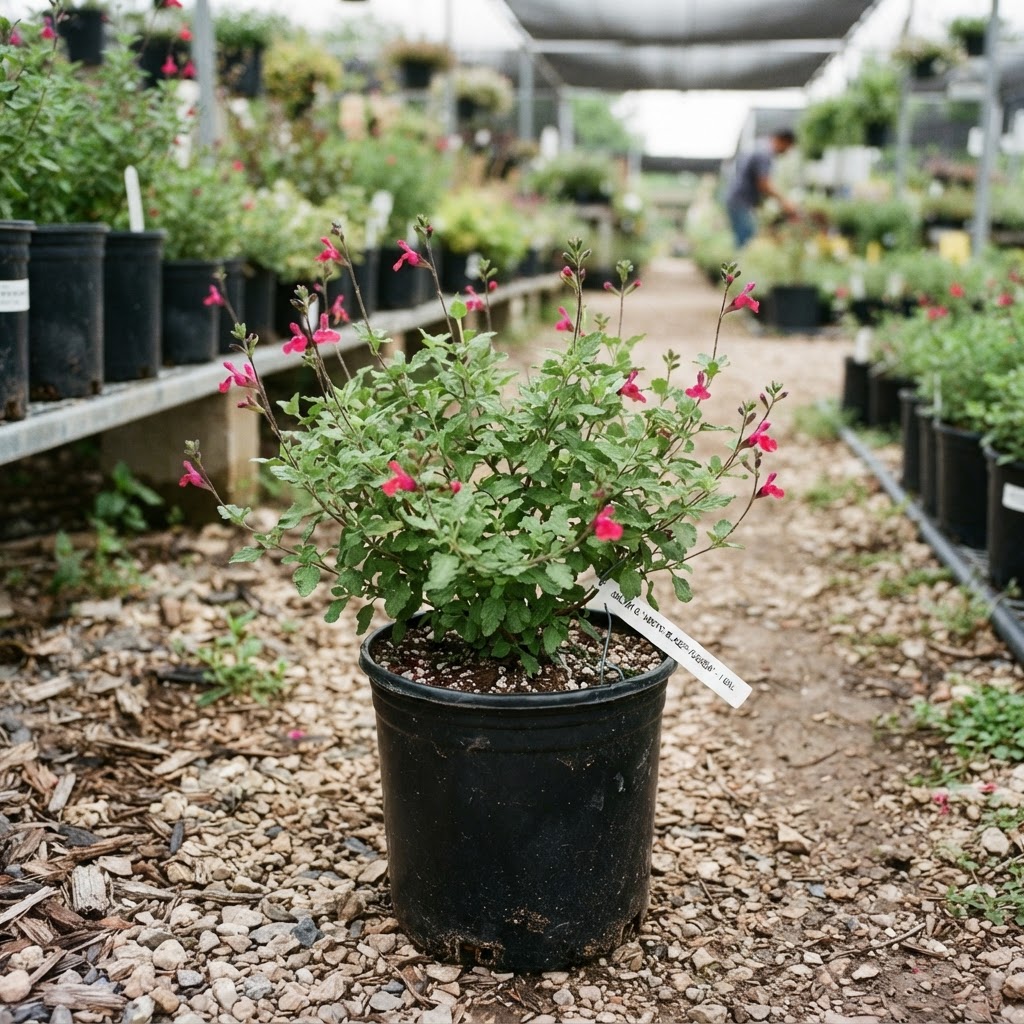
Salvia g. 'Arctic Blaze® Fuchsia'
$8.04Mandevilla 'Bella Pink'
$8.94
Vinca 'Nirvana XDR Blackberry'
$7.15